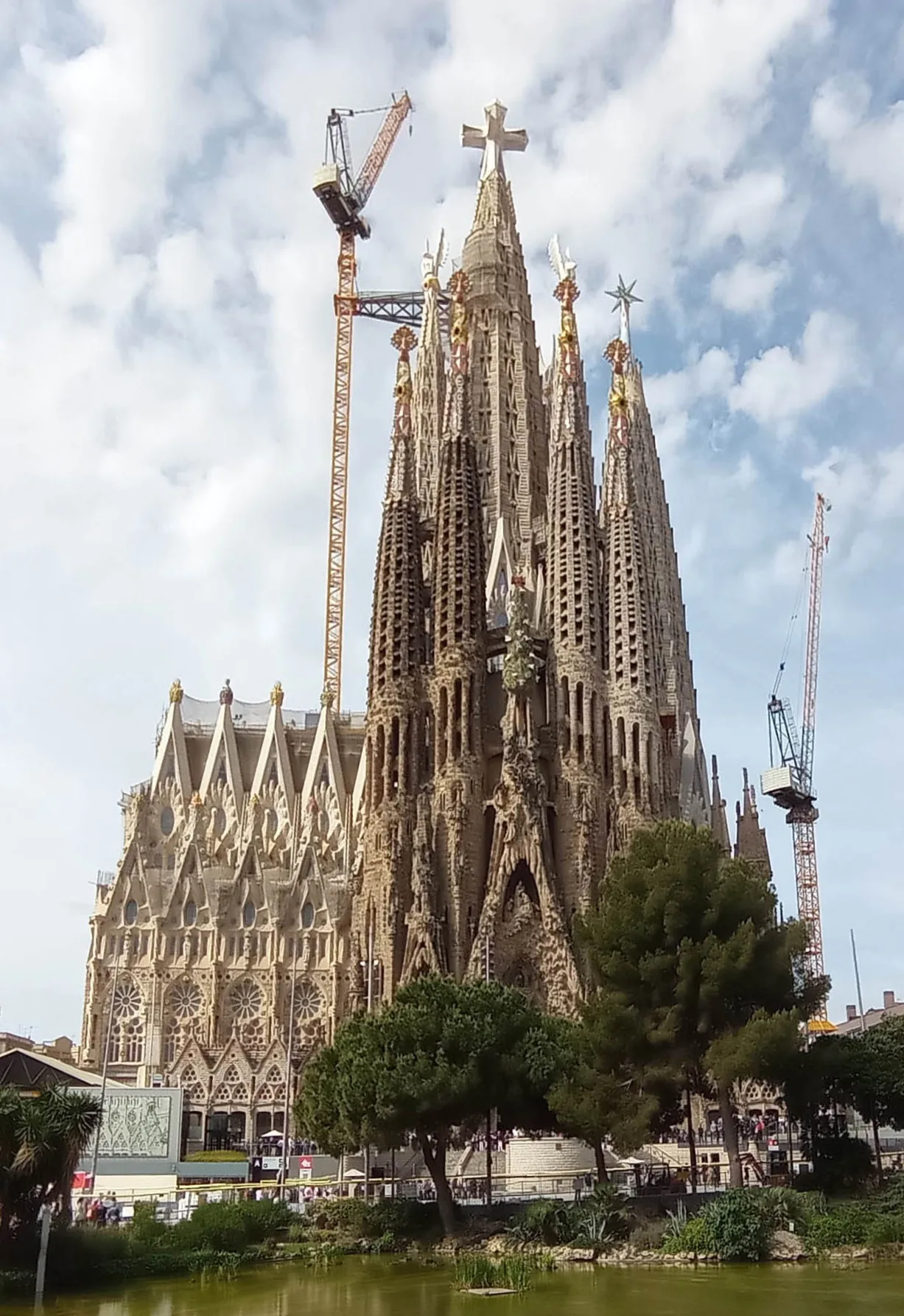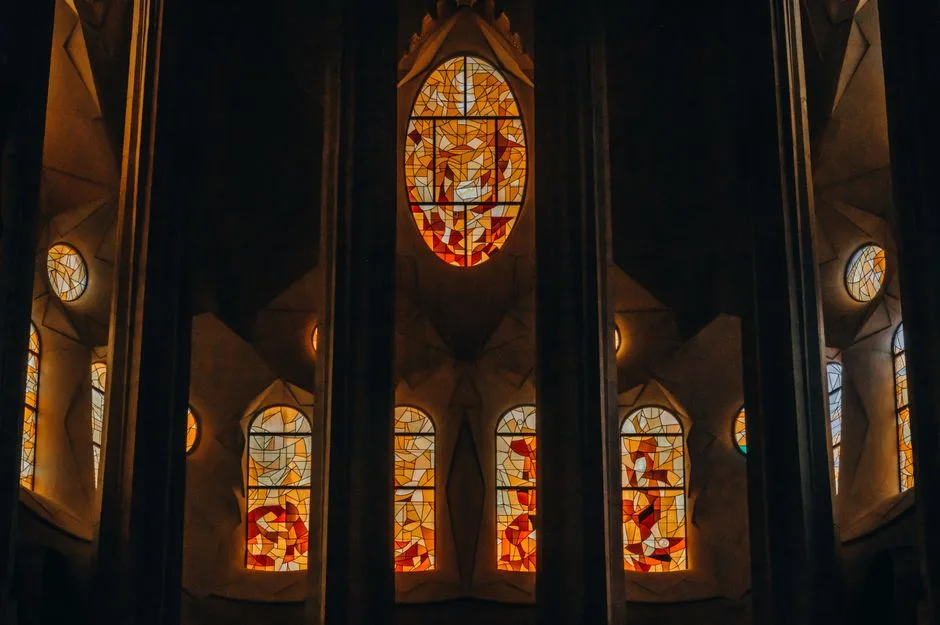
This basilica has been under construction since 1882 and is still not finished, just as its architect Gaudi expected.
About La Sagrada Família
Gaudi took over the Sagrada Familia project in 1883 and transformed it into his life's work, developing a radical architecture based on natural forms and geometry. He died in 1926 with only a fraction built. Work has continued ever since, slowed by the Spanish Civil War and reliant on private funding, using Gaudi's models and modern technology to realise his vision over many decades.
La Sagrada Familia
The Sagrada Familia is Antoni Gaudi's unfinished masterpiece and the most famous building in Barcelona, an astonishing basilica of soaring towers and organic, nature-inspired forms that has been under construction since 1882. A UNESCO World Heritage Site, its forest of branching columns and walls of coloured stained glass create one of the most impressive interiors in the world.
“A UNESCO World Heritage Site, its forest of branching columns and walls of coloured stained glass create one of the most impressive interiors in the world.”
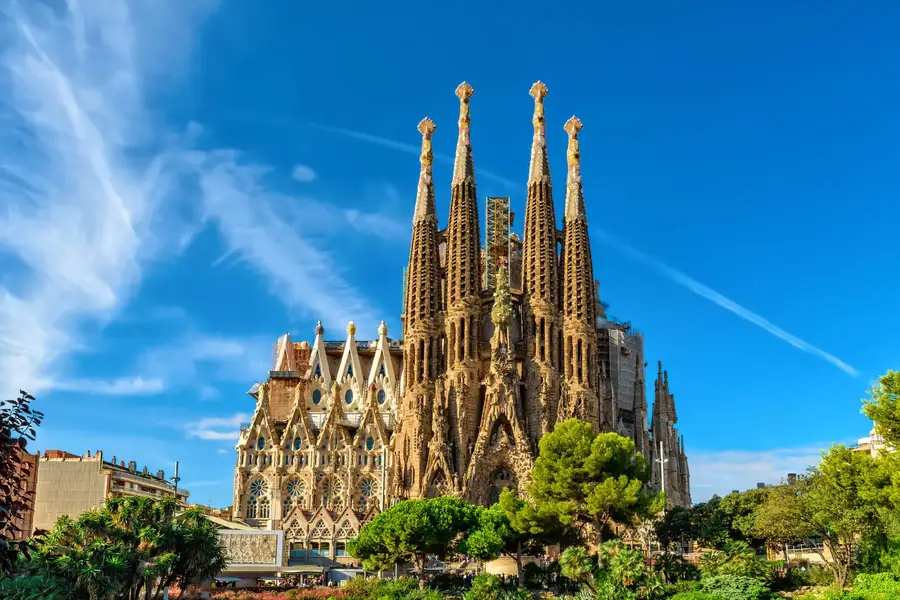
La Sagrada Família, Spain
A Cathedral Still Being Built After 140 Years
Construction of the Sagrada Familia began in 1882, and Gaudi devoted the last decades of his life to it, knowing he would never see it finished. After his death in 1926, work continued in fits and starts, interrupted by war and funded largely by donations and ticket sales, and the basilica remains incomplete to this day. Gaudi designed the interior columns to branch like trees and the windows to flood the space with shifting coloured light, blending architecture and nature as no one had before.
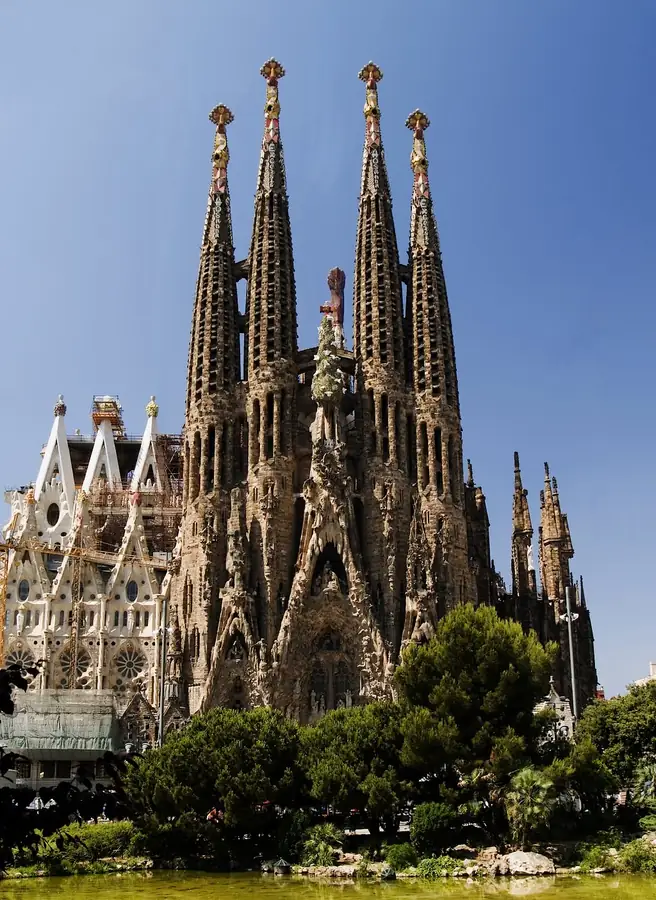
La Sagrada Família, Spain
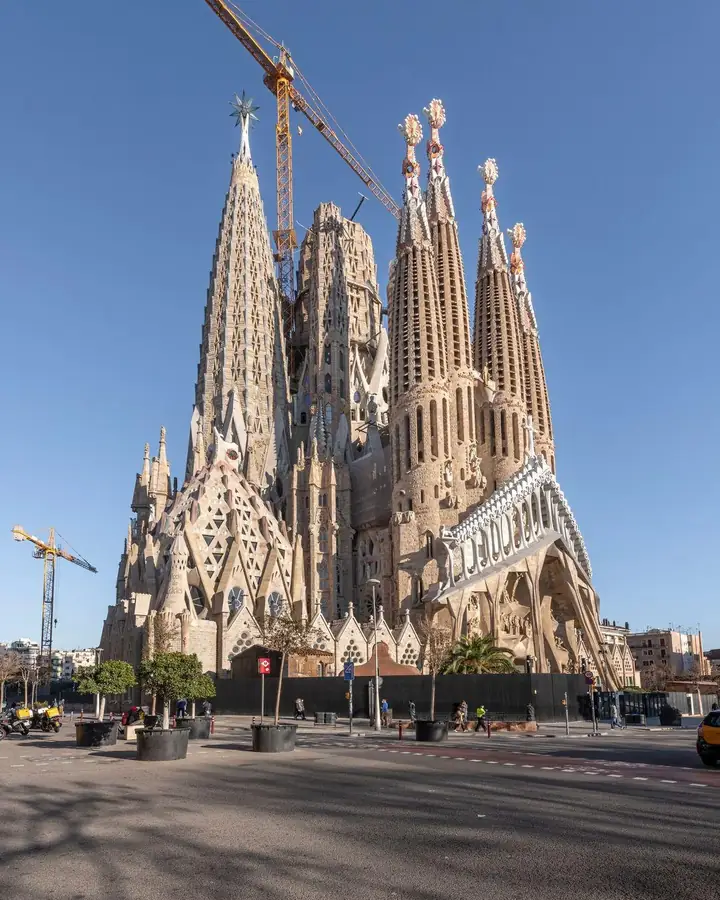
La Sagrada Família, Spain
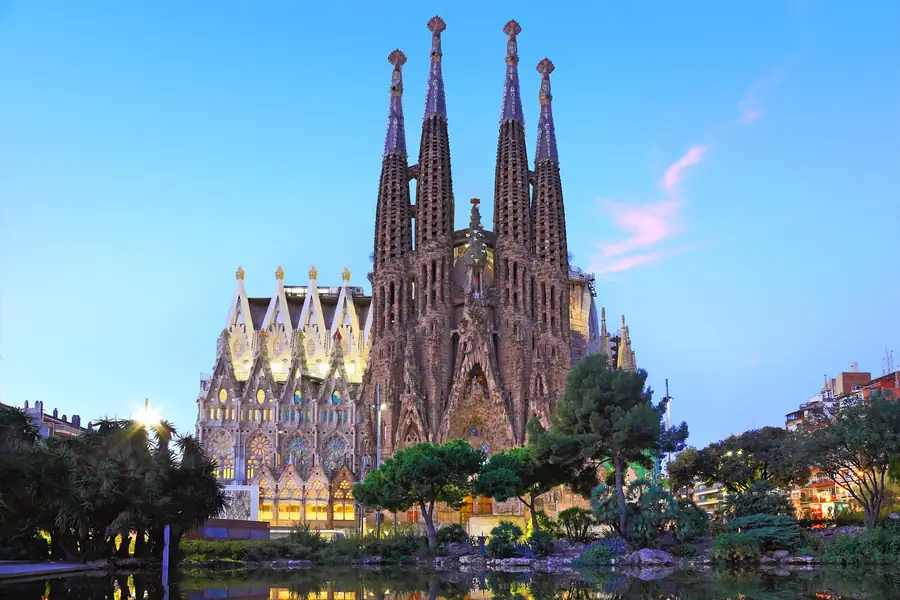
La Sagrada Família, Spain
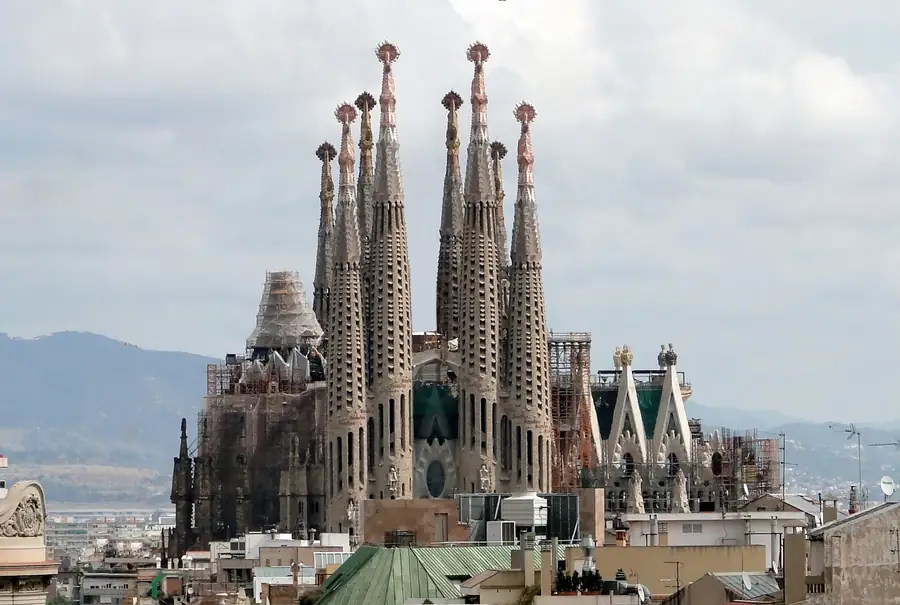
La Sagrada Família, Spain
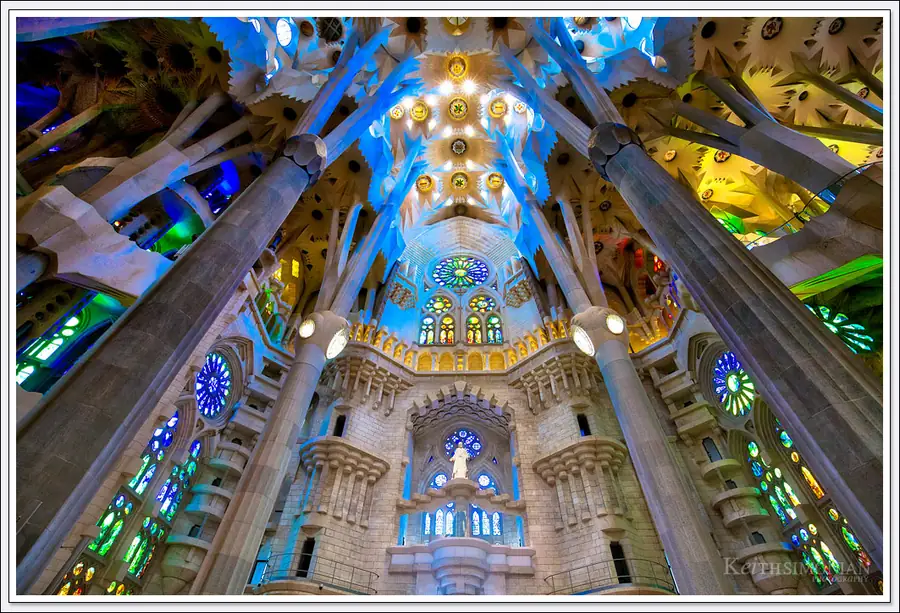
La Sagrada Família, Spain
The Experience
You enter to find a soaring nave where columns rise and branch like a stone forest, and walls of stained glass bathe the interior in pools of red, blue and gold light that shift through the day. The facades outside teem with sculpted scenes, from the joyful Nativity to the stark Passion. The combination of visionary architecture, coloured light and the knowledge that it is still being built makes a visit unforgettable.
Why It Matters
The Sagrada Familia is Gaudi's supreme masterpiece and the icon of Barcelona, a UNESCO World Heritage Site and one of the most original and beloved buildings in the world. Its blend of nature, faith and architectural daring has made it a symbol of Catalan creativity and a global cultural treasure.
Why Visit
Gaudi's dramatic unfinished basilica in Barcelona, a forest of branching columns and stained-glass light, under construction since 1882 and still incomplete.
Insider Tips
- 1
Book timed tickets well in advance to avoid long queues.
- 2
Go to see the coloured light at its best in the afternoon.
- 3
Compare the Nativity and Passion facades outside.