“With some 3,400 rooms, this is the largest functioning royal palace in all of Europe.”
About Royal Palace of Madrid
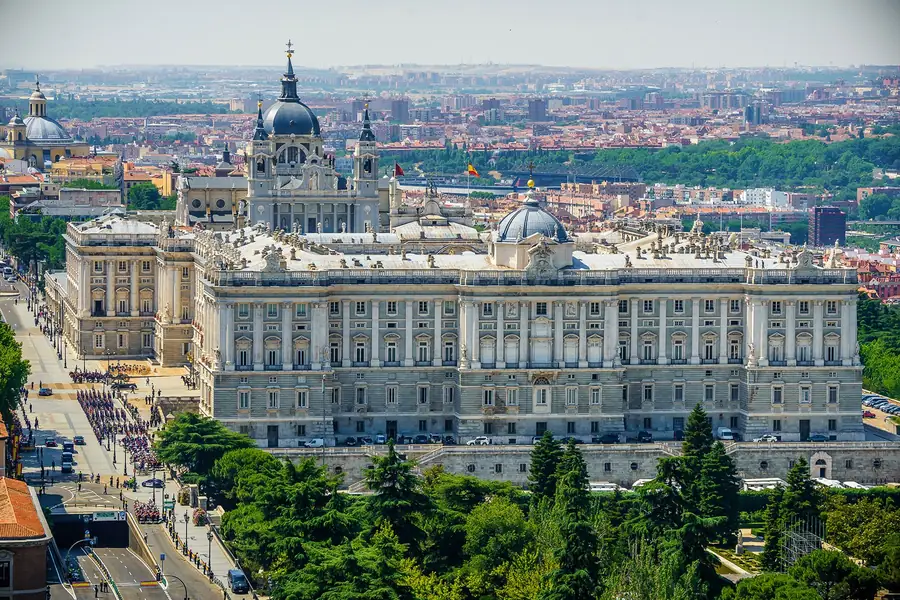
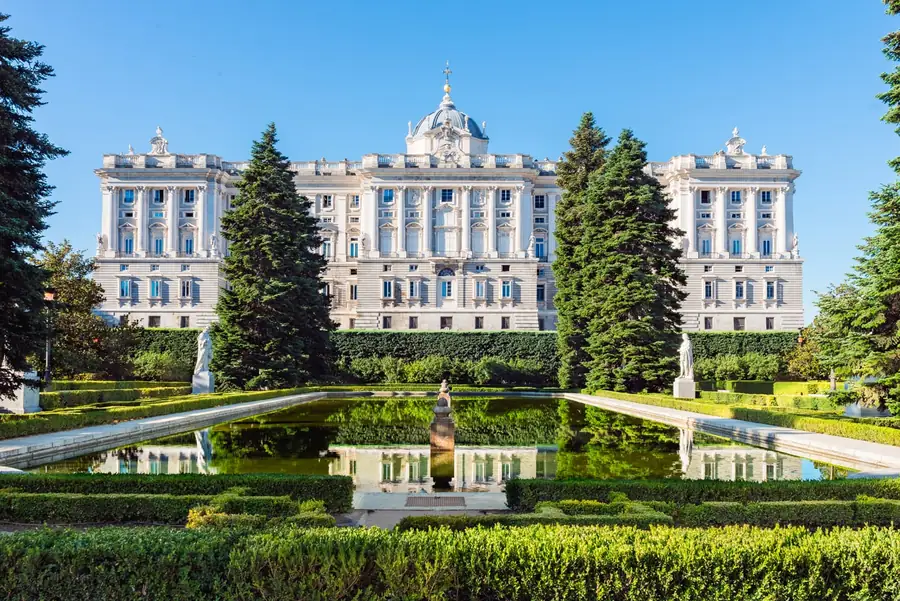
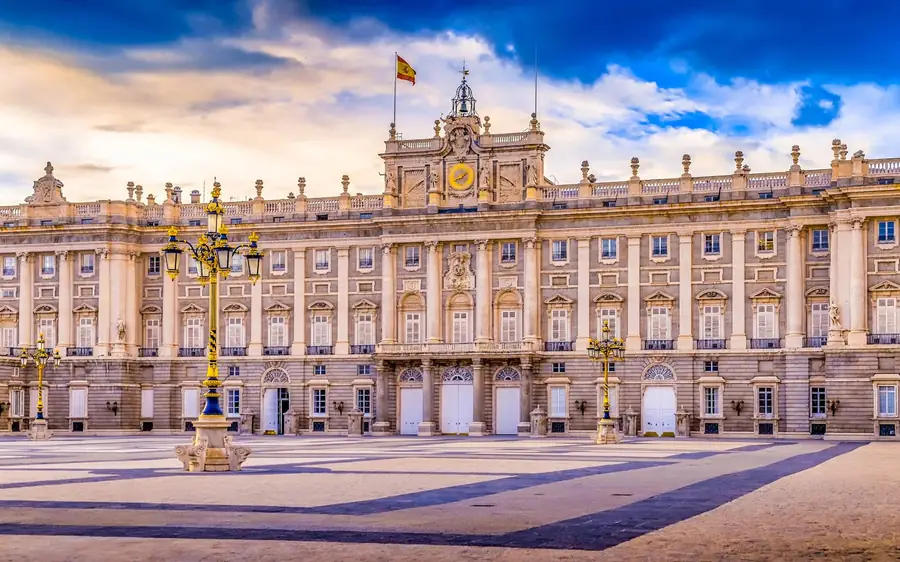
The palace was built in the 18th century for the Spanish Bourbon kings after the previous Alcazar fortress was destroyed by fire in 1734. Conceived on a vast scale in a neoclassical and Baroque style, it became the seat of the monarchy. Although the royal family no longer lives there, it remains the official residence and the setting for state occasions, with much of it open to the public.
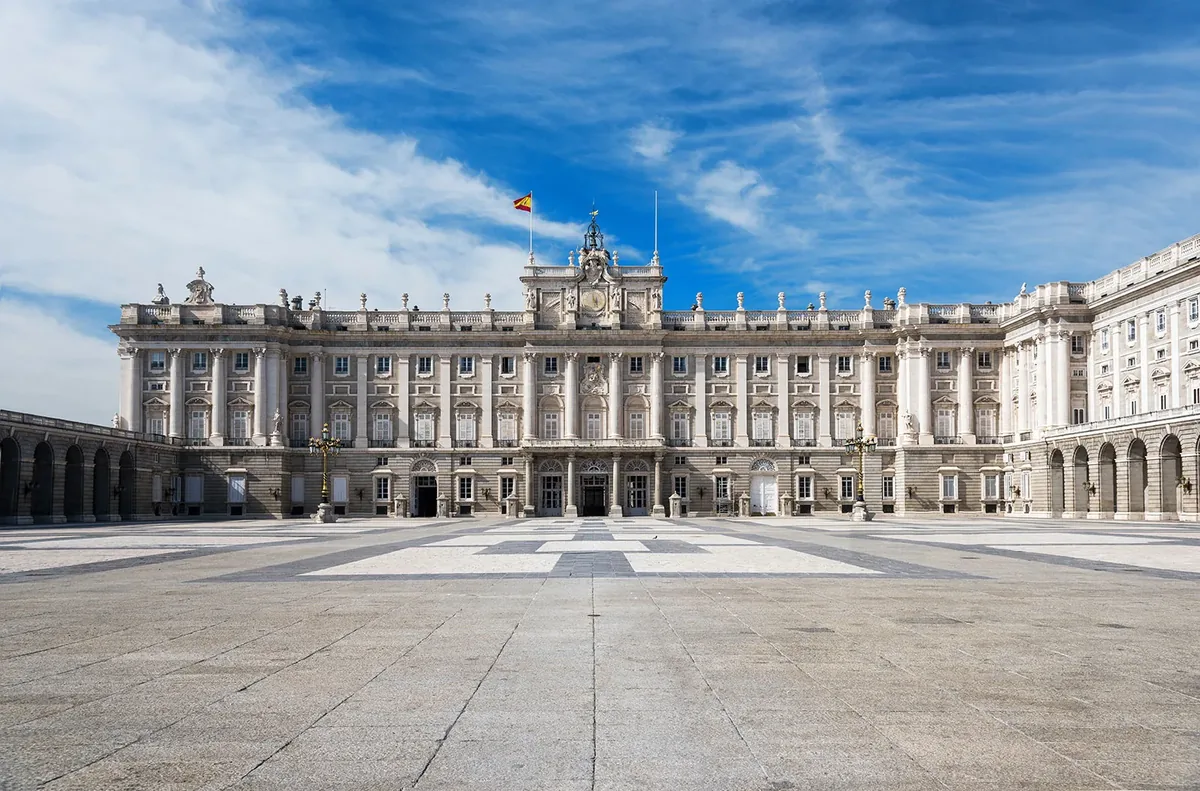
The Royal Palace of Madrid is the official residence of the Spanish royal family and the largest functioning royal palace in Europe by floor area. Though used today mainly for state ceremonies, its thousands of opulent rooms, grand staircases and priceless collections offer a dazzling display of Spanish royal splendour deep in the capital.
The Royal Palace of Madrid is the official residence of the Spanish royal family and the largest functioning royal palace in Europe by floor area.
Europe's Largest Royal Palace
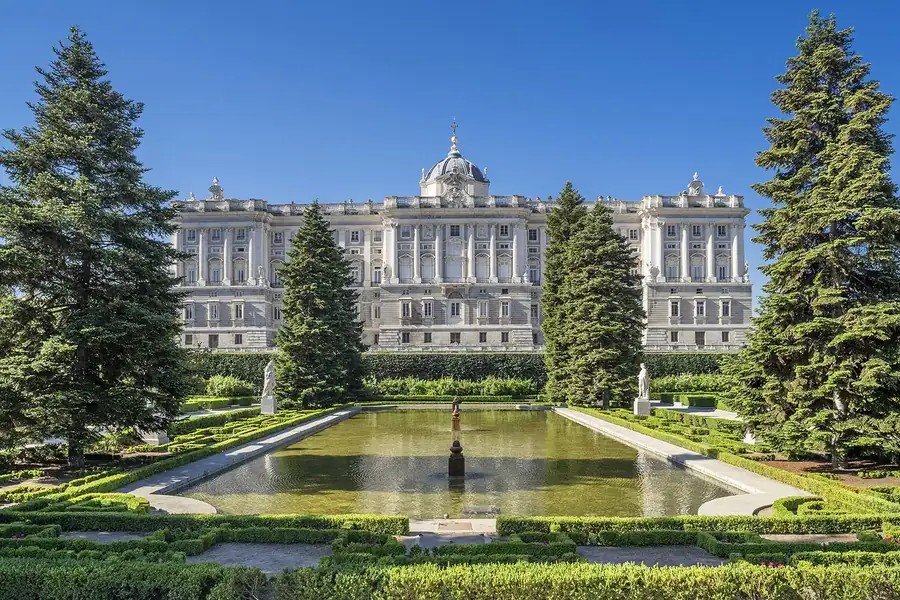
With some 3,400 rooms, the palace is the largest royal residence in Europe, built in the 18th century on the site of an old fortress that had burned down. Its sumptuous interiors include the Throne Room with a ceiling by Tiepolo, lavishly decorated state apartments, and remarkable collections of tapestries, porcelain, clocks and armour. The Royal Armoury holds one of the finest collections of historic weapons and armour in the world, including suits worn by Spanish kings and emperors.
The Experience
Heading up the grand staircase into a succession of richly decorated state rooms, gilded and hung with frescoes, tapestries and chandeliers, including the dazzling Throne Room and the porcelain and mirror rooms, then visit the Royal Armoury's astonishing array of historic armour and the palace's collections. The scale and opulence are overwhelming, offering a vivid sense of the grandeur of the Spanish crown.
Why It Matters
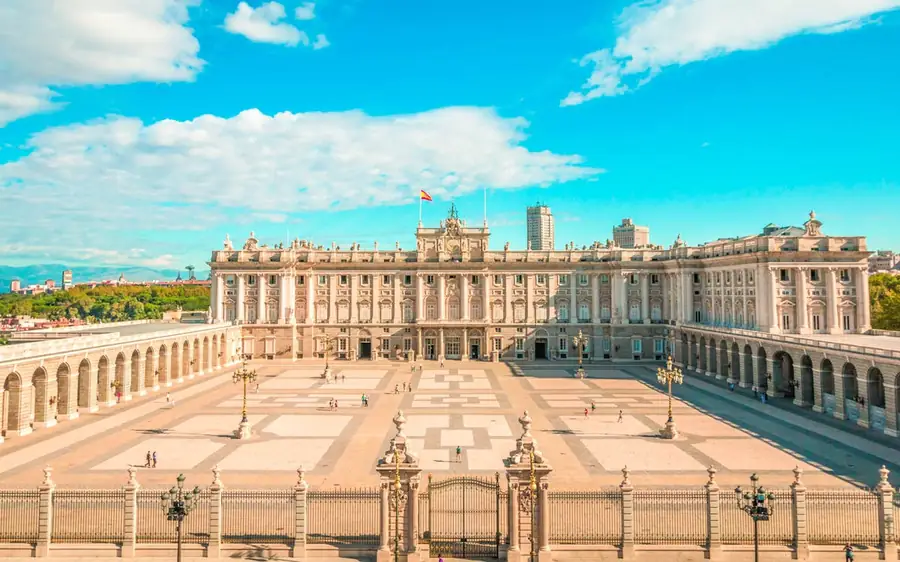
The Royal Palace of Madrid is the grandest royal residence in Europe and a centrepiece of the Spanish capital, embodying the wealth and history of the Spanish monarchy. Its architecture, state rooms and collections make it one of the most impressive palaces in the world and a key cultural landmark.
The Royal Palace of Madrid is the grandest royal residence in Europe and a centrepiece of the Spanish capital, embodying the wealth and history of the Spanish monarchy.
Why Visit
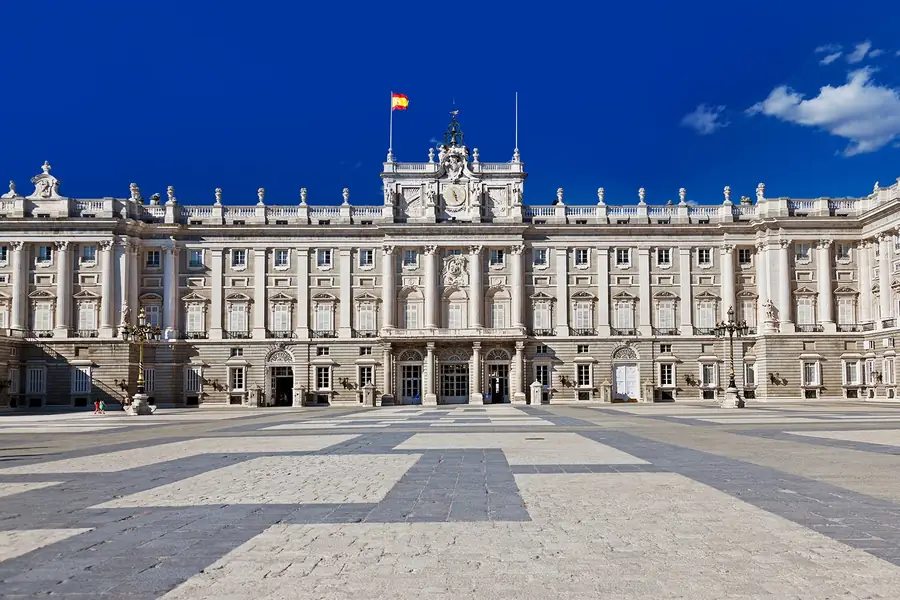
Europe's largest royal palace, with thousands of opulent state rooms, priceless collections and a world-class armoury, in central Madrid.
✦ Insider Tips
- 1
See the Throne Room and the lavish state apartments.
- 2
Visit the world-class Royal Armoury collection.
- 3
Check for closures during royal state ceremonies.
- 4
Look out for the regular changing of the guard.