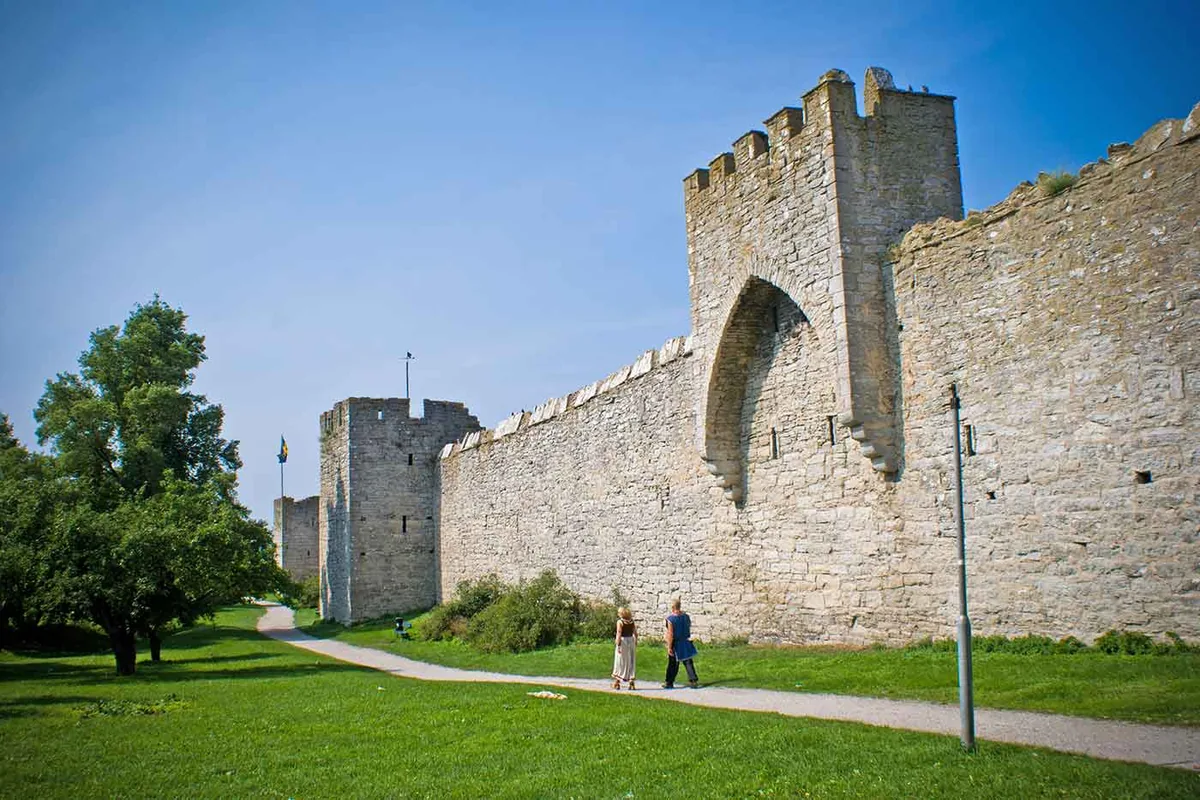
“Ninety-two people were executed in the central square five centuries ago, but today those same crimson buildings house the peaceful archives of the Nobel Prize.”
About Gamla Stan
The island of Stadsholmen was first fortified by Birger Jarl in 1252 to protect the entrance to Lake Mälaren from pirates. Over the next three hundred years, it grew into a dense, chaotic urban center built largely on top of its own refuse. The Great Fire of 1625 destroyed the western side of the island, leading to the creation of the relatively 'straight' streets like Stora Nygatan. The current Royal Palace was built on the ruins of the Tre Kronor castle, which burned down in 1697. Throughout the 19th century, Gamla Stan was considered a slum, but a wave of romanticism in the 1930s led to its restoration and current status as a national treasure.
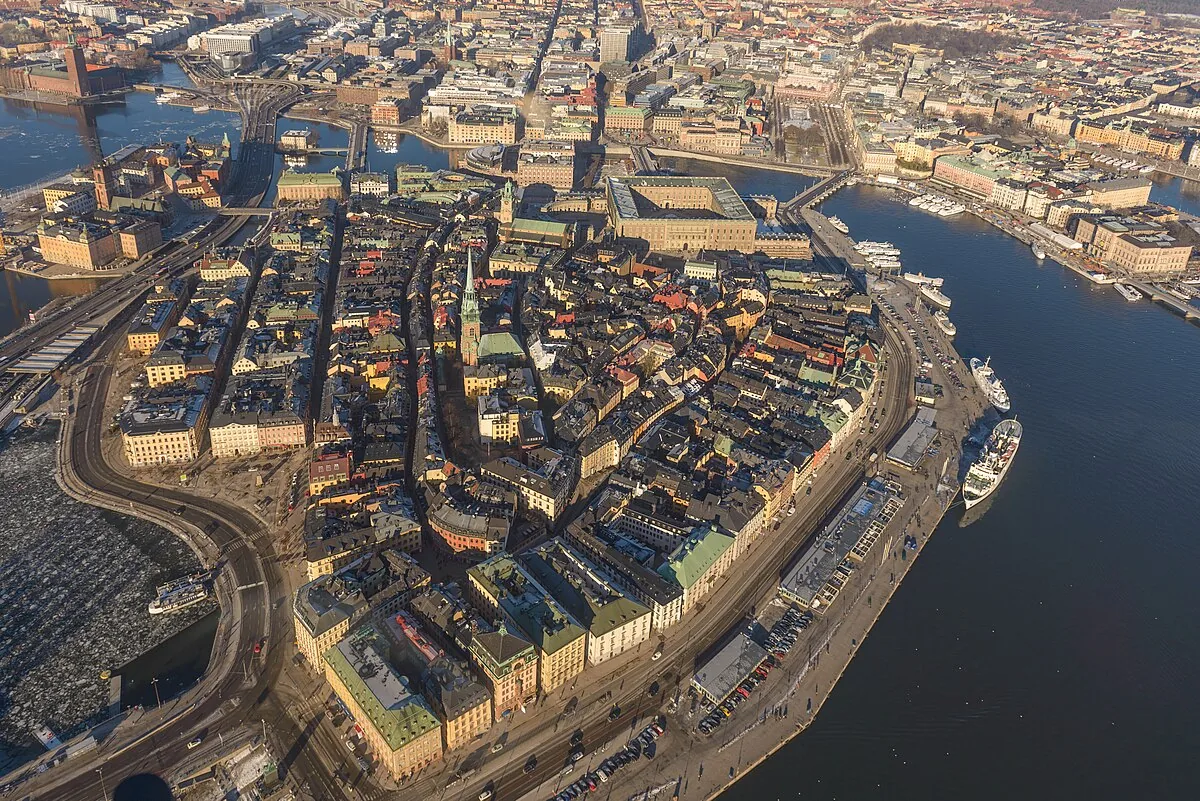
Gamla Stan in Sweden
Stockholm began on this small island in the 13th century, a tangled knot of cobblestone alleys and ochre-colored tenements that has survived fires, plagues, and the heavy hand of modern urban planning. Gamla Stan remains one of the largest and best-preserved medieval city centers in Europe, a place where the walls are rarely straight and the doorways are often low enough to require a respectful bow. The buildings are painted in shades of saffron, terracotta, and deep crimson, colors that seem to soak up the low Nordic sun and glow long after the light has faded. Moving through the narrowest street, Mårten Trotzigs Gränd, which measures only 90 centimeters wide, The weight of the stone pressing in from either side. It is a sensory time capsule where the ring of church bells from Storkyrkan still dictates the pace of the day.
The buildings are painted in shades of saffron, terracotta, and deep crimson, colors that seem to soak up the low Nordic sun and glow long after the light has faded.
For centuries, Gamla Stan
For centuries, Gamla Stan was the entirety of Stockholm, a active port where Hanseatic merchants traded fur and iron for salt and wine. The heart of the district is Stortorget, the oldest square in the city, which was the site of the Stockholm Bloodbath in 1520, an event that eventually led to the end of the Kalmar Union and the rise of the modern Swedish state. While much of the city expanded onto the northern and southern mainland in the 1800s, Gamla Stan was largely ignored, which saved its medieval layout from being replaced by wide boulevards. Today, it houses the Royal Palace and the Nobel Prize Museum, standing as a product of the city's transition from a defensive stronghold to a global center of diplomacy and science.
The morning in Gamla Stan is the best
The morning in Gamla Stan is the best time to visit, before the souvenir shops on Västerlånggatan open their doors and the cruise ship groups arrive. Immediately, the sound of your own footsteps echoing off the stone walls and fresh cinnamon buns drifting from basement bakeries. The light at mid-morning catches the gilded details on the Royal Palace, casting long, dramatic shadows across the cobblestones. The temperature drop moving into the deeper, shaded alleys where the sun rarely reaches the ground. In the evening, the district transforms into a series of warm, candlelit windows, and the many underground cellar bars, some dating back to the 1600s, fill with the low hum of conversation and the clinking of heavy glass.
Gamla Stan is the central hub
Gamla Stan is the central hub of Stockholm's geography, situated between the modern downtown (Norrmalm) and the hipster heights of Södermalm. It is served by its own dedicated metro station on the Green and Red lines. A large share of visitors arrive on foot by crossing the Norrbro or Vasabron bridges, which offer sweeping views of the Riksdag (Parliament) building and the swirling currents of the Strömmen where Lake Mälaren meets the Baltic Sea.
Gamla Stan is the central hub of Stockholm's geography, situated between the modern downtown (Norrmalm) and the hipster heights of Södermalm.
The Experience
Right away, the crookedness of the window frames and the iron tie-rods in the brickwork, which keep the old houses from leaning too far into the street. The main tourist drag can feel crowded, but if you duck into any side alley, you are suddenly alone with the smell of old stone and the sea. The changing of the guard at the Palace is a spectacle of precision, but the real magic is finding a quiet corner in Järntorget to watch the locals navigate the steep stairs. The light at twilight turns the saffron walls of the square into a deep, glowing orange that feels like stepping into a 17th-century painting.
Why It Matters
Gamla Stan is the foundational myth of Sweden. It is the site of the country's most significant political shifts and home to its oldest institutions. Its architecture bridges the gap between the Hanseatic medieval style and the grand Italian Baroque of the Royal Palace, representing the moment Sweden became a true European power.
Why Visit
If you want to understand the soul of Stockholm, you have to walk its oldest stones. While the rest of the city is a masterclass in sleek, modern minimalism, Gamla Stan is delightfully messy, ancient, and atmospheric. It is the only place in the city where you can drink mead in a Viking-themed cellar and then walk five minutes to see a royal throne made of silver.
✦ Insider Tips
- 1
Avoid the main street of Västerlånggatan; the parallel street, Prästgatan, is much quieter and far more authentic.
- 2
Look for the 'Iron Boy' statue in a small courtyard behind the Finnish Church; it is the smallest public monument in Stockholm.
- 3
Visit the Royal Armory in the palace basement for a look at the blood-stained costumes of kings who died in battle.
- 4
The Mårten Trotzigs Gränd alley is easiest to find from the bottom (Södra Benickebrinken) rather than the top.
- 5
Grab a coffee at Under Kastanjen in the small square of Brända Tomten for the best atmosphere away from the main crowds.