“A king's vanity once sent sixty-four bronze cannons to the bottom of the sea in under twenty minutes, leaving behind the world's most perfectly preserved failure.”
About Vasa Museum
The Vasa was the most expensive project in 17th-century Sweden, requiring over a thousand oak trees and the labor of hundreds of craftsmen. Its design was fundamentally flawed from the start, featuring a center of gravity that was far too high to withstand even a light breeze. After the sinking, most of the valuable bronze cannons were salvaged using primitive diving bells, but the hull itself was left to the tides. Its rediscovery three centuries later required a radical new conservation method; the ship had to be sprayed with polyethylene glycol for seventeen years to prevent the wood from shrinking and cracking as it dried.
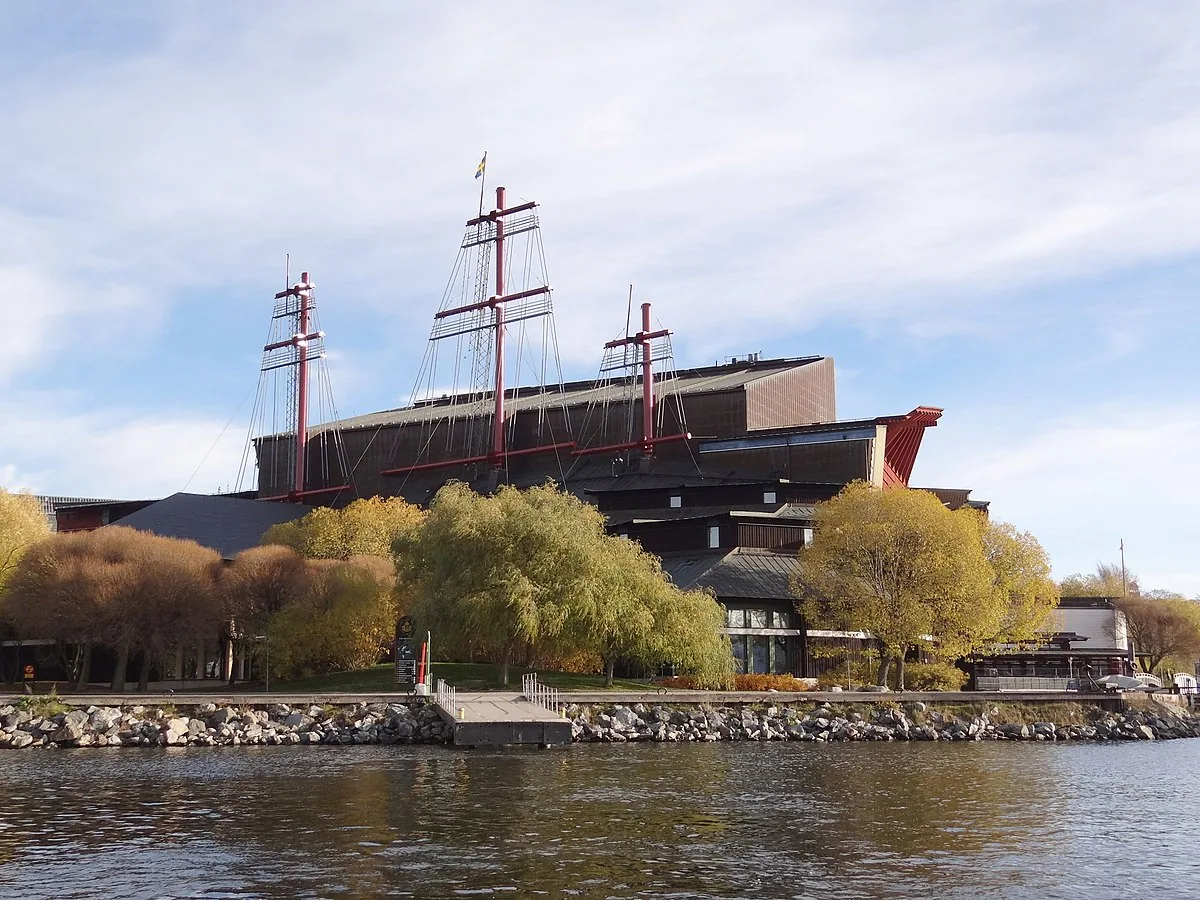
Salt water usually devours history, but the brackish , oxygen-poor depths of the Stockholm harbor acted as a cold, dark preservative for over three centuries. Standing before the Vasa, you confront a colossal wooden ghost that was supposed to be the pride of the Swedish Empire but became its most embarrassing catastrophe. This seventeenth-century warship sank less than a nautical mile into its maiden voyage in 1628, doomed by the vanity of a king who demanded an extra deck of heavy cannons. Today, the ship sits in a purpose-built hall on Djurgården, its towering hull coated in a dark, protective wax that gives the oak a deep, leather-like sheen. Thousands of hand-carved sculptures of lions, heroes, and cherubs cling to the stern, their once-vibrant colors faded to a uniform, haunting timber brown. Within, the space the museum is kept at a precise, chilly humidity, carrying a faint, nostalgic scent of old wood and tar that anchors you in the age of sail.
Salt water usually devours history, but the brackish , oxygen-poor depths of the Stockholm harbor acted as a cold, dark preservative for over three centuries.
Commissioned by King Gustav
King Gustav II Adolf wanted a floating fortress that would terrify the Polish navy, but he ignored the fundamental laws of buoyancy. The master shipwright, Henrik Hybertsson, died before the ship was finished, leaving the project in the hands of less experienced builders who struggled to accommodate the King’s ever-changing demands. When the Vasa finally set sail on a calm Sunday afternoon, a modest gust of wind caught its oversized sails, tilting the top-heavy vessel until water poured into the open lower gun ports. Within twenty minutes, the greatest investment of the Swedish crown was sitting on the seabed. It remained there, forgotten and slowly settling into the mud, until maritime archaeologist Anders Franzén located it in 1956. The salvage operation in 1961 was a global sensation, as the ship rose from the silt almost entirely intact, a time capsule of life in the 1600s.
Walking into the main hall, the scale of the ship hits you with a physical weight that photos cannot convey. The opening note is the tiny chisel marks on the hundreds of wooden soldiers and the intricate lattice of the rigging that reaches toward the ceiling. The lighting is kept low to protect the wood, creating a somber, cinematic atmosphere where the ship seems to loom out of the shadows. Moving to the upper galleries, you can peer directly into the open gun ports and imagine the chaos of the sinking. You discover a silence of the museum, broken only by the low murmurs of visitors and the occasional creak of the building's infrastructure. In the basement levels, the skeletons and personal belongings of the sailors who went down with the ship provide a sobering human counterpoint to the architectural grandiosity above.
Djurgården island is easily reached
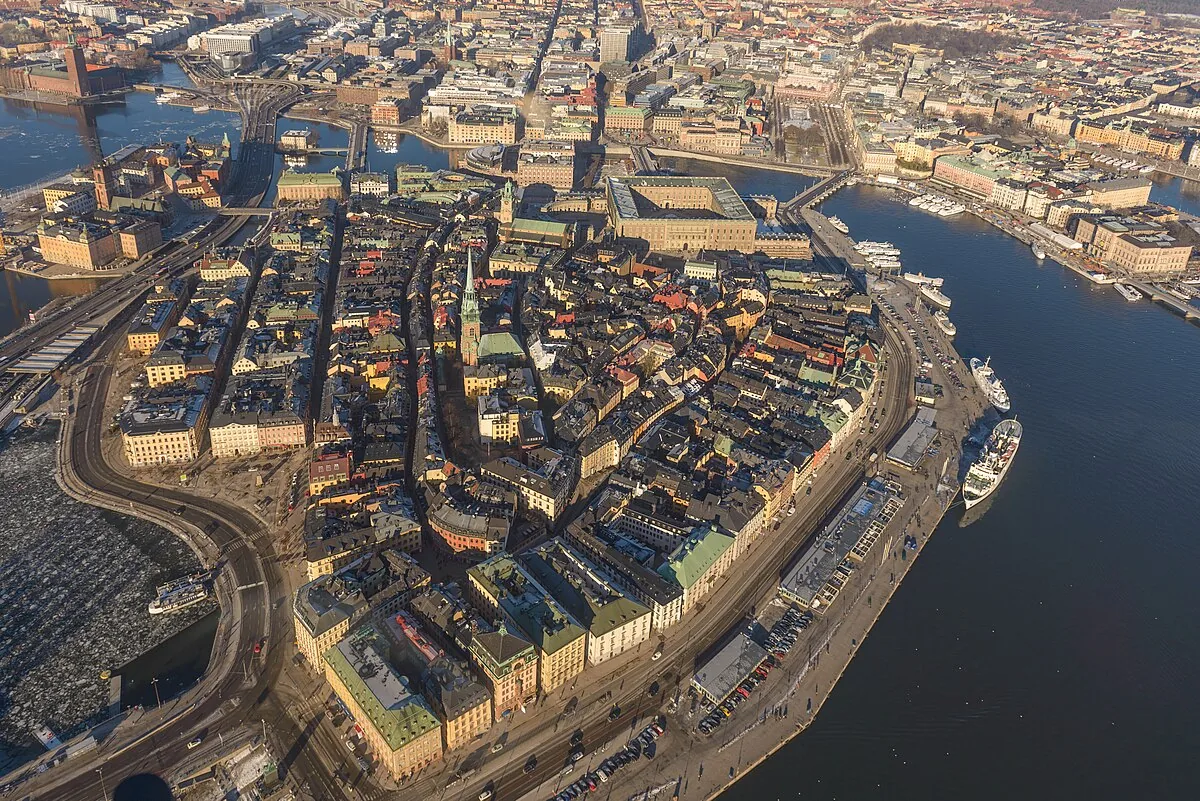
Djurgården island is easily reached from central Stockholm via the historic Tram Line 7 or the frequent Djurgården ferries that depart from Slussen and Nybroplan. Walking from the city center takes about thirty minutes along the scenic Strandvägen waterfront. The museum is a centerpiece of the Royal National City Park, surrounded by lush greenery and other cultural institutions like Skansen and the ABBA Museum.
Djurgården island is easily reached from central Stockholm via the historic Tram Line 7 or the frequent Djurgården ferries that depart from Slussen and Nybroplan.
The Experience
The scent of pine tar and beeswax immediately upon entering, a sensory bridge to the 1600s. The ship doesn't feel like a museum exhibit so much as a slumbering beast that might suddenly decide to groaning back to life. Near the stern, you can spot the individual expressions carved into the faces of the wooden figures, each one proof of a craftsman who died centuries ago. People generally overlook the small displays of personal items, like leather shoes and backgammon boards, which make the tragedy feel deeply personal rather than just historical.
Why It Matters
Vasa is the only nearly fully intact 17th-century ship that has ever been salvaged. It serves as a masterclass in Baroque woodcarving and naval architecture, offering a literal window into the ambitions and social structures of the Swedish Empire. It represents the delicate balance between human aspiration and the uncompromising laws of physics.
Why Visit
Forget every dry history book you have ever read. The Vasa is a physical encounter with the past that feels like walking onto a film set, except every splinter of wood is original. It is the rare place where a massive disaster resulted in a gift for future generations, providing a level of detail about 17th-century life that exists nowhere else on Earth.
✦ Insider Tips
- 1
Head straight to the fourth floor first to see the intricate carvings on the stern before the crowds congregate there.
- 2
Look for the original color reconstructions in the side galleries to understand how gaudy and bright the ship actually looked in 1628.
- 3
The museum film runs every hour and provides essential context on how they kept the wood from disintegrating during the 1960s.
- 4
Bring a sweater regardless of the outside weather, as the ship requires a constant, cool temperature of 18°C.
- 5
Check the keel from the ground floor to see how dangerously narrow the ship was built for its height.