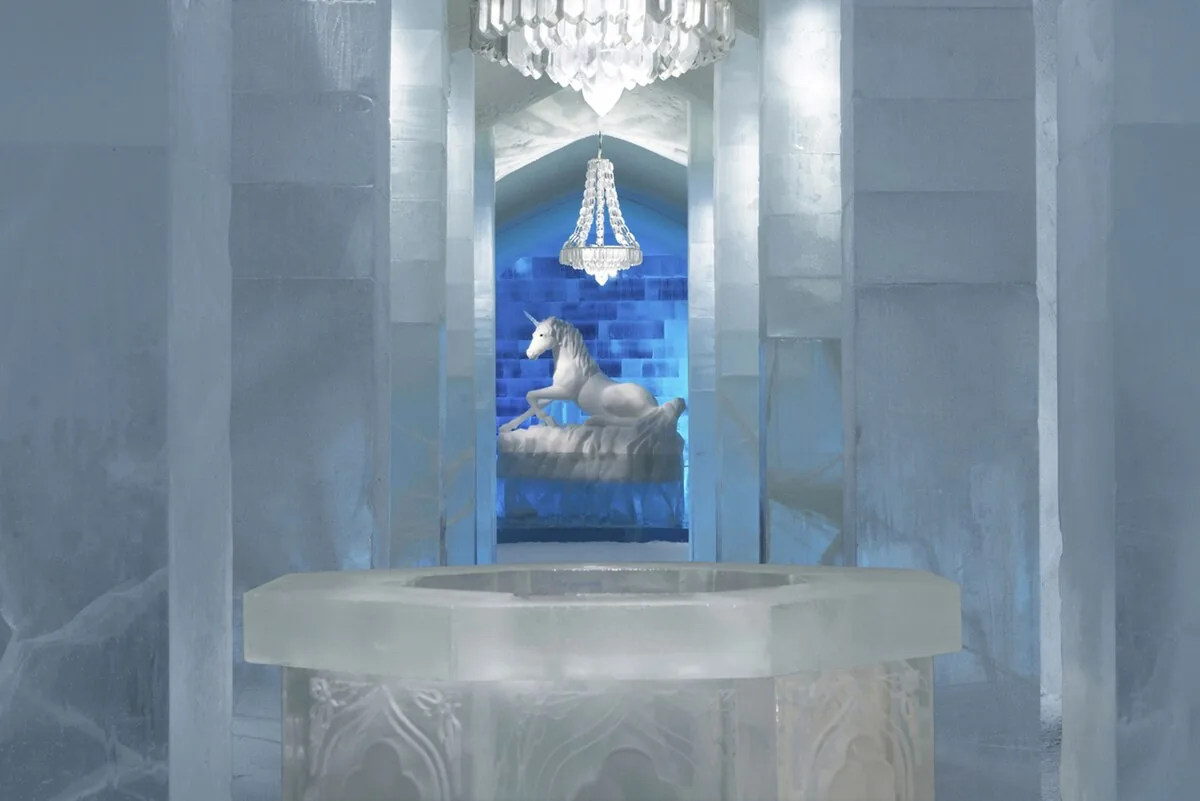
“When the law forced farmers to attend church, they built a secret city of 424 miniature houses that are only inhabited on weekends.”
About Gammelstad Church Town
Gammelstad is the result of a unique Swedish law that mandated church attendance based on distance; those living further away were given permission to build 'church cottages' to house themselves and their horses. By the 17th century, Gammelstad was the most important social hub in Northern Sweden, a place where marriages were arranged and taxes were paid. The land rise in the region is so fast, about 9 millimeters per year, that what was once a coastal island is now miles inland, a geological shift that perfectly preserved the medieval layout of the town by removing its commercial utility. It remains the largest and most authentic church town of the 71 that once existed in northern Scandinavia.
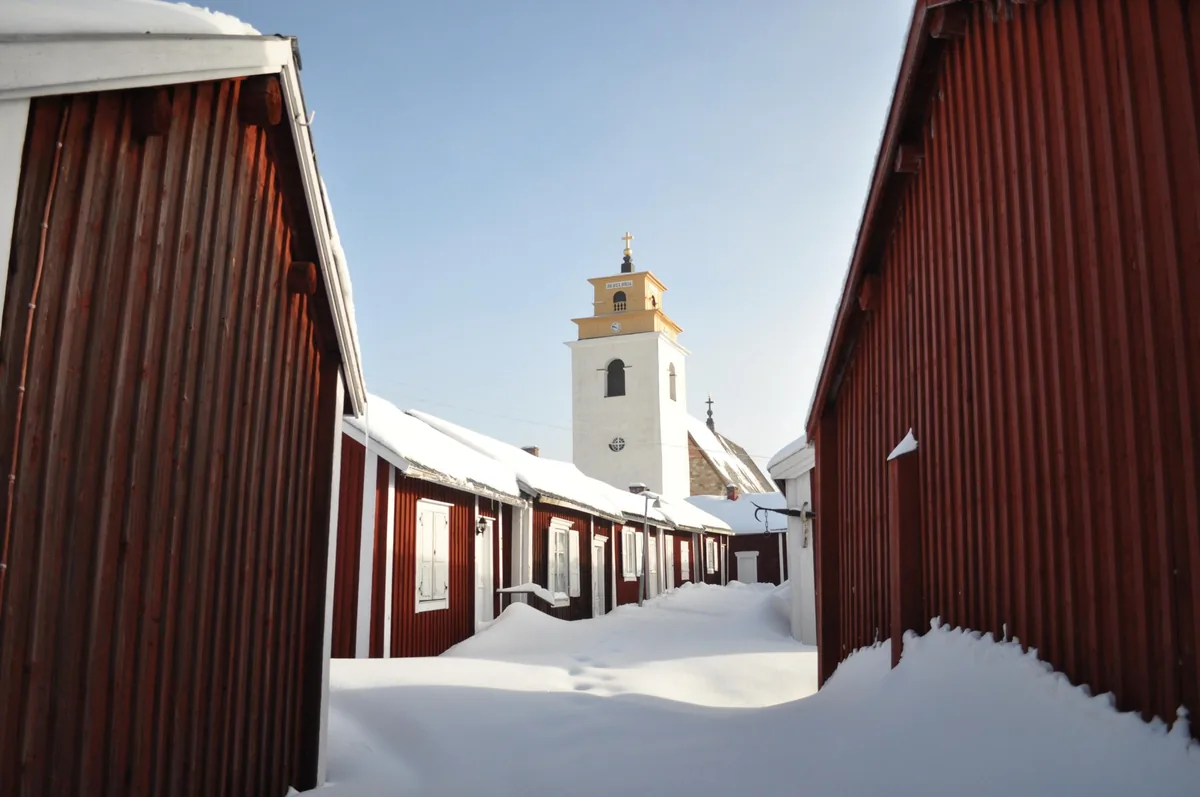
Gammelstad Church Town in Sweden
Near the northern coast of the Gulf of Bothnia, a cluster of 424 red wooden cottages huddles around a massive 15th-century stone church. Gammelstad Church Town is the world's best-preserved example of a 'kyrkstad,' a unique Scandinavian tradition born of geography and religious obligation. In the centuries when travel was difficult and the parish was vast, parishioners who lived more than ten miles from the church were required by law to stay overnight for services. This led to the creation of a temporary city where families owned small, one-room cabins used only on weekends and during religious festivals. Today, the village is a UNESCO World Heritage site where the streets are so narrow and the cabins so uniform that it feels like walking through a miniature, frozen metropolis from the Middle Ages.
Near the northern coast of the Gulf of Bothnia, a cluster of 424 red wooden cottages huddles around a massive 15th-century stone church.
Gammelstad was originally the center
Gammelstad was originally the center of Luleå, but as the land rose due to post-glacial rebound, a process where the earth literally bounces back after the weight of the ice age, the harbor became too shallow for ships. In 1649, the city center was moved closer to the sea, but the church and its surrounding cabins remained. The Nederluleå Church at the heart of the village dates back to 1492, its thick granite walls and elaborate medieval altarpiece serving as shaped by the region's wealth from the fur and salmon trades. For five hundred years, these cabins have been passed down through families, used for weddings, funerals, and the social gatherings that were once the only way for remote farmers to meet their neighbors.
On site
Walking the labyrinth of red cabins, The rhythmic pattern of white window frames and heavy iron shutters that have been weathered by centuries of Arctic winters. The area is quiet and smells of dry wood and woodsmoke, as many of the cabins still use traditional stoves. A remnant of the scale of the Nederluleå Church, its interior surprisingly bright and decorated with 15th-century frescoes that have never been painted over. The standout is the curious 'Church Town' atmosphere; there are no shops or modern signs, just the sense of a community that only exists for a few days a week. The light in the winter is particularly haunting, as the low sun casts long, blue shadows across the snow, and the warm glow of candles flickers behind the small, multi-paned windows of the occupied cabins.
Gammelstad is located about ten kilometers
Gammelstad is located about ten kilometers from the modern city of Luleå. It is easily accessible by local bus (Line 9) from Luleå city center, a journey of about twenty minutes. Luleå itself is well-connected to Stockholm by frequent flights and an overnight train. A large share of visitors arrive in the morning and spend a few hours wandering the village and visiting the Hägnan Open Air Museum nearby, which provides a deeper look at the rural life of the Norrbotten region. The site is a living community, so while you are free to walk the streets, the cabins themselves are private homes that are usually only open during special heritage days.
Gammelstad is located about ten kilometers from the modern city of Luleå.
The Experience
It starts with the tiny details of the cabin doors, each with its own unique iron latch and keyhole. The village doesn't feel like a museum; it feels like a slumbering community that could wake up at any moment. Almost all visitors overlook the small 'tithe barn' and the stable buildings, which show just how much logistics went into a medieval weekend of worship. You hear the church bells is the only thing that breaks the heavy northern silence, echoing off the red timber walls in a way that hasn't changed since 1492. In the summer, the midnight sun makes the red paint look almost orange, while in winter, the cabins are buried in snow up to their window sills.
Why It Matters
Gammelstad is the definitive example of a church town, a social and architectural phenomenon unique to Northern Europe. It represents the historical challenges of living in the Arctic and the power of the church as a centralizing social force. It is a rare site where the medieval urban structure has been preserved not by wealth, but by a combination of geological change and traditional continuity.
Why Visit
The rare chance to see a town that has literally been left behind by the sea. It is a quiet, contemplative place that offers a profound understanding of how people survived and socialized in the harsh North before the age of roads. It is the most authentic medieval experience in Sweden, far removed from the polished streets of the southern cities.
✦ Insider Tips
- 1
Visit the Visitor Center first to get a map and check if any of the private cabins are open for tours that day.
- 2
The church is often closed on Saturdays for weddings, so plan your interior visit for a weekday or Sunday afternoon.
- 3
Look for the 'post office' cabin, which shows how the village functioned as a communication hub for the remote North.
- 4
Walk to the top of the hill for a view that shows the original shoreline, helping you visualize the land rise that changed history.