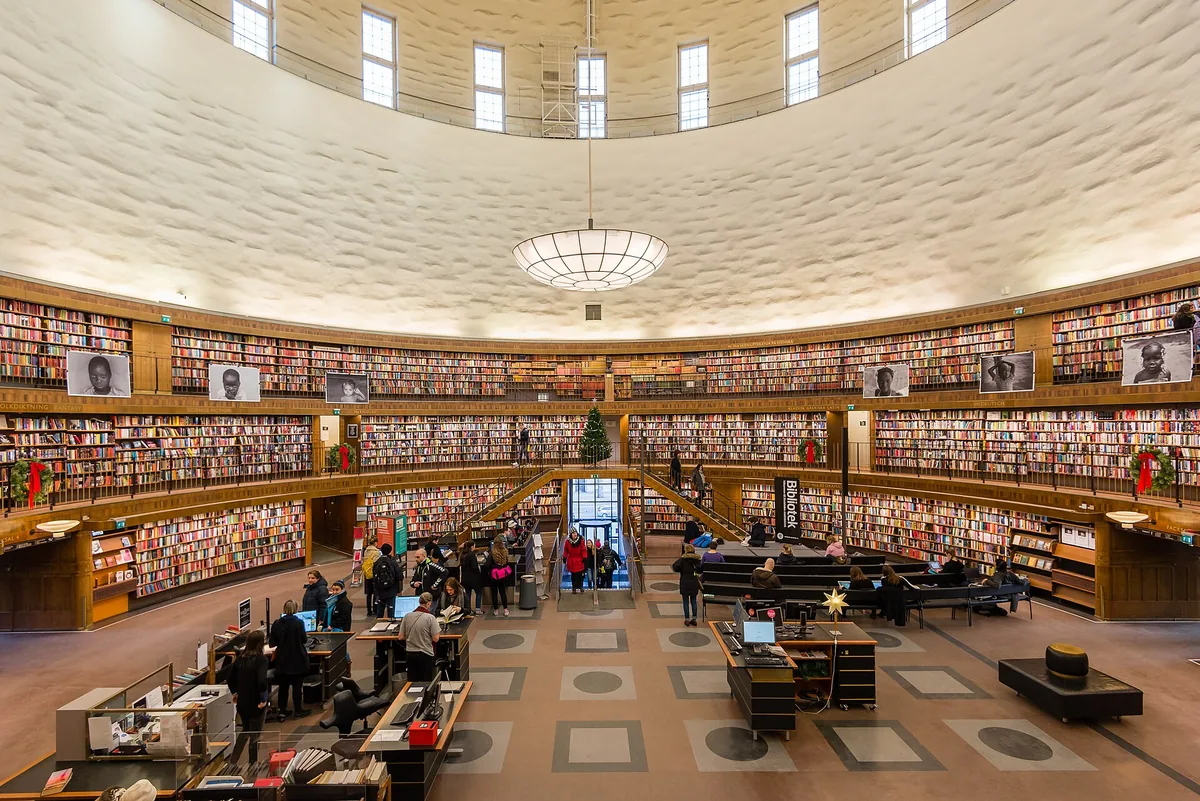
Thirty thousand books wrap around a single circular hall in a building designed to make the act of reading feel like entering a secular cathedral.
About Stockholm Public Library
The library was part of a larger urban project to create a cultural hub in the north of the city. Asplund originally intended the dome to be a grand, traditional half-sphere, but he eventually simplified it to a stark cylinder, a move that signaled the arrival of modernism in Sweden. The interior details were obsessive; Asplund designed everything from the door handles to the specific font used on the signage. Since its opening, the library has remained largely unchanged, resisting several attempts at modernization that would have compromised its original flow. It stands today as the most influential building in modern Swedish architecture, a perfect marriage of form and social function.
What Stockholm Public Library actually is
At the corner of Sveavägen and Odengatan stands a terracotta-orange cylinder that has become a global icon of the 'Swedish Grace' architectural movement. The Stockholm Public Library, designed by Gunnar Asplund and completed in 1928, is a temple to the democratization of knowledge. Its most famous feature is the massive rotunda, a three-story cylinder where tens of thousands of books wrap around the walls in a continuous, multi-colored mix. The room is a masterclass in light and geometry, with narrow windows at the top of the dome casting a soft, celestial glow onto the spines of the literature below. It is a place of profound civic pride, where the act of reading is elevated to a spiritual experience within a structure that feels both ancient and radically modern.
Visiting info
Gunnar Asplund was tasked with creating a library that was public, moving away from the closed-stack systems of the past where librarians fetched books for readers. He wanted a space where people could browse freely, an idea that was revolutionary in early 20th-century Europe. Asplund spent years traveling and studying library designs before settling on the combination of a rectangular base and a central cylinder. The building was a turning point in his career, marking his shift from Neoclassicism to the functionalism that would define his later work. Even the surrounding park and the small shops at the base were designed by Asplund to ensure the library felt integrated into the daily life of the Stockholm citizens.
Entering the library, moving through a narrow , dark staircase that acts as a sensory 'palette cleanser' before you emerge into the soaring expanse of the rotunda. The sudden hush as the acoustics of the dome muffle the city traffic outside. The smell is a comforting mix of old paper, floor wax, and the faint metallic tang of the book carts. Walking along the wooden galleries, The texture of the original lime-plastered walls and notice the custom-designed furniture that Asplund created specifically for this space. The light changes throughout the day; in the morning, it is crisp and white, while the late afternoon sun turns the orange exterior into a glowing beacon and the interior into a golden sanctuary. Most people find themselves staring upward, mesmerized by the sheer volume of books that seem to hold up the ceiling.
The library is centrally located
The library is centrally located in the Vasastan district, easily reachable by the Green Line of the Stockholm Metro (stop at Rådmansgatan or Odenplan). It is a pleasant walk from the city center along the wide Sveavägen boulevard. The library is free to enter and remains a fully functioning public facility, meaning you will share the space with students, researchers, and locals. Photography is permitted, but visitors are expected to maintain the respectful silence of a working study hall.
The Experience
Right from the start, the way the light descends from the high clerestory windows, illuminating the dust motes and the colorful chaos of the book jackets. The rotunda doesn't feel like a room; it feels like a landscape of human thought. Almost all visitors overlook the smaller, rectangular reading rooms on the perimeter, which feature beautiful dark wood and original 1920s lamps. Audibly, the of a single page turning can echo softly through the space, emphasizing the collective focus of the readers. A sense of inclusion, as the design intentionally places all subjects, from high philosophy to DIY manuals, on the same circular plane. The moment you step back out into the orange-tinted park, the city feels louder and more fragmented than the harmonious circle you just left.
Why It Matters
The Stockholm Public Library is the definitive example of Swedish Grace, a brief but beautiful period where Neoclassicism met Modernism. It is a world-renowned landmark for architects and a symbol of the Swedish social democratic ideal that high-quality art and design should be accessible to everyone for free. Its design has influenced countless libraries globally, yet none match its specific atmosphere of intimate grandiosity.
Why Visit
Worth your time because this is arguably the most beautiful interior in Stockholm. It is a place where you can escape the tourist crowds and sit for an hour in a masterpiece of 20th-century design. For those who are an architecture student or just a lover of books, the experience of being surrounded by a literal wall of stories is something that stays with you long after you leave.
✦ Photo Gallery
Best Season
🌤 Late October is ideal; the low autumn sun creates dramatic shadows in the rotunda, and the library provides a warm, orange-hued refuge from the first Swedish chills.
Quick Facts
Best time to visit
Late October is ideal; the low autumn sun creates dramatic shadows in the rotunda, and the library provides a warm, orange-hued refuge from the first Swedish chills.
Getting there
In Stockholm, Sweden; reach Stockholm first, then continue to the site.
What's nearby
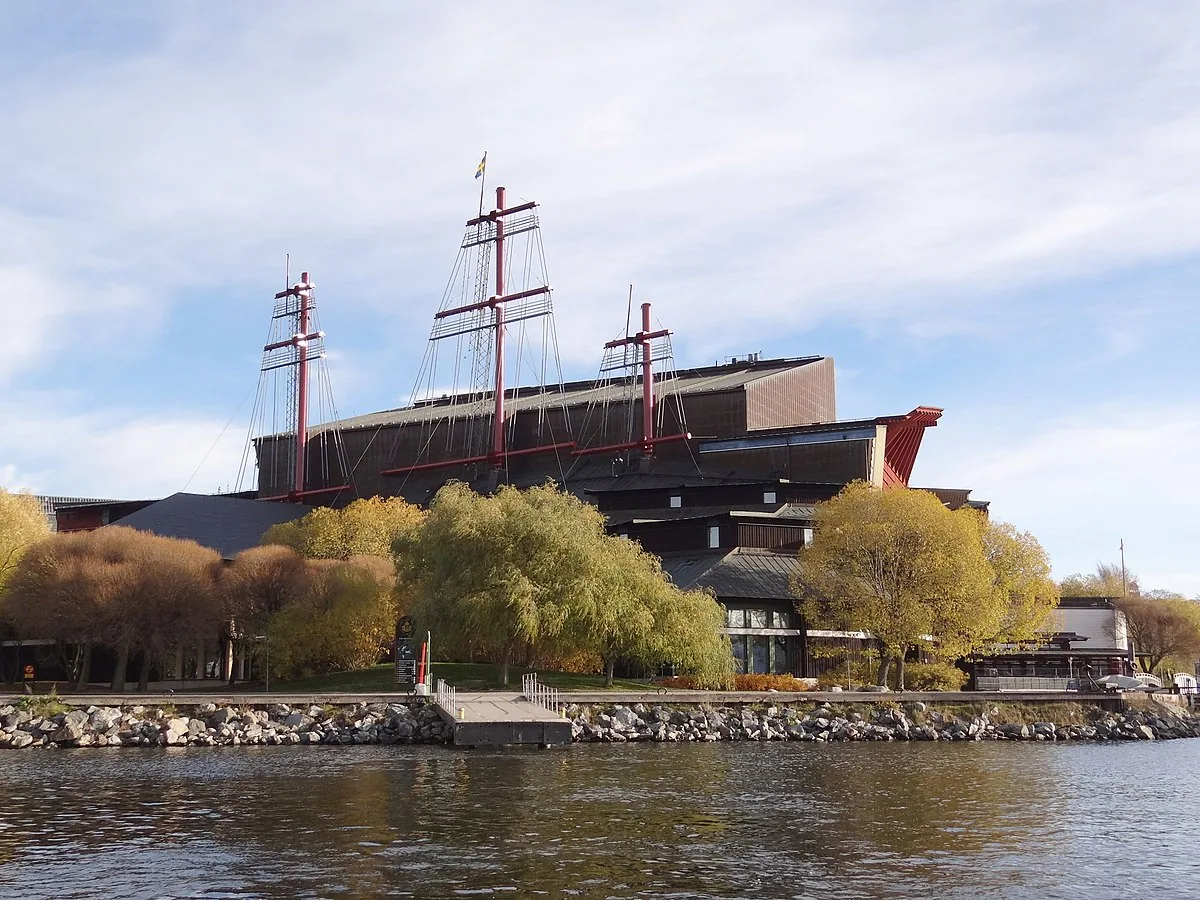
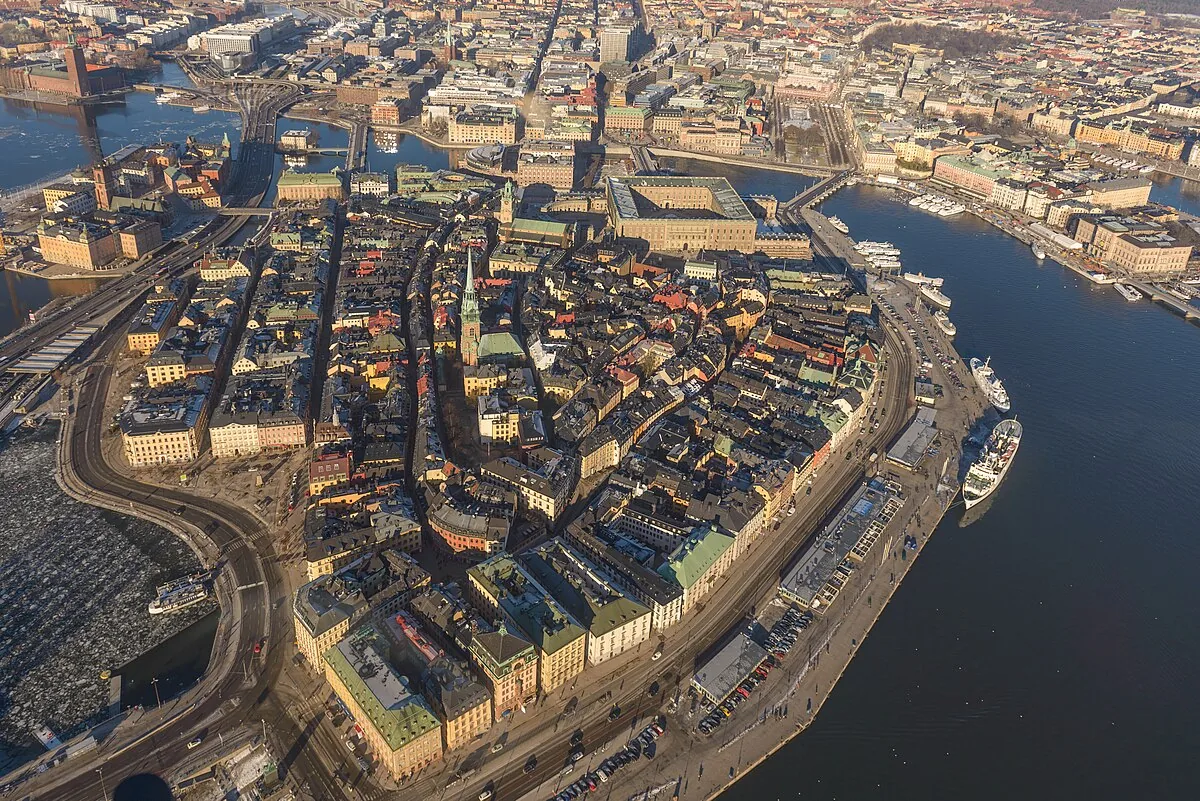
Stockholm City Hall, Gamla Stan and Vasa Museum are also in the area.
Location
Stockholm, Sweden
Type
attraction
Coordinates
59.3434°, 18.0543°
Insider Tips
- 1
The best photo of the rotunda is taken from the second-floor gallery, but please use a silent shutter to respect the readers.
- 2
Look for the 'black' marble floor in the entrance hall; it is actually fossil-rich limestone from the island of Öland.
- 3
Visit the annex building by the park to see how modern architects have attempted to expand on Asplund's original vision.
- 4
Check out the children's section, which features a beautiful mural and custom furniture that scales Asplund's designs down for smaller readers.