The tallest church in Scandinavia was built to be exactly as high as it is long, a mathematical sanctuary where kings and botanists lie in equal silence.
About Uppsala Cathedral
Uppsala Cathedral was built to replace the ancient pagan temple at Gamla Uppsala, signaling the definitive victory of Christianity in Sweden. Its design was heavily influenced by French cathedrals like Notre Dame, using brick, a luxury material at the time, due to the lack of suitable building stone in the region. In 1527, it became a Lutheran cathedral during the Reformation, but it retained much of its Catholic splendor. It has been the burial site of King Gustav Vasa, the founder of modern Sweden, and the 18th-century scientist Carl Linnaeus, bridging the gap between the nation's political and intellectual identities.
The spires of Uppsala Cathedral have defined
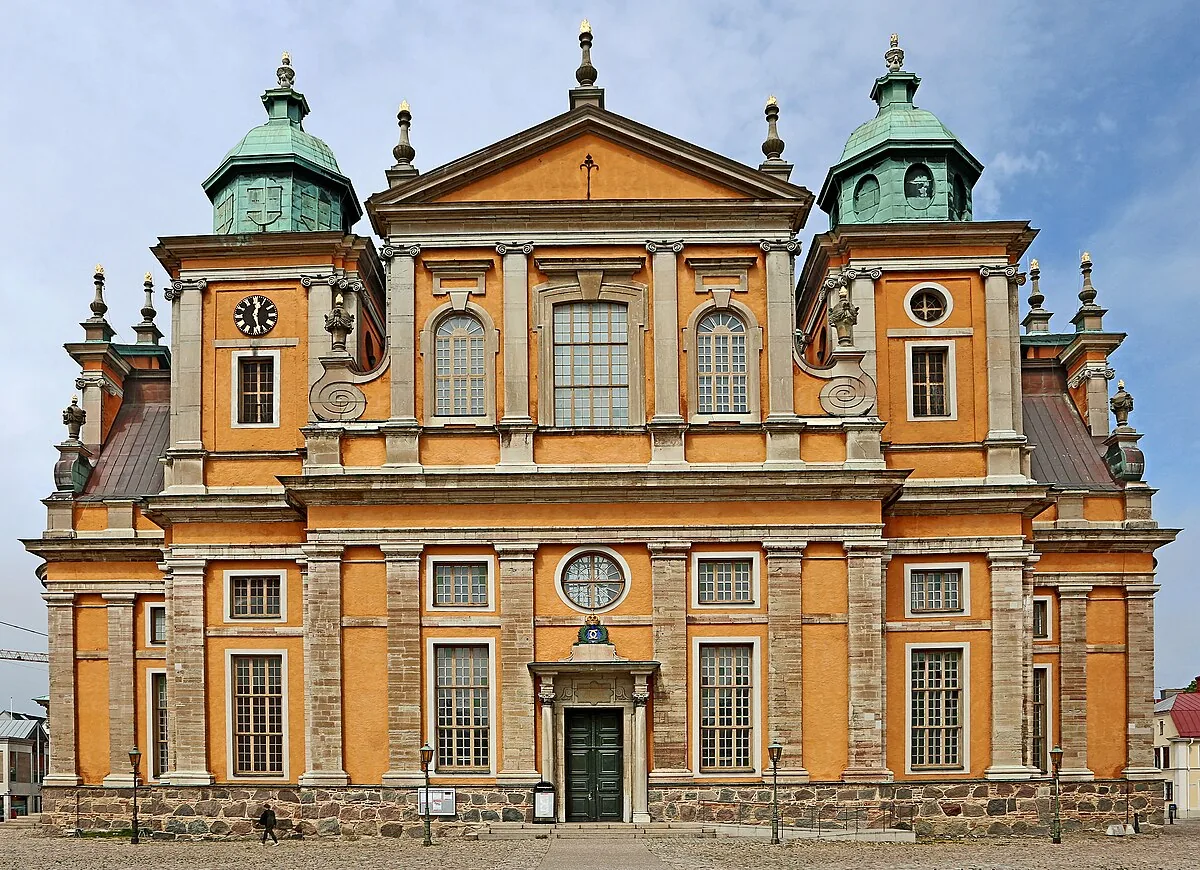
The spires of Uppsala Cathedral have defined the Swedish spiritual horizon for over seven centuries, reaching 118.7 meters into the sky, the exact same length as the building's interior. This French Gothic colossus is the tallest church in Scandinavia, a mountain of red brick and soaring stone that is the final resting place for Swedish kings, scientists, and saints. Entering through the massive western doors, you are met with a dizzying forest of pillars that lead the eye toward a vaulted ceiling that seems to float in a haze of incense and ancient dust. Inside, the space is still and cool, carrying a trace of beeswax and cold iron. The weight of Swedish history is physically manifest, from the gilded shrine of Saint Erik to the humble grave of Carl Linnaeus.
“7 meters into the sky, the exact same length as the building's interior.”
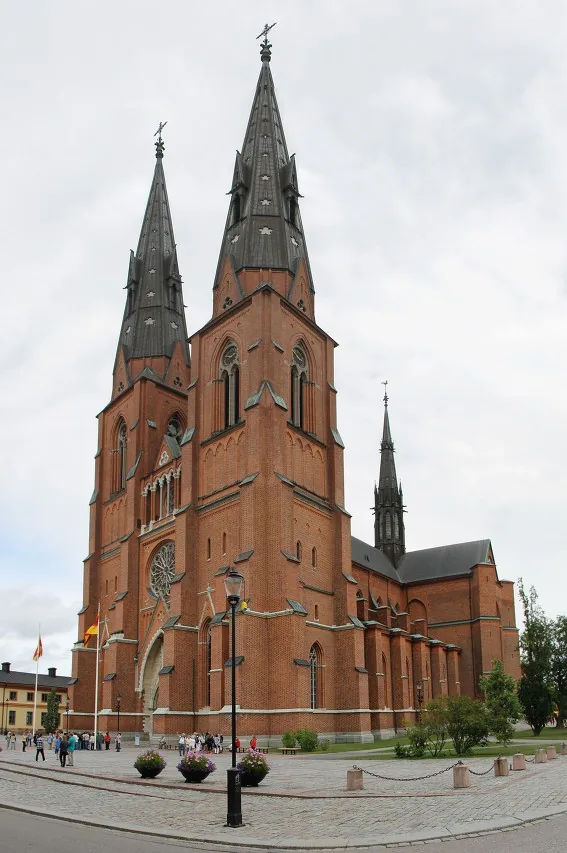
Uppsala Cathedral, Sweden
Construction began in 1272 after the archbishop's seat
Construction began in 1272 after the archbishop's seat was moved from Old Uppsala to its current location. It took over 160 years to complete, surviving the Black Death and numerous architectural shifts. Century after century, this was the coronation church of Swedish monarchs, the place where kings were anointed and where their legacies were entombed. The cathedral suffered a devastating fire in 1702, which stripped away much of its medieval interior and led to a series of controversial restorations. The current neo-Gothic spires, which give the building its iconic silhouette, were added in the late 19th century by Helgo Zettervall, who aimed to 'purify' the cathedral's appearance, often at the expense of its genuine medieval character.
The acoustic of the cathedral is its most
The acoustic of the cathedral is its most moving feature; even a whispered conversation carries across the transept like a ghost. What hits is the way the light filters through the vast stained-glass windows, casting vibrant pools of blue and crimson onto the worn stone floors. Through the side chapels, the transition from the grandiosity of the royal tombs to the quiet, scientific dignity of Linnaeus’s resting place. The Treasury Museum in the north tower is a highlight, housing some of the most spectacular medieval textiles in Europe, including the only surviving dress of a medieval queen. The standout is the contrast between the cold, somber stone of the walls and the warm, flickering light from the thousands of prayer candles that visitors light throughout the day.
Uppsala is a mere 40-minute train
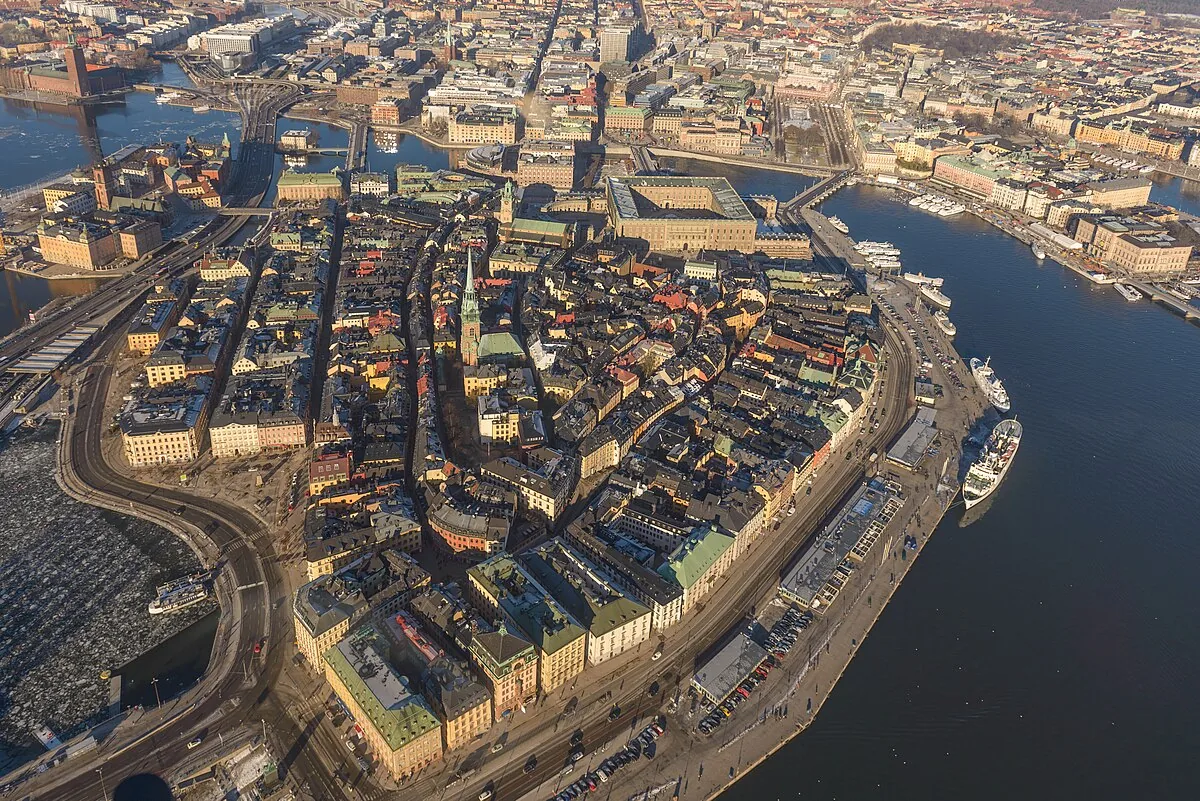
Uppsala is a mere 40-minute train ride from Stockholm Central Station, making it one of the easiest and most rewarding day trips from the capital. The cathedral is a ten-minute walk from Uppsala Station, located at the core of the historic university district. It sits on a slight rise overlooking the Fyris River, surrounded by the Gustavianum museum and the old university library. The area is best explored on foot, as the surrounding streets are filled with historic university buildings and charming cafes that have served students for centuries.
“Uppsala is a mere 40-minute train ride from Stockholm Central Station, making it one of the easiest and most rewarding day trips from the capital.”
The Experience
First up is the 'silver chamber' where the bones of Saint Erik rest in a gilded casket, the patron saint of Sweden whose legend still brings pilgrims to these aisles. The space feels both intimate and overwhelming; you can find a quiet corner for reflection just steps away from a royal monument. People generally miss the modern art installations hidden in the side aisles, which provide a sharp, contemporary dialogue with the ancient surroundings. In your ears of the great organ during a midday rehearsal is a physical sensation that vibrates through the soles of your shoes. The light at sunset turns the red brick exterior into a deep, glowing ruby that can be seen from miles away.
Why It Matters
Uppsala Cathedral is the spiritual heart of Sweden and the seat of the Archbishop of the Church of Sweden. It is a living record of the nation’s transition from a medieval kingdom to a modern European state. Its Treasury contains the most important collection of medieval church textiles in the world, making it a site of immense importance for both religious and art history.
Why Visit
The sheer, unadulterated scale of the Gothic ambition. While Stockholm's churches are beautiful, Uppsala's Cathedral is the only one that feels like a European superpower in stone. It is a place where you can touch the graves of the people who literally mapped the modern world, from monarchs to the father of taxonomy.
Insider Tips
- 1
The Treasury Museum in the tower requires a separate ticket but is home to the world-famous 'Golden Dress' of Queen Margaret.
- 2
Look for the grave of Emanuel Swedenborg, the scientist turned mystic whose ideas influenced everyone from Blake to Yeats.
- 3
The cathedral is a functioning church; avoid visiting during Sunday morning services unless you wish to attend.
- 4
Take the narrow stairs to the balcony for a perspective on the vaulting that you simply cannot get from the ground.