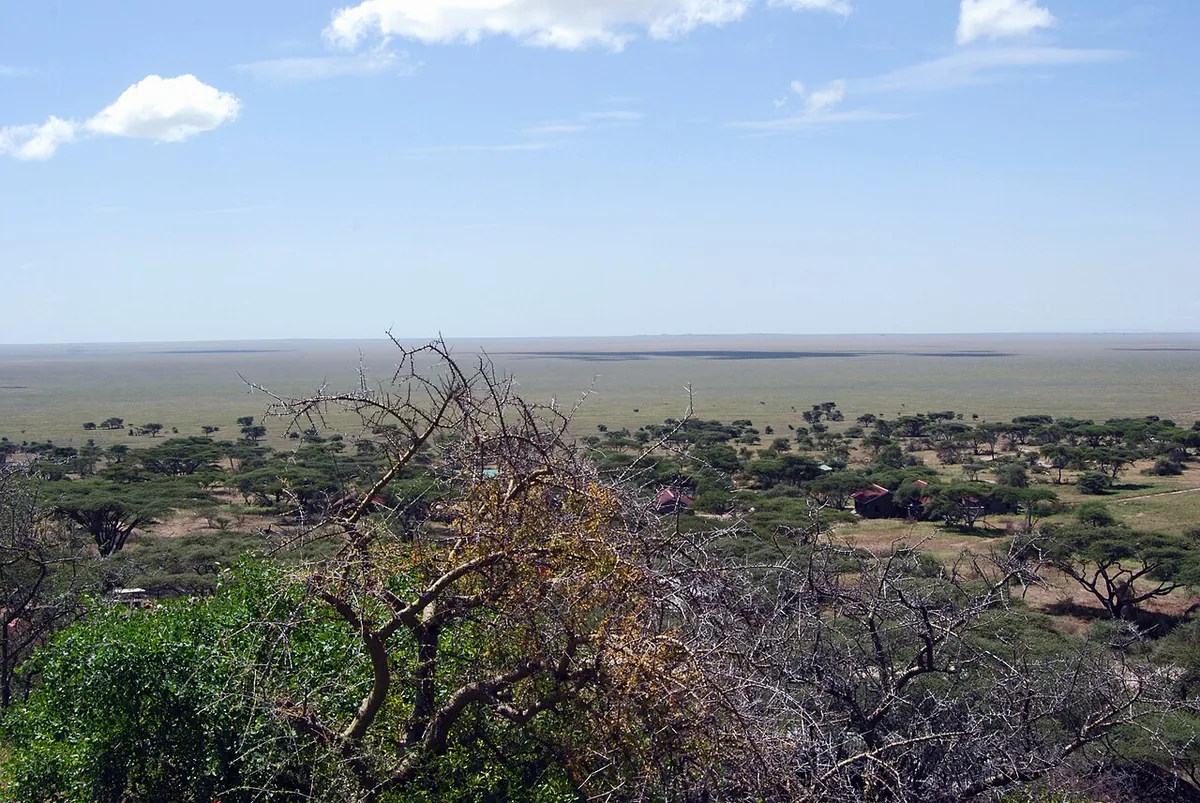
“The medieval traveller Ibn Battuta called Kilwa one of the most beautiful cities he ever saw, grown rich controlling the gold trade from the mines of Zimbabwe.”
About Great Mosque of Kilwa
Kilwa Kisiwani flourished from around the 11th century as the dominant Swahili city-state, its sultans minting their own coins and taxing the gold trade from Sofala. The Great Mosque was built and enlarged across these centuries, becoming one of the grandest in the region. Portuguese conquest in the early 1500s broke Kilwa's power, and the city declined into the romantic ruins seen today.
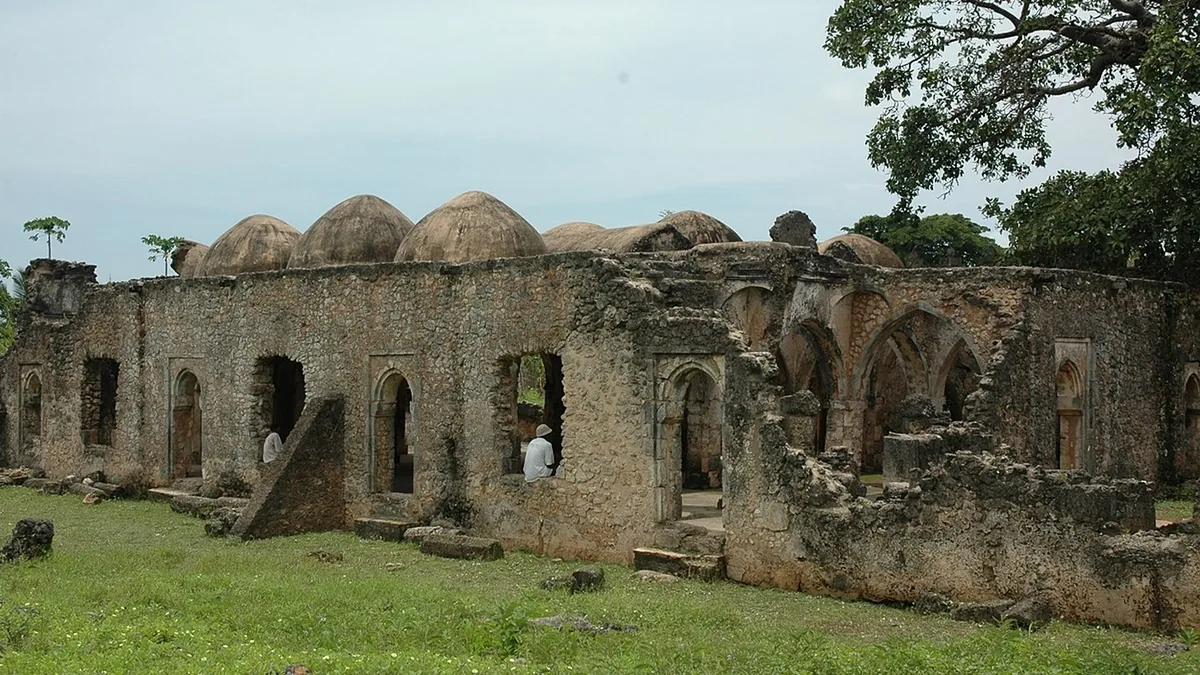
The Great Mosque of Kilwa stands among the ruins of Kilwa Kisiwani, an island off the southern Tanzanian coast that was once the richest city on the East African seaboard. Built and expanded between the 11th and 14th centuries, it was one of the largest mosques in sub-Saharan Africa, its prayer hall roofed with domes and vaults of coral stone, and it forms part of a UNESCO World Heritage Site.
The Great Mosque of Kilwa stands among the ruins of Kilwa Kisiwani, an island off the southern Tanzanian coast that was once the richest city on the East African seaboard.
The City That Controlled the Gold
Medieval Kilwa grew fabulously wealthy by controlling the trade in gold that flowed up the coast from the mines of the Zimbabwe plateau through the port of Sofala. The 14th-century traveller Ibn Battuta visited and praised Kilwa as one of the most beautiful and well-built towns he had seen. The Great Mosque, with its forest of columns and domed roofs, was the spiritual centre of this Indian Ocean trading power before the Portuguese arrival shattered its prosperity.
The Experience
At the island by boat from Kilwa Masoko, then walk among the roofless and domed remains of the mosque, the columned prayer hall and the surrounding ruins of palaces and houses. The scale and craftsmanship, all in coral stone, make clear how wealthy and sophisticated Kilwa once was. The quiet, remote setting adds to the sense of a great city lost to time.
Why It Matters
Kilwa is one of the most important medieval sites in sub-Saharan Africa, evidence of a homegrown Swahili civilisation that grew rich and cultured through Indian Ocean trade long before European colonisation. The Great Mosque is the centrepiece of a UNESCO World Heritage Site that rewrites lazy assumptions about Africa's past.
The Great Mosque is the centrepiece of a UNESCO World Heritage Site that rewrites lazy assumptions about Africa's past.
Why Visit
The centrepiece of Kilwa Kisiwani, a UNESCO ruin of one of medieval Africa's richest cities, where a great coral-stone mosque recalls a lost trading empire.
✦ Insider Tips
- 1
Reach the island by boat from Kilwa Masoko on the mainland.
- 2
A permit and often a local guide are needed to visit the ruins.
- 3
Combine the mosque with the Husuni Kubwa palace ruins on the same island.
- 4
The southern coast is remote; plan travel time accordingly.