“This Zanzibar palace was named the House of Wonders because it was the first building in East Africa with electric light and an electric elevator.”
About House of Wonders (Beit-al-Ajaib)
Sultan Barghash bin Said built the palace in 1883 as a ceremonial reception hall and symbol of his power. It survived the brief Anglo-Zanzibar War of 1896, the shortest war in history, when British ships shelled the neighbouring palace. Over the 20th century it served as a museum, but years of neglect led to a partial collapse in 2020, prompting an ongoing restoration.
The short version
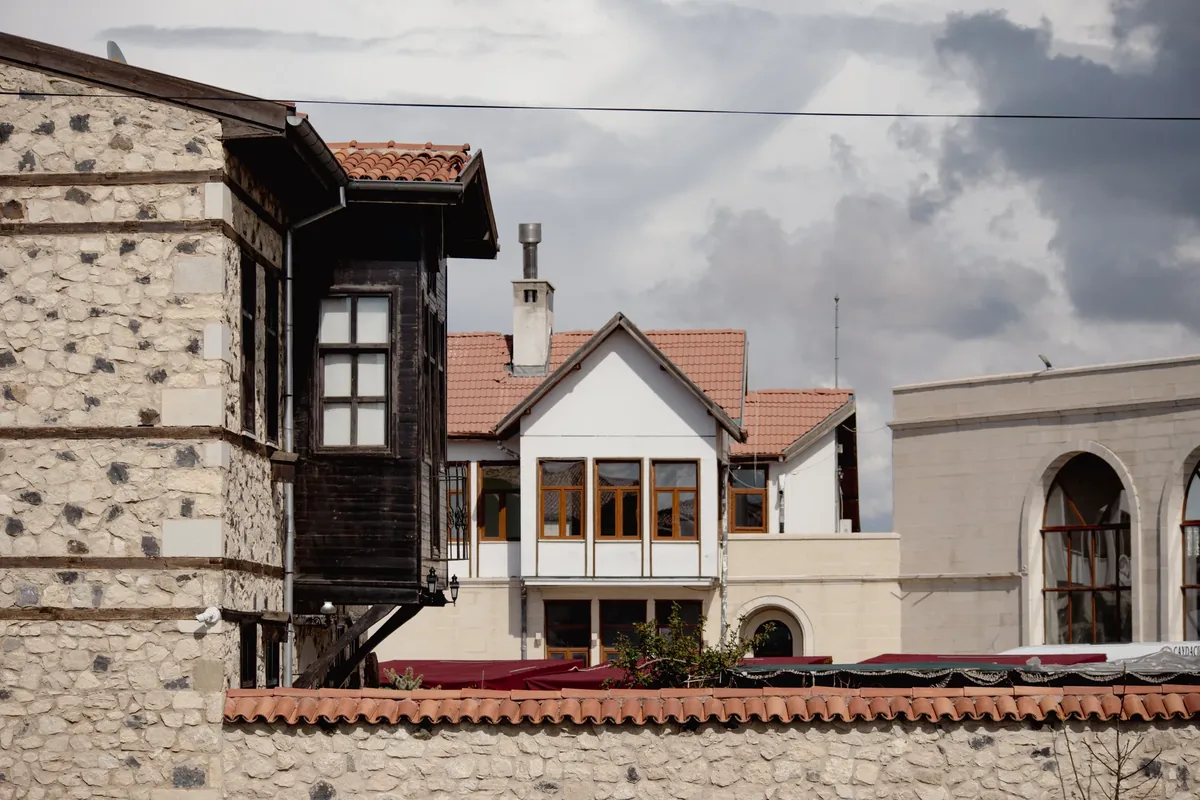
The House of Wonders, or Beit-al-Ajaib, is the grandest building on the Stone Town waterfront in Zanzibar, a tall, square palace ringed by tiers of slender pillars and wide verandahs. Built by a sultan in the 1880s, it was for decades the largest and most modern building on the island, and it now functions as a battered symbol of Zanzibar's golden age.
The House of Wonders, or Beit-al-Ajaib, is the grandest building on the Stone Town waterfront in Zanzibar, a tall, square palace ringed by tiers of slender pillars and wide verandahs.
The First Wonders
It earned its name by being the first building in Zanzibar, and reputedly in East Africa, to have electric light, and the first in the region to have an electric elevator. To islanders in the 1880s, light at the flick of a switch and a lift that carried people between floors were genuine wonders. The palace later housed a museum of Swahili and Zanzibari culture, before a section of it collapsed in 2020, and restoration work has followed.
The Experience
You take in the towering facade from the seafront, its rows of carved pillars and the great clock tower above, with a Portuguese-era bronze cannon at the entrance. Even mid-restoration, the scale and the breeze through its verandahs convey the wealth of the old sultanate. It anchors the Stone Town waterfront alongside the Old Fort and the former sultan's palace.
Why It Matters
The House of Wonders embodies the height of Zanzibar's 19th-century prosperity, built on the trade in spices, ivory and, darkly, enslaved people. As the first electrified building in the region, it marks the moment modern technology reached the East African coast, and its decline mirrors the island's changing fortunes.
The House of Wonders embodies the height of Zanzibar's 19th-century prosperity, built on the trade in spices, ivory and, darkly, enslaved people.
Why Visit
The most iconic building on the Stone Town waterfront and a vivid symbol of Zanzibar's sultanate-era wealth and early modernity, even as restoration continues.
✦ Insider Tips
- 1
Check whether the interior is open, as restoration after the 2020 collapse is ongoing.
- 2
Note the old bronze cannons at the entrance from the Portuguese era.
- 3
Explore the surrounding Stone Town lanes on foot; the area is compact.