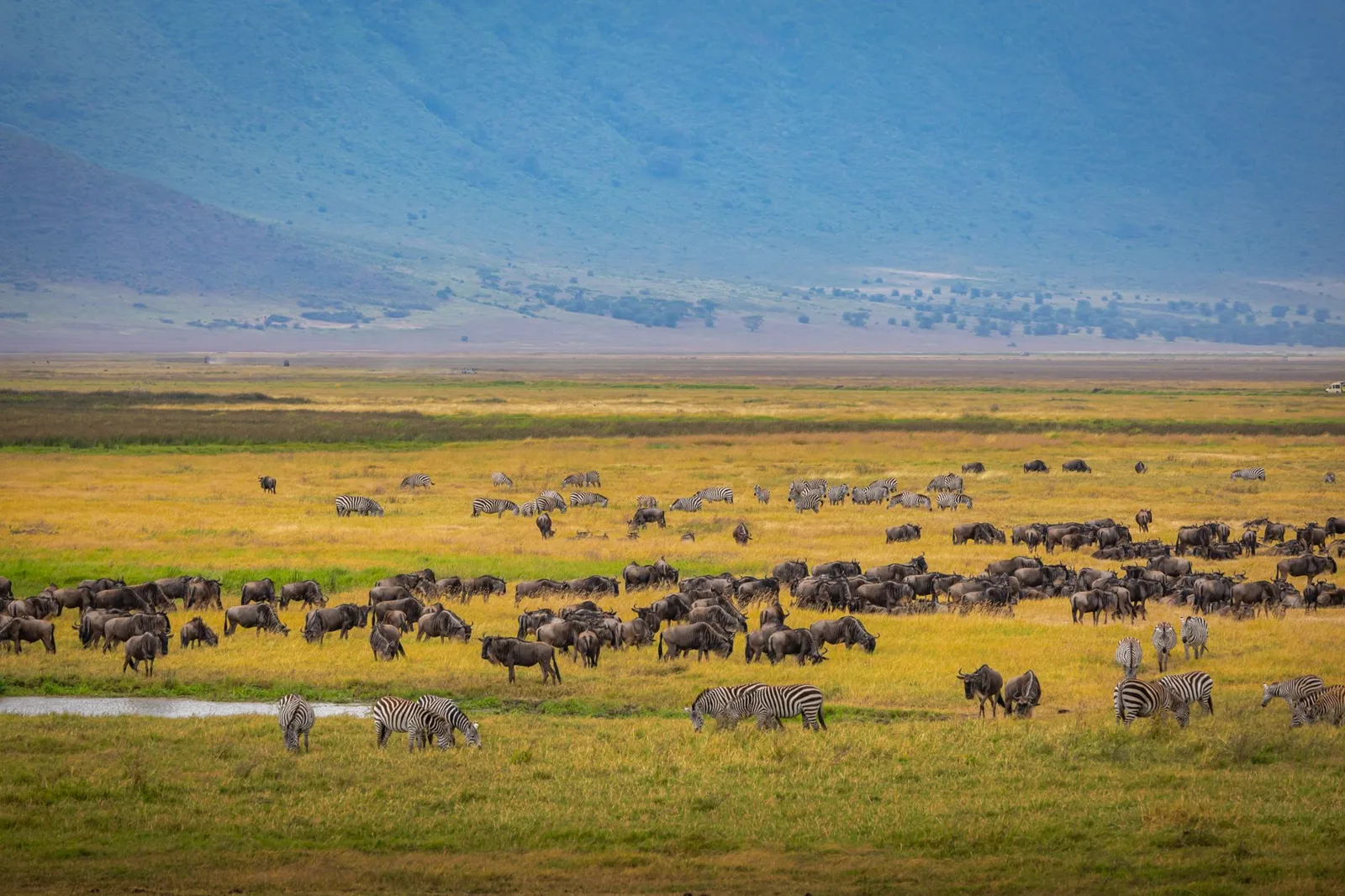
“The Serengeti stages the Great Migration, when some two million wildebeest, zebra and gazelle move across the plains in a year-round loop, hunted by lions and river crocodiles.”
About Serengeti
The Serengeti's plains have supported vast herds and the Maasai who grazed cattle alongside them for millennia. Set aside as a national park in the early 1950s, it became globally famous through pioneering wildlife research and films, including the work that helped establish modern conservation in East Africa. A UNESCO World Heritage Site, the Serengeti forms the heart of a transboundary ecosystem linked to Kenya's Maasai Mara. Managing tourism, poaching and the needs of surrounding communities while protecting the migration corridor remains an ongoing challenge.
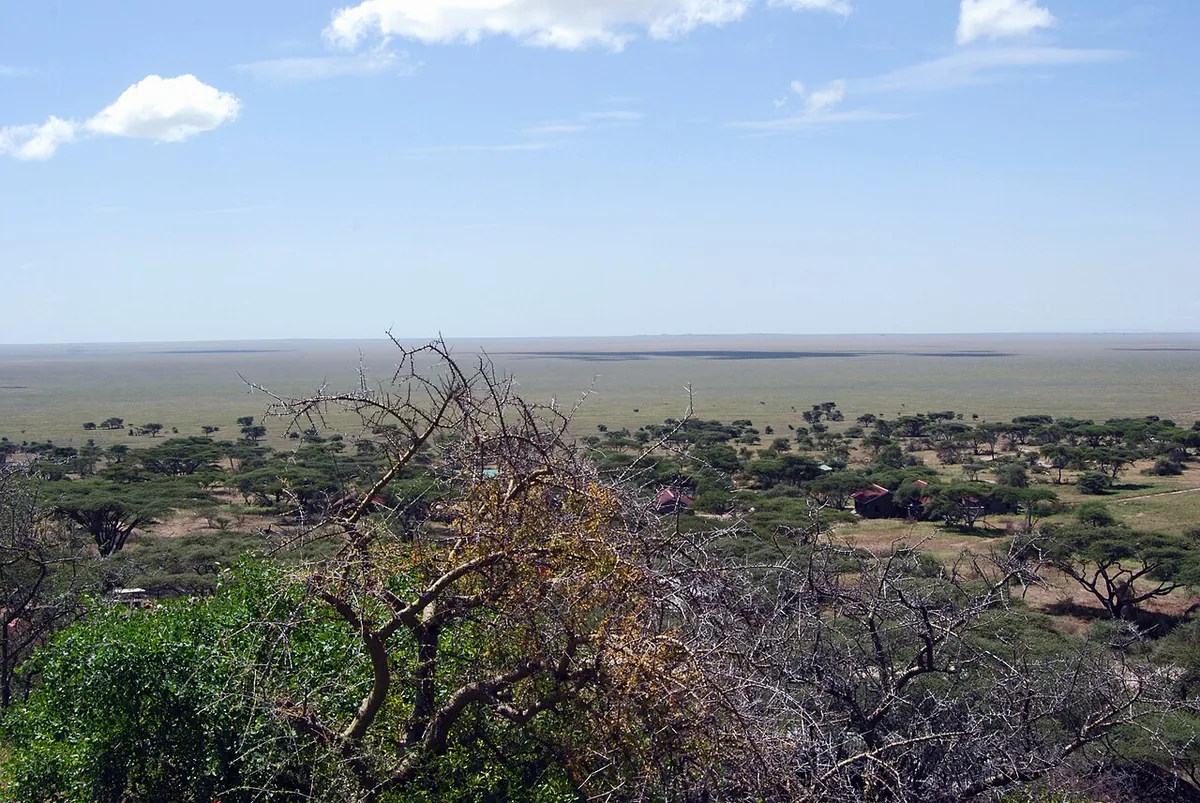
What Serengeti National Park actually is
The Serengeti is the vast plain of northern Tanzania whose name, from the Maasai word siringet, means 'endless plain', and it is the stage for the greatest wildlife spectacle on Earth: the Great Migration. Around two million wildebeest, zebra and gazelle move in a continuous loop across the ecosystem in search of fresh grazing, pursued by lions, hyenas and crocodiles.
Around two million wildebeest, zebra and gazelle move in a continuous loop across the ecosystem in search of fresh grazing, pursued by lions, hyenas and crocodiles.
The Great Migration
The migration is not an event but a year-round circuit. Herds calve on the southern short-grass plains early in the year, then surge north and west, facing dramatic river crossings where crocodiles wait, before circling back. Timing a safari to the herds' position is the art of a Serengeti visit.
Predators and Plains
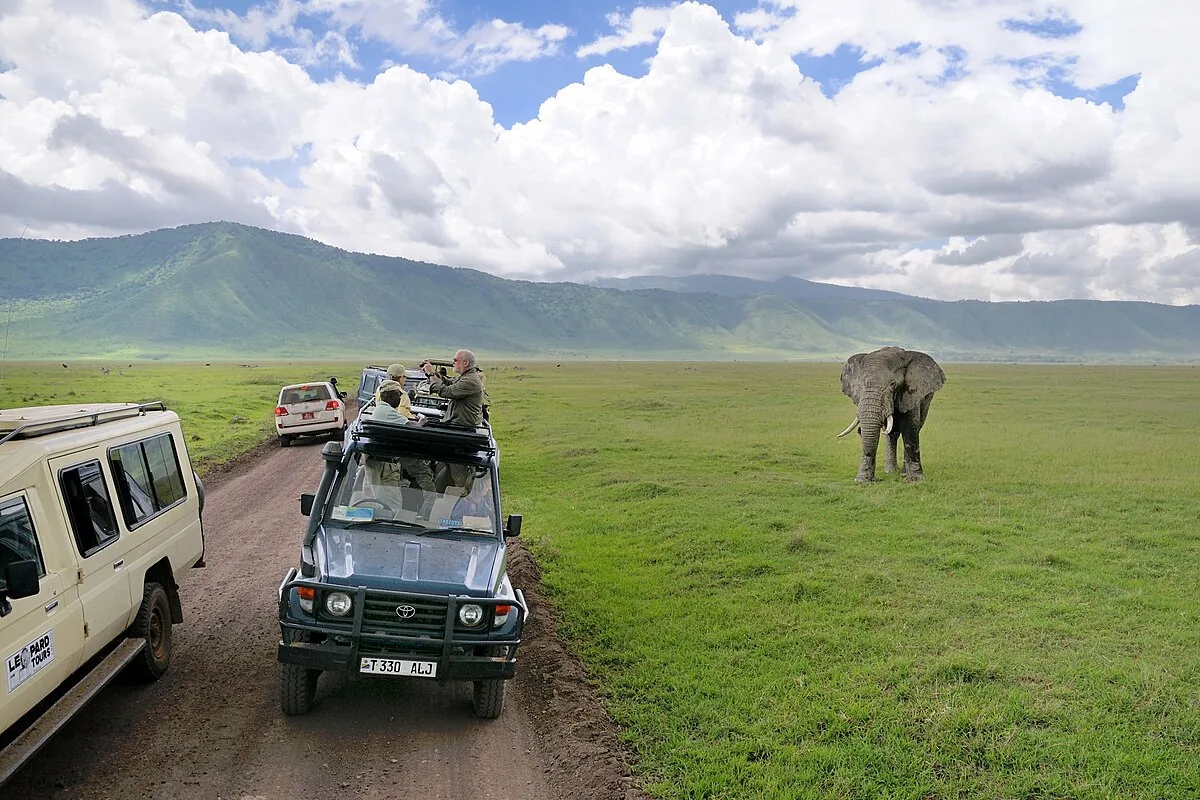
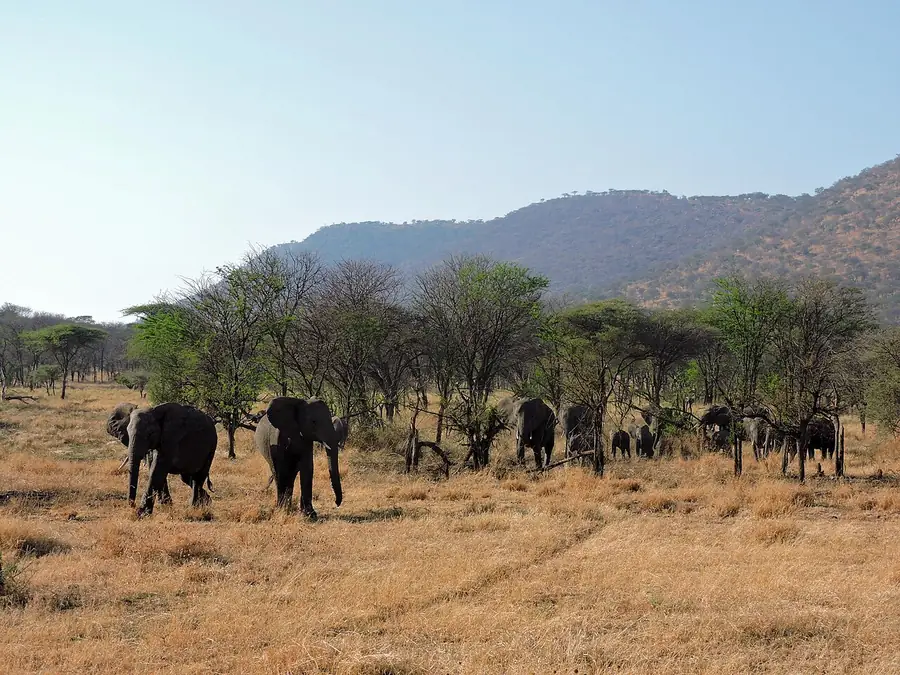
Beyond the migration, the Serengeti holds some of the densest predator populations in Africa, with lions, cheetahs and leopards, alongside elephants, giraffes and a huge cast of plains game, against a backdrop of golden grassland and rocky outcrops called kopjes.
A Protected Ecosystem
The park, a UNESCO World Heritage Site, anchors a wider ecosystem that crosses into Kenya's Maasai Mara, through which the migration freely moves.
The Experience
Game drives across the Serengeti deliver Africa at its most cinematic: herds stretching to the horizon, lions on a kopje, a cheetah scanning the grass, and, in season, the heart-stopping drama of a wildebeest river crossing. Dawn and dusk drives catch the best light and the most active predators. Some visitors add a hot-air balloon flight at sunrise, drifting silently over the plains and the herds. The sense of scale, of an ecosystem working as it has for ages, is what stays with people.
Why It Matters
The Serengeti is one of the most important wildlife reserves on Earth and a UNESCO World Heritage Site, renowned above all for the Great Migration and for some of the densest concentrations of large predators and plains game anywhere in Africa.
Why Visit
It offers the planet's greatest wildlife spectacle and classic African safari at its grandest. Time your trip to where the migration herds will be, take dawn and dusk drives for predators, and consider a balloon flight over the plains.
✦ Insider Tips
- 1
Plan around the migration: southern calving December to March, northern crossings July to October.
- 2
Take early-morning and late-afternoon game drives for the best light and predator activity.
- 3
Consider a sunrise hot-air balloon flight for a different perspective over the herds.
- 4
Choose your camp's location for the season, as the herds move across the ecosystem.