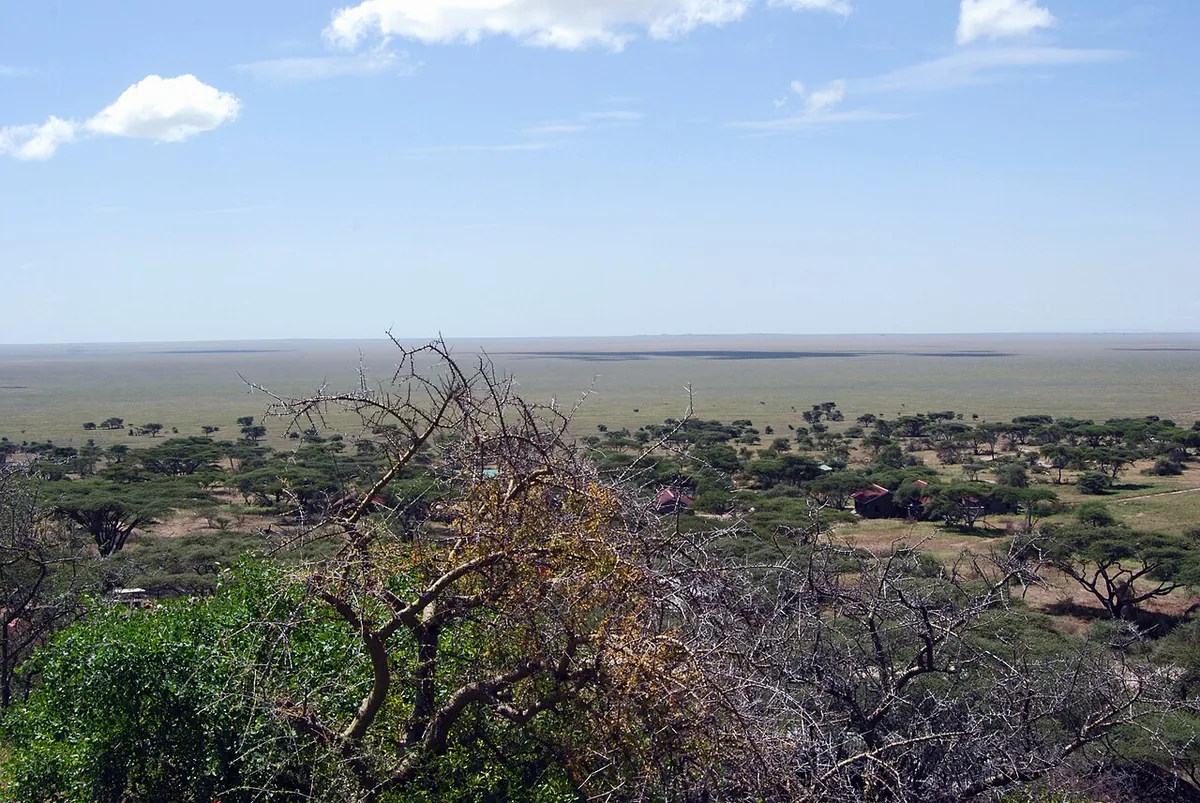
“Early humans left thousands of stone hand axes in this dry gully tens of thousands of years ago, beside the bones of extinct giant giraffes.”
About Isimila Stone Age Site
Isimila was excavated in the 1950s, revealing one of the richest concentrations of Acheulean stone tools in East Africa, made by early human ancestors. The deposits also held the fossils of now-extinct megafauna. The site lies in a region long inhabited, and its tools and bones together opened a window onto how early humans lived and hunted in the southern highlands.
What Isimila Stone Age Site actually is
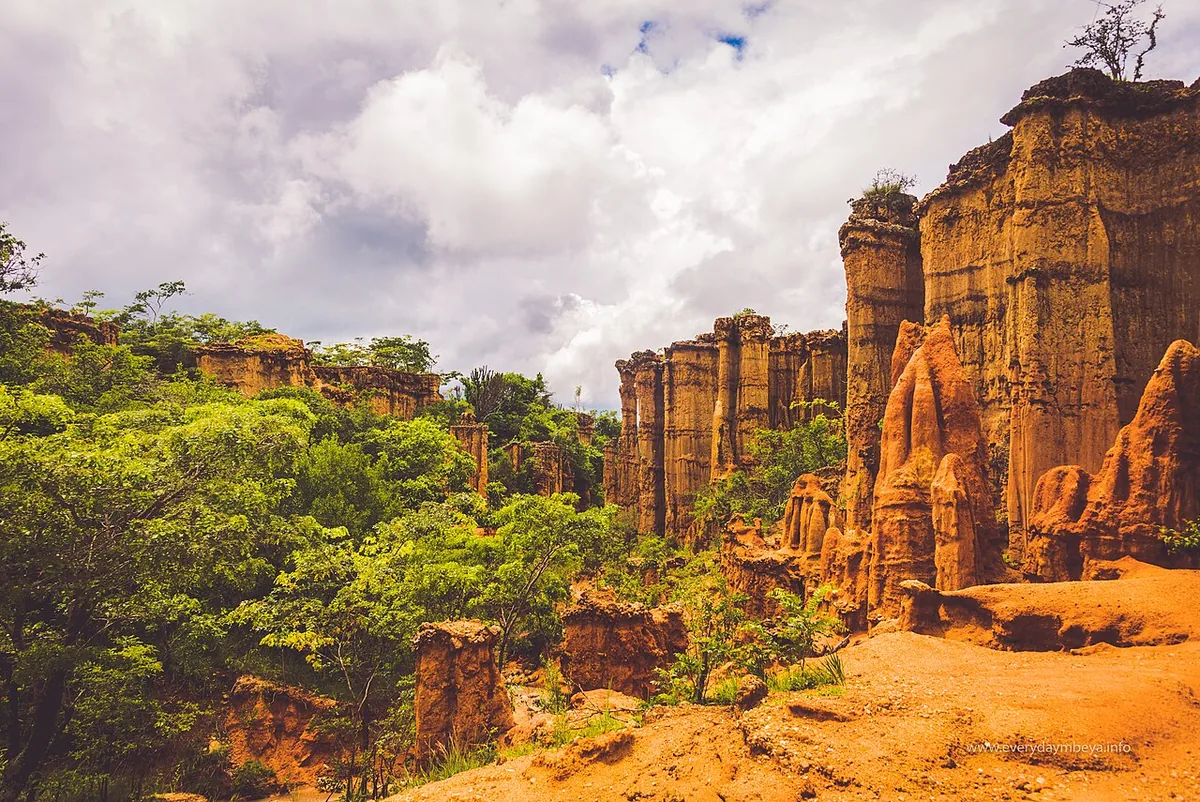
The Isimila Stone Age Site near Iringa, in Tanzania's southern highlands, is one of the most important Stone Age sites in Africa, a dry riverbed where ancient tools lie alongside dramatic eroded sandstone pillars. Excavations here uncovered thousands of stone hand axes and other implements made by early humans, preserved in deposits laid down over tens of thousands of years.
Excavations here uncovered thousands of stone hand axes and other implements made by early humans, preserved in deposits laid down over tens of thousands of years.
Tools and Stone Towers
The tools at Isimila are Acheulean hand axes and cleavers, the work of early humans, with the deposits dated to somewhere in the range of tens of thousands to a few hundred thousand years old. Found alongside them were the bones of extinct animals, including a giant short-necked giraffe and a hippo species. The same erosion that exposed the artifacts also carved a small canyon of towering sandstone pillars, giving the site a striking, almost sculptural landscape.
The Experience
The walk follows the dry korongo, or gully, where stone tools still lie scattered, then wander among the eroded sandstone pillars that rise like a small forest of towers from the canyon floor. A modest site presence explains the finds. The combination of genuine ancient artifacts underfoot and the strange natural sculptures overhead makes Isimila both an archaeological and a scenic stop.
Why It Matters
Isimila is a key site for understanding the deep prehistory of East Africa, the toolmaking cradle of humankind, complementing the more famous Olduvai Gorge. It offers a tangible connection to early human life and a reminder that the southern highlands, not just the Rift Valley, hold important evidence of our origins.
Isimila is a key site for understanding the deep prehistory of East Africa, the toolmaking cradle of humankind, complementing the more famous Olduvai Gorge.
Why Visit
One of Africa's richest Stone Age tool sites set among dramatic eroded sandstone pillars, an easy and rewarding trip from Iringa in the southern highlands.
✦ Insider Tips
- 1
Walk the dry gully where Stone Age tools were found.
- 2
See the eroded sandstone pillars that the same erosion carved.
- 3
It is an easy half-day trip from Iringa.
- 4
A local guide adds context to the finds.