“This lost Swahili town was swallowed by the jungle, its coral walls now split apart and held together by the roots of giant strangler figs.”
About Juani Island Ruins
Kua thrived as a coral-stone Swahili town in the Mafia archipelago for centuries before being abandoned, with tradition pointing to a destructive raid in the early 1800s. Once deserted, the tropical forest moved in, and strangler figs grew through the buildings. The ruins survive as one of the more atmospheric and least-visited historic sites on the Tanzanian coast.
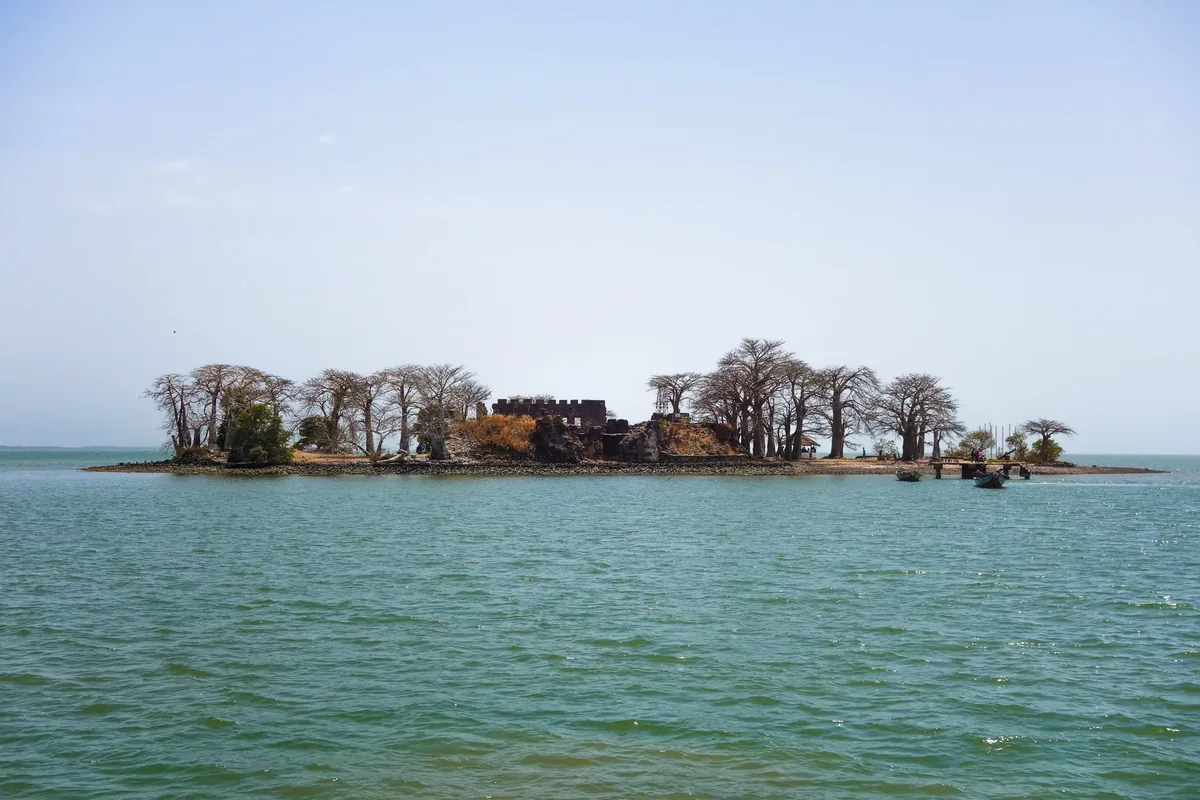
On Juani Island in the Mafia archipelago lie the overgrown ruins of Kua, a Swahili town that flourished for centuries before being abandoned. Coral-stone walls of mosques, houses and tombs stand among the trees, many of them gripped and split by the roots of huge strangler figs that have slowly reclaimed the once-thriving settlement.
On Juani Island in the Mafia archipelago lie the overgrown ruins of Kua, a Swahili town that flourished for centuries before being abandoned.
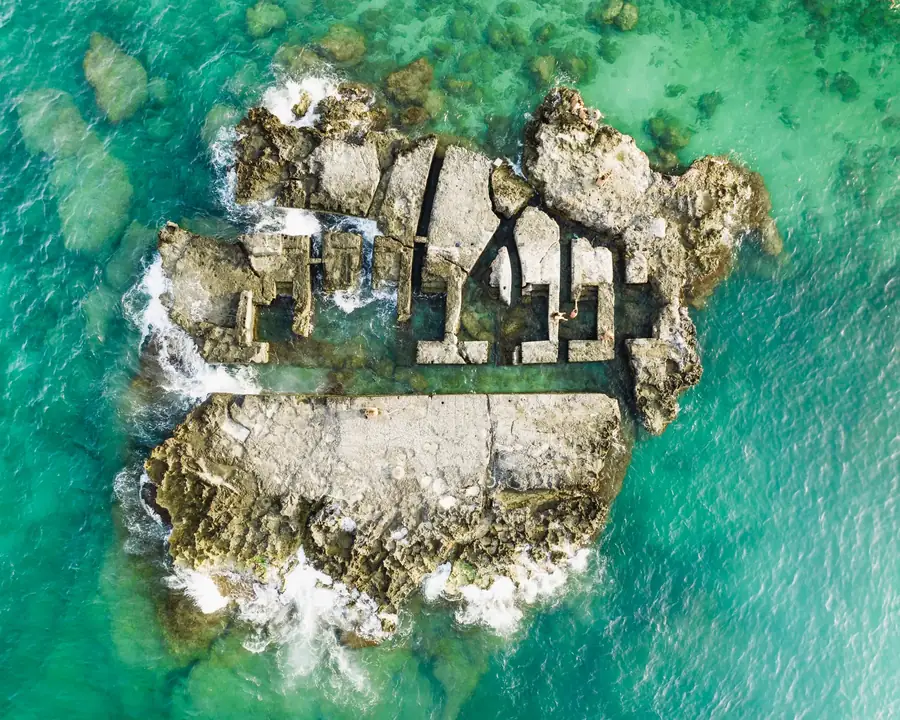
Swallowed by the Forest
Kua was a substantial Shirazi-era Swahili town, inhabited from around the medieval period until its abandonment, traditionally attributed to a raid in the early 19th century. Left empty, the town was gradually overtaken by tropical forest, and today its coral walls are entangled with ancient fig roots, giving the ruins a haunting, lost-city atmosphere. Nearby, hidden tidal pools and turtle-nesting beaches add to the island's appeal.
The Experience
You reach Juani by boat through the Mafia marine park, then walk among roofless mosques, houses and tombs being slowly torn apart and embraced by enormous fig roots. The sense of a town reclaimed by nature is powerful and eerie. The trip is often combined with snorkelling, exploring tidal pools, or watching sea turtles that nest on the island's beaches.
Why It Matters
The Juani ruins are a vivid reminder of the rise and fall of the Swahili coast's trading towns, and of how quickly the tropical forest can erase human settlement. Set within the Mafia marine environment, they link the region's rich human history to its outstanding natural and marine heritage.
The Juani ruins are a vivid reminder of the rise and fall of the Swahili coast's trading towns, and of how quickly the tropical forest can erase human settlement.
Why Visit
An atmospheric lost Swahili town being reclaimed by giant fig roots, combined with the marine wildlife and turtle beaches of the Mafia archipelago.
✦ Insider Tips
- 1
Reach Juani by boat through the Mafia Island Marine Park.
- 2
See the coral walls split and held by strangler fig roots.
- 3
Combine it with snorkelling and the island's tidal pools.
- 4
Sea turtles nest on the island; respect any protected areas.