“This ancient lake is so vast and deep it holds nearly a fifth of the world's available fresh surface water, and is full of fish found nowhere else on Earth.”
About Lake Tanganyika
Lake Tanganyika formed in the East African Rift around 10 million years ago, and its isolation and age allowed life to diversify dramatically, producing hundreds of endemic cichlid species. Historically its shores were on the caravan and slave-trade routes, with Ujiji a major port, and it remains a vital fishery and transport artery for the four countries that share it.
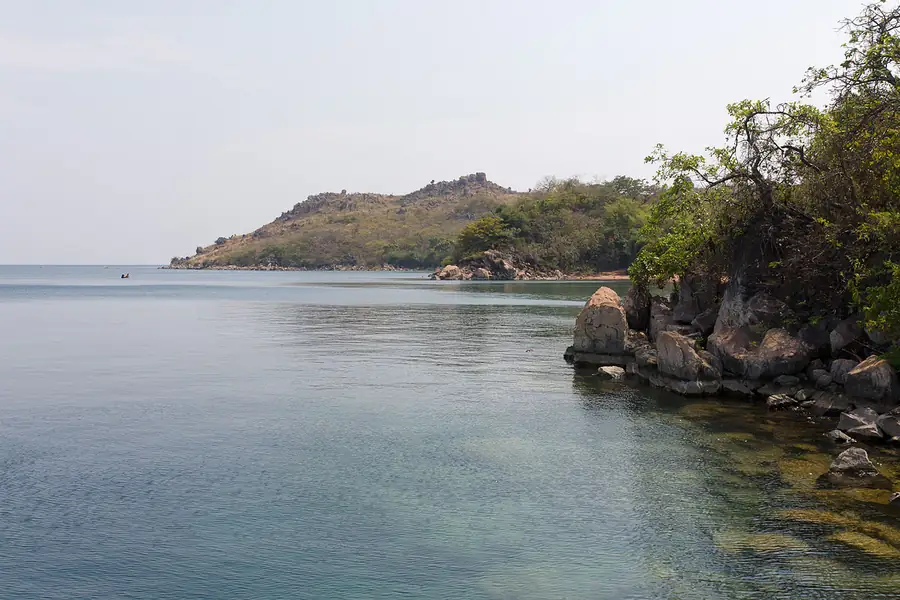
Lake Tanganyika stretches down the western edge of Tanzania, a vast inland sea shared with the Democratic Republic of Congo, Burundi and Zambia. It is the longest freshwater lake in the world and the second deepest and second oldest, a body of water so large and ancient that it holds a significant share of the planet's accessible fresh water and a wealth of unique life.
Lake Tanganyika stretches down the western edge of Tanzania, a vast inland sea shared with the Democratic Republic of Congo, Burundi and Zambia.
An Ancient Inland Sea
Tanganyika is around 10 million years old and plunges to nearly 1,500 metres, making it the second deepest lake on Earth after Baikal. Its great age and depth have produced an extraordinary number of endemic species found nowhere else, especially its colourful cichlid fish, which are studied worldwide as a textbook case of rapid evolution. The lake holds an estimated 17 percent of the world's available fresh surface water.
The Experience
You experience the lake from towns like Kigoma, where you can swim in clear, bilharzia-low water, snorkel or dive among the famous cichlids, take boat trips, or use the lake to reach Gombe's chimps. Sunsets over the water toward Congo are spectacular. The MV Liemba, a century-old ferry with a remarkable history, still plies the lake.
Why It Matters
Lake Tanganyika is a global natural treasure, one of the world's great lakes by every measure of size, depth, age and biodiversity, and a critical freshwater resource for central Africa. Its endemic fish make it a living laboratory of evolution, and its shores carry deep histories of trade and exploration.
Lake Tanganyika is a global natural treasure, one of the world's great lakes by every measure of size, depth, age and biodiversity, and a critical freshwater resource for central Africa.
Why Visit
One of the world's greatest lakes, with clear swimming, world-famous cichlid fish, historic ports and access to Gombe's chimpanzees on the western edge of Tanzania.
✦ Insider Tips
- 1
Base yourself around Kigoma to explore the lake.
- 2
Snorkel or dive to see the endemic cichlid fish.
- 3
Use the lake to reach Gombe Stream's chimpanzees.
- 4
Catch the sunset over the water toward the Congo shore.