“This evolution museum sits inside a German colonial fort, in the country whose Rift Valley produced some of the oldest human fossils and footprints ever found.”
About Museum of Natural History
The building began as a German military Boma around 1900, during the colonial period of German East Africa. After independence it was repurposed as a museum. Its evolution focus reflects Tanzania's central place in palaeoanthropology, home to Olduvai Gorge and the Laetoli footprints, where the Leakeys and others uncovered landmark evidence of human origins.
About Museum of Natural History
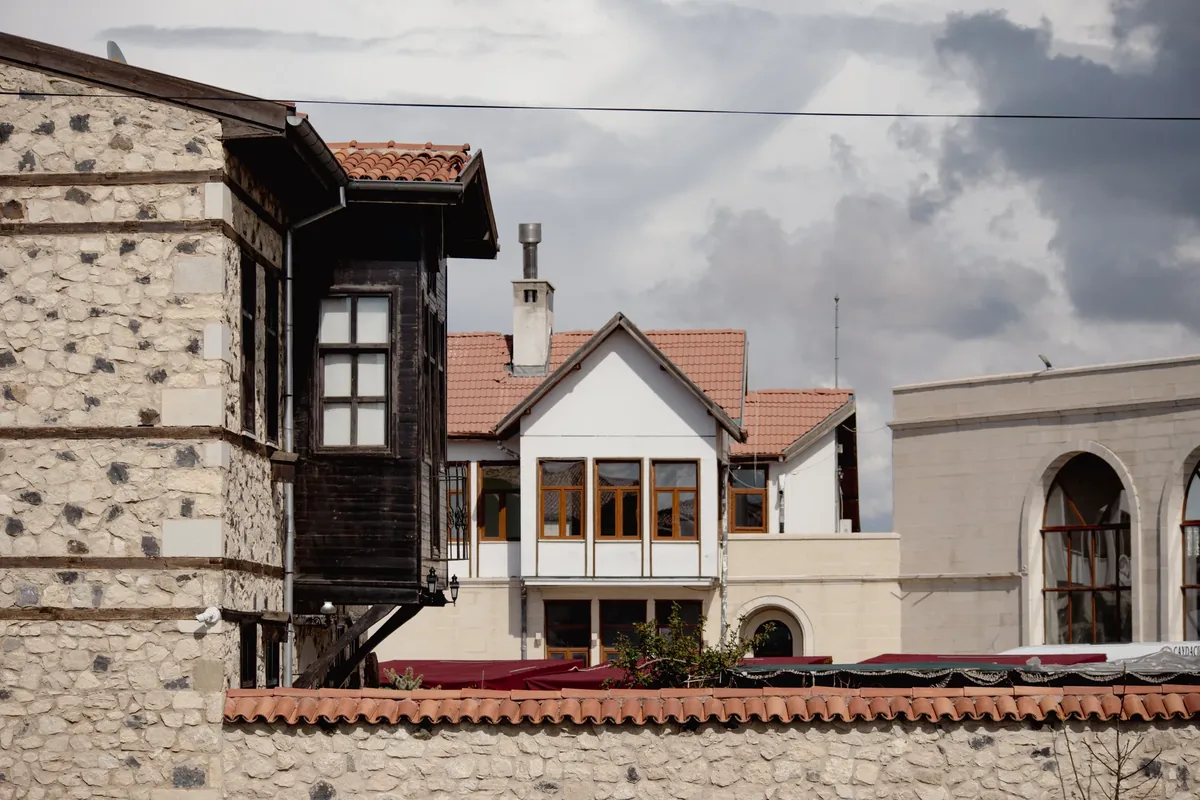
The Museum of Natural History in Arusha is housed in a German colonial fortress known as the Boma, a solid stone building from the early 20th century. Its exhibits focus on human evolution and natural history, drawing on Tanzania's extraordinary record as one of the birthplaces of humanity, with material connected to the famous fossil sites of the northern Rift Valley.
The Museum of Natural History in Arusha is housed in a German colonial fortress known as the Boma, a solid stone building from the early 20th century.
In a German Fort
The museum occupies the old German Boma, built around 1900 when Arusha was an outpost of German East Africa. Inside, the displays trace the story of human origins, a fitting theme in a country whose Olduvai Gorge and Laetoli sites produced some of the earliest known human and proto-human fossils and footprints. It is a modest but thoughtful museum that sets the region's deep prehistory in context.
The Experience
Further in, a compact museum inside the old fort's stone rooms, with displays on human evolution, early tools and the natural history of the region, plus exhibits on the colonial period. It works best as a primer before visiting the deep-time sites of the northern circuit, giving context to Tanzania's claim as a cradle of humankind.
Why It Matters
The museum frames Tanzania's global significance as one of the places where humanity began, tying the modern safari country to the fossil discoveries that reshaped our understanding of human origins. Its setting in a German Boma also preserves a piece of Arusha's colonial history.
The museum frames Tanzania's global significance as one of the places where humanity began, tying the modern safari country to the fossil discoveries that reshaped our understanding of human origins.
Why Visit
An introduction to human evolution and Tanzania's role as a cradle of humankind, set inside a historic German colonial fort in central Arusha.
✦ Insider Tips
- 1
It is housed in the old German Boma fort in central Arusha.
- 2
Use it as context before visiting Olduvai Gorge on the northern circuit.
- 3
The focus is human evolution, a Tanzanian specialty.
- 4
It is compact; allow an hour or so.