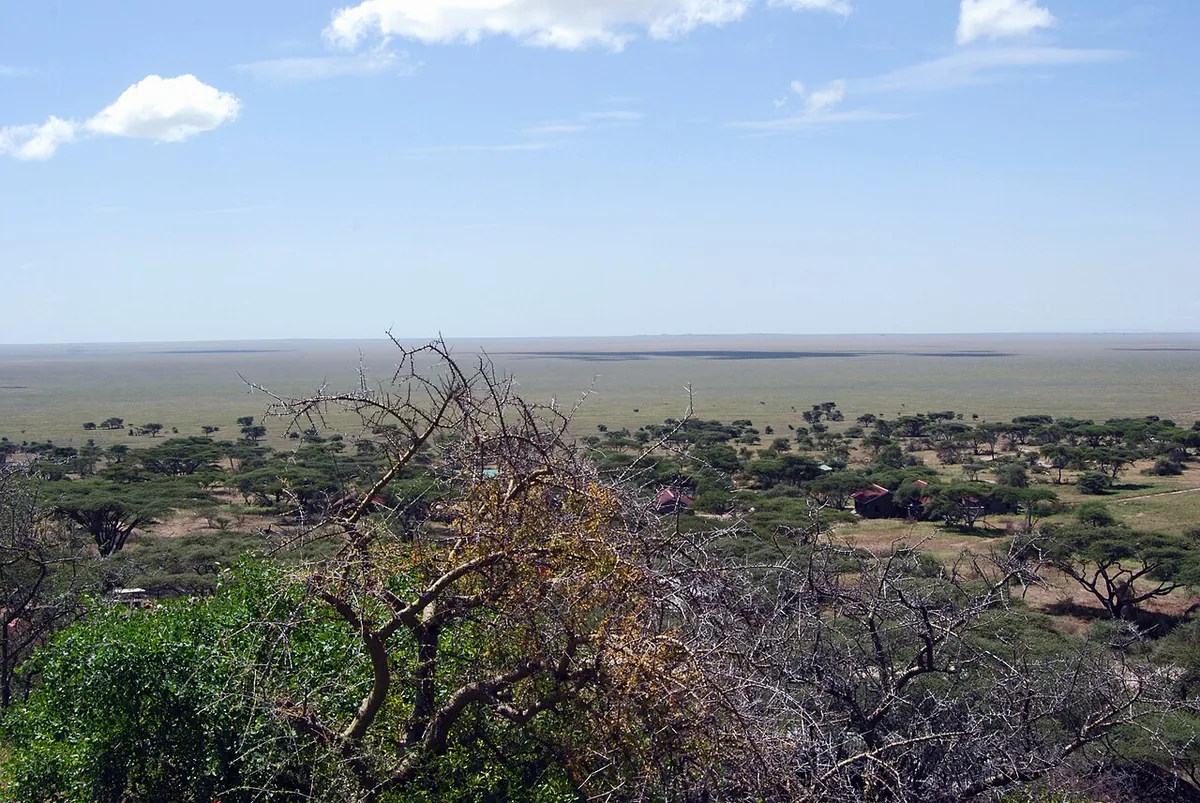
“Ruaha, Tanzania's largest national park, is famous for some of the biggest lion prides in Africa, prowling a remote baobab wilderness along the Great Ruaha River.”
About Ruaha
Ruaha grew over the decades into Tanzania's largest national park, expanded by incorporating neighbouring protected land, and protects a vast and ecologically rich slice of the country's centre-south. Its position between East and Southern African ecosystems gives it unusual biological diversity. Remote and historically under-visited, Ruaha has become prized by safari connoisseurs for its predators, particularly its large lion population and its wild dogs, and for the sense of genuine wilderness that its low visitor numbers preserve.
Ruaha is the largest national park in Tanzania, a remote, rugged wilderness in the centre-south of the country built around the Great Ruaha River. Far off the standard tourist trail, it offers a raw, uncrowded safari in landscapes of baobab-studded hills, open plains and riverine forest, and it is celebrated for exceptional predator viewing, especially its very large lion prides.
Ruaha is the largest national park in Tanzania, a remote, rugged wilderness in the centre-south of the country built around the Great Ruaha River.
Land of Big Prides
Ruaha is known for some of the biggest lion prides in Africa, and it is an important stronghold for predators including leopards, cheetahs and endangered African wild dogs. The Great Ruaha River concentrates wildlife in the dry season, when game gathers along its remaining pools.
A Crossroads of Species
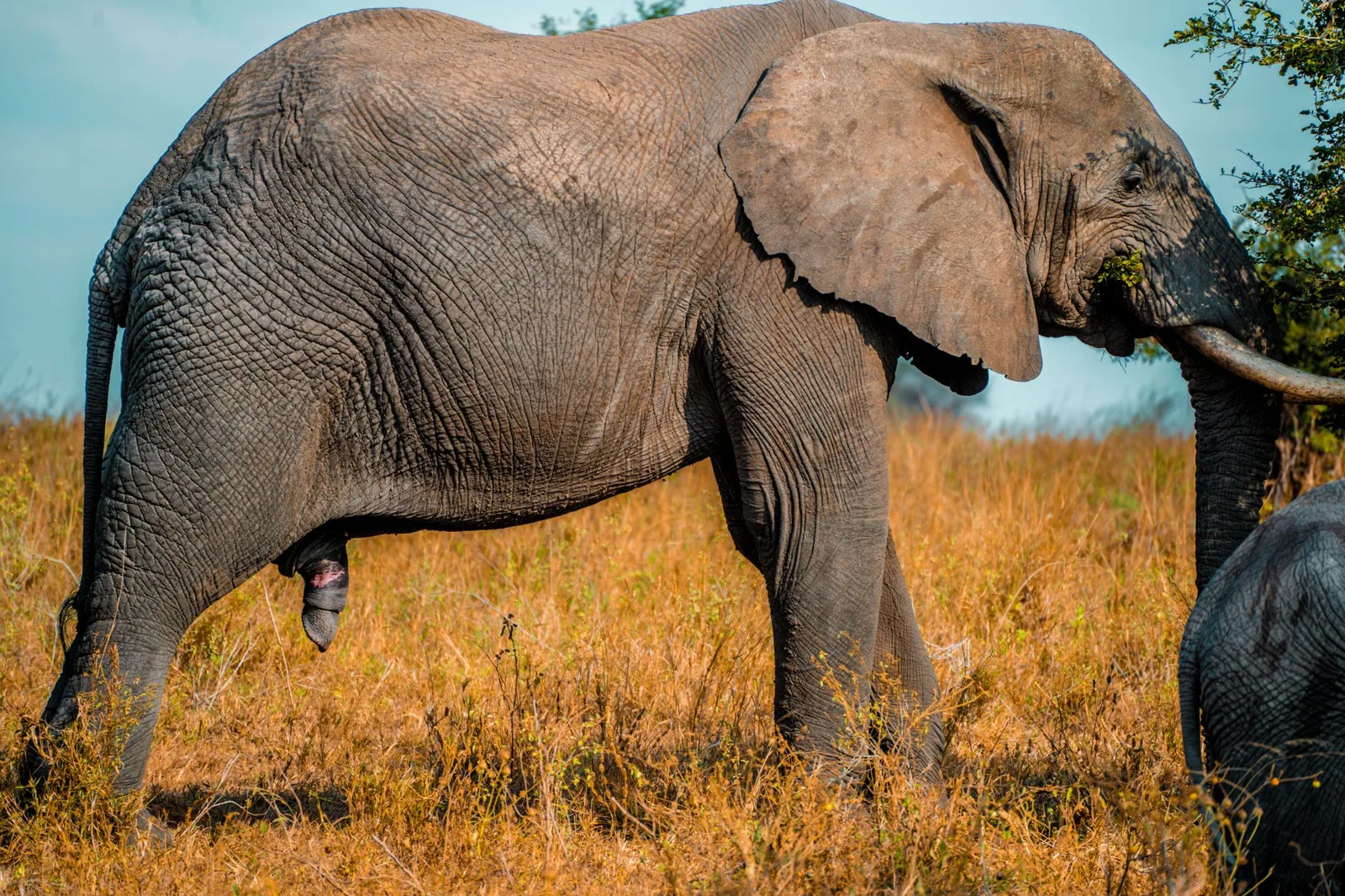
The park sits at a transition between East and Southern African ecosystems, so it mixes species from both, with large elephant herds and a great diversity of antelope alongside the predators. Its remoteness, usually reached by light aircraft, keeps visitor numbers low, making Ruaha a choice for those seeking a wilder, more solitary safari away from the crowds.
The Experience
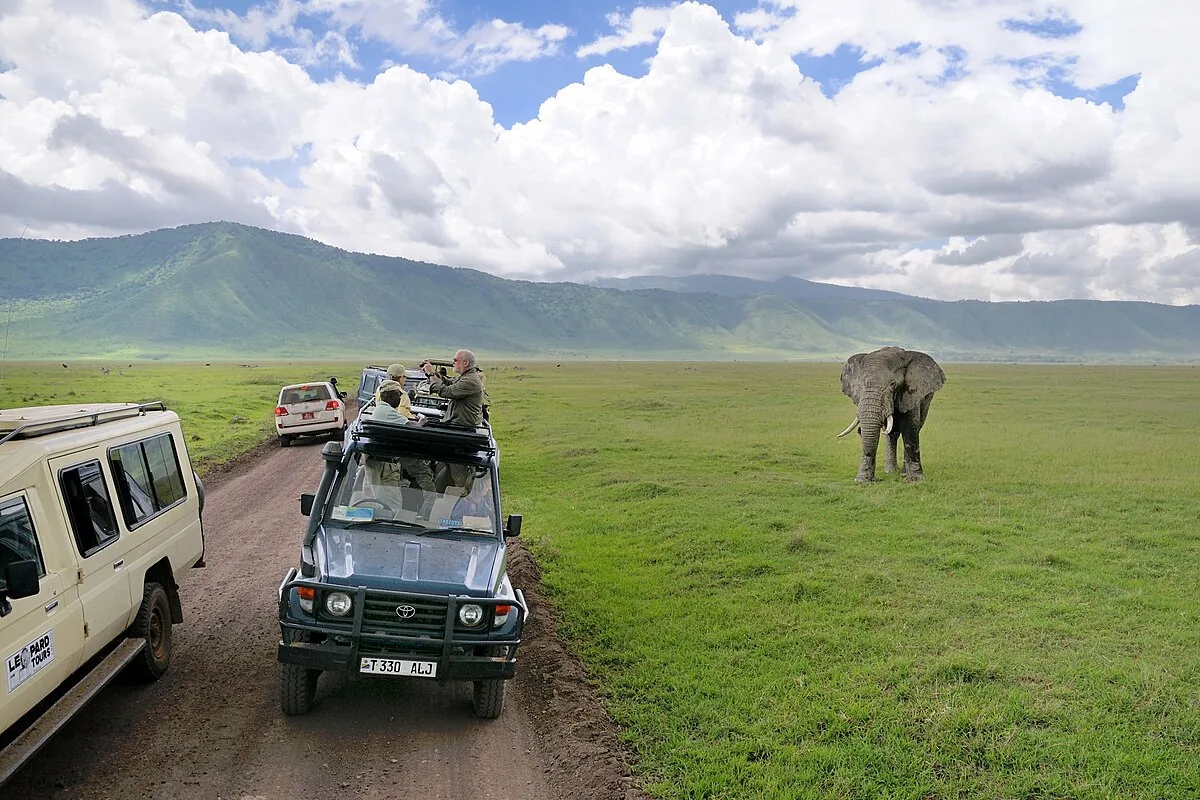
Game drives in Ruaha take you through dramatic country of baobabs, rocky hills and the broad sandy bed of the Great Ruaha River, where in the dry season animals crowd the shrinking pools and predators follow. Encountering a large lion pride, or the rare wild dogs, is a highlight that draws repeat safari-goers. The park's emptiness of other tourists is a defining feature: sightings are shared with few or no other vehicles, and the landscape's scale and wildness make it feel like old Africa. Visitors generally fly in, underlining its remoteness.
Encountering a large lion pride, or the rare wild dogs, is a highlight that draws repeat safari-goers.
Why It Matters
Ruaha National Park is the largest national park in Tanzania and a major predator stronghold, important for its big lion prides and endangered wild dogs, its East-meets-South African biodiversity and its uncrowded wilderness character.
Why Visit
It offers a wild, remote, predator-rich safari away from the crowds, with dramatic baobab scenery and a real sense of untouched Africa. Visit in the dry season for river concentrations, watch for big lion prides and wild dogs, and embrace the solitude.
✦ Insider Tips
- 1
Visit in the dry season, June to October, when game crowds the Great Ruaha River.
- 2
Watch for Ruaha's large lion prides and its rare African wild dogs.
- 3
Come for solitude; sightings here are shared with few or no other vehicles.
- 4
Most visitors fly in by light aircraft, so factor that into your safari planning.
- 5
Pair it with the southern circuit rather than the busier northern parks.