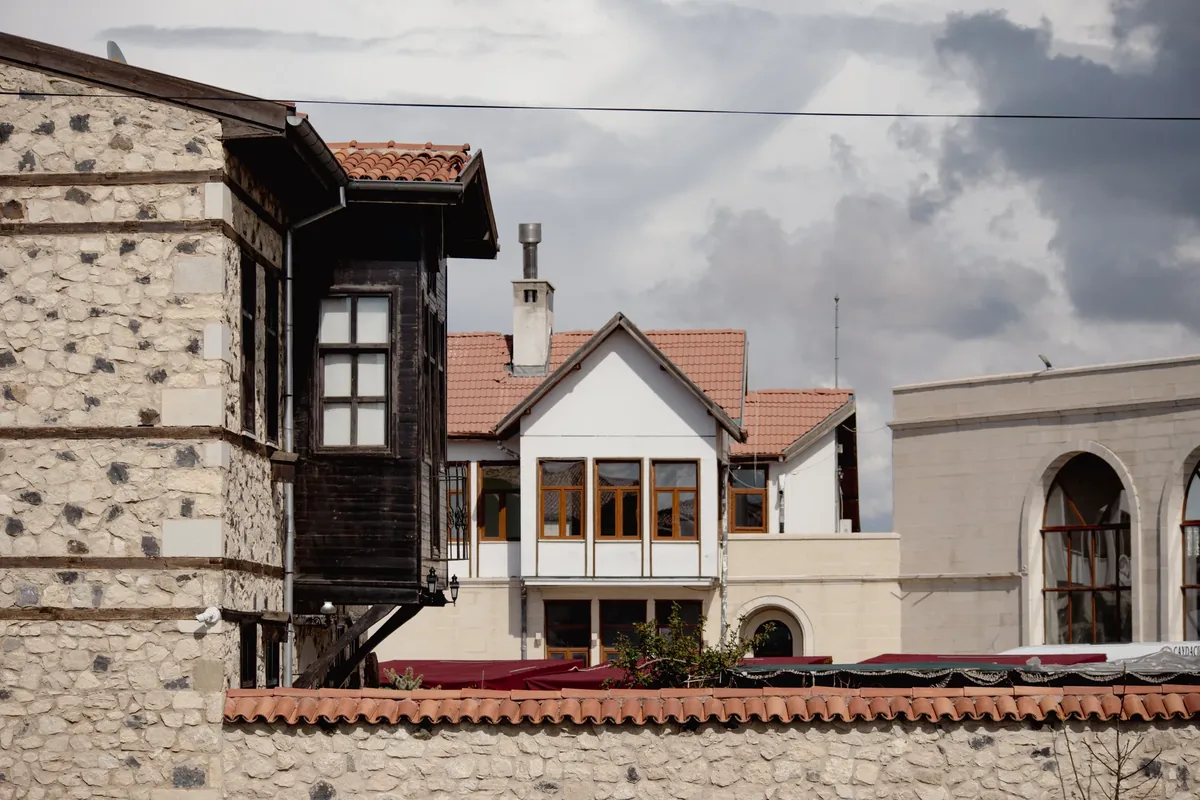
“This sleepy river mouth was once a busy 19th-century slave and ivory port, and its faded Arab and German facades still line the water.”
About The Riverfront
Pangani flourished in the 1800s as a coastal port at the mouth of the Pangani River, linked to the caravan trade and the export of ivory, enslaved people and, later, plantation produce. Arab-Omani merchants and then German colonists built along the riverfront, and the town briefly rivalled other coastal centres. The fading of that trade left Pangani a quiet historic backwater.
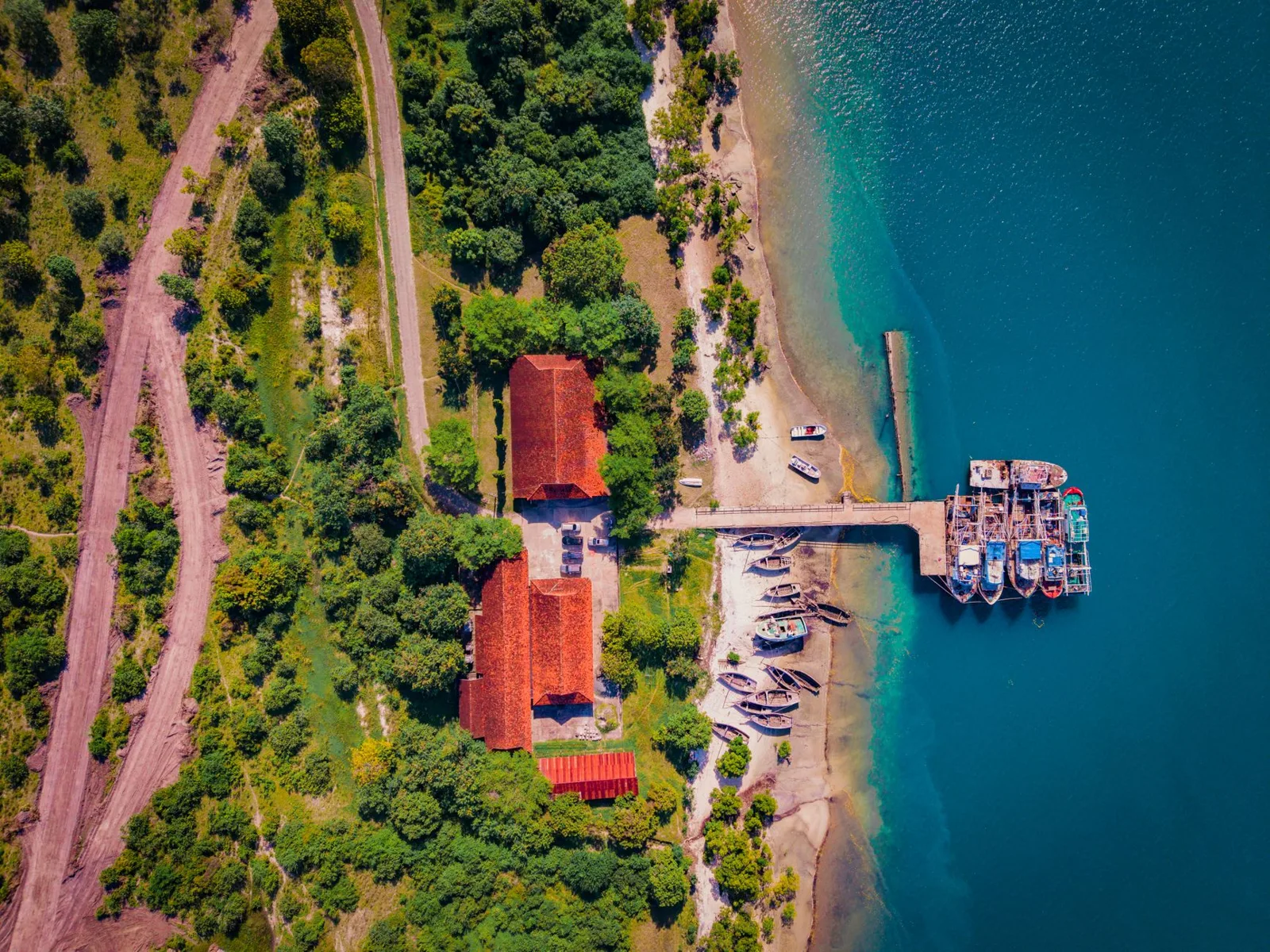
About The Riverfront (Pangani)
The Riverfront at Pangani, where the Pangani River meets the Indian Ocean on Tanzania's northern coast, is a quiet, historic stretch of old trading-town facades, faded Arab and German colonial buildings looking out over the water. Once a busy 19th-century port, Pangani's riverfront now offers a sleepy, atmospheric window into the layered history of the Swahili coast.
Once a busy 19th-century port, Pangani's riverfront now offers a sleepy, atmospheric window into the layered history of the Swahili coast.
A Faded Trading Port
Pangani grew into an important port in the 19th century, a terminus of caravan routes and a centre of the trade in ivory, enslaved people and later plantation crops like sisal and copra. Both Arab-Omani and German colonial influences left their mark in the architecture along the river. As trade moved elsewhere, the town slipped into a gentle decline, leaving its historic facades and river setting largely undisturbed.
The Experience
Strolling the riverfront past weathered colonial and Swahili-Omani buildings, take a boat trip up the Pangani River through mangroves and past riverside villages, and soak up the unhurried, end-of-an-era atmosphere. The blend of history, river, ocean and quiet makes Pangani a peaceful alternative to the busier coastal resorts, with dhows and birdlife on the water.
Why It Matters
The Pangani riverfront preserves the memory of a once-significant coastal trading town and the overlapping Arab and European influences that shaped the Swahili coast. Its faded facades and river setting offer an evocative, low-key encounter with the region's complex history of trade, colonisation and the slave routes.
The Pangani riverfront preserves the memory of a once-significant coastal trading town and the overlapping Arab and European influences that shaped the Swahili coast.
Why Visit
An atmospheric historic river port with faded Arab and German colonial facades, river cruises through mangroves and a peaceful slice of the old Swahili coast.
✦ Insider Tips
- 1
Walk the riverfront to see the Arab and German colonial facades.
- 2
Take a boat trip up the Pangani River through the mangroves.
- 3
Learn the town's history as a 19th-century trading port.