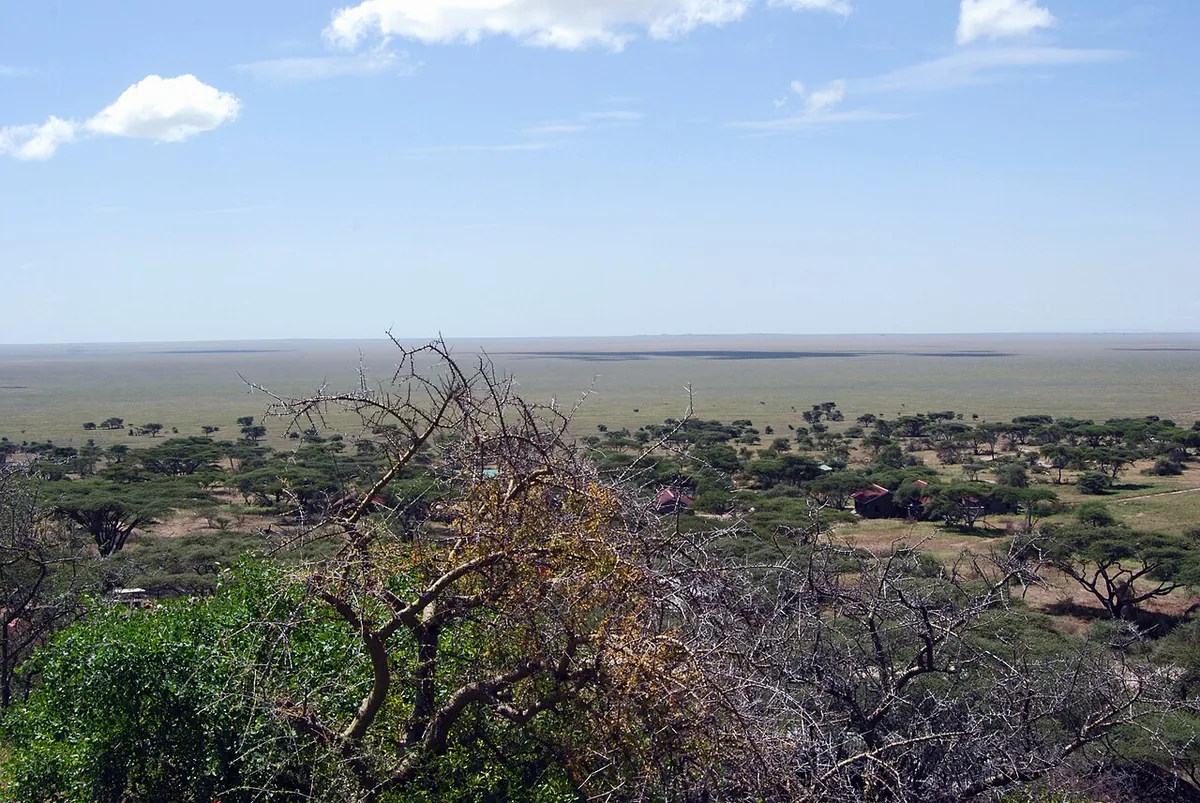
“The summit of Kilimanjaro was renamed Uhuru, meaning 'freedom', the year Tanganyika won independence, turning the highest point in Africa into a symbol of liberation.”
About Uhuru Peak
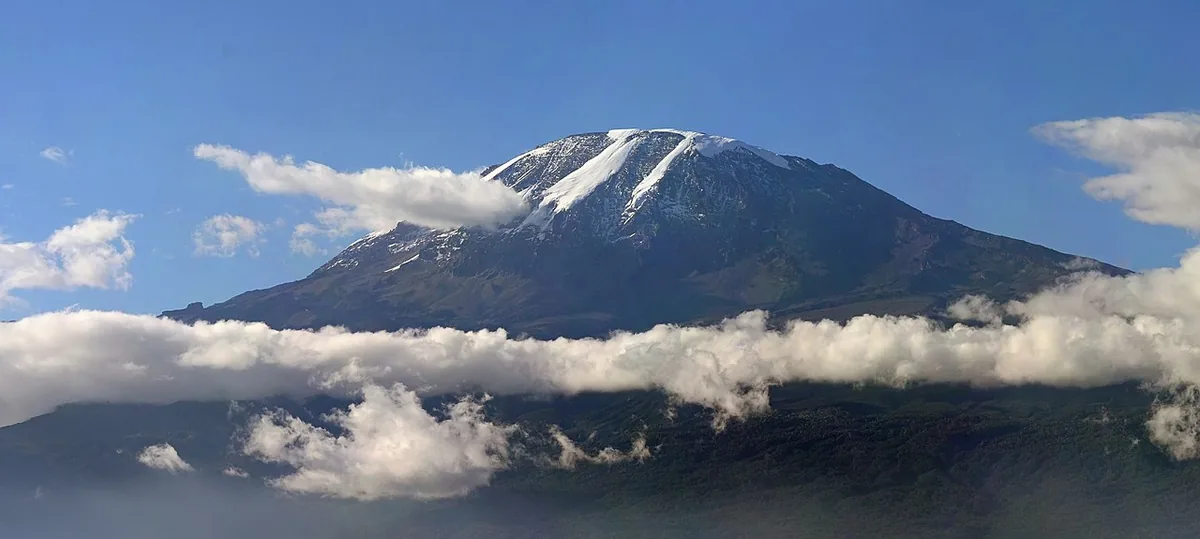
The peak was known as Kaiser Wilhelm Spitze during German colonial rule. At independence in 1961, the new nation renamed it Uhuru Peak, 'freedom peak', to mark the end of colonial control. Kilimanjaro's glaciers, studied for over a century, have retreated dramatically, and scientists warn the ice that crowns the summit may largely vanish within decades.
What Uhuru Peak is
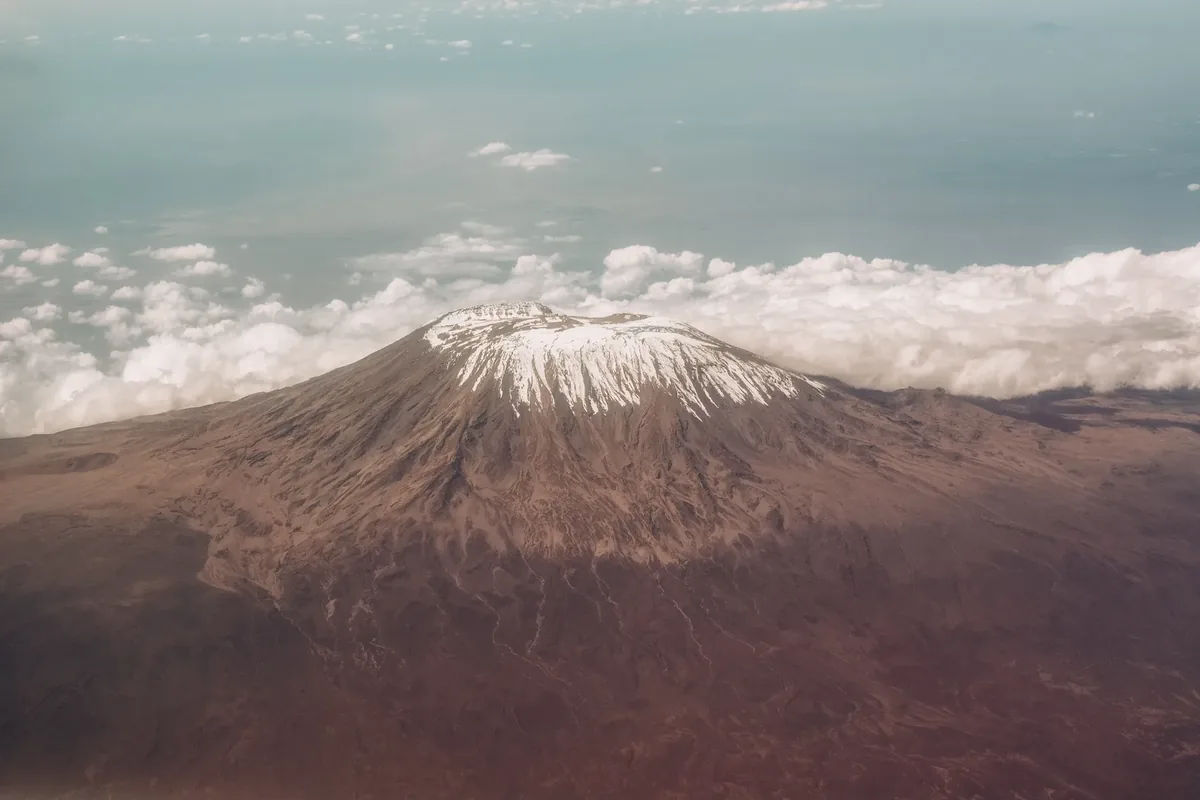
Uhuru Peak is the summit of Mount Kilimanjaro and the highest point in Africa, standing at 5,895 metres on the crater rim of a dormant volcano. Reaching it is the goal of every Kilimanjaro climb, a multi-day trek from tropical forest through alpine desert to a glacier-fringed summit where the air holds barely half the oxygen of sea level.
Uhuru Peak is the summit of Mount Kilimanjaro and the highest point in Africa, standing at 5,895 metres on the crater rim of a dormant volcano.
Freedom Peak
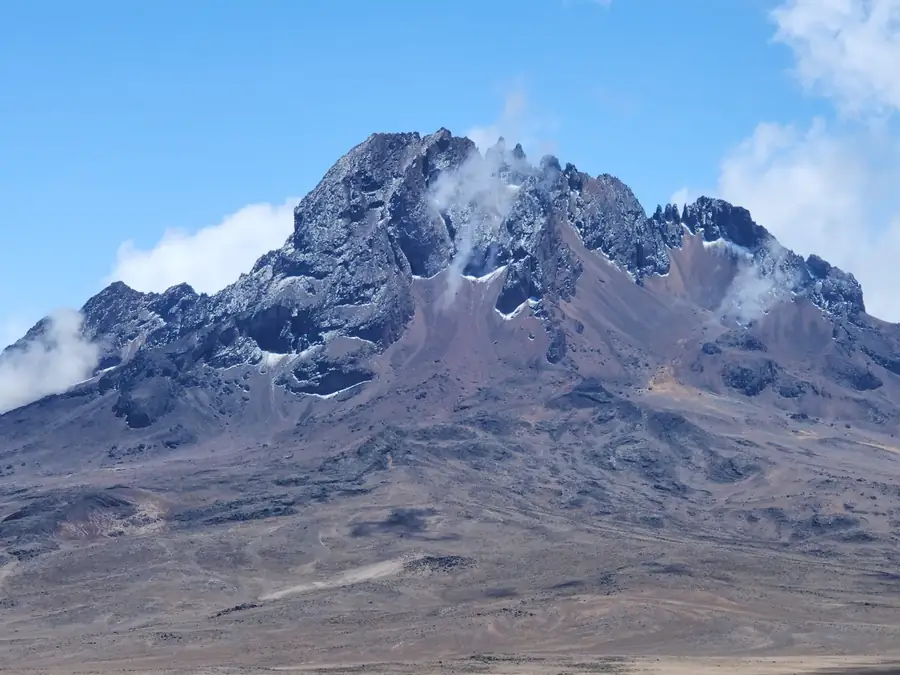
The name Uhuru means 'freedom' in Swahili. The summit was given this name in 1961, when Tanganyika won independence from British rule, replacing its old colonial name and turning the roof of Africa into a symbol of liberation. Kilimanjaro is also the world's tallest free-standing mountain, rising alone from the plains rather than as part of a range, and its shrinking summit glaciers are a stark marker of a warming climate.
The Experience
Standing on Uhuru Peak comes after days of climbing through five climate zones, usually finishing with a freezing pre-dawn push to catch sunrise over the curve of the continent. The thin air makes every step an effort, the ash crater and ancient glaciers surround you, and the sense of standing on the highest ground in Africa is overwhelming. It demands fitness, acclimatisation and a guided expedition.
Why It Matters
Uhuru Peak is the ultimate goal of African mountaineering and one of the world's most coveted summits, drawing tens of thousands of trekkers a year. Its independence-era name makes it a national symbol, and its disappearing glaciers have turned it into a global emblem of climate change.
Uhuru Peak is the ultimate goal of African mountaineering and one of the world's most coveted summits, drawing tens of thousands of trekkers a year.
Why Visit
Climb for the highest summit in Africa, the goal of every Kilimanjaro trek, a profound physical achievement crowned by sunrise over the continent and ancient summit glaciers.
✦ Insider Tips
- 1
Climbs take five to nine days; longer routes improve acclimatisation and success.
- 2
Altitude sickness is the main risk; go slowly and choose a route with good acclimatisation.
- 3
Guided expeditions are mandatory; book a reputable, fair operator.
- 4
Summit night is freezing and starts pre-dawn, so bring serious cold-weather gear.