“Stone Town grew rich on cloves and the Indian Ocean slave trade, fusing African, Arab, Indian and European life into a maze of carved doors - and it was the birthplace of Freddie Mercury.”
About Zanzibar Stone Town
Stone Town flourished as the seat of the Omani Sultanate of Zanzibar in the nineteenth century, when the island dominated the clove trade and served as a major hub of the East African slave trade until its abolition. Its architecture and culture record this confluence of peoples across the Indian Ocean. A UNESCO World Heritage Site, Stone Town is cited as an outstanding example of a Swahili coastal trading town. Its historic buildings face the pressures of age, salt and humidity, and conservation of its unique fabric is an ongoing effort.
About Stone Town
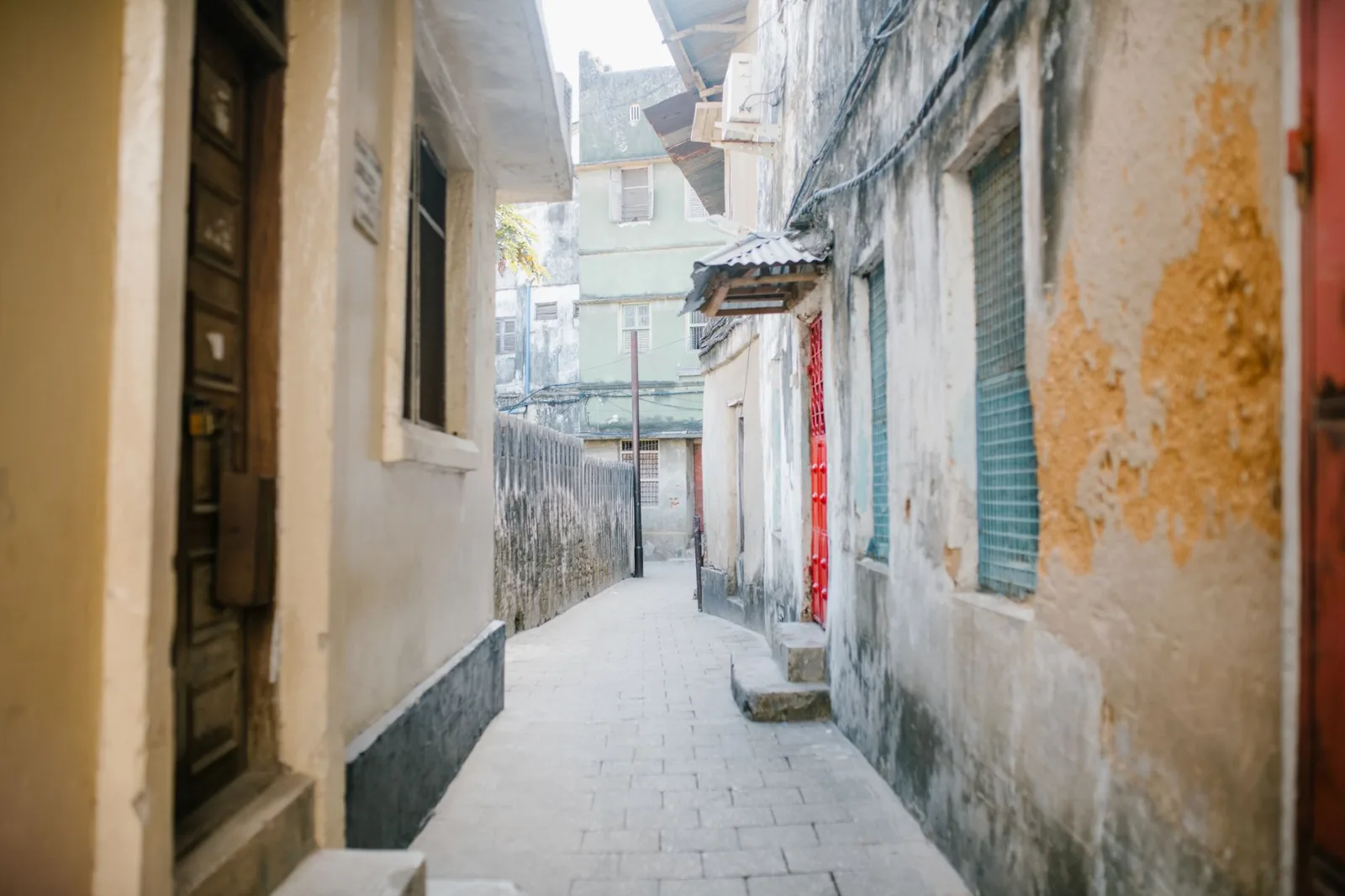
Stone Town is the old heart of Zanzibar City, a labyrinth of narrow lanes, coral-stone buildings and ornately carved wooden doors on the island of Unguja off the Tanzanian coast. For centuries it was a great Indian Ocean trading hub where African, Arab, Indian and European cultures fused, an exchange that shaped its food, music, architecture and people, and it remains a vivid, atmospheric Swahili city.
Stone Town is the old heart of Zanzibar City, a labyrinth of narrow lanes, coral-stone buildings and ornately carved wooden doors on the island of Unguja off the Tanzanian coast.
A Trade in Spices and People
Zanzibar's wealth was built on cloves and other spices, and, darkly, on one of the last great slave markets of the Indian Ocean world. The site of the former market, now marked by a cathedral and a memorial, is a sobering part of any visit.
Doors, Bazaars and Rooftops
The town is famous for its studded, carved doors, its packed Darajani market, the seafront Forodhani night food gardens, and grand buildings like the House of Wonders. It was also the birthplace of the musician Freddie Mercury.
Getting Lost
The pleasure of Stone Town is wandering its maze of alleys, where you are meant to get lost among shops, mosques, courtyards and the call to prayer.
The Experience
Wandering Stone Town is a sensory immersion: the smell of spices, the sea light at the end of alleys, carved doorways at every turn, and the evening ritual of the Forodhani food gardens, where vendors grill seafood by the waterfront. The old slave-market site and its memorial provide a necessary, moving counterweight. Getting lost is the point, and a guide helps decode the layers of history. Sunset from a rooftop bar over the dhows and the Indian Ocean is a classic end to the day.
Why It Matters
Stone Town is a UNESCO World Heritage Site and one of the finest surviving Swahili trading towns, embodying centuries of Indian Ocean cultural fusion and the history of the spice and slave trades that shaped East Africa.
Why Visit
It is an atmospheric, layered Swahili city of immense historical depth and easy charm, paired with Zanzibar's beaches nearby. Hire a guide for the history, visit the old slave-market memorial, eat at the Forodhani night gardens, and catch a rooftop sunset.
✦ Insider Tips
- 1
Embrace getting lost in the alleys; a local guide helps unpack the layered history.
- 2
Visit the former slave-market site and its memorial for the town's sombre history.
- 3
Eat at the Forodhani night food gardens by the seafront for grilled Zanzibari street food.
- 4
Watch sunset over the dhows from a rooftop bar, a Stone Town tradition.
- 5
Dress modestly in this mostly Muslim town, especially away from the beaches.