“Millions of tulips erupt in a synchronized explosion of color every April on a hillside that was once the private hunting ground of a Persian prince.”
About Emirgan Park
The park's 117 acres have survived the rapid urbanization of Istanbul thanks to its status as a protected imperial forest. The Yellow Mansion, the largest of the three, is a masterpiece of 'Ottoman Baroque' style, featuring ornate wood carvings and a spacious terrace. The Pink Mansion, meanwhile, serves as a museum of sorts, showcasing the domestic lifestyle of the Ottoman aristocracy. The tulips themselves are a return to tradition; while often associated with the Netherlands, the flower was originally cultivated by the Ottomans, who sent the first bulbs to Vienna in the 16th century, sparking a global obsession that persists today.
About Emirgan Park
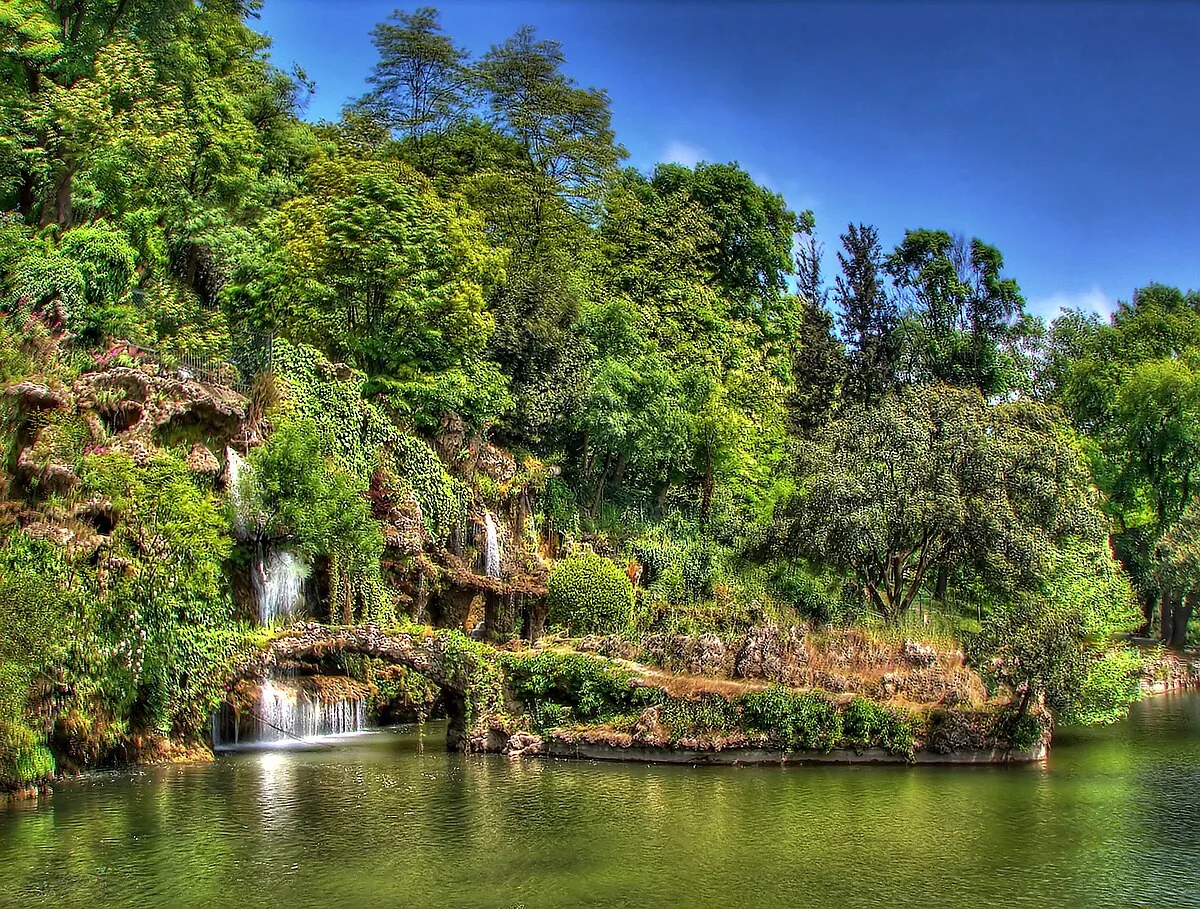
High on the wooded hills overlooking the narrowest point of the Bosphorus, Emirgan Park is a lush green lung in a city of concrete and stone. This former Ottoman estate, enclosed by high walls, is a refined retreat where the sound of the city is replaced by the rustle of ancient pines and the melodic splashing of decorative fountains. The park is famous for its three historic wooden pavilions, the Yellow, Pink, and White Mansions, which stand as elegant examples of 19th-century imperial architecture. While it is a year-round sanctuary for locals, it transforms every April into a complex array of color during the Istanbul Tulip Festival, when millions of bulbs are planted in intricate, flowing patterns. It is a place of terraced lawns and hidden ponds, offering some of the most serene views of the waterway that divides two continents.
High on the wooded hills overlooking the narrowest point of the Bosphorus, Emirgan Park is a lush green lung in a city of concrete and stone.
Sultan Murad IV
The park takes its name from Emir Gûne Han, a Persian commander who surrendered his castle to Sultan Murad IV and was subsequently gifted this estate in the 17th century. Over the following two centuries, it changed hands several times among the Ottoman elite, eventually becoming the property of Khedive Ismail Pasha of Egypt in the mid-1800s. He was responsible for building the three iconic pavilions that still stand today, using them as hunting lodges and summer retreats. The estate was eventually acquired by the city of Istanbul in the 1940s and opened to the public. The Tulip Festival, revived in the early 2000s, honors the flower’s origin in the Central Asian steppes and its deep cultural significance during the 'Tulip Era' of the Ottoman Empire.
The air is noticeably cooler and fresher here , smelling of damp earth and blooming jasmine. From somewhere comes the cheerful, distant chatter of families picnicking on the lawns and the rhythmic clicking of cameras as visitors try to capture the perfect floral arrangement. Along the winding, paved paths, The steepness of the terrain, which rewards you with sudden, breathless views of the Bosphorus blue through the trees. The standout is the vibrant, almost neon intensity of the flower beds, where tulips are arranged to look like flowing rivers or traditional Turkish carpets. The light filters through the dense canopy of oak and cypress trees, creating a shifting pattern of shadows on the historic wooden facades of the mansions. The hectic pace of Istanbul slows down to a stroll.
Location and access
Emirgan is located in the Sarıyer district, quite a bit north of the central historic sites. The most scenic way to arrive is by taking a public ferry (Şehir Hatları) to the Emirgan pier, followed by a short, steep walk up the hill. Alternatively, numerous buses run along the coastal road from Kabataş and Beşiktaş. For those who enjoy a walk, the coastal path from Bebek to Emirgan offers three kilometers of beautiful waterfront views, though it can be quite busy on weekends.
Emirgan is located in the Sarıyer district, quite a bit north of the central historic sites.
The Experience
A sense of refined peace as you sit on the terrace of the White Mansion with a glass of tea, watching the giant container ships glide silently along the Bosphorus. Audibly, the of children playing near the koi ponds adds a layer of gentle life to the otherwise quiet estate. First, the meticulous care taken by the gardeners, who work year-round to maintain the heritage trees and the seasonal displays. The most striking moment occurs at the core of the tulip season, when you stand at the highest point of the park and look down over a sea of red and yellow petals that seems to flow directly into the blue water of the straits. It is a visual harmony that captures the spirit of Istanbul's natural beauty.
Why It Matters
Emirgan Park is more than just a green space; it is a botanical monument to Ottoman aesthetic values. It preserves a specific type of historic landscape architecture that integrates wooded 'groves' with formal garden structures. It also serves as the cultural hub for the preservation of the tulip as a national symbol, reminding visitors of Turkey's significant contribution to global horticulture.
Why Visit
Visit Emirgan to see a different side of Istanbul, away from the stone monuments and the crowded bazaars. It offers the best bird’s-eye view of the Bosphorus and the Fatih Sultan Mehmet Bridge. If you are there in April, it is simply the most beautiful spot in the city, providing a floral spectacle that rivals any botanical garden in the world.
✦ Insider Tips
- 1
Arrive before 9:00 AM on weekdays to have the tulip beds to yourself before the local school groups and wedding photographers arrive.
- 2
The White Mansion (Beyaz Köşk) offers the best traditional Turkish breakfast with a view, but you must book a table in advance on weekends.
- 3
Look for the 'Tulip Museum' located within the park grounds to learn about the flower’s fascinating journey from the wild to the Ottoman court.
- 4
Walk down to the coastal road after your visit to see the Çınaraltı tea gardens, where you can sit under 800-year-old plane trees.