“Twelve thousand years ago, a group of nomadic hunters carved ten-ton limestone gods before the wheel, the alphabet, or the humble wheat stalk had even been imagined.”
About Göbeklitepe
Göbeklitepe was built at the end of the last Ice Age, a time when the surrounding plains were lush and filled with wild game. The sheer labor required, estimated at hundreds of people working in concert, points to a level of social organization that was previously thought impossible for hunter-gatherers. The carvings are not just decorative; they appear to be a complex symbolic language or a record of myths that have long since been lost to time. Only about five percent of the site has been excavated, with ground-penetrating radar suggesting at least twenty more enclosures remain buried beneath the surrounding hills, waiting for future generations of archaeologists.
What Göbeklitepe in Turkey is
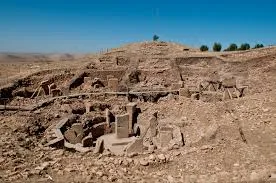
Deep in the sun-scorched hills of Upper Mesopotamia, a series of massive T-shaped stone pillars predates Stonehenge by six thousand years and the Great Pyramids by seven. Göbeklitepe is the site that rewrote the history of human civilization, proving that we built temples before we learned to farm. The site consists of several circular enclosures, each dominated by twin pillars in the center that reach up to five meters in height. These monoliths are carved with a haunting menagerie of scorpions, lions, and vultures, standing as the world's oldest known religious architecture. It is a place of profound silence and immense age, where the very foundations of the modern world feel as though they are rising out of the yellow dust.
Deep in the sun-scorched hills of Upper Mesopotamia, a series of massive T-shaped stone pillars predates Stonehenge by six thousand years and the Great Pyramids by seven.
For decades, the hill was dismissed
For decades, the hill was dismissed as a mere medieval cemetery until the German archaeologist Klaus Schmidt recognized the significance of the flint tools scattered on the surface in 1994. Excavations revealed that hunter-gatherers, not settled farmers, had quarried, carved, and transported these multi-ton limestone pillars from nearby plateaus. Curiously, the site was not abandoned but deliberately buried around 8000 BC, preserving the carvings in a time capsule of earth. This act of 'backfilling' has left historians puzzled, why would a society spend centuries building a monumental sanctuary only to hide it away? The discovery suggests that the urge to worship and the need for social hierarchy were the primary drivers of the Neolithic Revolution, rather than the invention of agriculture as previously believed.
The air is hot and carries the sharp , dry scent of parched earth and wild herbs. The rhythmic, distant metallic clink of archaeological tools and the occasional dry rustle of the wind through the protective canopy that now covers the main pits. Along the raised wooden walkway, The incredible depth of the carvings, where the animals seem to leap out from the stone. You get a immense physical presence of the central pillars, which are shaped like stylized humans with long arms and hands folded over their stomachs. The light at mid-morning highlights the texture of the limestone, revealing tool marks that have remained crisp for nearly twelve millennia. The surrounding landscape of rolling, treeless hills reinforces the feeling that you are standing at the absolute beginning of time.
The city of Şanlıurfa acts
The city of Şanlıurfa acts as the gateway, located about twenty kilometers from the site. Regular shuttle buses run from the city center to the visitor complex, though many prefer the flexibility of a taxi or a rental car. The site is now highly organized, with a sophisticated visitor center and a shuttle that takes you from the car park up to the actual excavation area. It is a long journey from the western coast of Turkey, but the nearby airport in Şanlıurfa makes it accessible for a dedicated domestic flight from Istanbul.
The city of Şanlıurfa acts as the gateway, located about twenty kilometers from the site.
The Experience
You feel a literal chill of realization as you stand over the enclosures, realizing that these stones were already ancient when the first pharaohs were born. You catch of the wind is a constant companion, a lonely reminder of the millennia this site spent hidden in the dark. The absence of hearths or houses; this was a place for the spirits, not for the living. The most striking detail is the vulture carvings, which some believe relate to ancient 'sky burial' rituals where the dead were left for birds to carry to the heavens. Standing there, you sense the weight of the human story beginning to unfold in the very dirt beneath your feet.
Why It Matters
Göbeklitepe is quite simply the 'Point Zero' of human history. It upended the traditional timeline of human progress and remains our most direct link to the minds of our pre-agricultural ancestors. It is the birthplace of monumental architecture and organized religion, making it arguably the most important archaeological discovery of the 21st century.
Why Visit
The point is that this is the only place on earth where you can see the very first thing we ever built as a species. While other ruins feel old, Göbeklitepe feels ancient on a geological scale. It is a pilgrimage for anyone who has ever wondered why humans feel the need to build things that are larger than themselves.
✦ Insider Tips
- 1
Spend at least an hour in the visitor center before heading to the hill; the multimedia exhibits provide the necessary context to understand what you are looking at.
- 2
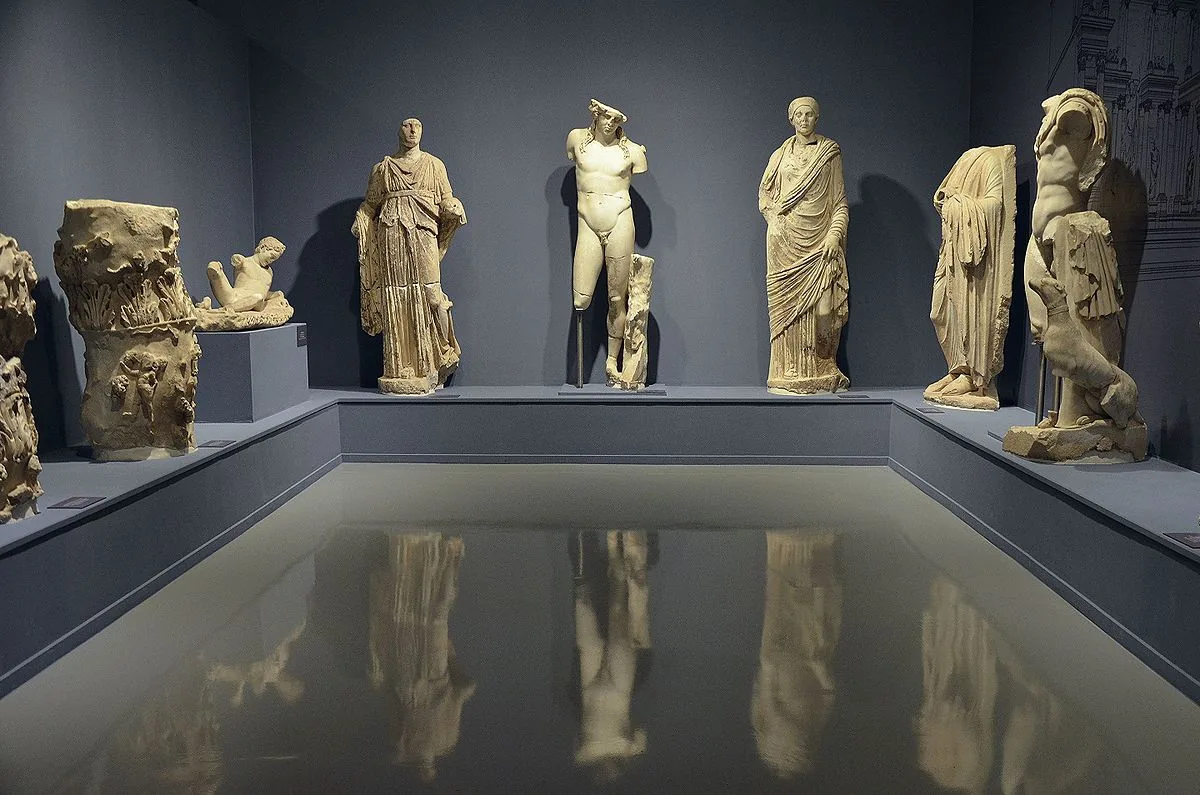
Visit the Şanlıurfa Archaeology Museum after the site to see the 'Urfa Man,' the world's oldest life-sized human statue, which was found nearby.
- 3
Bring a powerful pair of binoculars to see the smaller, more intricate carvings on the lower parts of the pillars that are far from the walkway.
- 4
Go as early as possible to avoid the school groups and to see the morning sun bring the animal reliefs into sharp, three-dimensional relief.
- 5
Look for the carved 'cup marks' on the flat rock surfaces around the enclosures, which were likely used for liquid offerings or ritual purposes.