Step through a triple-arched Roman gate built for an emperor and find yourself in a labyrinth of Ottoman mansions where the 21st century feels like a distant rumor.
About Kaleiçi
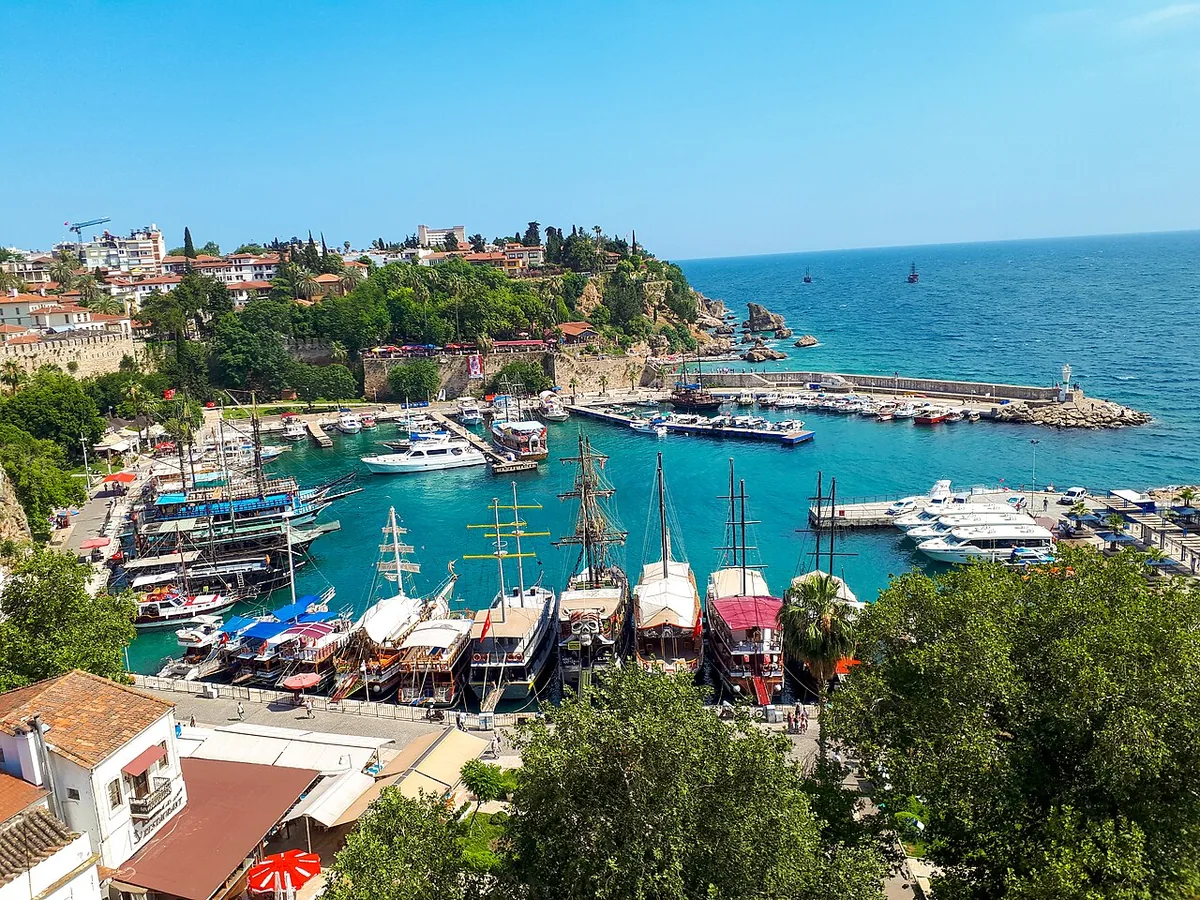
Kaleiçi has seen the flags of half a dozen empires fly from its battlements, each leaving a specific mark on the stone. The Kesik Minare (Broken Minaret) is the district's most poignant historical marker, having started as a Roman temple, converted into a Byzantine church, then a Seljuk mosque, before being gutted by fire in 1846. The harbor at the bottom of the hill was once the most important port in the eastern Mediterranean, defended by a massive tower known as Hıdırlık Kulesi. Today, the preservation of the district is strictly regulated, ensuring that new renovations respect the original timber and stone construction methods of the 18th century.
What Kaleiçi is
Enclosed within the towering stone walls of Antalya's old harbor, Kaleiçi is a dense thicket of Ottoman mansions, Roman gates, and winding cobblestone alleys. This is the historic core of a city that has been inhabited for over two thousand years, yet it feels remarkably youthful and alive. Pink bougainvillea spills over the white-washed walls of boutique hotels, while the sound of live jazz drifts out from hidden garden courtyards. The geography of the district is defined by its verticality, dropping steeply from the modern city heights down to the ancient Roman harbor. Here every corner reveals a different layer of the past, from a second-century triumphal arch to a fluted minaret that has lost its mosque to fire.
Founded the city, 150
Attalus II, the King of Pergamon, founded the city in 150 BC, naming it Attalia. It quickly became a vital naval base for the Romans, who celebrated the visit of Emperor Hadrian in 130 AD by building the magnificent triple-arched gate that still is the primary entrance to the old town. During the Byzantine and Seljuk eras, the walls were reinforced and expanded, creating a secure enclave against marauding pirates. The distinctive architecture seen today, narrow-fronted wooden houses with overhanging upper floors, dates mostly from the late Ottoman period. These buildings were designed to maximize interior space while keeping the narrow streets below shaded from the relentless Mediterranean sun, creating a natural cooling system that still works today.
The air is a mixture of salty sea spray and the sweet, charred smell of Turkish coffee brewing over hot sand. The rhythmic clatter of horse-drawn carriages and the distant, rhythmic thumping of boat engines from the harbor below. Passing through the narrow streets, The texture of the weathered timber and the cool, uneven cobbles underfoot. The way the light filters through the dense canopy of vines, dappling the pavement in shades of green and gold. The atmosphere shifts from a quiet, sleepy village in the morning to a vibrant, neon-lit social hub as the sun sets. You come across a sense of being protected by the massive stone walls, a feeling of enclosure that makes the modern city outside feel distant and irrelevant.
Location and access
Kaleiçi is located in the centre of Antalya and is easily accessible from any part of the city. The nostaljik tramvay (historic tram) runs along the perimeter, stopping right next to Hadrian's Gate. For those coming from the airport, the Antray light rail or the 600 bus will take you to the city center, from which the old town is a five-minute walk. Most of the district is pedestrianized, making it a sanctuary for walkers, though some small taxis are permitted to enter for hotel drop-offs.
The Experience
First is the temperature drop significantly as you descend the stone steps toward the harbor, the cool sea air replacing the heat of the upper streets. The clatter of a local musician playing the baglama in a secluded doorway adds a soulful layer to the evening stroll. The massive, iron-studded doors of the mansions, many of which still bear the original knockers and decorative carvings. Most people stick to the main shopping streets, but the real charm is found in the quiet dead-ends where elderly residents sit on their doorsteps and cats doze in the sun. What stays with you is watching the sunset from the glass-floored elevator that connects the harbor to the city cliffs.
Why It Matters
Kaleiçi is the architectural soul of the Turkish Riviera. It preserves a rare, cohesive ensemble of Ottoman civil architecture within a Greco-Roman urban plan. Humanly, it is a rare example of a historic district that has successfully transitioned into a modern tourist destination without losing its residential character or its sense of place.
Why Visit
Visit Kaleiçi because it is the antithesis of the all-inclusive resort experience. While the rest of the coast is dominated by glass and concrete, this is a place of wood, stone, and story. It offers the chance to sleep in a 200-year-old room and wake up to the sound of the sea, just steps away from Roman history.
✦ Photo Gallery
Best Season
🌤 April and May are the best months; the city is in full bloom, the air is fresh, and the harbor hasn't yet reached the peak humidity of the summer months.
Quick Facts
Best time to visit
April and May are the best months; the city is in full bloom, the air is fresh, and the harbor hasn't yet reached the peak humidity of the summer months.
Getting there
In Antalya, Turkey; reach Antalya first, then continue to the site.
Location
Antalya, Turkey
Type
attraction
Insider Tips
- 1
Avoid the restaurants right on the harbor if you want better value; the small, family-run garden eateries hidden in the upper alleys offer better food and lower prices.
- 2
Take the glass-fronted 'Panoramik Asansör' (Panoramic Elevator) at Cumhuriyet Square for a free, spectacular view of the old town's rooftops and the Taurus Mountains.
- 3
Look for the small inscriptions over the doors of the older houses; they often state the year the building was completed and a blessing for the inhabitants.
- 4
If you are staying overnight, choose a hotel at the top of the hill to avoid the noise from the late-night bars that populate the harbor area.