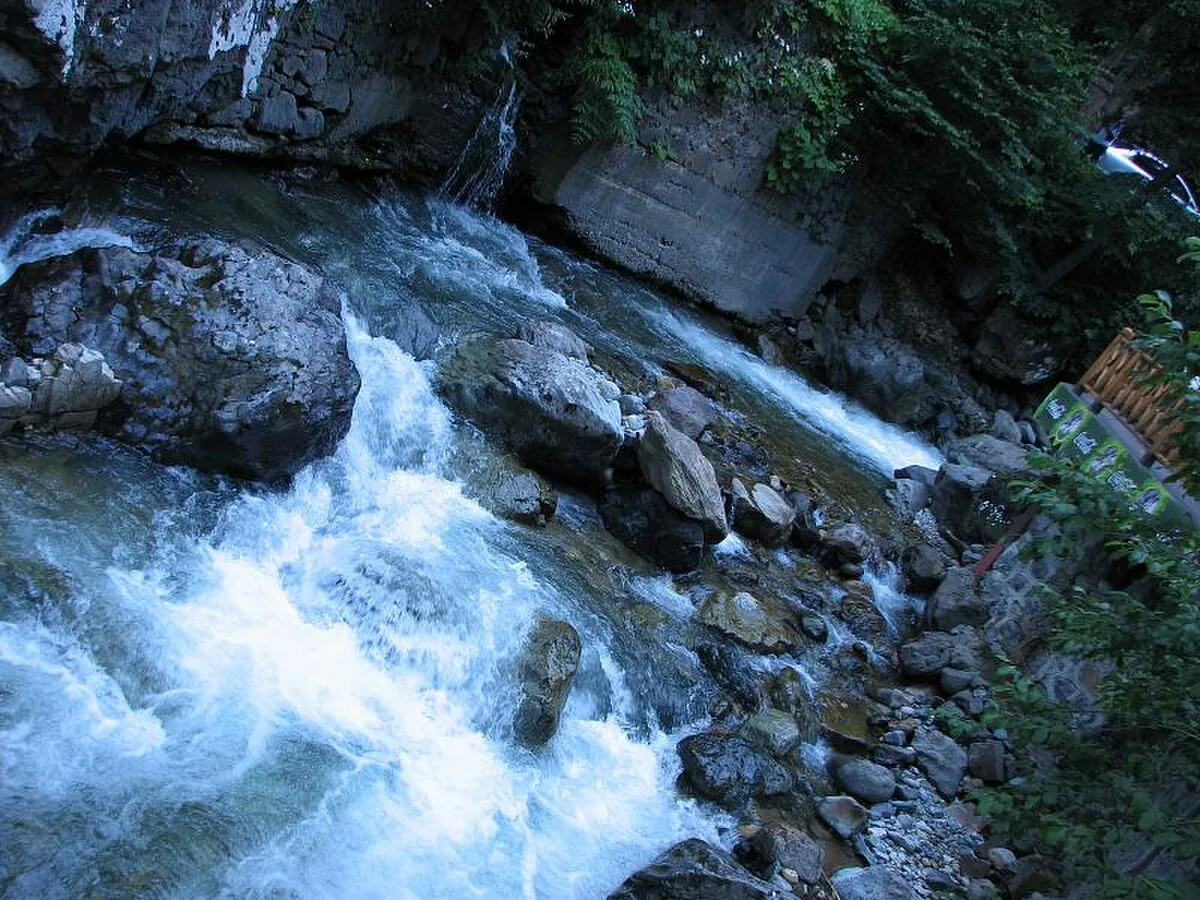
A thousand feet above a roaring river, a labyrinth of secret rooms and gold-flecked chapels remains bolted to a vertical cliff as if by divine intervention alone.
About Sümela Monastery
The monastery reached its height of influence under the Empire of Trebizond in the 13th and 14th centuries, serving as a vital royal sanctuary and burial site. The main 'Rock Church' is the oldest part of the complex, built into a natural cavern that houses the sacred spring. The external frescoes, which are more recent, date to the 18th century and were painted in multiple layers. During its abandonment in the mid-20th century, the monastery's wooden structures were largely destroyed by fire, but the core stone buildings and the cave-church survived, protected by the very cliff they were built into.
What Sümela Monastery actually is
Clinging to a sheer cliff face 300 meters above the evergreen forests of the Altındere Valley, Sümela looks like a mirage made of stone and mortar. This Greek Orthodox monastery, dedicated to the Virgin Mary, has survived sixteen centuries of mountain mist, shifting empires, and ultimate abandonment. It is an architectural defiance of gravity, with its balconies hanging over a precipice and its heart carved directly into the dark rock of the Pontic Alps. The interior is a riot of Byzantine color, where frescoes depicting biblical scenes cover every inch of the cave-church walls, their blues and reds still vibrant against the damp stone. It is a place of dizzying heights and profound isolation, where the sound of the waterfall below is the only constant companion.
Background
Tradition holds that two Athenian monks, Barnabas and Sophronios, founded the monastery in 386 AD after discovering a miraculous icon of the Virgin Mary in a cave. Over the centuries, it grew from a simple hermitage into a massive complex of seventy-two rooms and a sprawling library, funded by the generous endowments of Byzantine and later Ottoman emperors. Even after the Ottoman conquest of Trebizond in 1461, the sultans issued decrees protecting the monastery’s rights and property. Its life as a center of learning and worship ended abruptly in 1923 during the population exchange between Greece and Turkey. After decades of decay and vandalism, a meticulous multi-year restoration was completed in 2021, reopening the site to those willing to make the climb.
The air is cool and smells of damp pine and wet limestone, a sharp contrast to the heat of the Black Sea coast. The distant, muffled roar of the Altındere River and the steady drip of spring water through the Rock Church's ceiling. Down the narrow stone staircase, the smooth, worn texture of the steps under your hands. The incredible detail in the frescoes, though many of the faces have been scratched away by centuries of visitors, adding a layer of tragic human history to the religious art. The light is soft and diffused by the near-constant mountain fog, which often rolls in to swallow the entire monastery in a white veil. From the wooden balcony, The physical pull of the void below, a sensation that emphasizes the monks' commitment to a life removed from the world.
The monastery is located about 45
The monastery is located about 45 kilometers south of Trabzon. The bulk of visitors take a shuttle bus from the town of Maçka or drive to the national park entrance. From the lower car park, a shuttle bus takes you partway up the mountain, followed by a steep but paved 300-meter walk to the monastery gates. The final ascent requires a decent level of fitness, as the stone stairs can be slippery in the high-altitude humidity. It is best to arrive early in the morning before the clouds descend and obscure the famous view from across the valley.
The Experience
Something of a sense of vertigo as you look through the windows of the student rooms, which hang directly over the abyss. The sound of your own breathing becomes noticeable in the quiet, cool interior of the Rock Church, where the flickering light of a few small windows reveals a ceiling of painted angels. The graffiti in multiple languages, Greek, Russian, Turkish, carved into the frescoes over hundreds of years, a messy record of the countless pilgrims and travelers who have stood in this same spot. The most evocative moment is standing on the main terrace when the fog clears for just a second, revealing the vast, emerald carpet of the valley below. It is a place that feels physically closer to the sky than the earth.
Why It Matters
Sümela is one of the most important monastic sites in the Orthodox world and a masterpiece of medieval mountain engineering. It serves as a symbol of the multi-layered religious history of the Black Sea region, where Christian and Islamic authorities maintained a complex but enduring coexistence for centuries. Its recent restoration is a significant milestone in Turkey's efforts to preserve its diverse cultural heritage.
Why Visit
Sümela is one of the few places on earth that truly looks impossible. The sight of the monastery pinned to the cliff face from the viewpoint across the valley is worth the journey alone. It is a destination for those who find spiritual meaning in the dramatic intersection of nature and human endurance.
✦ Photo Gallery
Best Season
🌤 June and September are ideal; the weather is clear enough for the views but the summer humidity isn't quite as oppressive as in July and August. In winter, the site is often inaccessible due to ice.
Quick Facts
Best time to visit
June and September are ideal; the weather is clear enough for the views but the summer humidity isn't quite as oppressive as in July and August. In winter, the site is often inaccessible due to ice.
Getting there
In Trabzon, Turkey; reach Trabzon first, then continue to the site.
Location
Trabzon, Turkey
Type
attraction
Insider Tips
- 1
Stop at the 'viewing point' about two kilometers before the main car park; it is the only place to get the iconic photo of the monastery clinging to the cliff.
- 2
Bring a waterproof jacket, as the weather at the monastery can change from bright sunshine to heavy mist in a matter of minutes.
- 3
Look for the 'Sacred Spring' in the Rock Church, which still drips water that was once believed to have healing properties.
- 4
The stone stairs are very steep and can be slick; wear shoes with serious tread and take your time on the descent.
- 5
Visit the small chapel located just outside the main complex for a quieter moment of reflection away from the main tour groups.