Salvador's Afro-Brazilian fritter, sold by baianas in white lace at Pelourinho street corners since the 18th century, is simultaneously street food and religious offering.
About Acarajé
Salvador's Afro-Brazilian icon: a deep-fried fritter of black-eyed pea dough split open and filled with dried shrimp, vatapá (a spiced prawn paste), caruru and pimenta sauce; sold by baianas in white dresses at street corners of the Pelourinho; a UNESCO Intangible Heritage of Bahian culture.
The Fritter
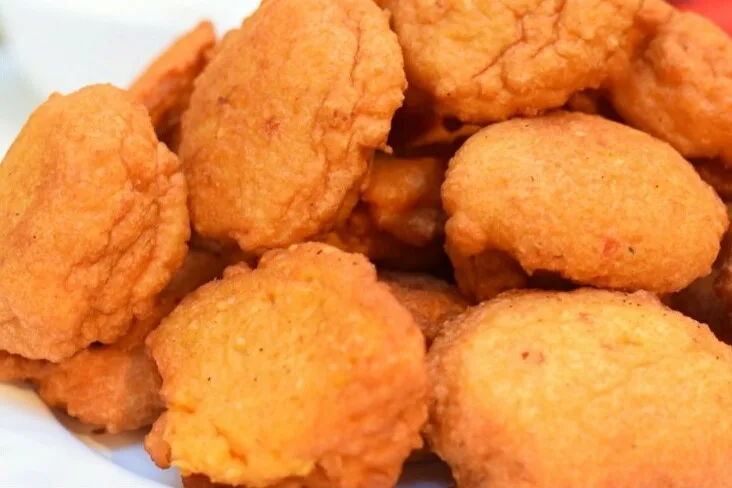
Salvador's best-known street food was brought to Brazil by the Yoruba of West Africa and has been sold in the Pelourinho since the eighteenth century. The fritter is made from black-eyed peas, soaked, skinned, ground and beaten light, then deep-fried in dende, red palm oil, to a dark, blistered shell with a soft interior. It is split hot and filled with vatapa, a paste of dried shrimp, cashew, coconut milk and dende, with caruru of okra and a fierce pepper sauce.
“Salvador's best-known street food was brought to Brazil by the Yoruba of West Africa and has been sold in the Pelourinho since the eighteenth century.”
The Baianas
The baianas who sell acaraje, women in white lace dresses and turbans with the beads of the Candomble religion, are a protected cultural institution, their craft recognised as Brazilian heritage. Their white dress and their corner positions are part of a tradition that runs back generations. The food they sell is at once street snack and ritual offering, tied to the orixa Iansa of Candomble.
African Roots
Acaraje is a close relative of the akara fritter of West Africa, carried across the Atlantic during the slave trade and kept alive in Bahia. The red dende oil is non-negotiable, lending the dish its colour, aroma and a flavour no other oil reproduces. In that sense it is one of the clearest surviving threads between Yoruba cooking and the Brazilian table.
Street and Sacred
What makes acaraje singular is that it lives in two worlds at once, sold for a few reais on a cobbled corner and offered on Candomble altars on sacred days. Eating it from a baiana in the Pelourinho is to taste a living piece of Afro-Brazilian history. Hot, fatty and spiced, it is inseparable from Salvador itself.
What to Expect
At a baiana's stand in the Pelourinho, the acarajé is fried to order in a large cast-iron pan of bubbling dendê oil. The palm oil smell hits before the stand comes into view. The fritter comes split, steaming and filled immediately. Eating the acarajé is a physical experience, hot, fatty, spiced, standing on the same cobblestones it has been sold on for 200 years.
Why Try It
Acarajé is one of the clearest examples of how African culinary tradition survived the Middle Passage and became inseparable from Brazilian identity. Eating it in Salvador, from a baiana in the Pelourinho, is eating a living piece of cultural history.
Insider Tips
- Buy only from the traditional baianas in white dress, their version is the authentic one. Modern snack bars that sell acarajé are not the same experience.
- Ask for 'acarajé completo', with vatapá, caruru and pimenta. Don't skip the pimenta.
- The dendê oil gives a specific flavour that no substitute replicates. If it doesn't smell of palm oil, it's not right.