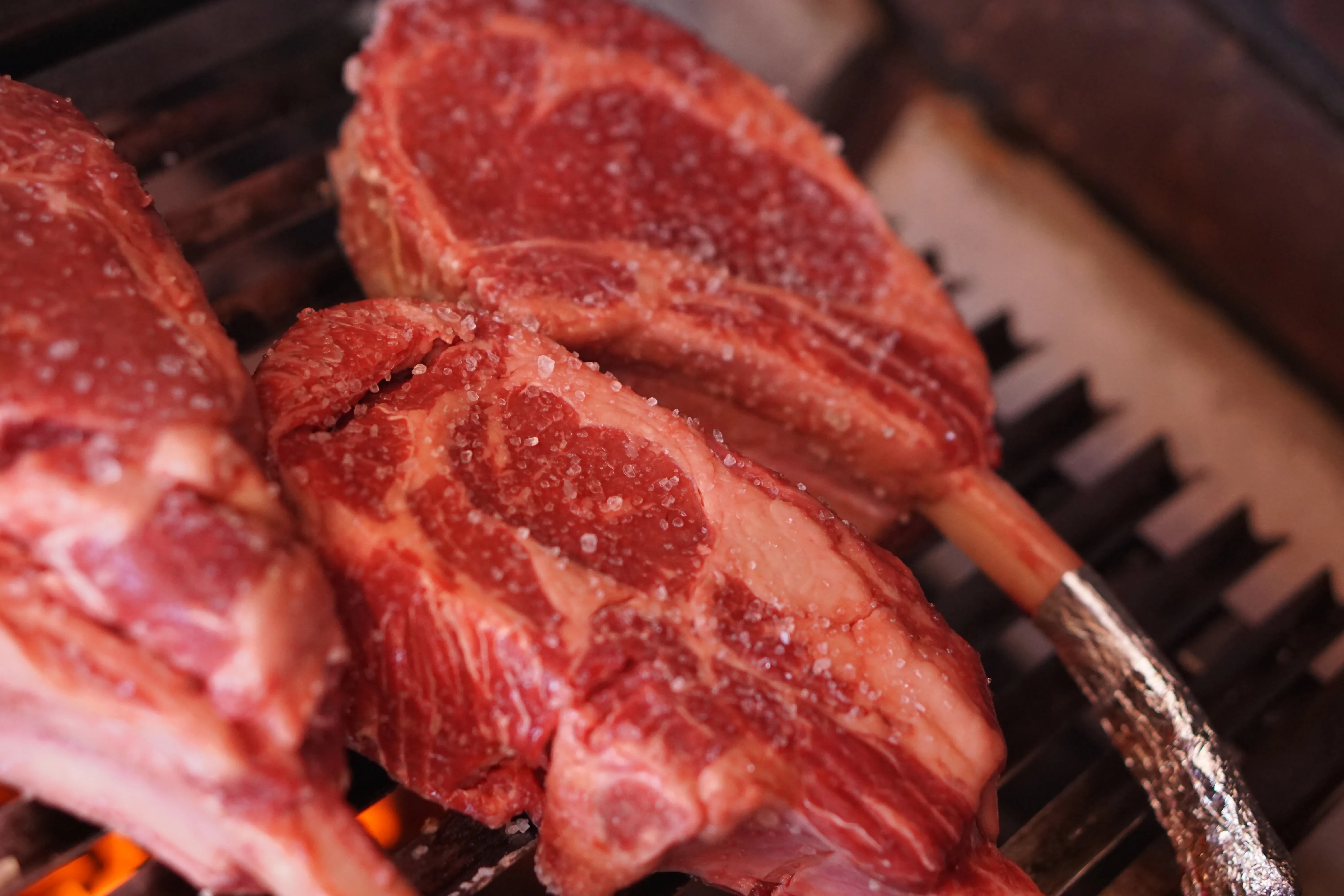
"Brazil's barbecue tradition is built around the picanha, a fat-capped rump cut skewered on a sword and slow-rotated over charcoal until the exterior caramelises while the interior stays pink."
About Churrasco
The southern Brazilian art of fire and beef: premium cuts (picanha, fraldinha, costela) skewered on long swords and slow-rotated over charcoal embers; the picanha, a rump cap with its fat cap intact, is Brazil's most prized cut; served in rodízio restaurants where sword-carrying gauchos carve directly onto your plate.
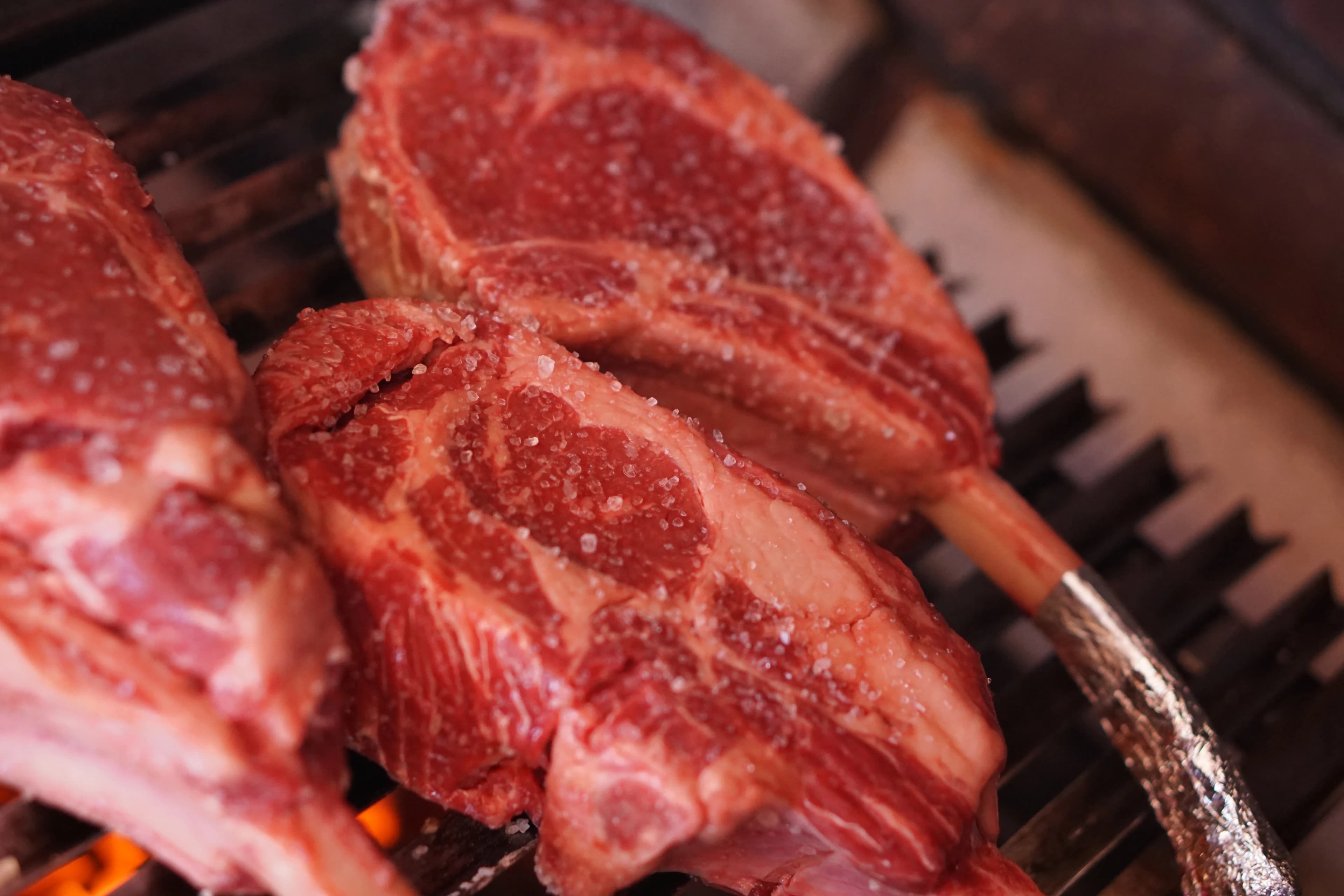
Churrasco, a staple of Brazil's cuisine
The Cut
Brazil's churrasco tradition revolves around picanha, the rump cap, a triangular cut with a thick fat layer on one side that bastes the meat from above as it melts. The fat is scored but left intact, the meat bent into a C on long metal swords and slow-turned over charcoal until the outside caramelises and the inside stays a cool pink. Coarse rock salt is the only seasoning the cut requires.
The Rodizio
In a rodizio restaurant the churrasco arrives in continuous service: passadors, the carving waiters, circulate with sword-length skewers of different cuts, picanha, fraldinha, alcatra, costela, linguica and chicken hearts, slicing directly onto each plate. A small disc on the table, green on one side and red on the other, controls the flow, green for keep coming and red for stop. It is the one innovation Brazilian restaurants needed.
The Gaucho Heartland
Churrasco grew out of the cattle country of Rio Grande do Sul, where the gauchos of the southern plains grilled beef over open fire pits. That pastoral origin still shapes the food, large cuts, live coals, and salt rather than marinade. The southern barbecue remains the benchmark, and Porto Alegre is its spiritual home.
At the Table
The pleasure of churrasco is as much in the rhythm as the meat, the steady arrival of slices, the choice of which to take and which to wave on. The fat edge of the picanha, charred and crackling, is the part to eat first while it is hottest. Simple sides of farofa, rice and vinaigrette round out a meal built squarely around fire and beef.
What to Expect
In a rodízio, the passadors arrive continuously, carving slices directly from the skewer onto the diner's plate. The picanha comes first and most often, and it is always accepted. The fat edge, slightly charred, is the part to be eaten first while it is still crackling.
Why Try It
Brazilian churrasco is a different food category from other barbecue traditions. The cuts, the skewering method, the rodízio format and the social theatre around it are specific to this country. The best version, eaten at a churrascaria in Porto Alegre (the gaucho heartland), is the one to seek.
✦ Photo Gallery
Insider Tips
Always accept the picanha when the passador offers it. It's the cut the rest of the meal is built around.
Tell the passador 'mal passado' (rare to medium-rare). They default to well-done for tourists.
Fogo de Chão is a reliable chain; local churrascarias in Porto Alegre and São Paulo are better.
The chicken hearts (coração de frango) are the most underrated item, order them specifically.