"Thick-cut fries, squeaky fresh cheese curds and dark beef gravy, Quebec's invention now feeds every province. The original, unadorned version is still the best."
About Poutine
Quebec's greatest contribution to world cuisine, thick-cut fries smothered in dark beef gravy and squeaky fresh cheese curds that must be added seconds before serving so they soften but never fully melt; invented in the Centre-du-Québec region in the 1950s; now ubiquitous from Vancouver to Halifax with infinite topping variations.

Poutine, a staple of Canada's cuisine
The Invention
Quebec's most famous contribution to Canadian food was invented in the Centre-du-Quebec region in the 1950s, though several towns claim the credit with real rancour. The components are fixed: thick-cut fries cooked in beef tallow, fresh cheese curds, and a dark beef gravy poured over everything just before serving so the curds soften without fully melting. The name, local slang for a mess, suits the plate.
Cheese Curds That Squeak
The defining element is the curd. Fresh cheddar curds, less than a day or two old, squeak against the teeth, and that squeak is the test of a real poutine. Older curds lose the texture and melt into stringiness, which purists treat as a failure. The gravy's heat is judged precisely to warm the curds to the edge of melting while keeping their chew.
The Gravy and Fries
The fries sit at the base, thick enough to hold their structure as the gravy soaks in rather than dissolving into mush. The gravy itself is a dark, lightly glossy brown sauce, closer to a thin beef or poultry gravy than a heavy roux. Timing is everything, since the dish is built to be eaten within minutes, before the contrast of crisp, chewy and saucy collapses.
The Spread
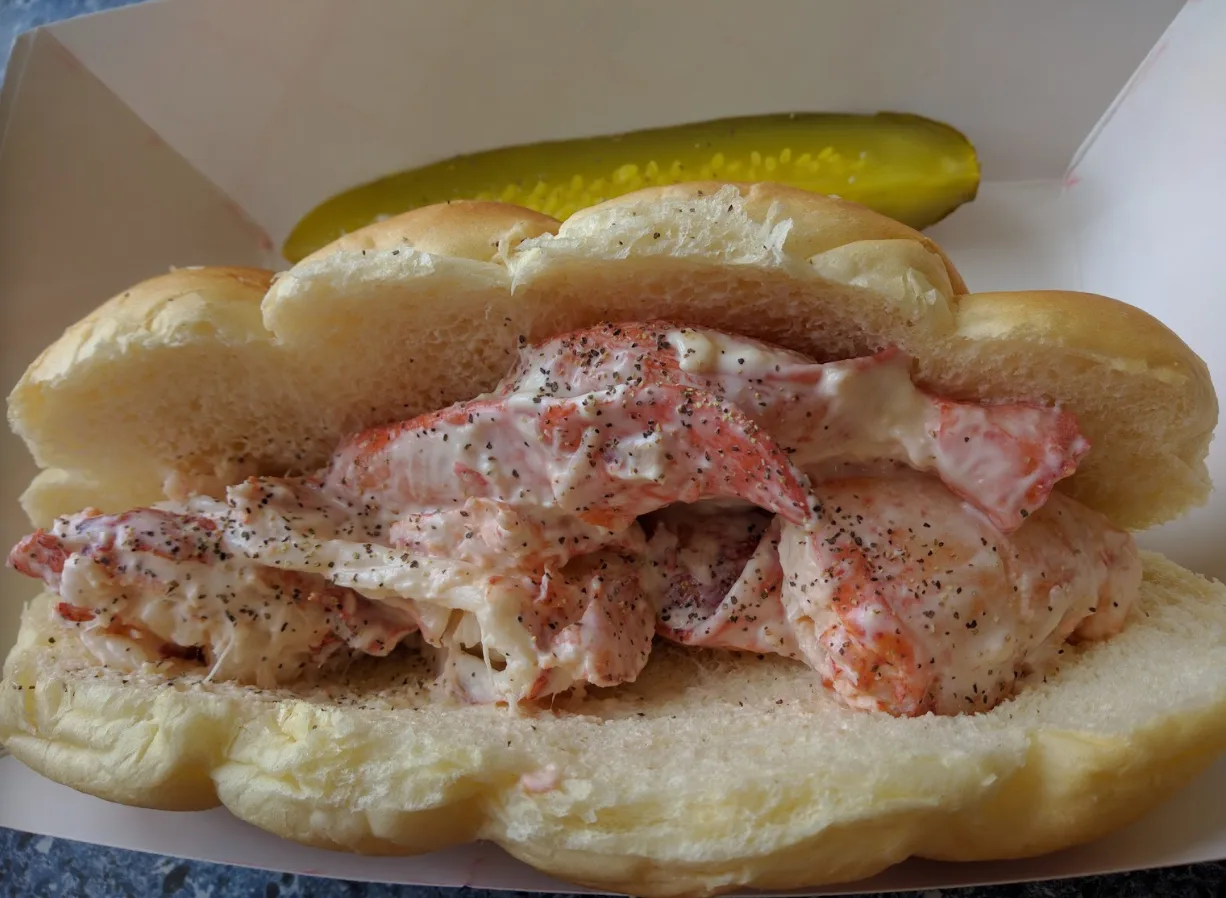
Poutine has travelled from its Quebec roots to every province and been reworked endlessly, topped with pulled pork, smoked meat, lobster or foie gras at Montreal restaurants that are both sincere and ironic about it. Purists hold that the original of fries, curds and gravy is the only legitimate form. It spent forty years as local Quebecois food before the rest of Canada noticed it at all.
What to Expect
The poutine arrives in a Styrofoam container, the gravy still hot and sinking between the fries. After 90 seconds, the curds have softened at the edges but retain their chew in the centre. The fries underneath start to absorb the gravy. The first forkful has all three textures at once. This dish is consumed too quickly, resulting in a burned mouth.
Why Try It
Poutine reveals the French-Canadian heritage of Quebec food culture, evident in the gravy tradition, and showcases the region's dairy country, with fresh curds that squeak. The working-class origins of this dish are a significant aspect of its history, which was local food for 40 years before the rest of Canada noticed it existed.
✦ Photo Gallery
Insider Tips
The cheese curds must squeak. If they don't, they're not fresh. Ask when they were delivered.
Chez Ashton in Quebec City and La Banquise in Montreal are the two addresses most worth making.
Avoid poutine from fast food chains, the curds are always wrong.
The gravy should be dark and slightly glossy. A pale gravy is a sign that something went wrong in the kitchen.