Quebec's Christmas Eve meat pie (pork, veal, potato, cinnamon and clove in a lard-crust pastry) is one of North America's most culturally specific holiday foods.
About Tourtière
Quebec's Christmas soul: a spiced meat pie of minced pork, veal and potato seasoned with cinnamon, clove and allspice in a lard-based double-crust pastry; every family has a recipe passed down for generations; the Lac-Saint-Jean version uses cubed rather than minced meat and is known as a 'cipaille'.
The Christmas Pie
Quebec's tourtiere is the province's most culturally loaded dish, a double-crust meat pie of minced pork, veal and potato seasoned with cinnamon, clove and allspice. It appears on Christmas Eve tables and at Reveillon celebrations across the province. The warm baking spices in a savoury meat pie are distinctly French-Canadian and connect directly to the preserving traditions of early New France.
“Quebec's tourtiere is the province's most culturally loaded dish, a double-crust meat pie of minced pork, veal and potato seasoned with cinnamon, clove and allspice.”
The Lac-Saint-Jean Version
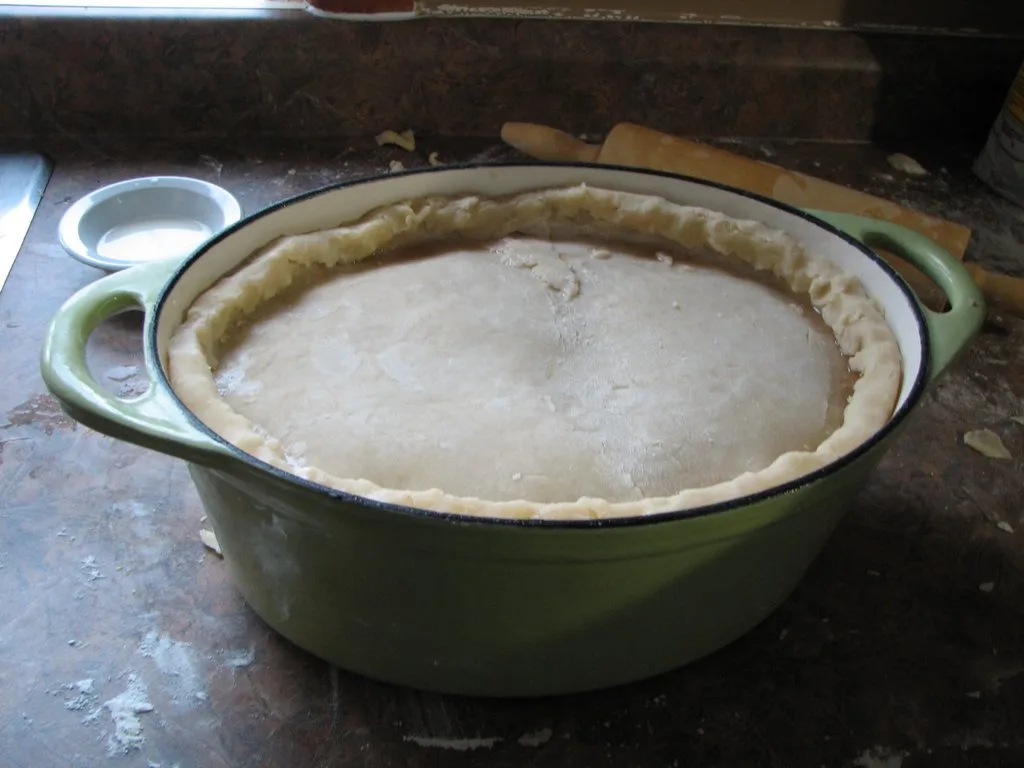
The Saguenay-Lac-Saint-Jean region makes a version called cipaille, from sea pie, that uses cubed rather than minced meat: game birds, pork, veal and rabbit layered in a deep pot pie with pastry above and below. It is larger, richer and more rustic than the standard tourtiere, and the people of the Saguenay consider it superior. Families elsewhere in Quebec dispute the point.
Spice and Pastry
The signature of a tourtiere is its restraint with spice, enough cinnamon and clove to perfume the pork without tipping into sweetness. The crust is a tender, lard-based pastry that browns to pale gold and holds a dense, well-seasoned filling. Many families bind the meat with grated or mashed potato, which keeps the slice moist and sliceable rather than crumbly.
A Family Inheritance
Tourtiere is a recipe passed down rather than looked up, and the exact spicing, meat ratio and accompaniment are points of quiet family pride. It is traditionally served with ketchup, pickled beets or a fruit chutney, and it reheats well across the long holiday week. More than almost any other dish, it ties French Canada to its seventeenth-century colonial past.
What to Expect
The tourtière comes out of the oven with a burnished, pale gold crust that shatters under the knife to reveal a dense, aromatic filling. A first slice releases a plume of steam and the smell of clove and pork fat. The dish is served with ketchup, a traditional accompaniment, or chutney, a modern alternative, and either is correct depending on the family.
Why Try It
Tourtière is the dish that most clearly connects French Canada to its 17th-century colonial past, the spice combinations, the pastry technique and the Christmas timing all trace directly to provincial France. Understanding it means understanding Quebec.
Insider Tips
- Order it at a Quebec City sugar shack (cabane à sucre) in maple season, an atmospheric setting.
- Traditional families serve it with ketchup, which is worth trying rather than dismissing.
- The Lac-Saint-Jean cipaille is worth seeking out in the Saguenay region, a different and more substantial version.