All landmarks and tourist attractions in Canada
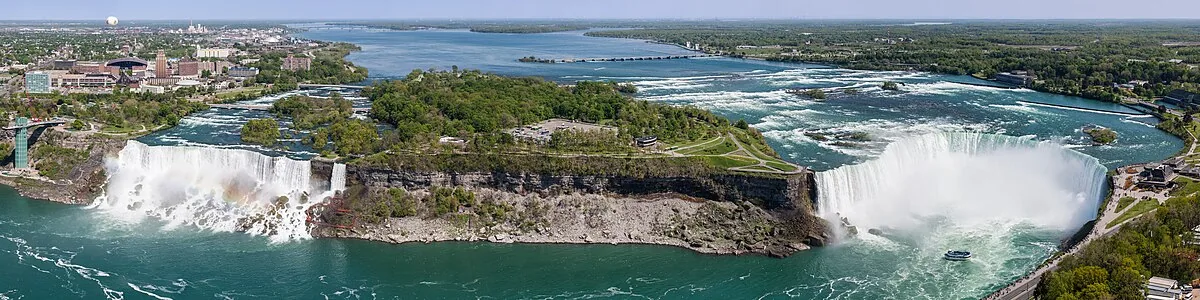
Niagara Falls
Thundering with a flow rate of 2,400 cubic metres per second; the Horseshoe Falls is a colossal arc of jade-coloured water plunging into a limestone abyss; the mist creates a permanent localized rain that drenches the basalt walkways; stand at Table Rock at 7 am when the morning sun ignites a prismatic rainbow against the roar of the cataract before the day-trippers descend.
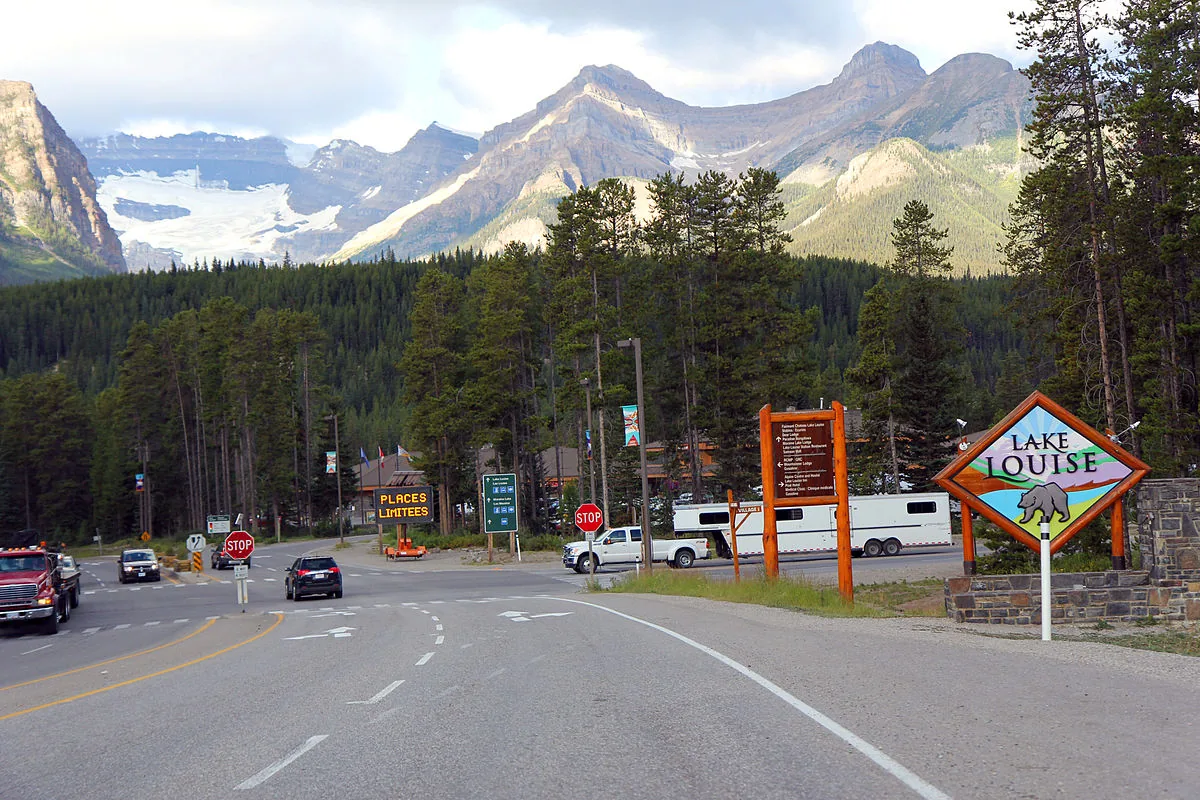
Lake Louise
A glacial basin of opaque turquoise water at 1,731 metres elevation; framed by the sheer vertical faces of Mount Victoria and the cracking blue ice of the Lefroy Glacier; the Victoria Glacier sends rhythmic cracks through the mountain silence; arrive at the shoreline at 5 am when the water is a flat sheet of lapis lazuli reflecting the sawtooth peaks in perfect; unmoving symmetry.
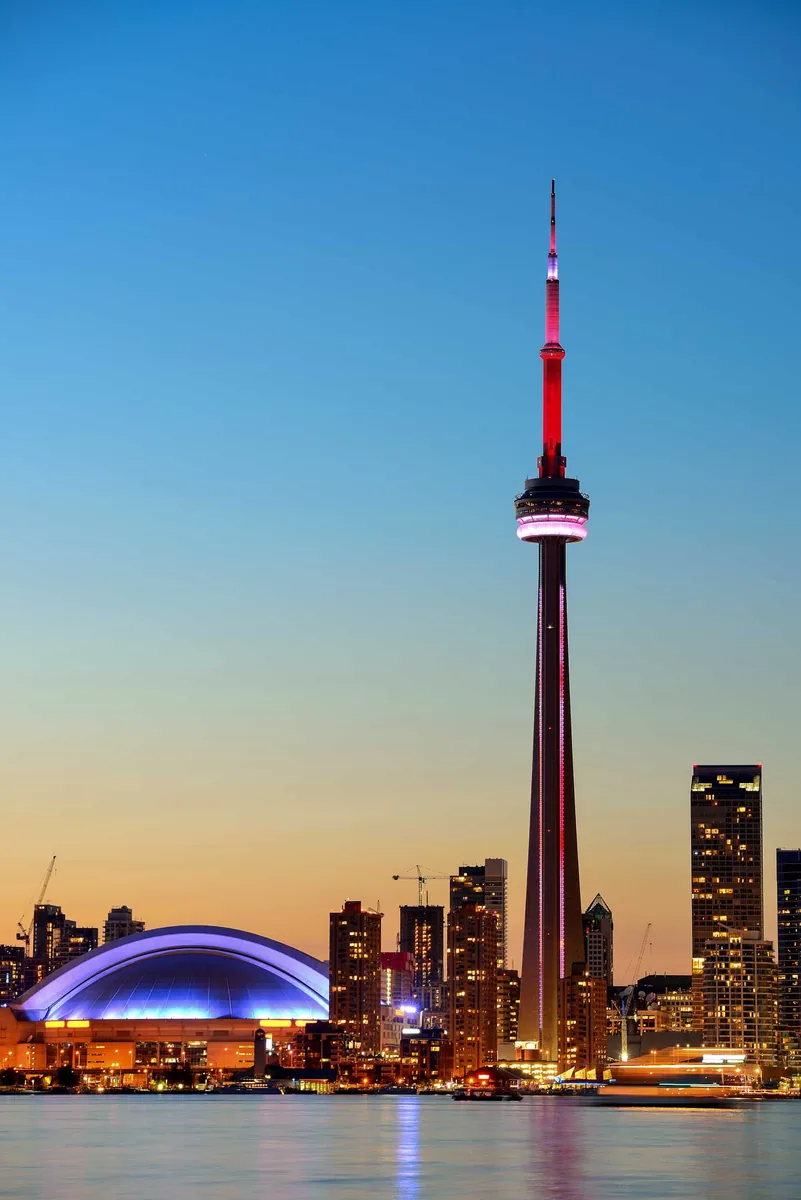
CN Tower
A 553-metre concrete needle that redefined the skyline in 1976; the SkyPod offers a view from 447 metres where the grid of Toronto meets the infinite horizon of Lake Ontario; the glass floor panels reveal a vertigo-inducing drop to the city streets below; visit during a summer thunderstorm when lightning strikes the steel mast and the clouds turn a bruised; electric purple over the harbour.
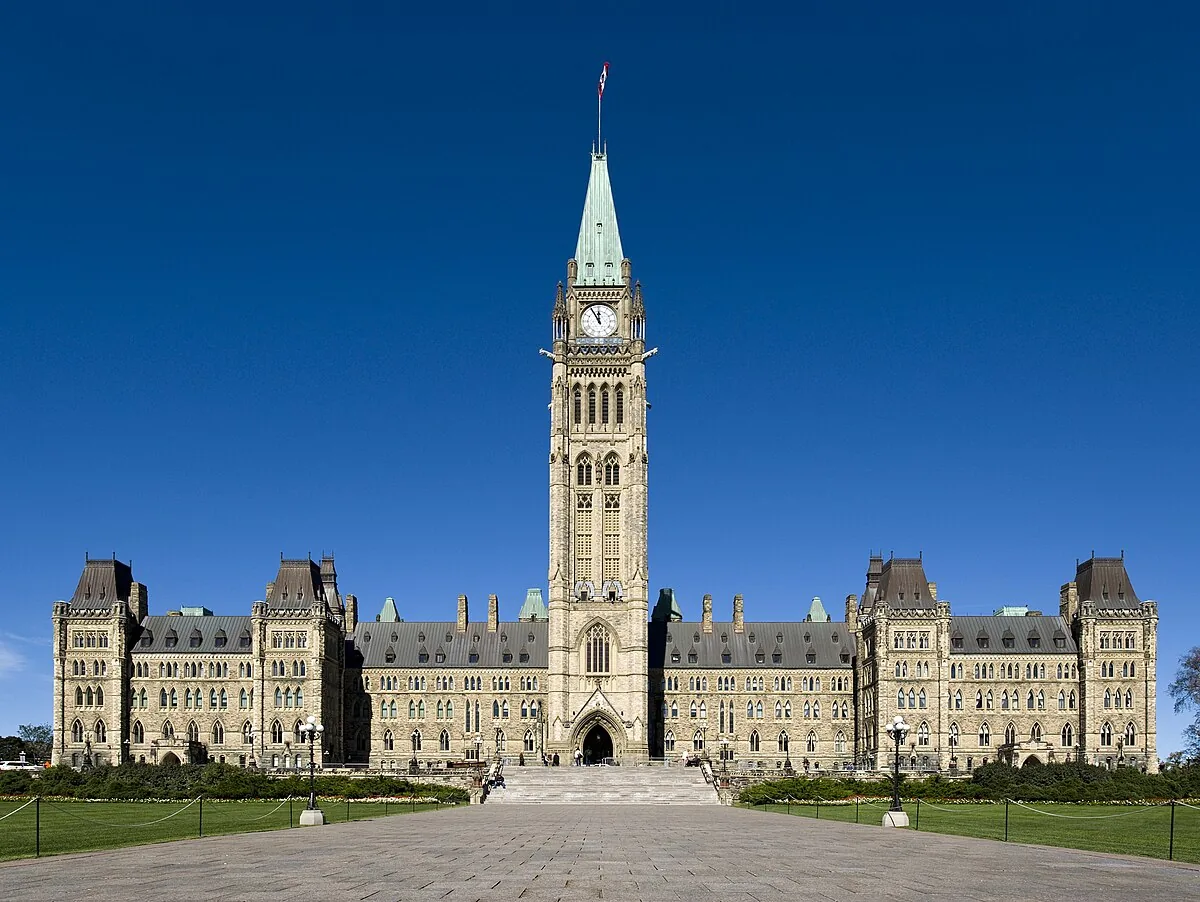
Parliament Hill
The Gothic Revival heart of Canadian democracy; built from Nepean sandstone and crowned with the 92-metre Peace Tower; the Victorian High Gothic library survived the 1916 fire with its ornate hand-carved white oak interior intact; attend the changing of the guard at 10 am; the sound of the carillon bells vibrates through the flagstones while the green-copper roofs oxidise under the intense midday sun.
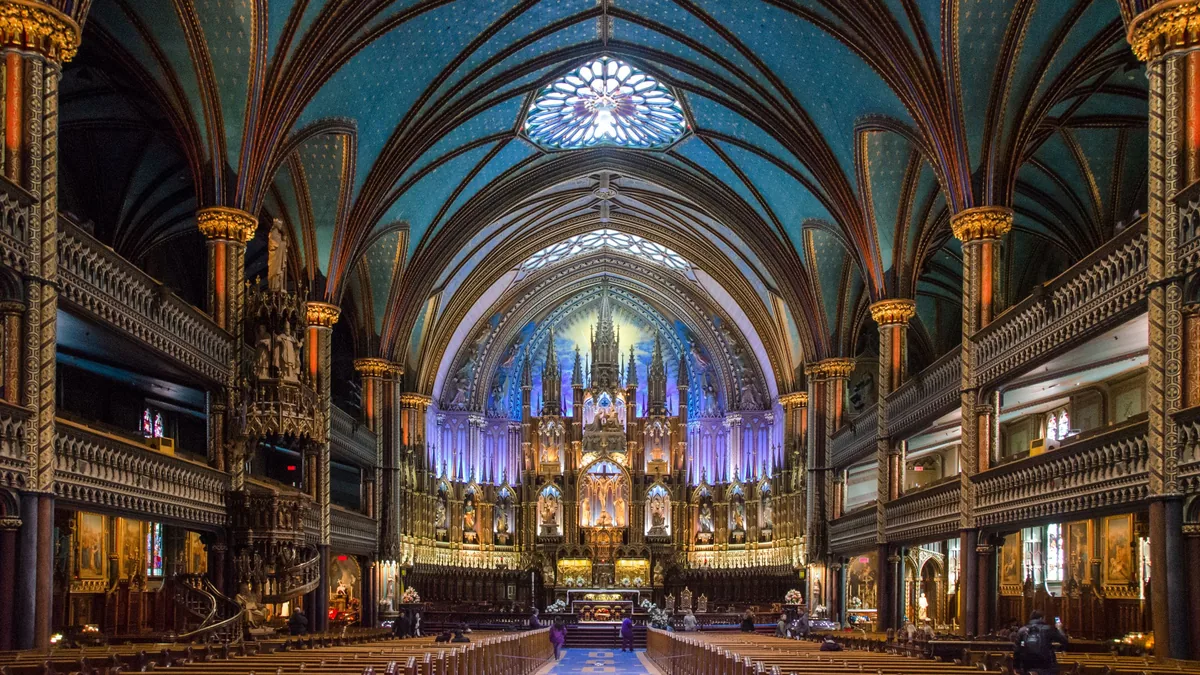
Notre-Dame Basilica
A Gothic Revival masterpiece completed in 1829; the interior nave is a deep sapphire blue decorated with thousands of 24-karat gold stars; the hand-carved linden wood reredos is one of the most complex in North America; enter for the evening AURA light show when the western clerestory windows catch the fading sun; the sound of the 7,000-pipe Casavant organ vibrates through the heavy oak pews.
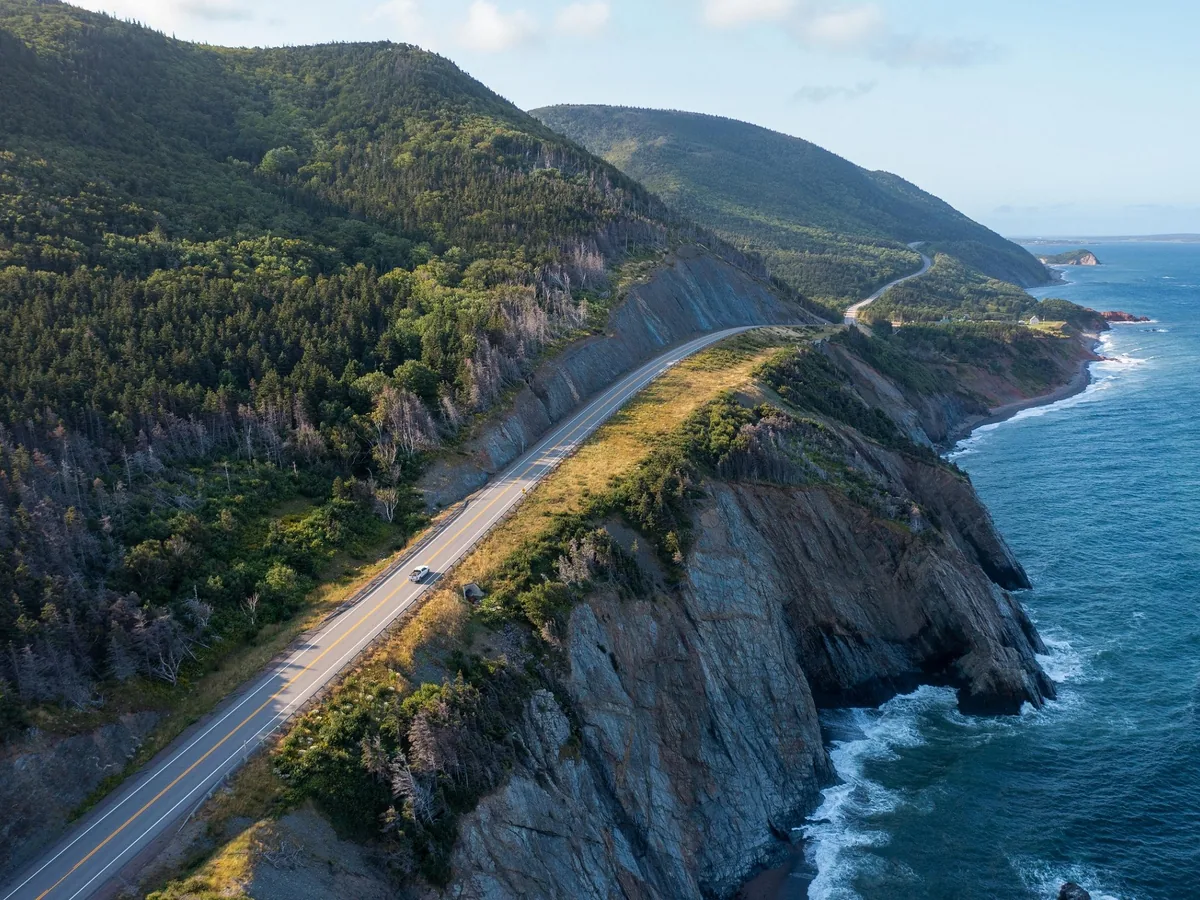
Cabot Trail
A 298-kilometre coastal loop that carves through the Cape Breton Highlands where 300-metre cliffs drop vertically into the Gulf of St. Lawrence; the road hairpins through ancient acadian forests of birch and maple; pull over at the Skyline Trail at dusk; the light turns the Atlantic to hammered silver; the only sound is the wind whistling through the stunted krummholz trees at the cliff edge.
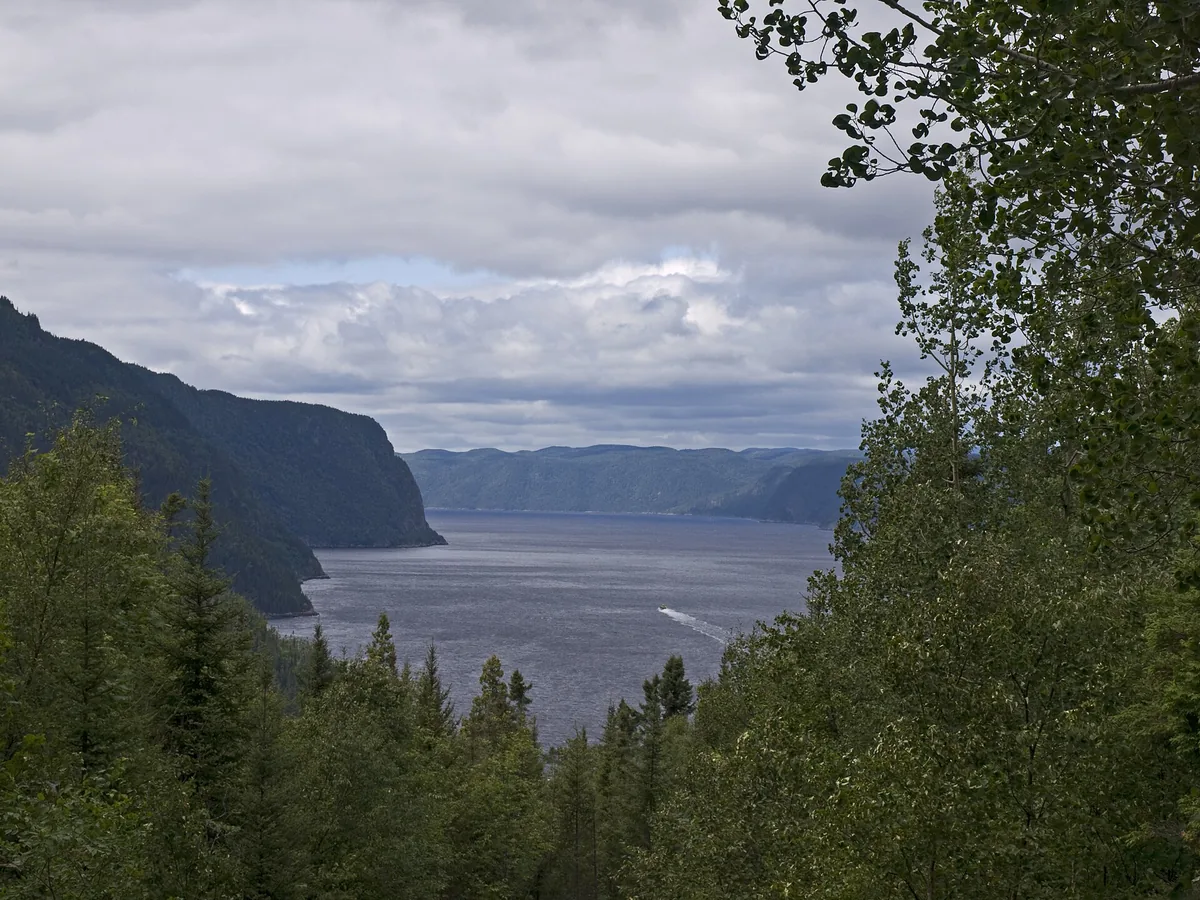
Saguenay–St. Lawrence Marine Park
The confluence of the Saguenay Fjord and the St. Lawrence River creates a unique nutrient-rich upwelling where beluga and blue whales congregate; the black glacial water is hundreds of metres deep; take a zodiac into the mouth of the fjord at 8 am; the pre-dawn mist rises from the water while the rhythmic blow of a whale breaks the silence; the air smells of cold salt and deep-sea minerals.
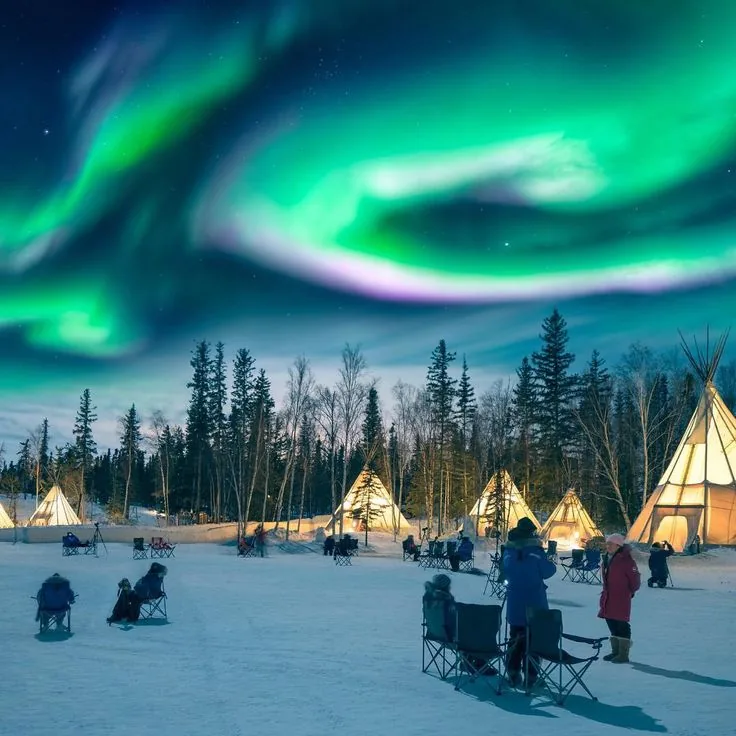
Aurora Village
A collection of traditional teepees positioned on the edge of the Precambrian Shield to witness the Aurora Borealis; the geomagnetic activity at 62 degrees north produces vibrant green and violet curtains of light; stand on the frozen lake at midnight in February; the temperature is -40°C; making the air so dry it crackles; the light dances in a silent; liquid motion across the star-crowded subarctic sky.
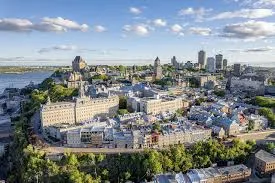
Vieux-Québec
North America's only fortified city north of Mexico; these 17th-century ramparts enclose a labyrinth of cobblestone streets and the copper-roofed Château Frontenac; the stone walls of the Place Royale retain the soot and scars of the 1759 siege; walk the Petit Champlain at dawn when the yellow streetlamps reflect off the damp granite while the scent of woodsmoke hangs in the cold St. Lawrence air.
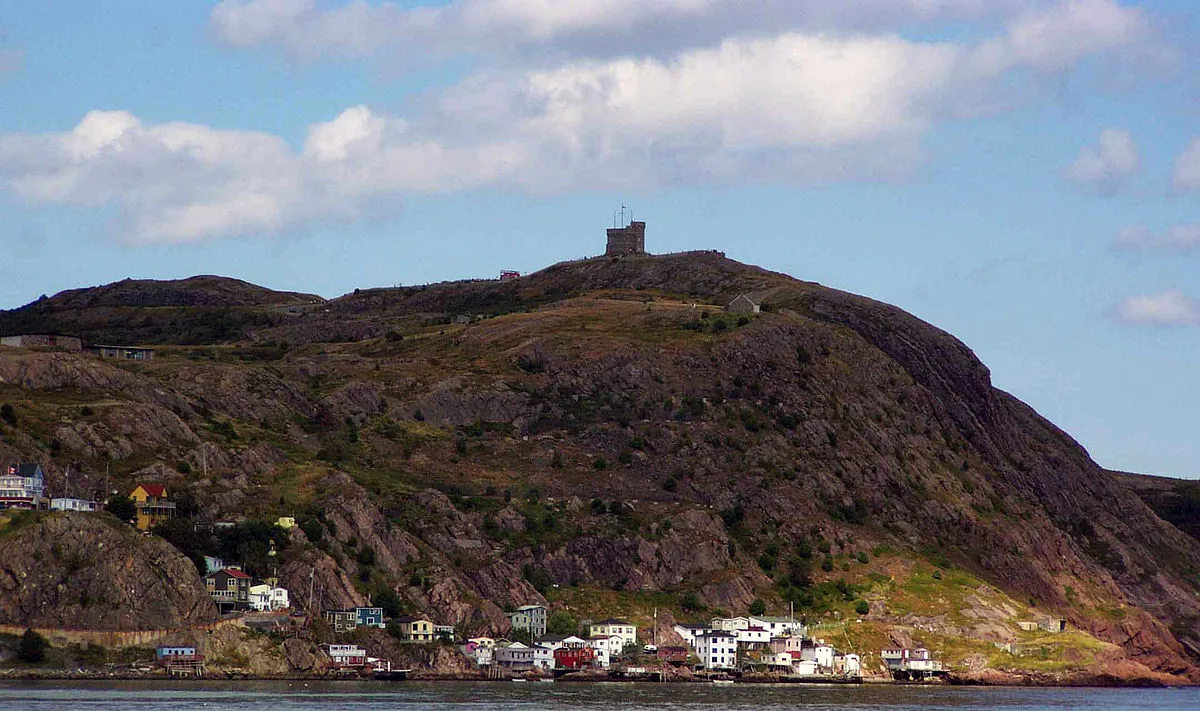
Signal Hill
The site of the first transatlantic wireless signal in 1901; this rugged headland of 500-million-year-old sandstone guards the entrance to St. John’s harbour; the stone Cabot Tower stands 150 metres above the Atlantic surge; watch for icebergs from the North Head Trail at sunrise; the wind is a constant; salt-laden force that carries the barking of seals from the kelp-slicked rocks far below.
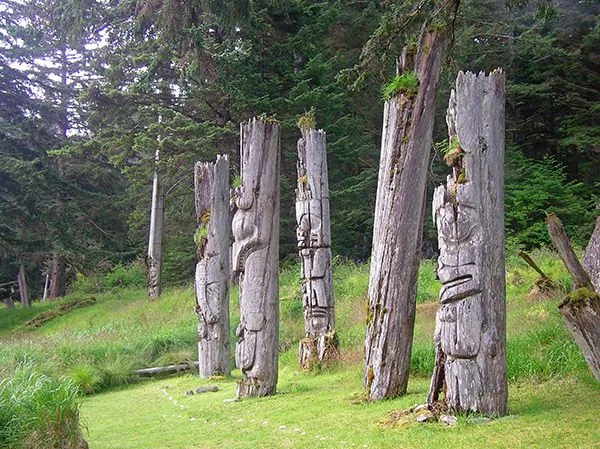
SGang Gwaay
A remote Haida village where 19th-century cedar mortuary poles stand in a state of deliberate; natural decay; the moss-slicked remains of the longhouses face the grey Pacific swells of the Hecate Strait; the UNESCO-listed site is accessible only by boat; stand among the weathered grey totems during a light drizzle; the silence is profound; broken only by the rhythmic lapping of the tide against the kelp.
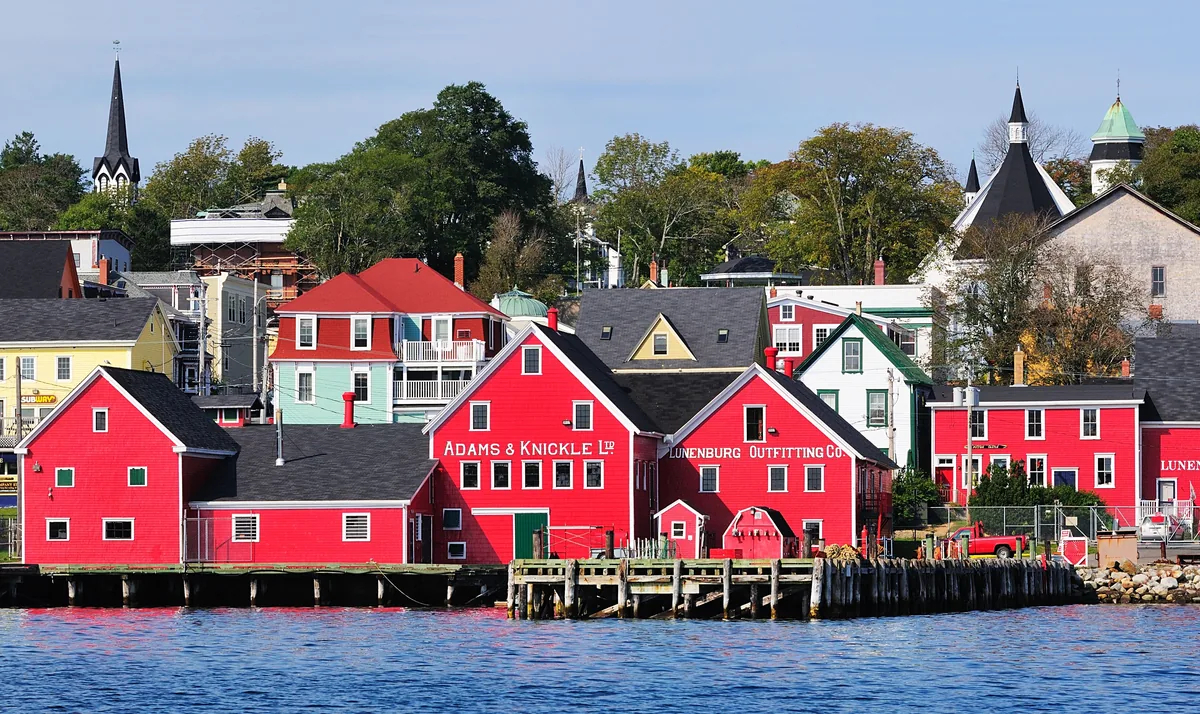
Old Town Lunenburg
A British colonial settlement established in 1753; defined by its rigid grid of timber-framed houses painted in saturated ochre; red; and black; the waterfront is dominated by the tall masts of the Bluenose II; walk the dockside at 6 am when the smell of drying fish and Atlantic salt is strongest; the sound of the harbour bell echoes off the brightly-painted wooden facades of the shipbuilders' district.
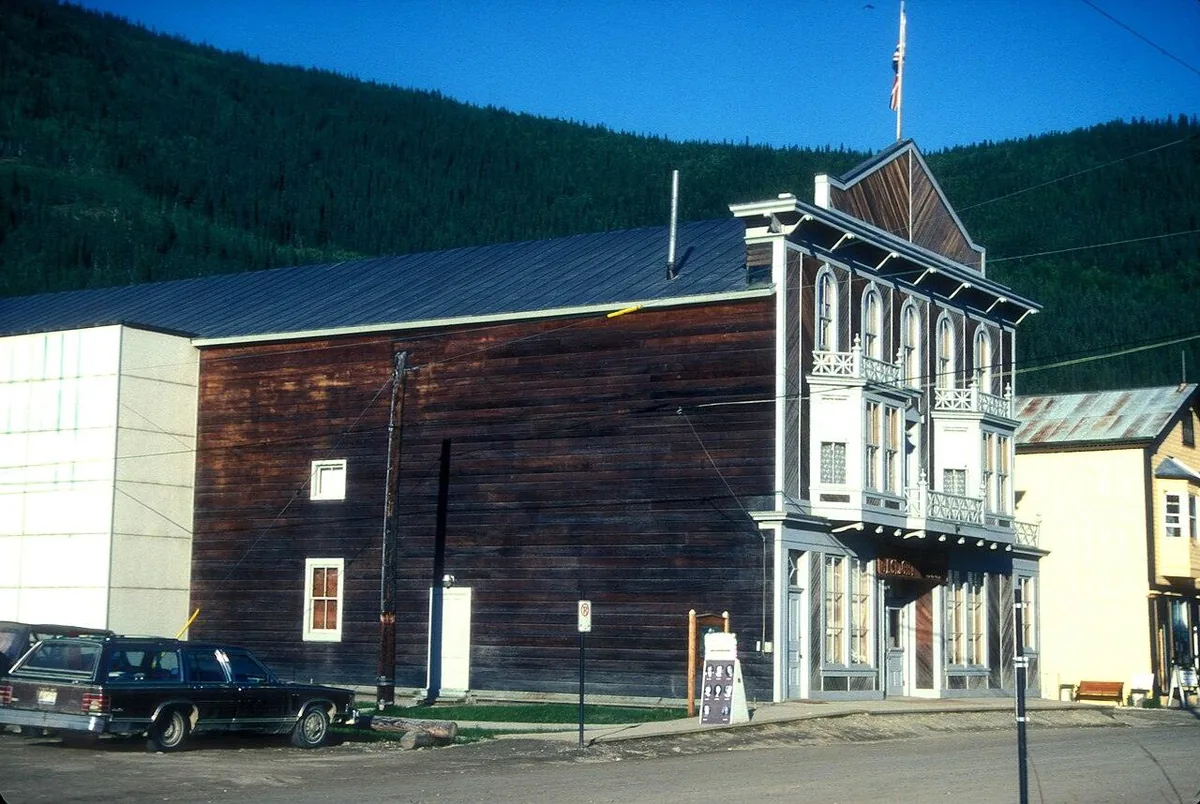
Dawson Historical Complex
The epicenter of the 1898 Klondike Gold Rush; where wooden boardwalks and leaning Victorian buildings are preserved on a permanent layer of permafrost; the Palace Grand Theatre remains a relic of frontier opulence in the subarctic wilderness; stand on Front Street at midnight during the summer solstice; the sun never sets; casting a low; amber light over the silt-grey waters of the Yukon River.
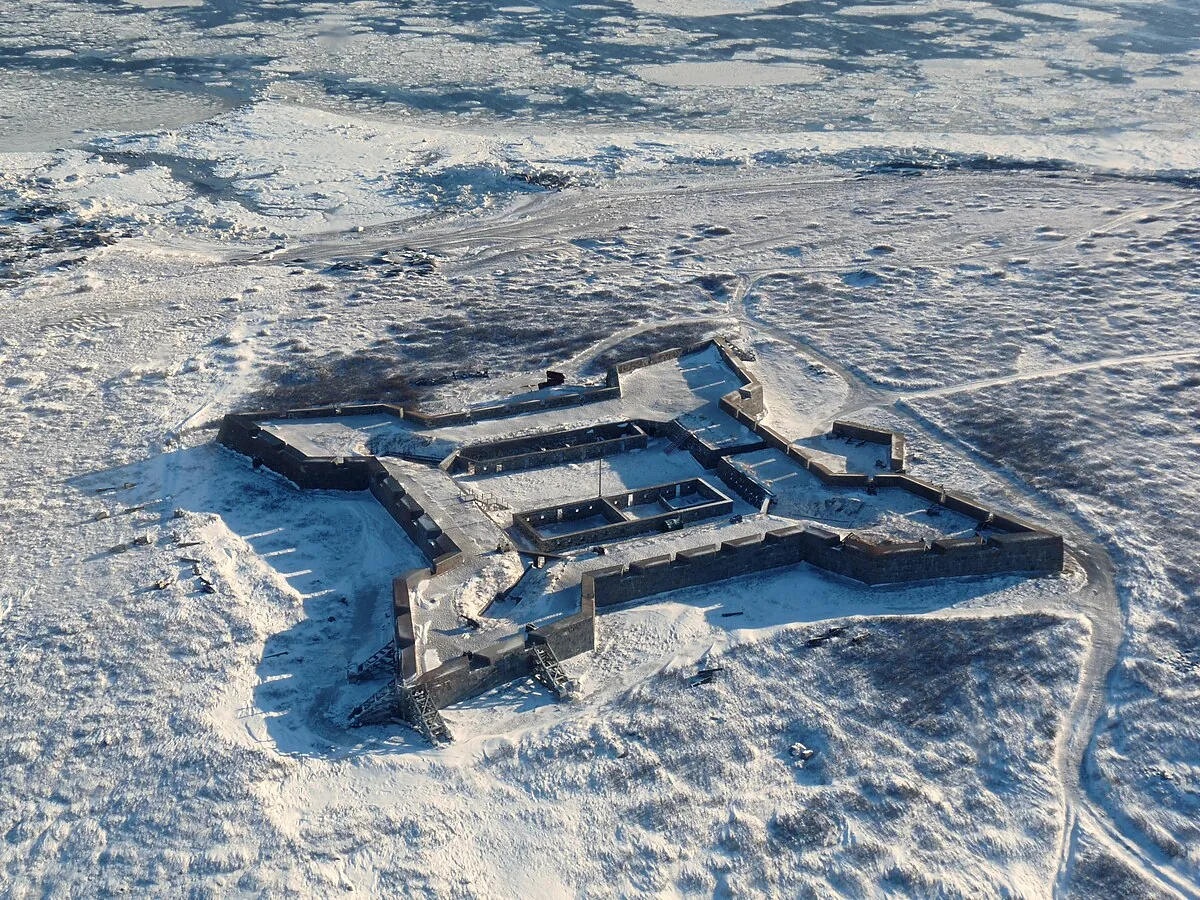
Prince of Wales Fort
An 18th-century star-shaped stone fortress built by the Hudson’s Bay Company to guard the fur trade; the walls are three metres thick and constructed from raw; local granite; the 42 cannons still face the subarctic waters of Hudson Bay; visit in October when polar bears prowl the tundra; the wind off the ice is a biting; metallic force that makes the stone walls feel like a desperate shelter.
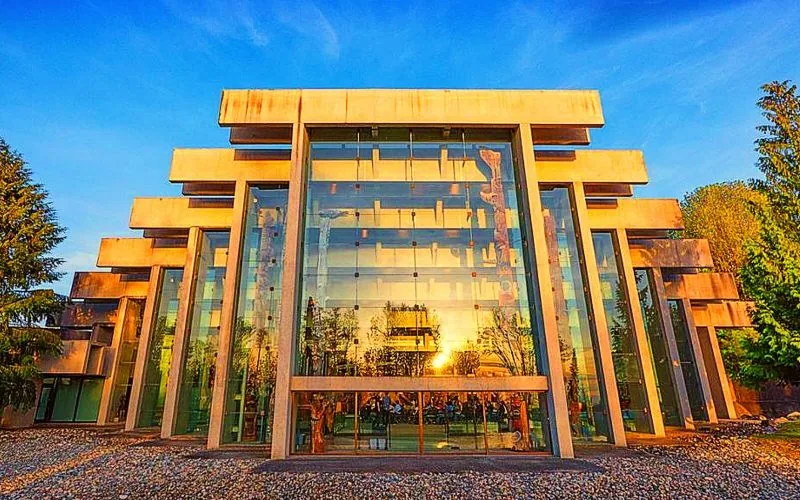
Museum of Anthropology
Arthur Erickson’s concrete-and-glass masterwork houses a staggering collection of First Nations carvings; including Bill Reid’s 'The Raven and the First Men'; the 15-metre glass walls overlook the Salish Sea and traditional Haida houses; visit at 4 pm when the western sun casts long; dramatic shadows of the totem poles across the gallery floor; the scale of the cedar carvings swallows the peripheral vision.
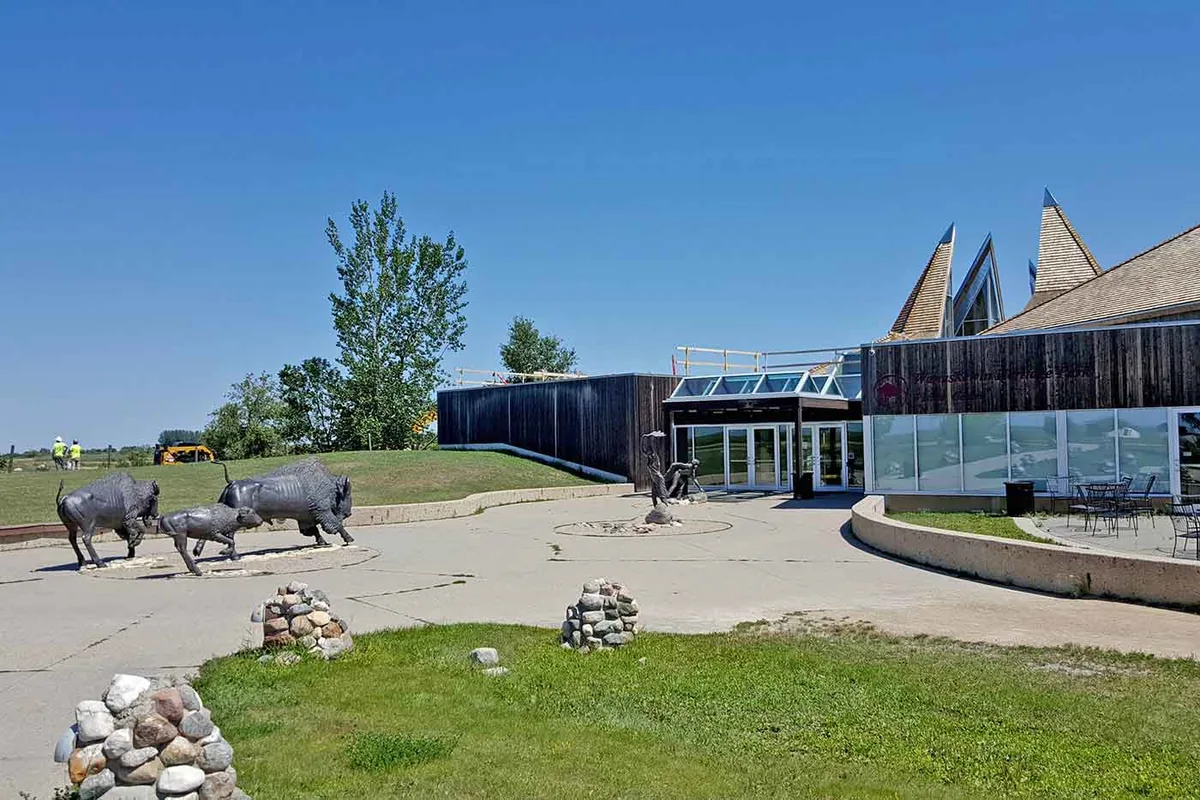
Wanuskewin
A 6,400-year-old gathering place of the Northern Plains Indigenous peoples; containing medicine wheels; bison jumps; and tipi rings carved into the prairie soil; the interpretive centre is a modernist echo of traditional lodge structures; walk the Path of the People at dusk; the wind through the sagebrush carries a sharp; herbal scent while the horizon stretches into an unbroken line of burnt orange.
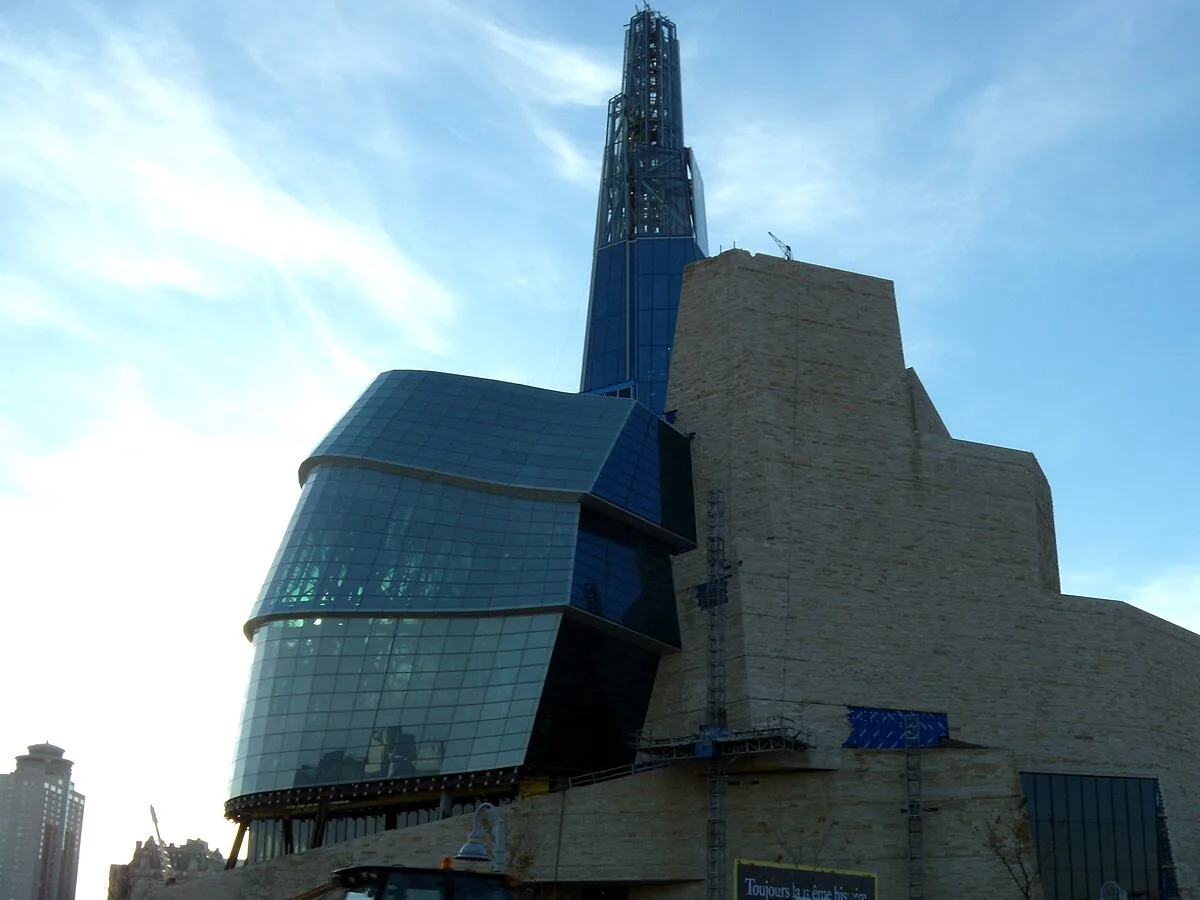
Canadian Museum for Human Rights
Antoine Predock’s architectural odyssey of curved steel and glass rises from the prairie; moving visitors through dark galleries toward the Tower of Hope; the alabaster ramps are illuminated from within; creating a glowing path through the cavernous interior; reach the summit at midday; the clinical light through the glass 'cloud' reveals a 360-degree panorama of the Red River junction.
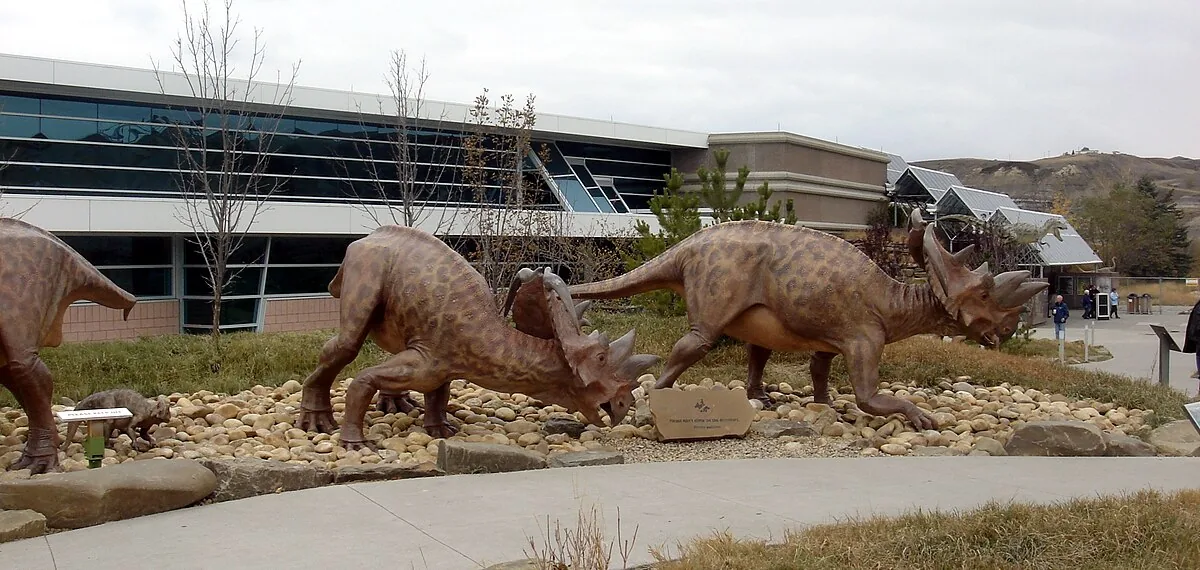
Royal Tyrrell Museum
Located in the heart of the Alberta Badlands; this facility houses one of the world's largest displays of dinosaur remains within its layered siltstone and sandstone galleries; the 'Black Beauty' T-rex skeleton has a distinct; metallic sheen from manganese minerals; walk the dinosaur hall at opening; the natural light from the high windows illuminates the fossilised texture of creatures that walked this laterite-red earth.
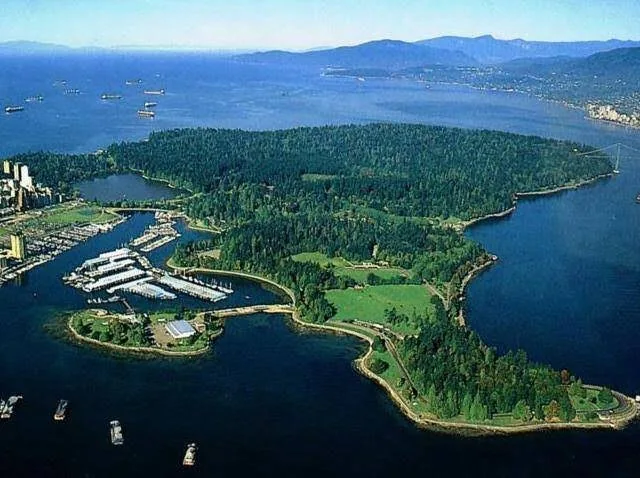
Stanley Park
A 405-hectare rainforest peninsula where thousand-year-old western red cedars meet the salt spray of the Pacific; the Seawall is a nine-kilometre loop of hand-laid stone protecting the forest from the Burrard Inlet; walk the western edge at dusk when the silhouettes of the totem poles at Brockton Point stand against a slate-grey sky; the air smells of brine and damp cedar mulch.
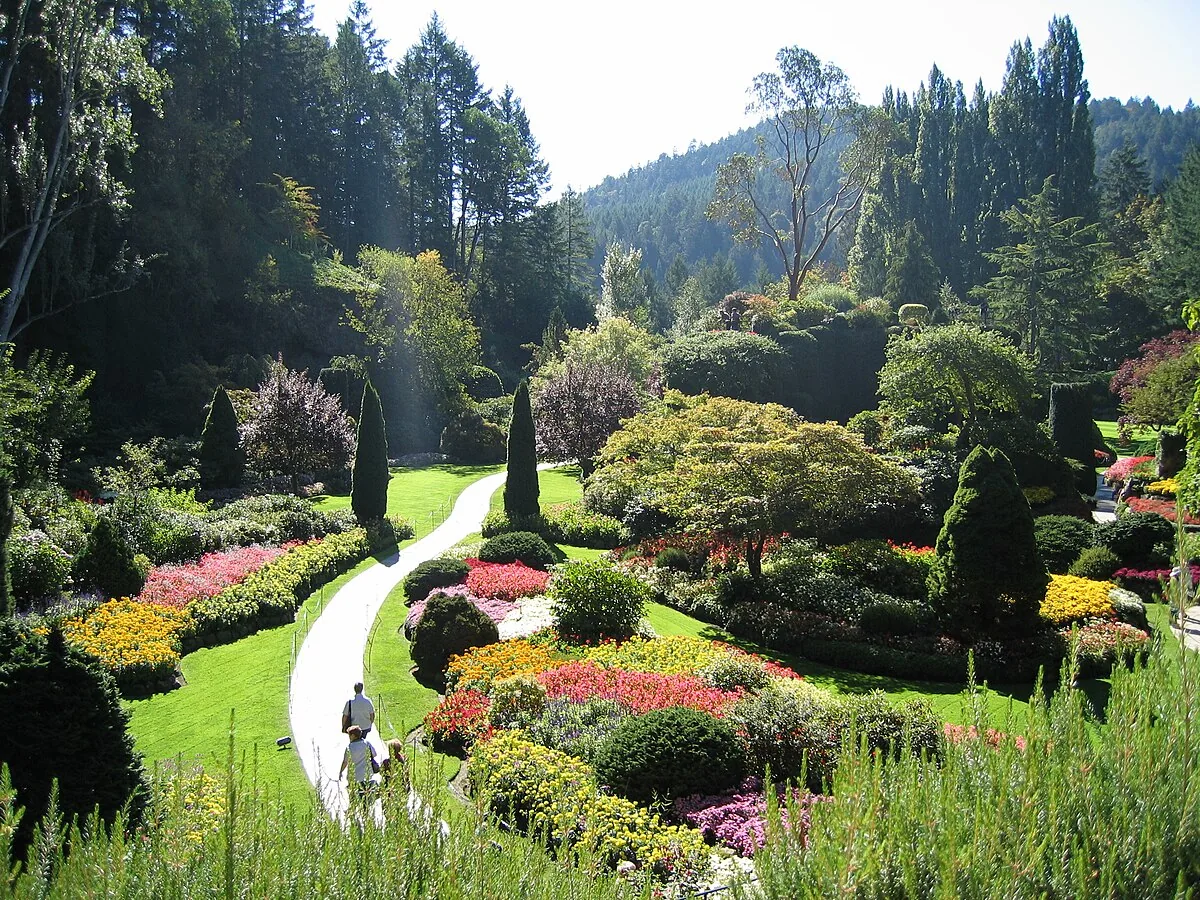
Butchart Gardens
A former limestone quarry transformed into a 22-hectare botanical masterpiece; the Sunken Garden features 50-metre rock walls draped in ivy and blossoming shrubs; the smell of 50,000 flowering bulbs is overwhelming in the humid valley floor; walk the Italian Garden at 10 am; the sound of the Ross Fountain provides a rhythmic white noise against the meticulously manicured rose borders.