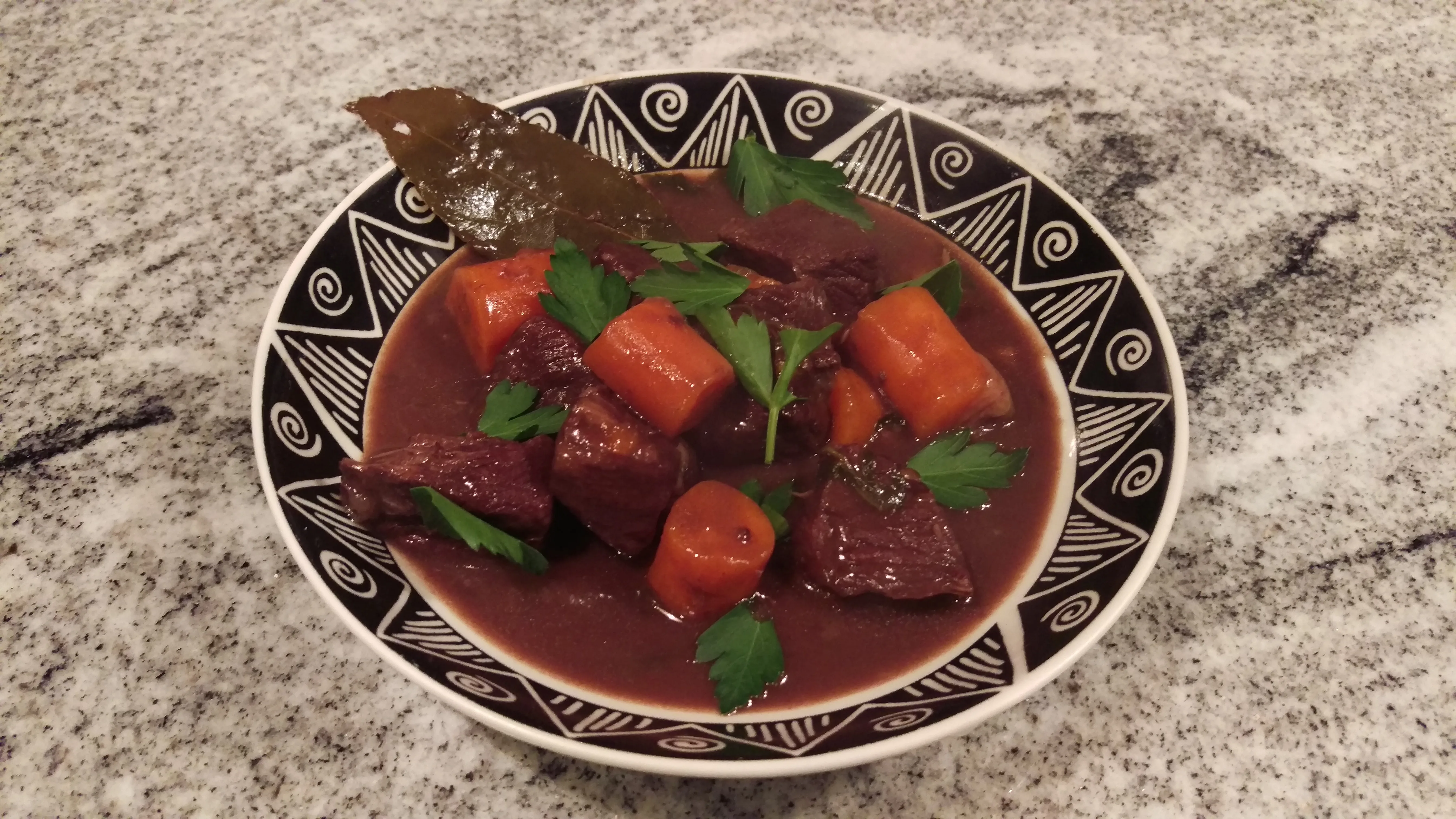
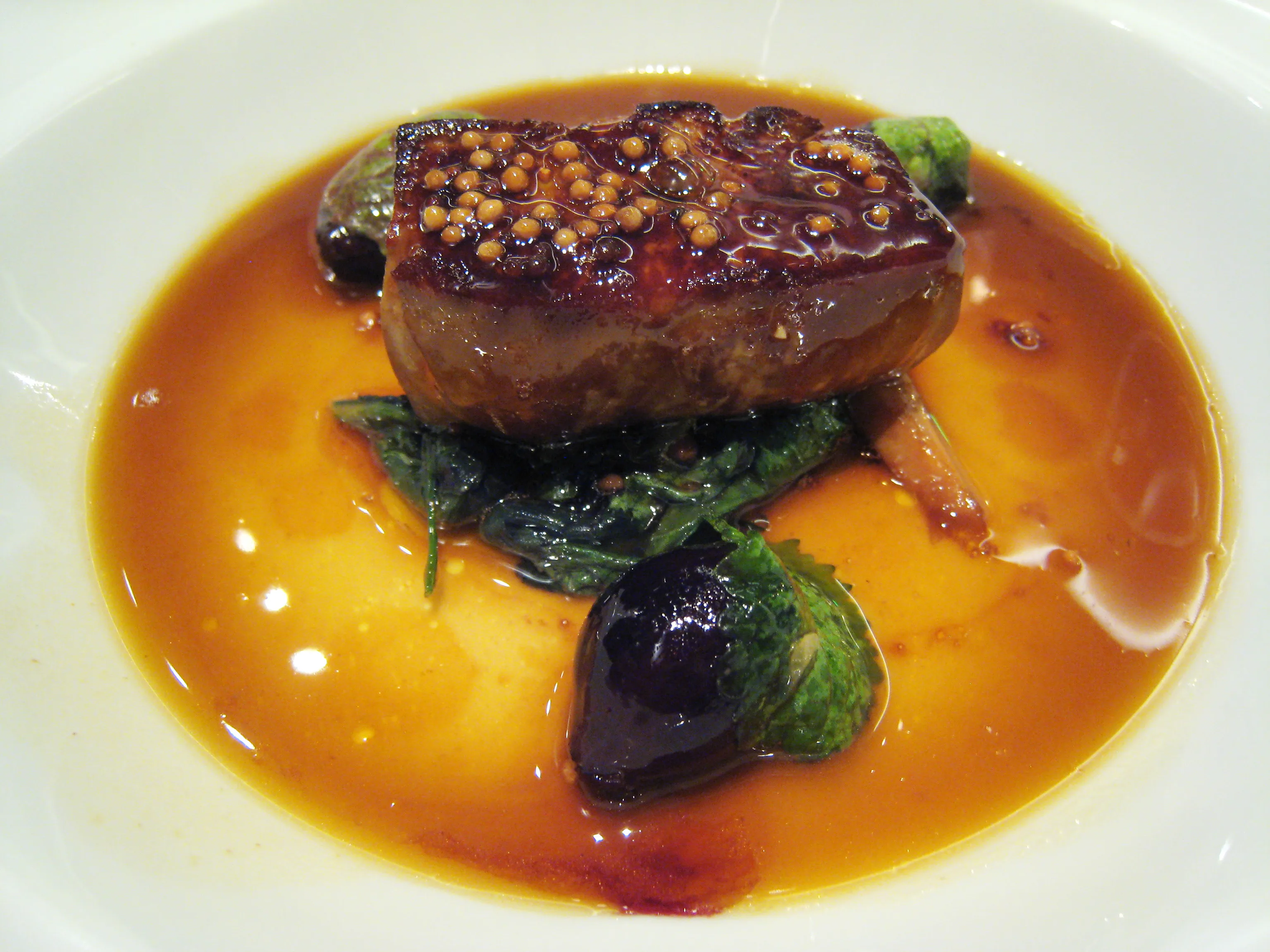
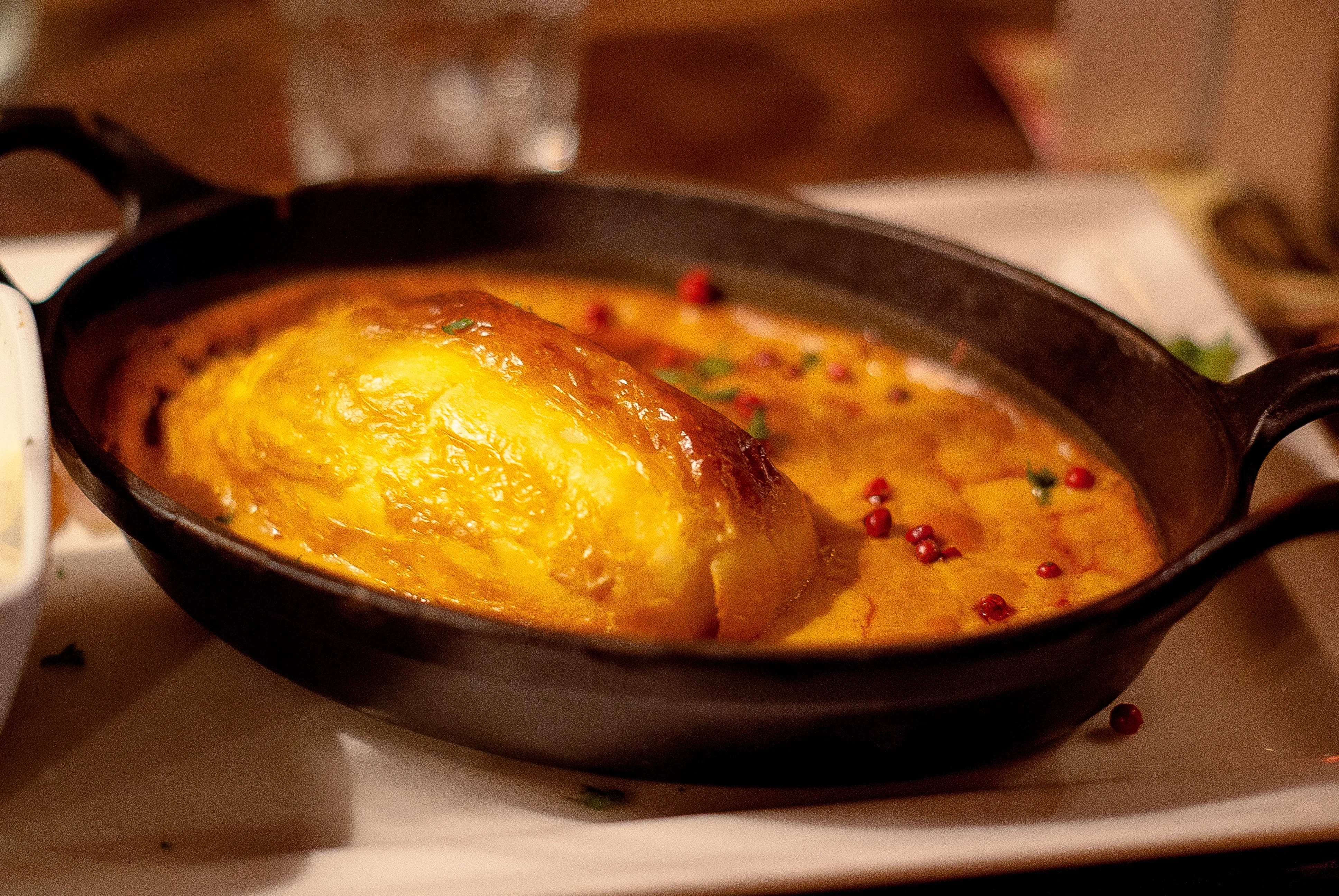
Marseille's fisherman's stew (five species of Mediterranean fish minimum, saffron, two-course service) has a legal charter specifying what it must contain.
About bouillabaisse
bouillabaisse is one of France's most beloved dishes, representing the rich culinary tradition of the region.
The Charter
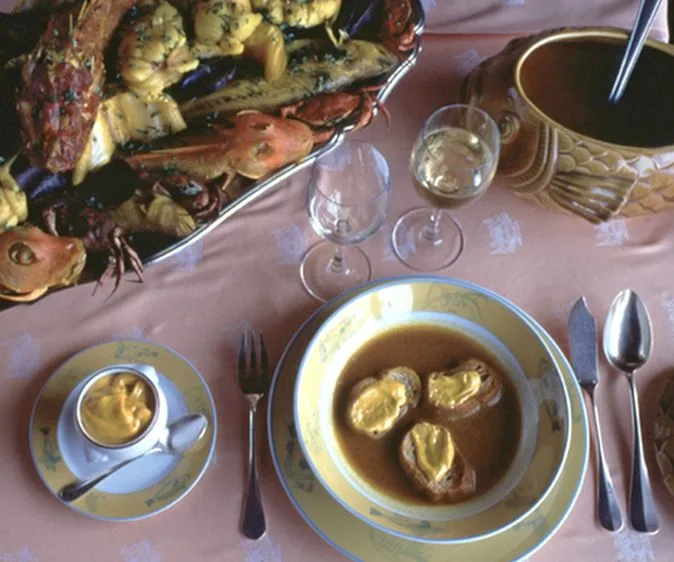
Marseille's bouillabaisse is defined by tradition so closely that the city's restaurants drew up a charter setting out what a genuine one must contain: several Mediterranean fish, among them rascasse, conger and gurnard, plus saffron, fennel, tomato and olive oil. It is served in two courses, the saffron broth with rouille-spread croutons first, then the poached fish. Anything less is something else.
“It is served in two courses, the saffron broth with rouille-spread croutons first, then the poached fish.”
The Cost
A real bouillabaisse is expensive because it depends on multiple kinds of fresh, often bony Mediterranean rockfish that cannot be substituted. The price reflects the catch rather than any luxury flourish. A cheap version on a tourist menu is, almost by definition, not the genuine article.
The Two-Course Service
The ritual of service is part of the dish. The broth comes first in a tureen, fragrant with saffron and fennel, with croutons and rouille, the garlic-and-saffron sauce, to float on top. Only then does the fish arrive on a separate platter, the reward after the broth's complexity. The order is not ceremony for its own sake but the way the dish is built to be eaten.
Marseille and the Sea
Bouillabaisse began as a fishermen's pot, a way to use the unsellable rockfish left after the good catch was sold. That origin still defines it: it needs the day's local catch and does not travel or substitute well. More than almost any French dish, it tells the story of a particular port and its relationship with the Mediterranean.
What to Expect
The broth arrives first in a tureen, coral, fragrant with saffron and fennel. Rouille is spread on croutons and they are floated. Then the fish arrives on a separate platter. The sequence matters, the broth is the complexity, the fish the reward.
Why Try It
Bouillabaisse tells the story of Marseille's relationship with the sea, a port city's dish that requires the day's catch and does not work with substitutes, which is different from everywhere else in France.
Insider Tips
- Chez Fonfon in Marseille's Vallon des Auffes is the most historic address.
- Budget €60-80 per person for the genuine version. If it's cheap, it's not bouillabaisse.
- Order the rouille (garlic-saffron aioli) separately, the standard portion never covers enough croutons.