All landmarks and tourist attractions in France
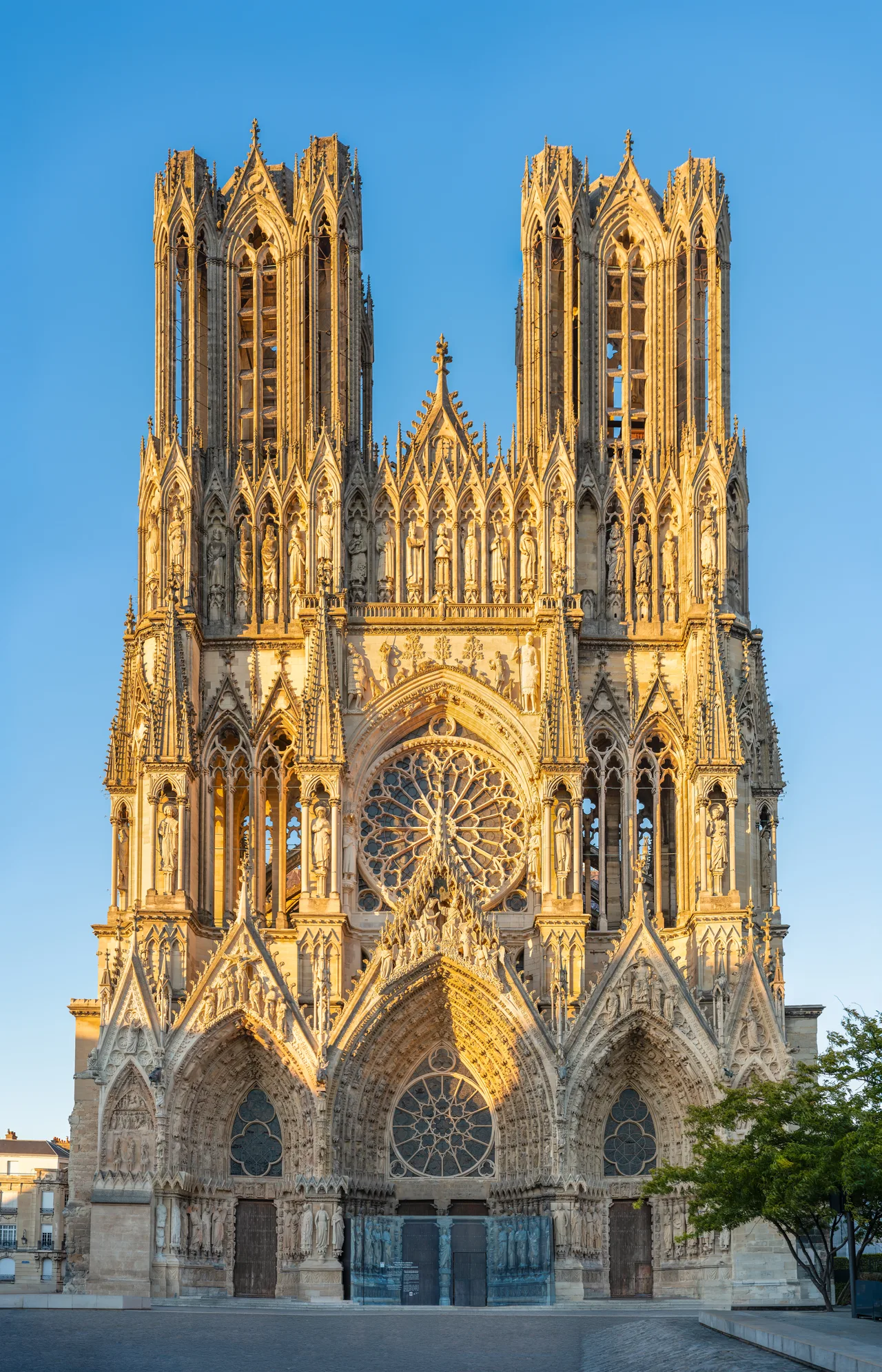
Cathedrale Notre Dame Reims
Twenty-five French kings were crowned in this High Gothic cathedral between the tenth and nineteenth centuries, German artillery burned it in 1914, Marc Chagall added new windows in 1974, and the Smil
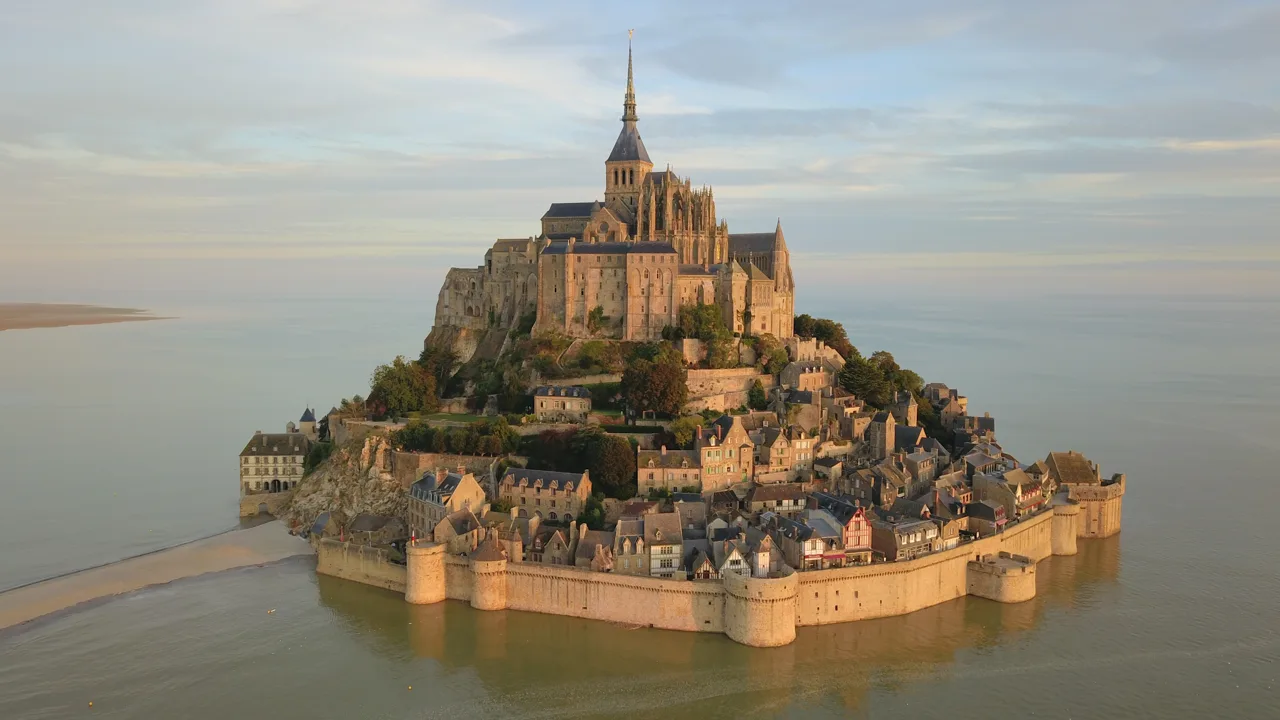
Mont Saint Michel
A Benedictine abbey has occupied this tidal island since 708 CE, when a bishop reported a vision from the Archangel Michael, and the abbey resisted English siege for over two decades during the Hundre
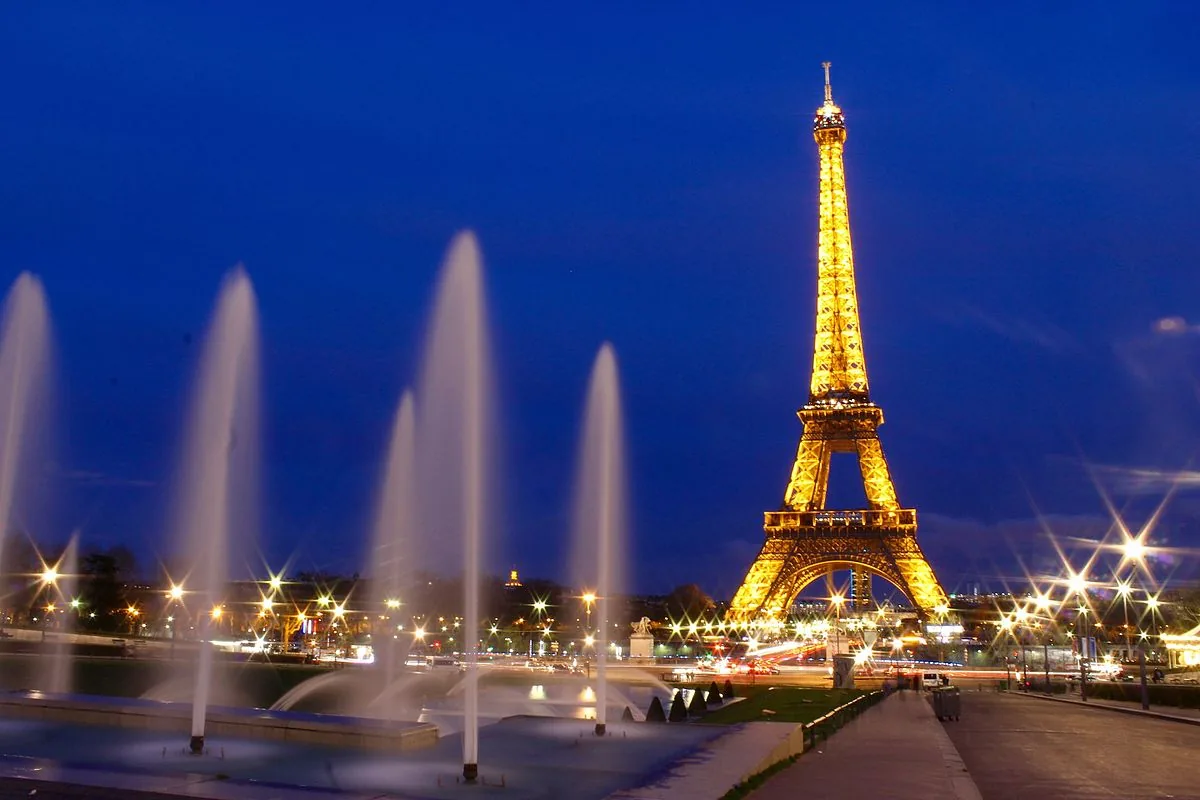
Eiffel Tower
Constructed for the 1889 World's Fair; this 330-metre puddled iron lattice remains the definitive global symbol of industrial daring; the structure shrinks and expands by up to 15 centimetres depending on thermal variance; ascend the North Pillar at dusk to watch the 20,000 flash bulbs ignite; the city below dissolves into a grid of golden sodium light and moving white luminescence.
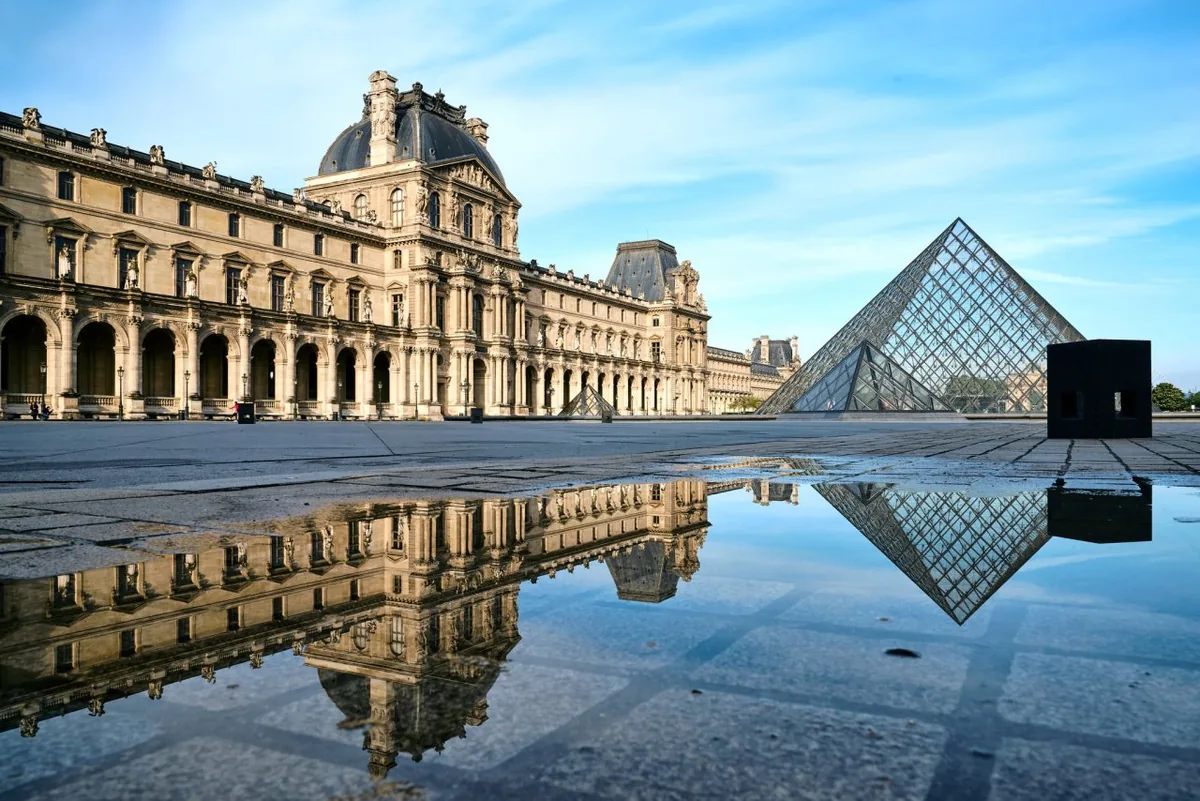
Musée du Louvre
The world’s largest art repository occupies a 12th-century fortress and former royal seat; the 1989 I.M. Pei glass pyramid creates a subterranean nexus for 35,000 works across three wings; stand in the Cour Marly at 10 am when the sunlight strikes the 18th-century marble sculptures; the smell of floor wax and the low hum of five centuries of visitors define the air.
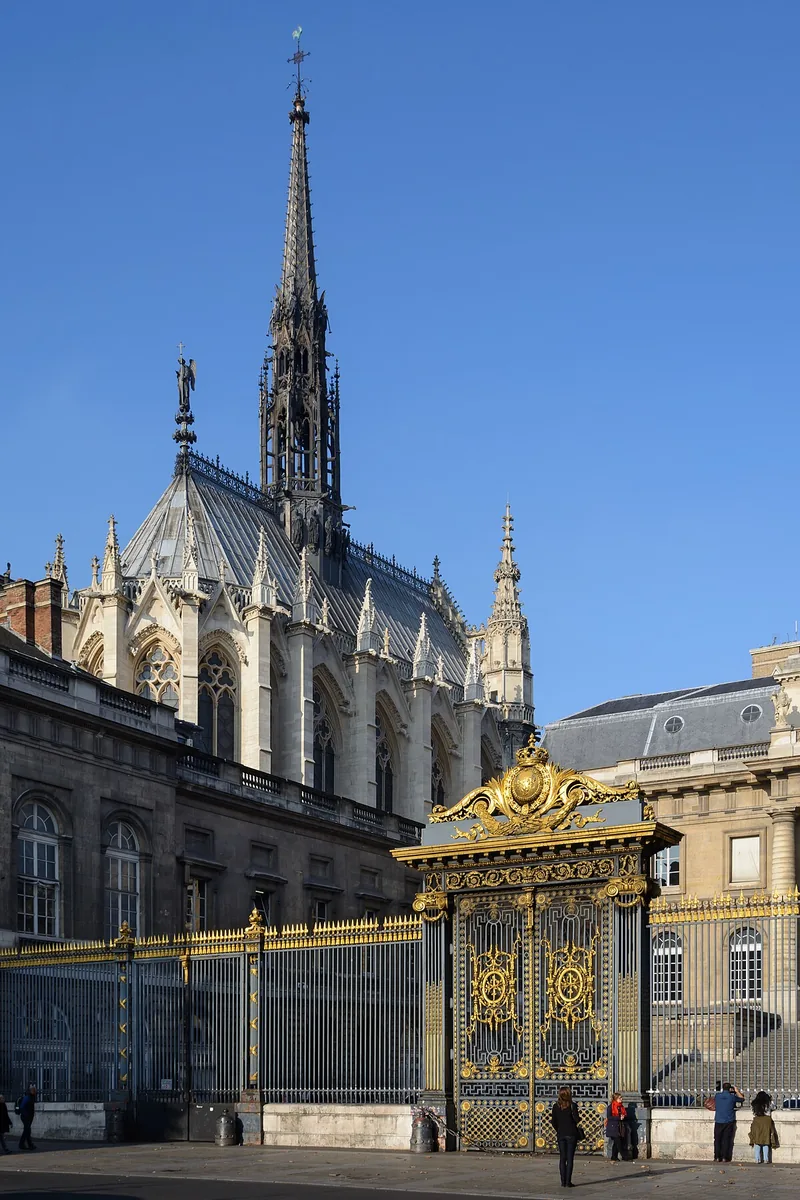
Sainte-Chapelle
A 13th-century Rayonnant Gothic jewel box built by Saint Louis to house the Crown of Thorns; fifteen 15-metre stained-glass windows depict 1,113 biblical scenes in deep cerulean and crimson; the stone structure is so minimal it feels entirely supported by light; visit on a cloudless morning when the southern sun projects kaleidoscopic patterns onto the fleur-de-lis floor tiles.
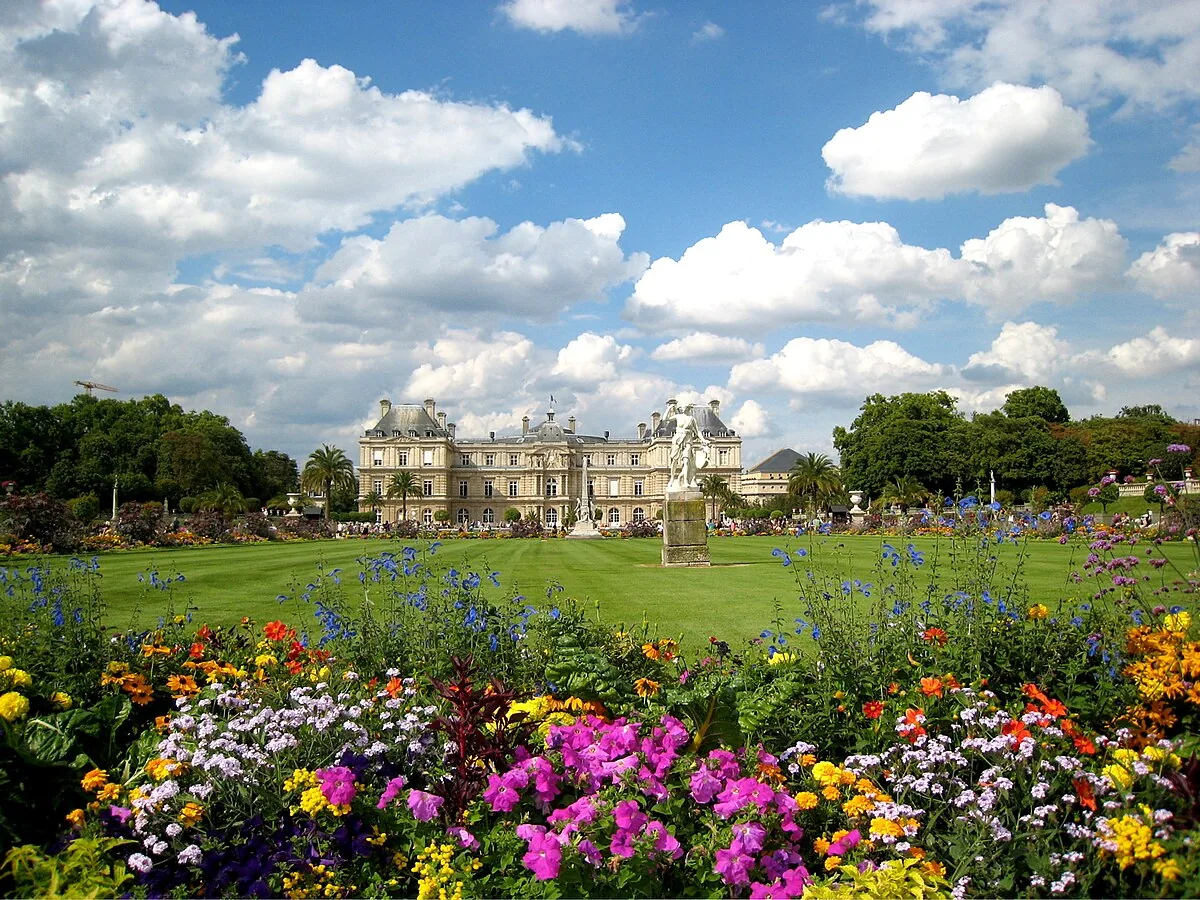
Jardin du Luxembourg
Commissioned in 1612 by Marie de' Medici; these 23-hectare grounds feature gravel paths and the ornate Italianate Medici Fountain; the octagonal Grand Bassin serves as a stage for traditional wooden pond yachts; sit in a classic sage-green Fermob chair during the late afternoon; the sound of tennis balls and French children shouting over the pond creates a timeless Parisian soundscape.
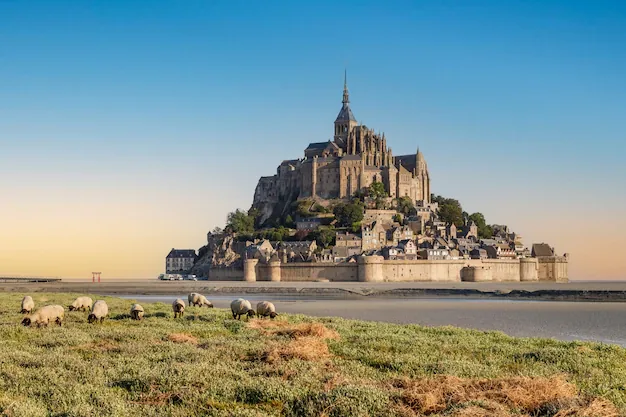
Abbaye du Mont-Saint-Michel
A gravity-defying Benedictine abbey perched on a granite outcrop within a bay experiencing 14-metre tidal fluctuations; the 11th-century Romanesque nave meets a flamboyant Gothic choir in a structural feat known as La Merveille; climb the Grand Degré at dawn to witness the sea mist retreating from the causeway; the silence of the cloister garden offers a sharp contrast to the windswept ramparts.
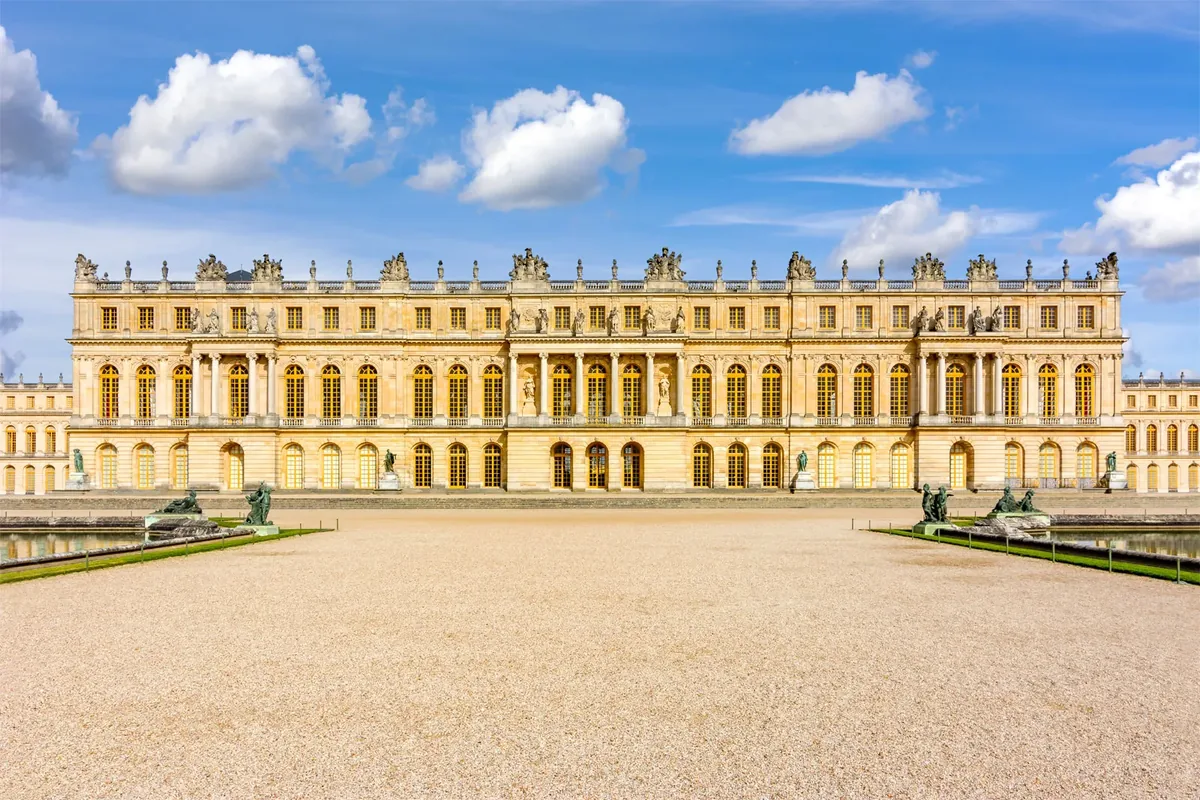
Château de Versailles
The 1682 seat of Bourbon power features the 73-metre Hall of Mirrors where 357 mirrors face 17 arched windows overlooking the Petit Parc; the Baroque architecture by Jules Hardouin-Mansart dictates a rigid axial symmetry; walk the Tapis Vert toward the Grand Canal at sunset; the gilded fountains reflect the final orange light; the air carries the scent of damp gravel and boxwood.
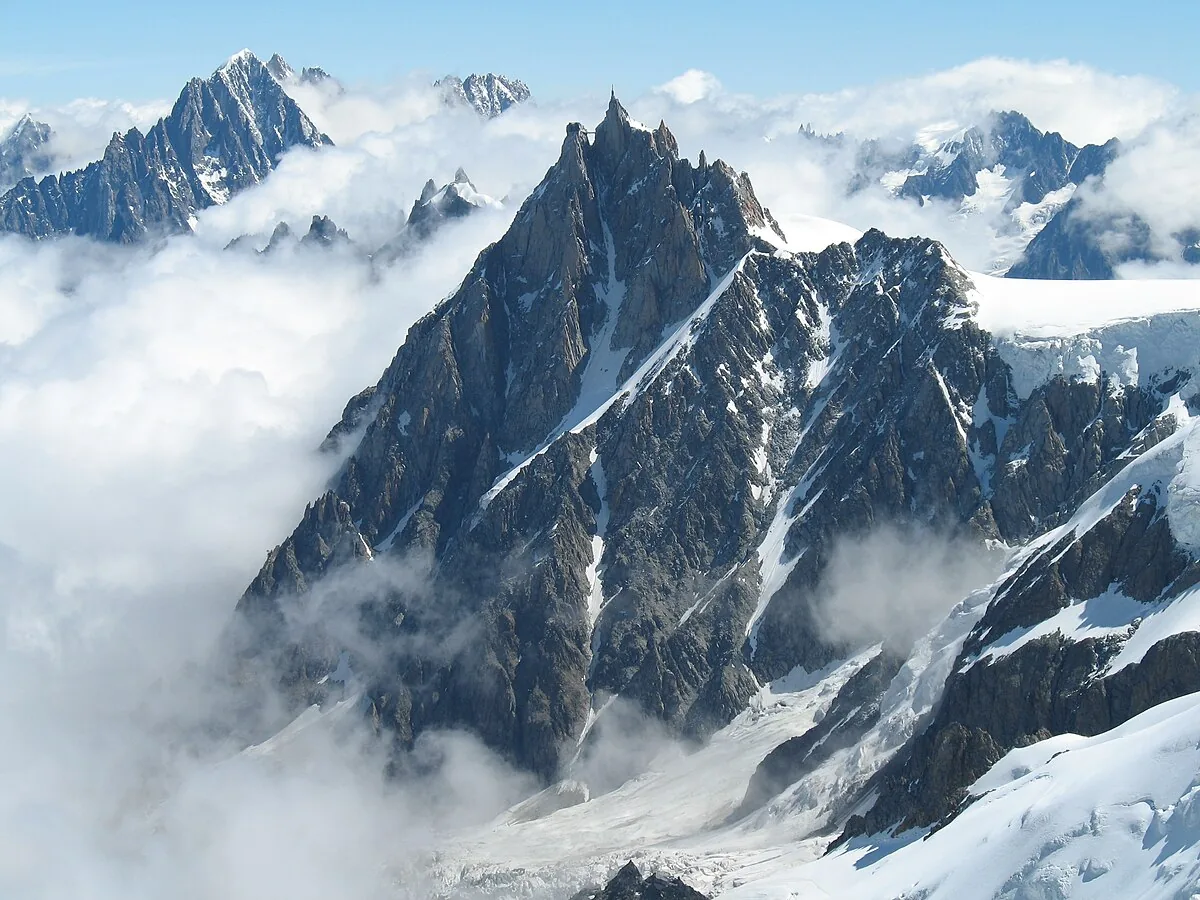
Aiguille du Midi
A jagged granite needle rising to 3,842 metres within the Mont Blanc massif; the vertical cable car ascent offers a 2,800-metre elevation gain in twenty minutes; stand on the 'Step into the Void' glass skywalk to look directly down at the Bossons Glacier; the air is thin and metallic-tasting while the surrounding peaks create a 360-degree horizon of blue ice.
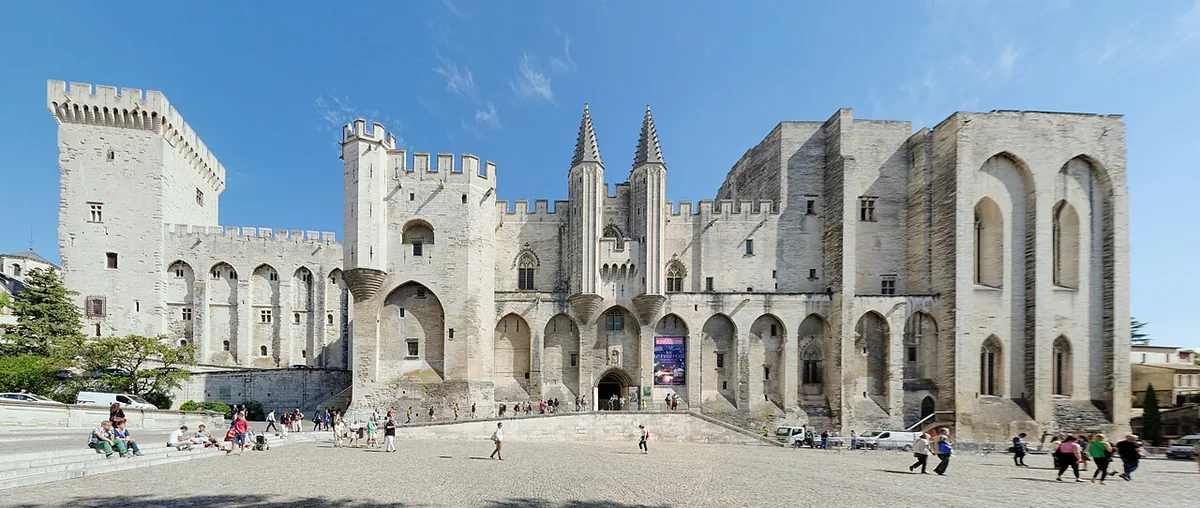
Palais des Papes
The world’s largest Gothic palace served as the papal seat during the 14th-century Great Schism; its fortress-like walls reach 50 metres in height and enclose ten towers; enter the Saint-Martial chapel to see Matteo Giovannetti's lapis-lazuli frescoes; the mistral wind often howls through the stone machicolations; the interior remains chilled even in the peak of the Provençal summer.
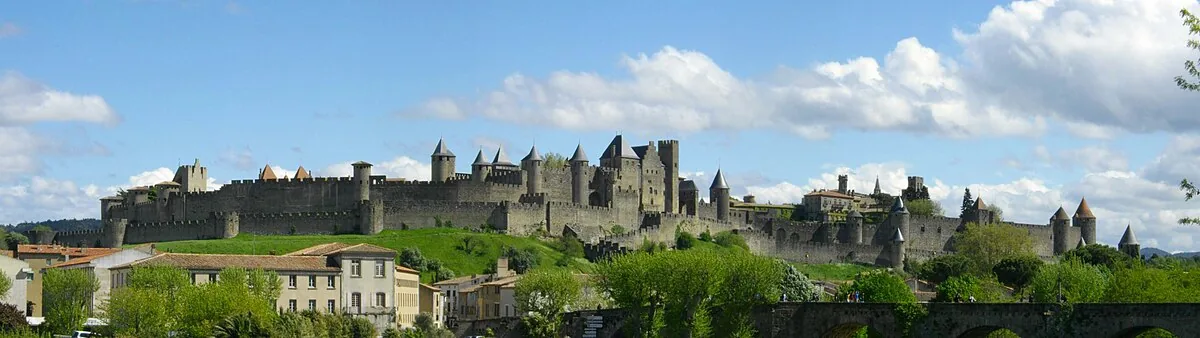
Cité de Carcassonne
A massive medieval citadel featuring a double ring of ramparts and 52 pointed stone towers restored by Viollet-le-Duc in the 19th century; the Narbonne Gate serves as the primary entrance to a labyrinth of cobblestone streets; walk the lices, the space between the two walls, at night when the floodlights turn the sandstone golden; the view overlooks the Aude River valley.
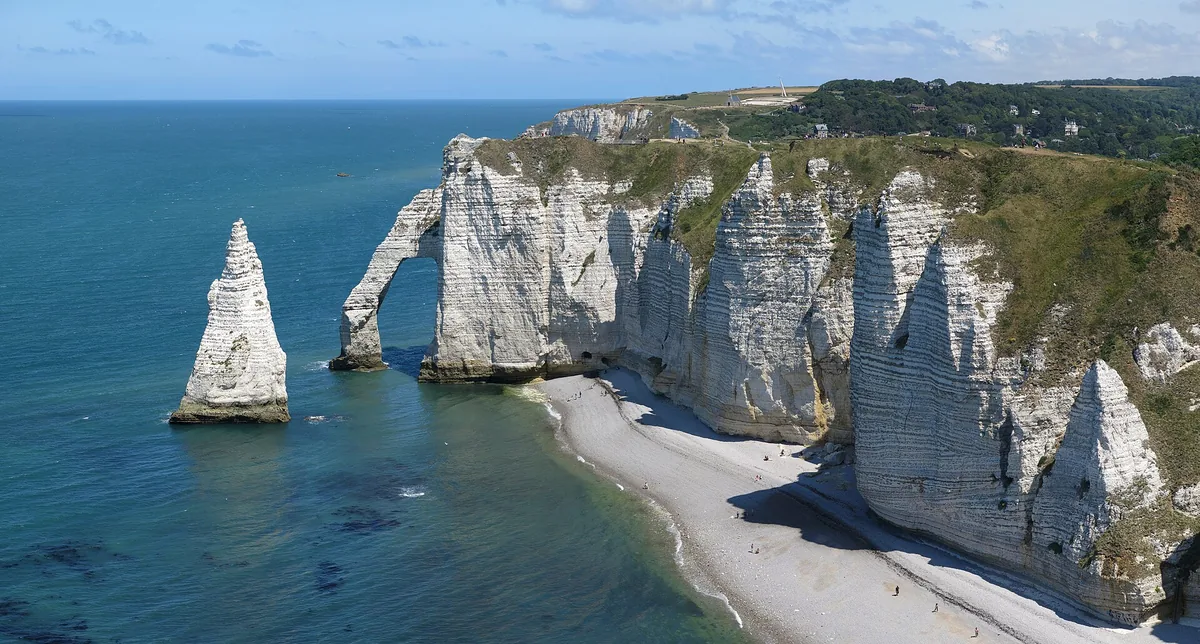
Falaise d'Aval
The Alabaster Coast’s white chalk cliffs feature three natural arches and a 70-metre needle rock; the flint-streaked rock face has been carved by Atlantic erosion over millennia; hike the GR21 trail to the top of the Porte d'Aval during a spring tide; the sound of the surf crashing against the hollowed-out flint caves creates a rhythmic thundering in the ground.
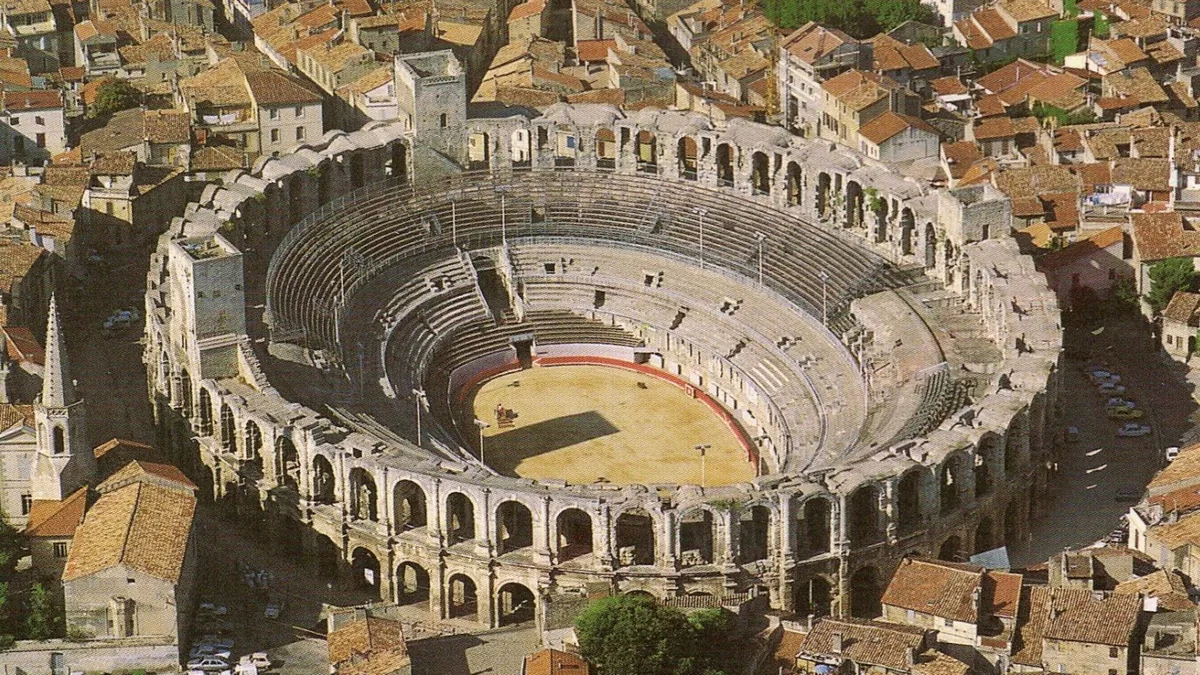
Arles Amphitheatre
A double-tiered Roman arena built in 90 AD that once held 20,000 spectators for gladiatorial combat; the 120 arches show the transition from Doric to Corinthian orders; climb the medieval watchtower added when the site was a fortified village; the sun-bleached limestone reflects intense heat; the shadow cast by the outer ring provides a cool sanctuary during the intense midday Mediterranean sun.
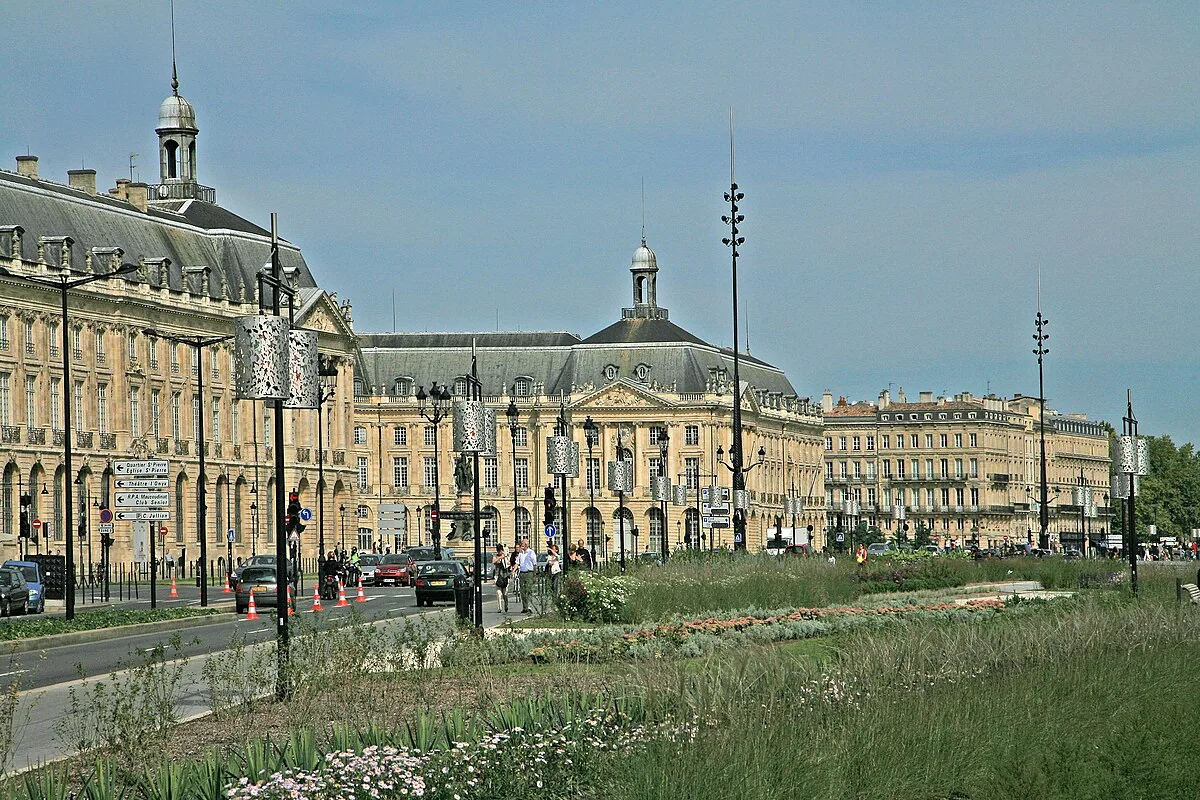
Place de la Bourse
The 18th-century royal square designed by Ange-Jacques Gabriel is mirrored in the Miroir d'eau; this 3,450-square-metre granite slab is covered by two centimetres of water creating a perfect reflection; every fifteen minutes a fog system creates a thick artificial mist; the neoclassical architecture represents the peak of the Age of Enlightenment’s urban planning; the Garonne river provides a constant cool breeze.
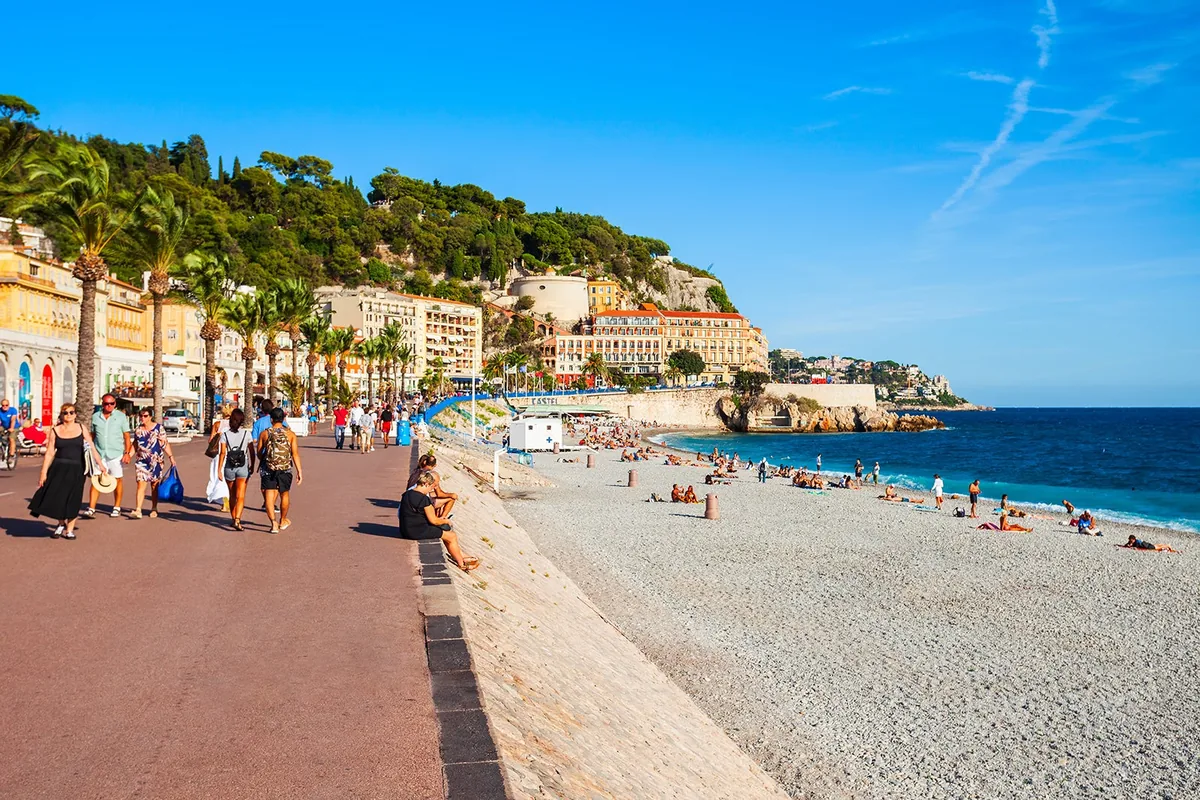
Promenade des Anglais
A seven-kilometre crescent of Mediterranean waterfront lined with Belle Époque architecture and iconic blue chairs; the 1912 Hotel Negresco's pink dome dominates the skyline; walk the pebbled shoreline at sunrise when the sea is a flat sheet of cobalt and the palm trees are silhouetted against a pale violet sky; the smell of salt and diesel from departing yachts drifts from the port.
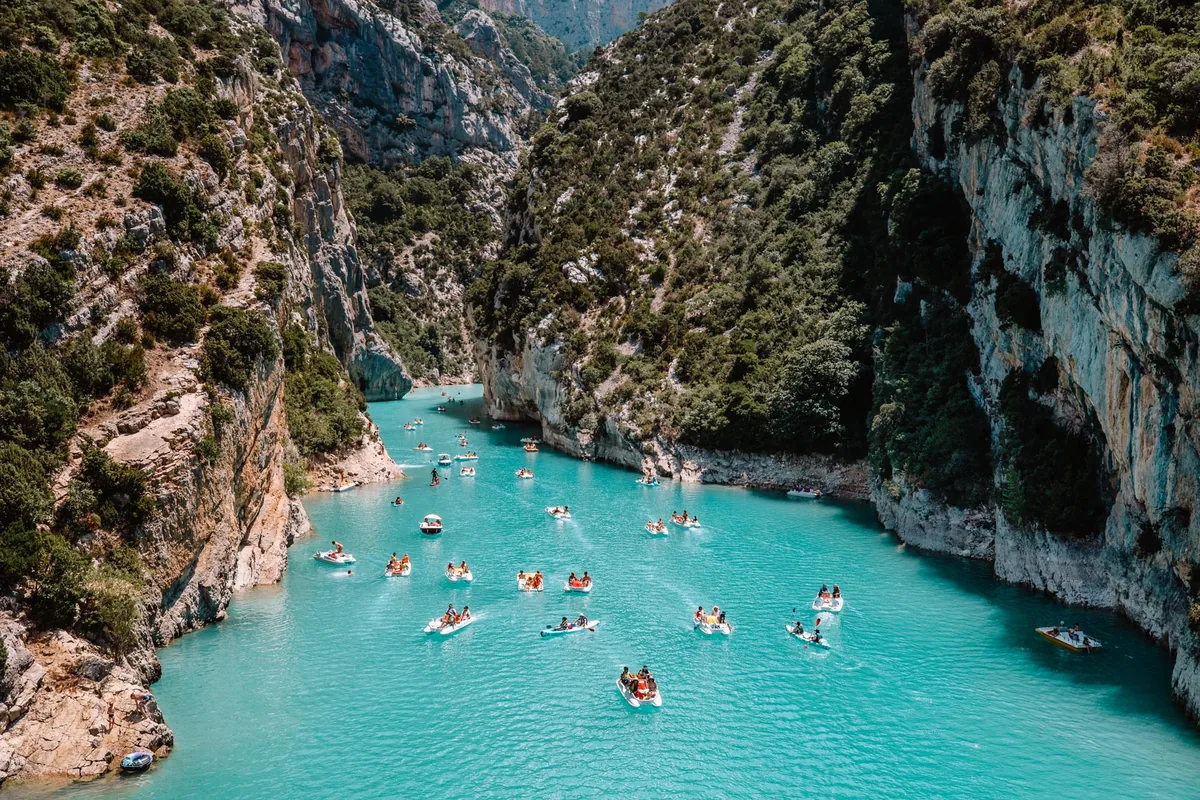
Gorges du Verdon
Europe’s most dramatic limestone canyon drops 700 metres to the turquoise Verdon River; the Route des Crêtes provides fourteen lookout points over the Point Sublime; the scent of wild thyme and rosemary clings to the limestone cliffs; rent an electric boat at the Galetas Bridge to enter the canyon mouth where the water is chilled by Alpine runoff even in mid-August.
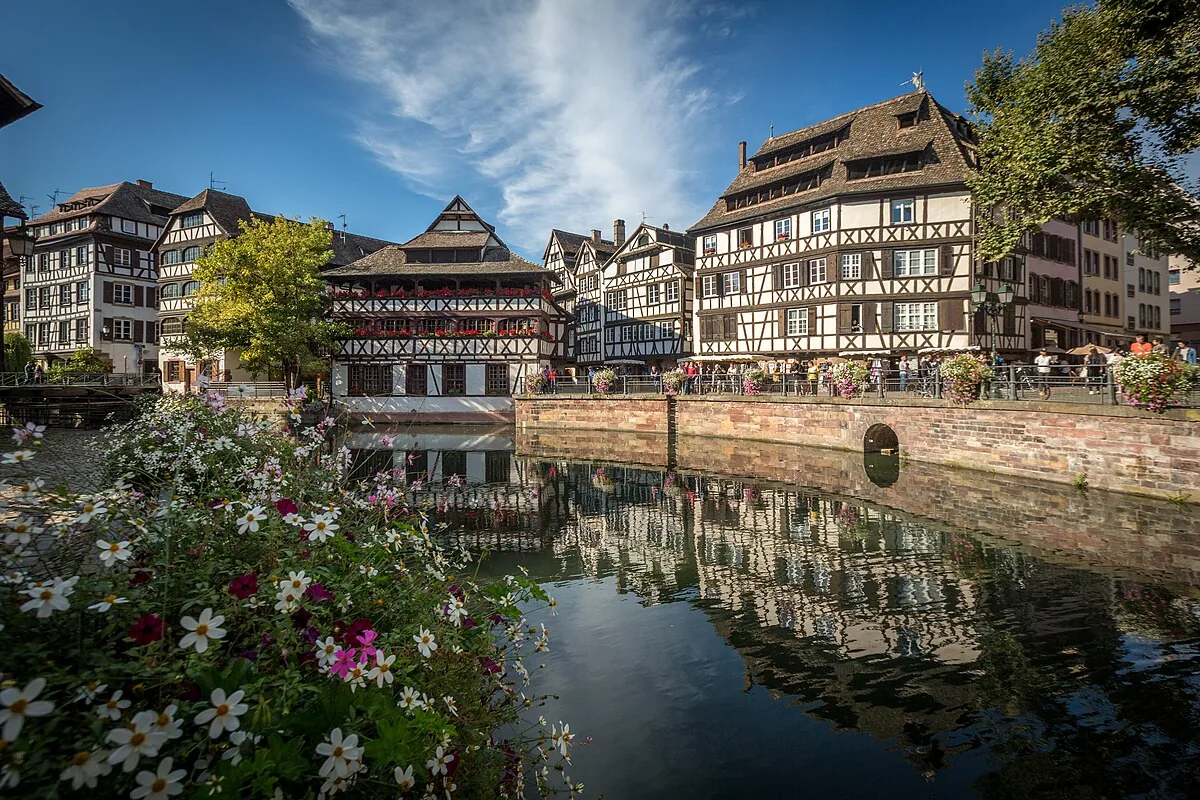
La Petite France
The historic quarter of the Ill River where half-timbered houses from the 16th and 17th centuries lean over narrow canals; the Maison des Tanneurs features vented lofts originally used for drying hides; cross the Ponts Couverts at dusk when the three medieval towers are illuminated; the sound of water rushing through the locks is constant; the air smells of tar and damp wood.
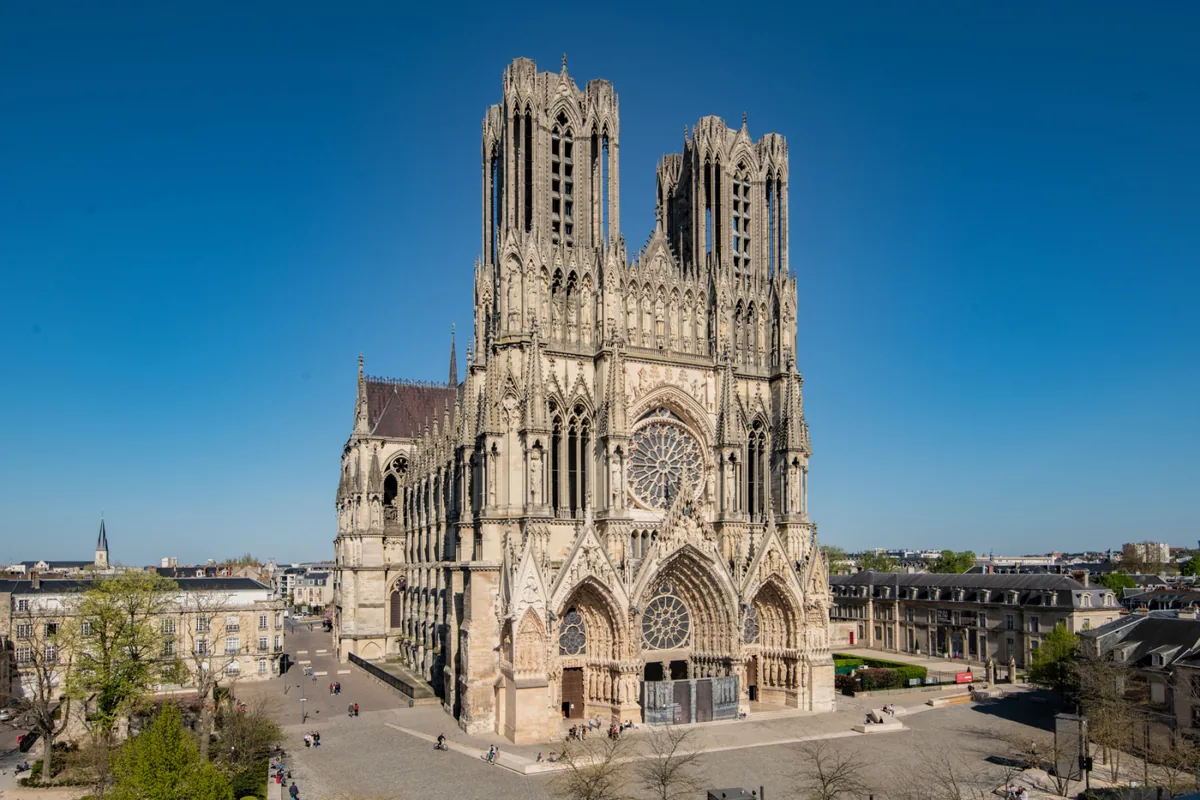
Cathédrale Notre-Dame de Reims
The coronation site of French kings for over 800 years is a masterpiece of High Gothic architecture; the facade features the Smiling Angel sculpture and a 13th-century rose window; the interior contains Marc Chagall’s 1974 stained-glass windows in the axial chapel; the limestone walls still show the scars of the 1914 German shelling; the nave is long enough to swallow a cathedral of the previous century.
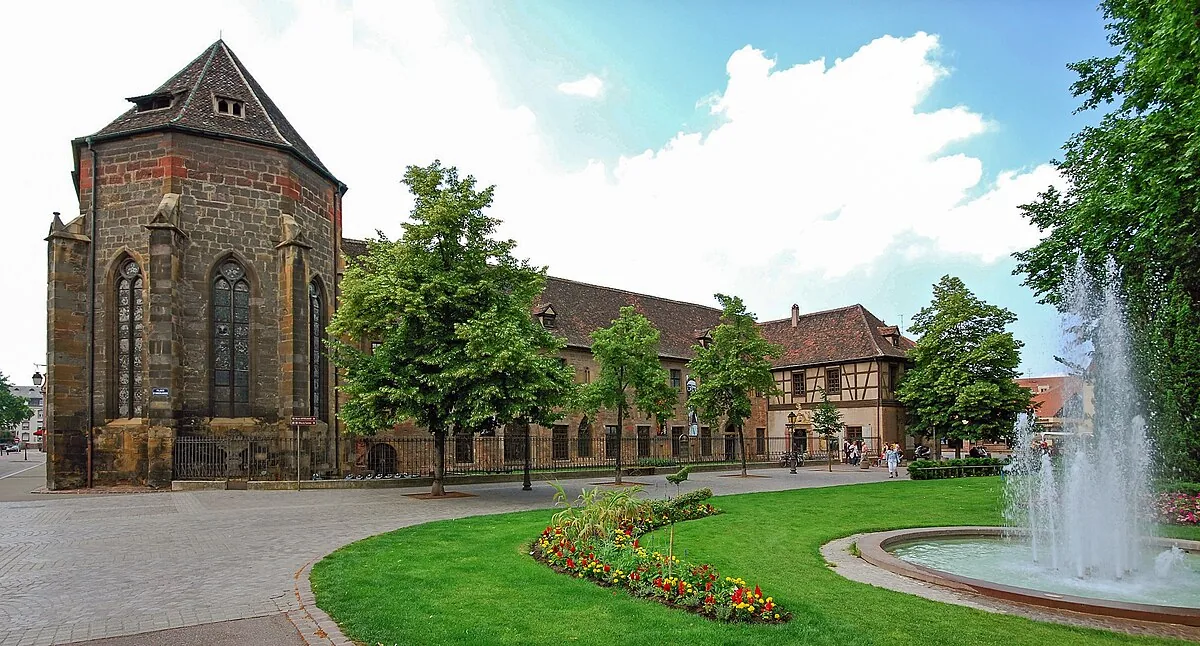
Unterlinden Museum
Housed in a 13th-century Dominican convent; this museum contains the Isenheim Altarpiece by Matthias Grünewald; the 1512 polyptych is one of the most visceral depictions of the Crucifixion in Western art; the quiet 13th-century cloister provides a space for reflection; the transition from the medieval chapel to the modern Herzog & de Meuron wing is marked by a subterranean white-walled gallery.
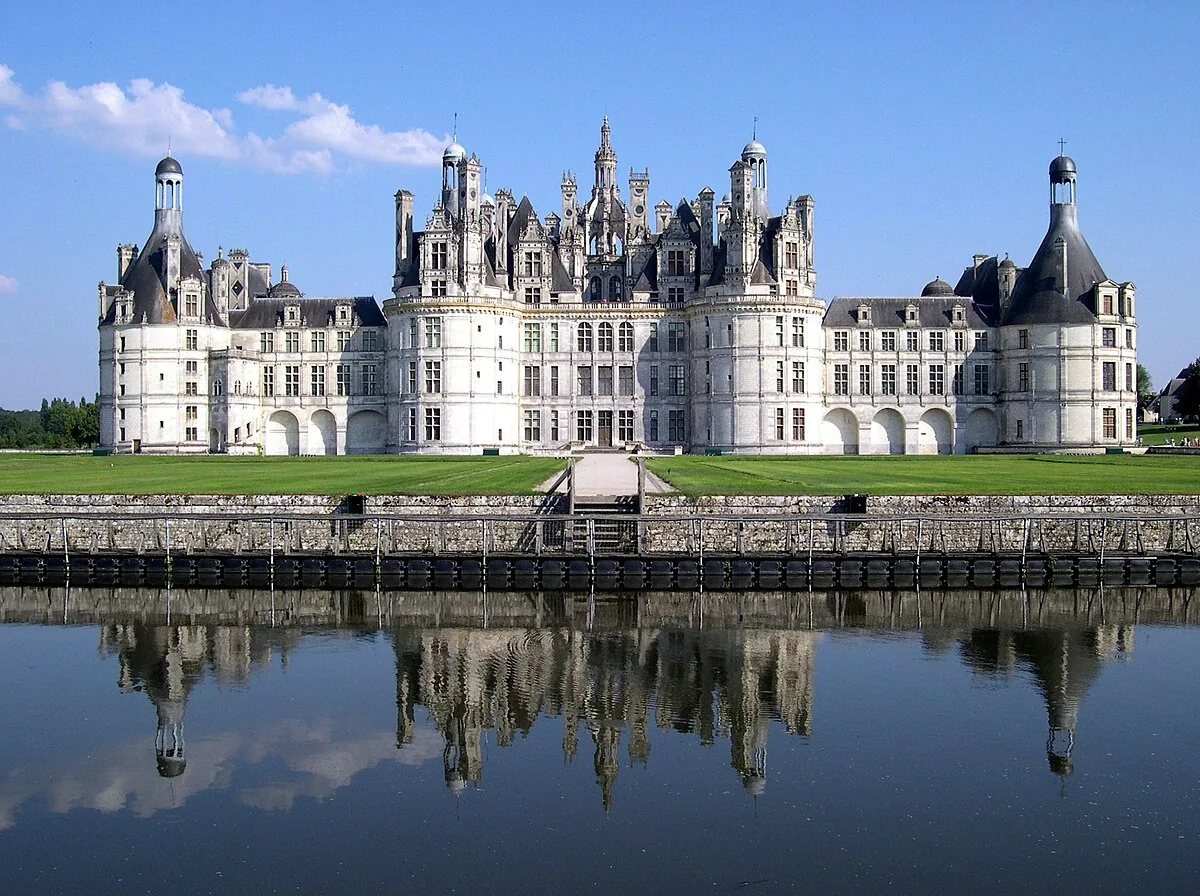
Château de Chambord
The ultimate French Renaissance hunting lodge featuring 426 rooms and a double-helix staircase rumoured to be designed by Leonardo da Vinci; the roofline is a forest of chimneys and gables that mimics a city skyline; cycle through the 5,440-hectare walled park at 7 am to see wild boar; the white tuffeau stone turns a soft cream colour in the morning light.
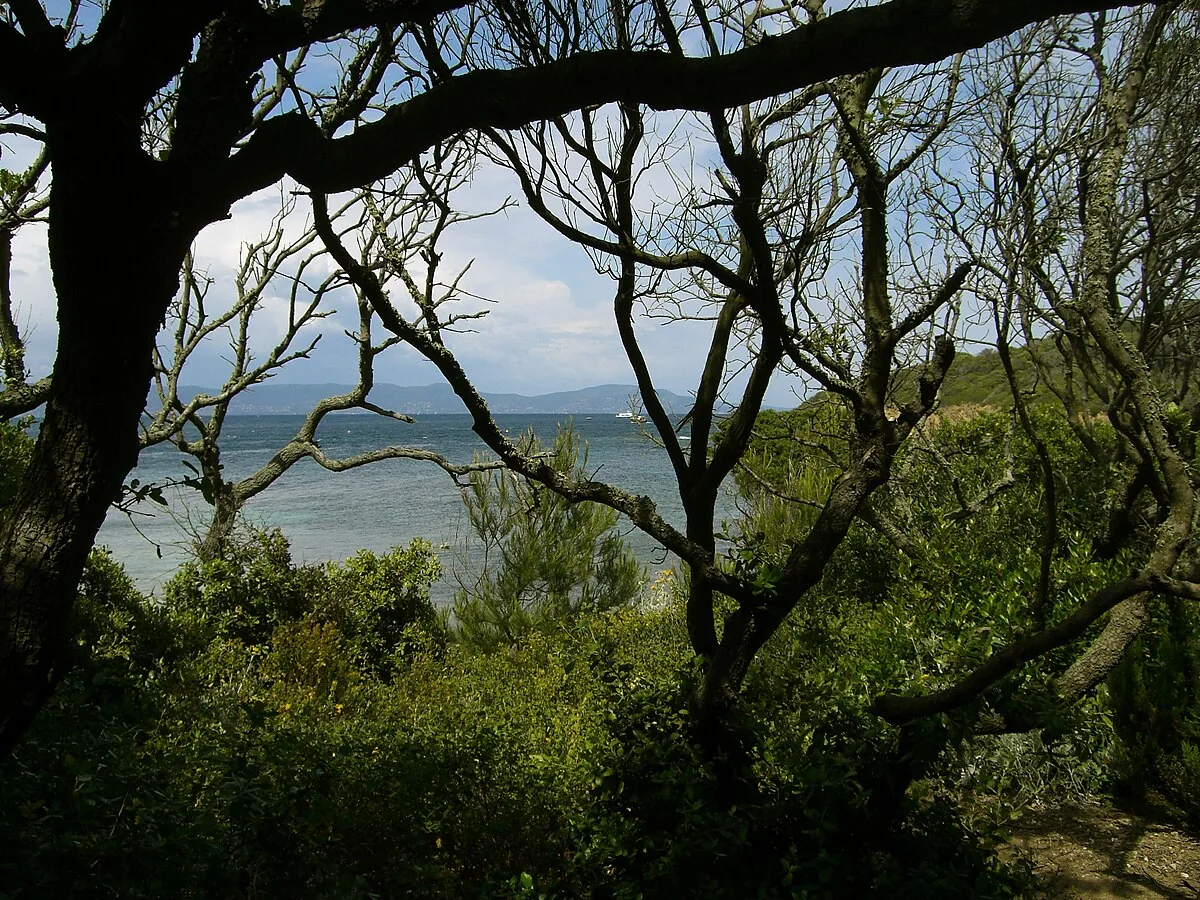
Port-Cros National Park
The smallest of the Îles d'Or is Europe's first marine national park and remains entirely car-free; the underwater snorkeling trail at La Palud beach allows for the observation of dusky groupers; the scents of Aleppo pine and wild eucalyptus dominate the interior hiking trails; the harbour at dusk is silent except for the clinking of yacht masts and the sound of cicadas.
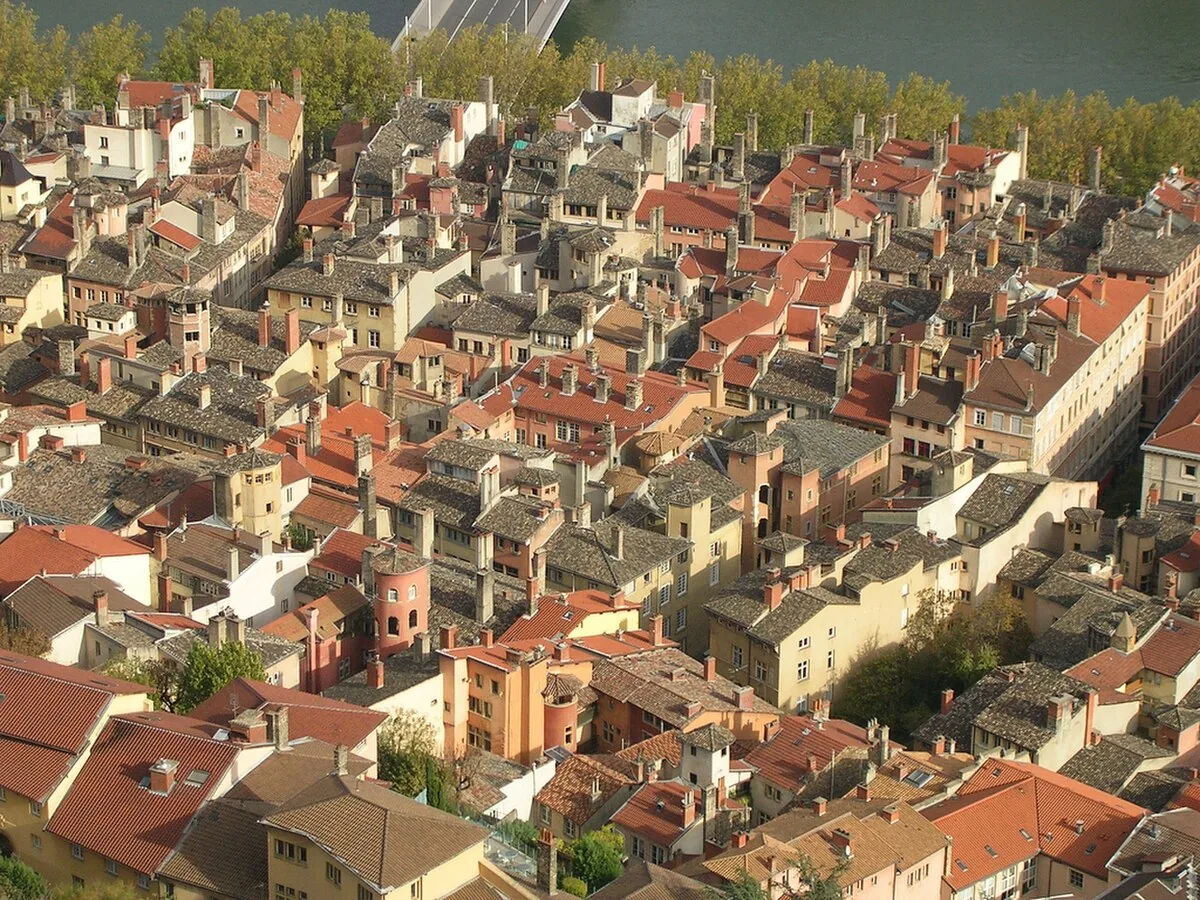
Vieux Lyon
One of Europe's largest Renaissance districts; the area is famous for 'traboules', secret vaulted passageways used by 19th-century silk weavers to transport fabric sheltered from the rain; enter the Cour des Voraces to see the six-story stone staircase; the district smells of garlic and butter from the traditional Bouchons; the 15th-century ochre and terracotta facades turn deep red in the late afternoon sun.