Crisp phyllo, crushed nuts, cinnamon and a flood of honey syrup: baklava is Greece's most beloved sweet, and Athens and Thessaloniki argue endlessly over the proper version.
About Baklava
Greece's most celebrated sweet, dozens of paper-thin phyllo layers alternating with crushed walnuts and pistachios perfumed with cinnamon and clove, baked golden then flooded with a honey-lemon syrup that soaks into every layer; the Thessaloniki and Athens debate over which city makes the superior version is ongoing and unresolved.
The Layers
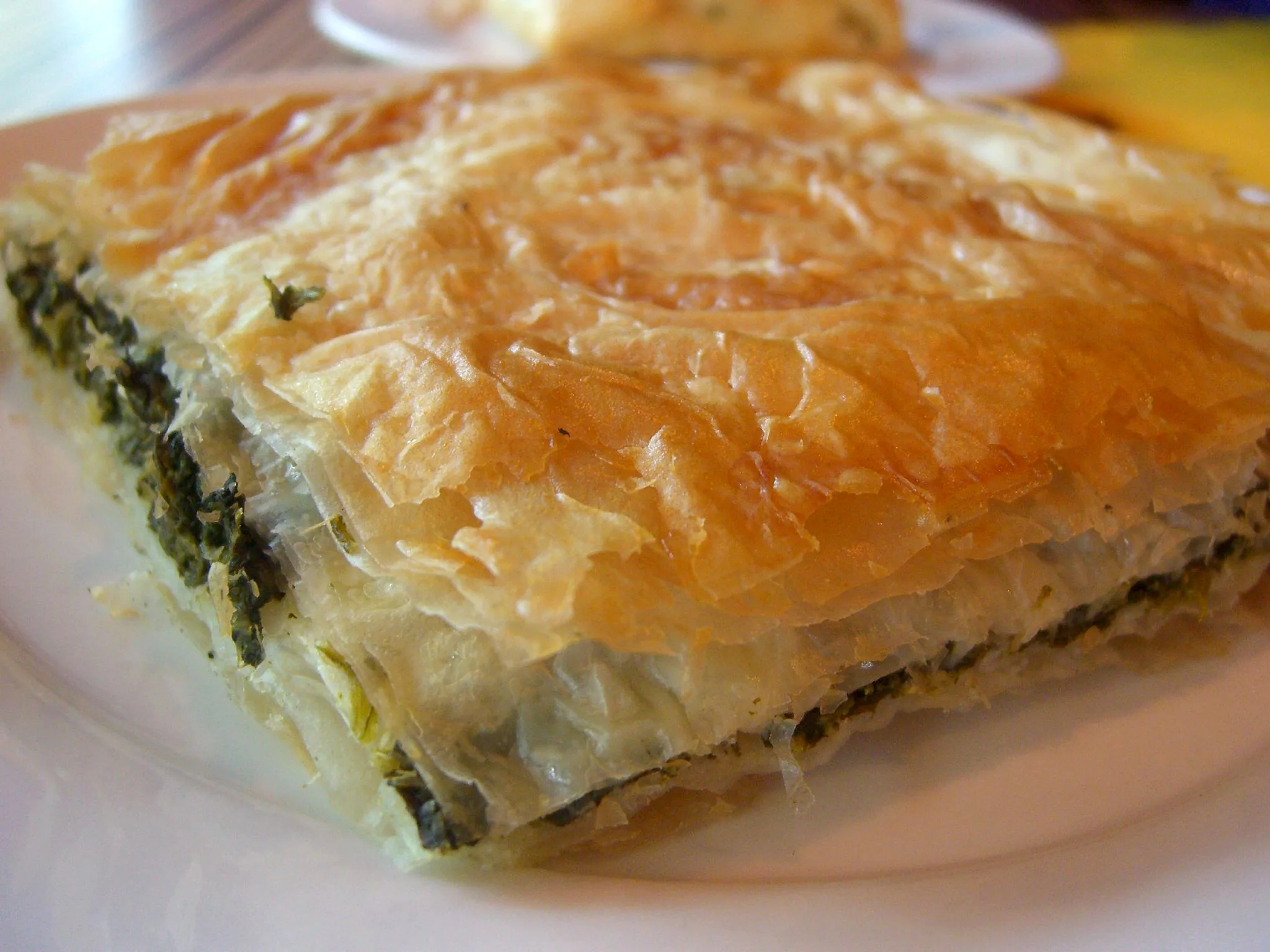
Baklava is built from many sheets of paper-thin phyllo brushed with butter, packed with crushed walnuts and pistachios scented with cinnamon and clove, baked until golden and then drenched in hot honey-lemon syrup. The syrup soaks down through the layers, leaving the top crisp and the base soft. That contrast of textures is the whole point of the sweet.
“The syrup soaks down through the layers, leaving the top crisp and the base soft.”
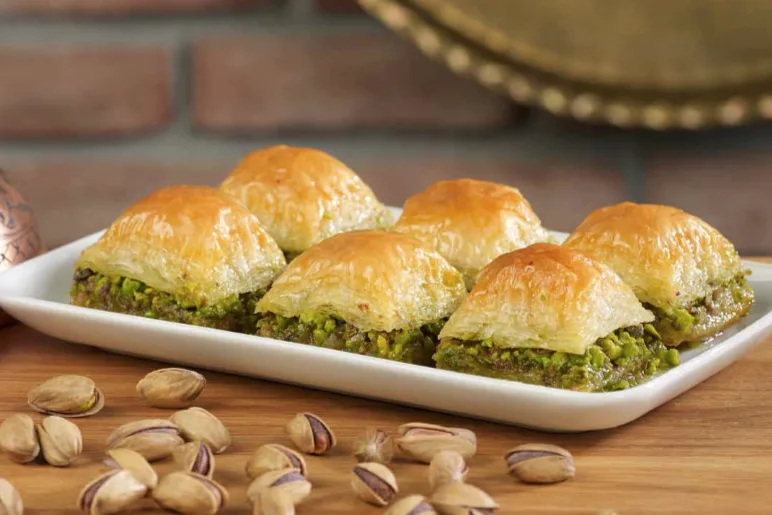
Baklava, Greece
Athens Versus Thessaloniki
Greek cooks argue over the proper version. Thessaloniki tends toward more pistachio and a lighter syrup, while Athenian baklava leans on walnut and a heavier honey. The debate is regional and good-natured, and it has produced excellent baklava in both cities. The choice of nut and the weight of the syrup are where it is fought.
An Ottoman Inheritance
Baklava is not uniquely Greek but a sweet shared across the lands of the former Ottoman Empire, from Greece and Turkey through the Levant and the Balkans. Each country and city makes its own claim and its own version, with regional differences at every stop. In Greece it is a fixture of celebrations and of the specialist sweet shop.
How It Is Served
Baklava is sold by the piece, usually cut into diamonds or squares, at the zacharoplasteio, the Greek pastry shop, rather than at restaurants. It is intensely sweet and rich, meant to be eaten in small portions. A cup of strong Greek coffee alongside, with its bitter edge, is the classic way to balance it.
“Baklava is sold by the piece, usually cut into diamonds or squares, at the zacharoplasteio, the Greek pastry shop, rather than at restaurants.”