All landmarks and tourist attractions in Greece
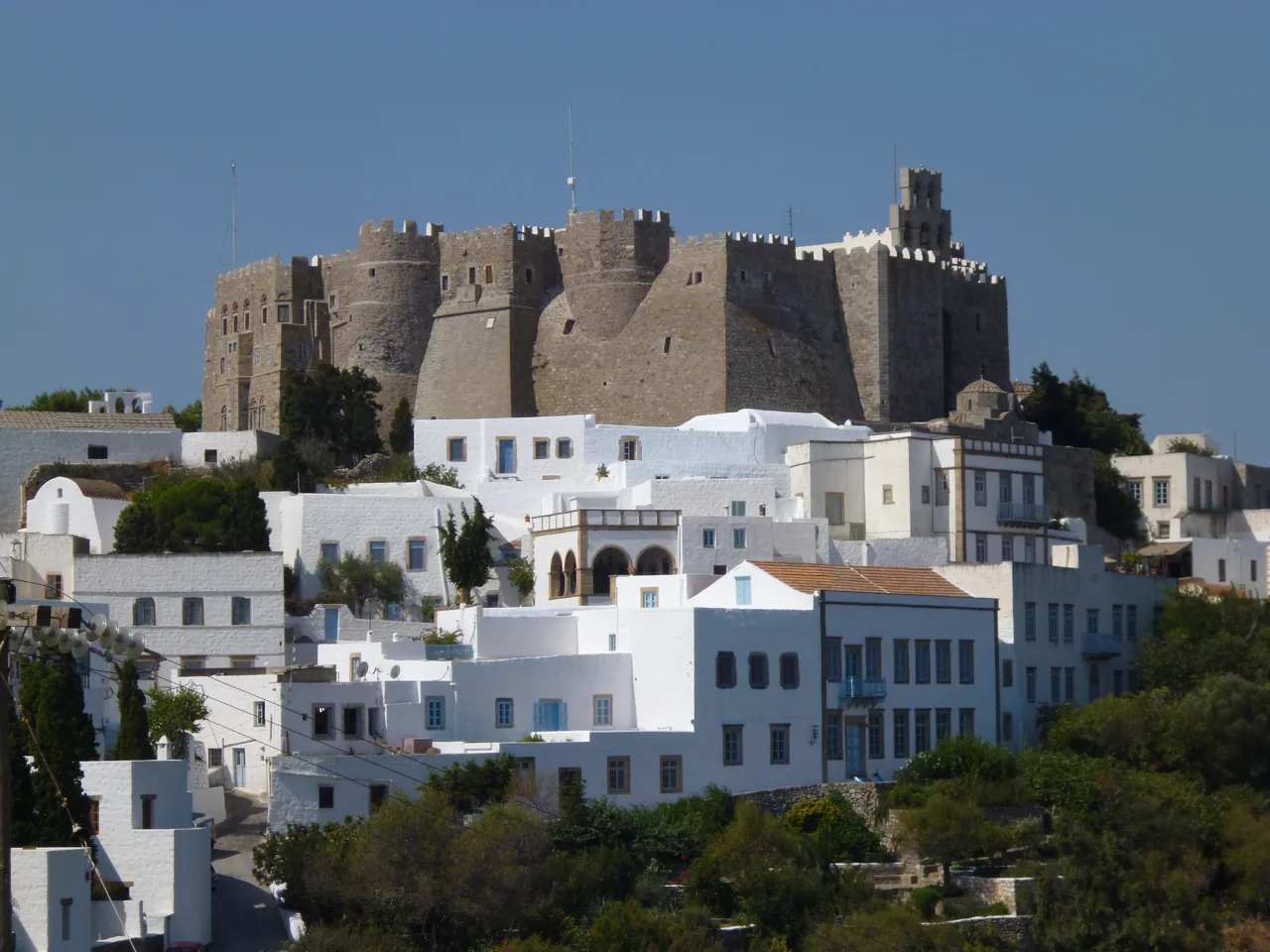
Monastery of Saint John the Theologian
The monastery library on Patmos holds a sixth-century purple parchment Gospel and over a thousand Byzantine manuscripts, much of the collection accumulated over nine centuries has never been fully cat
Explore →
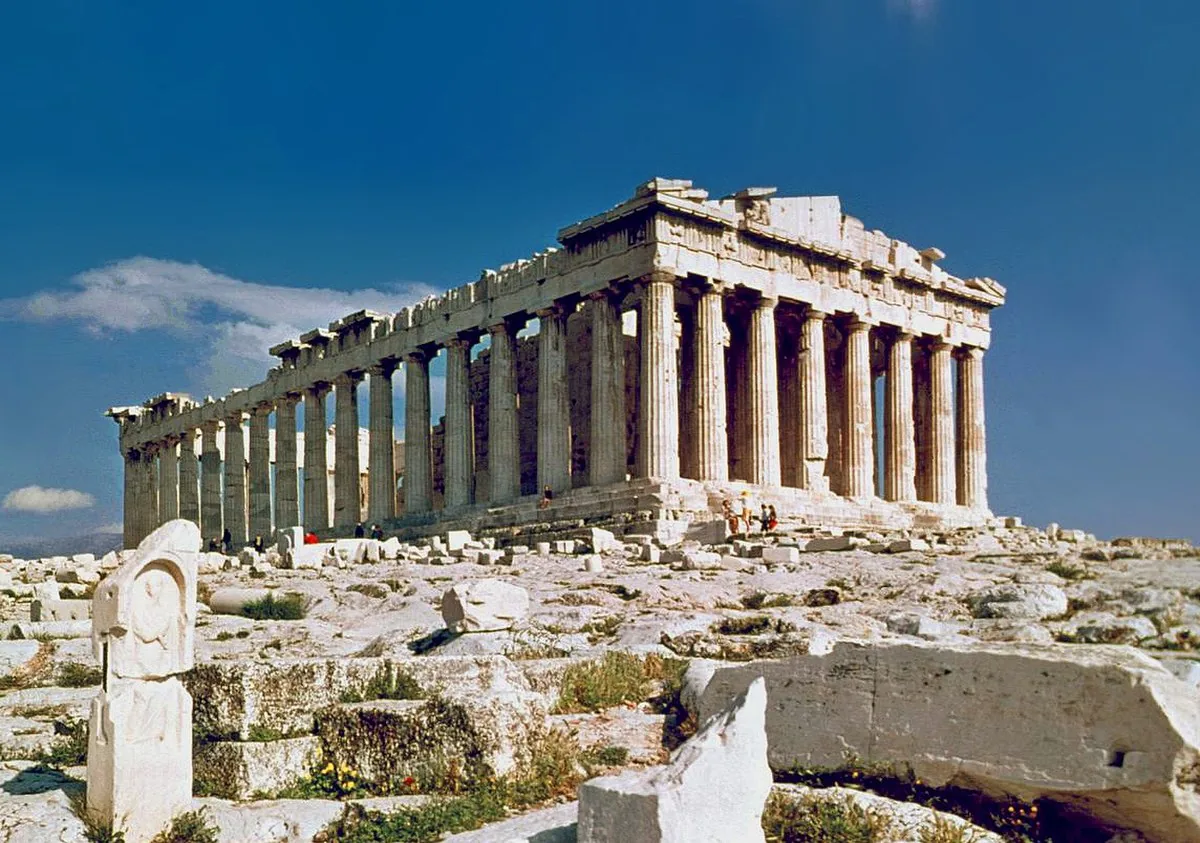
Parthenon
The zenith of Doric architecture completed in 438 BC; this Pentelic marble sanctuary utilizes subtle optical entasis to appear perfectly straight to the human eye; stand on the slippery limestone of the Acropolis at 8 am when the first light hits the eastern pediment; the honey-coloured stone glows with a preternatural radiance before the city heat haze obscures the Saronic Gulf.
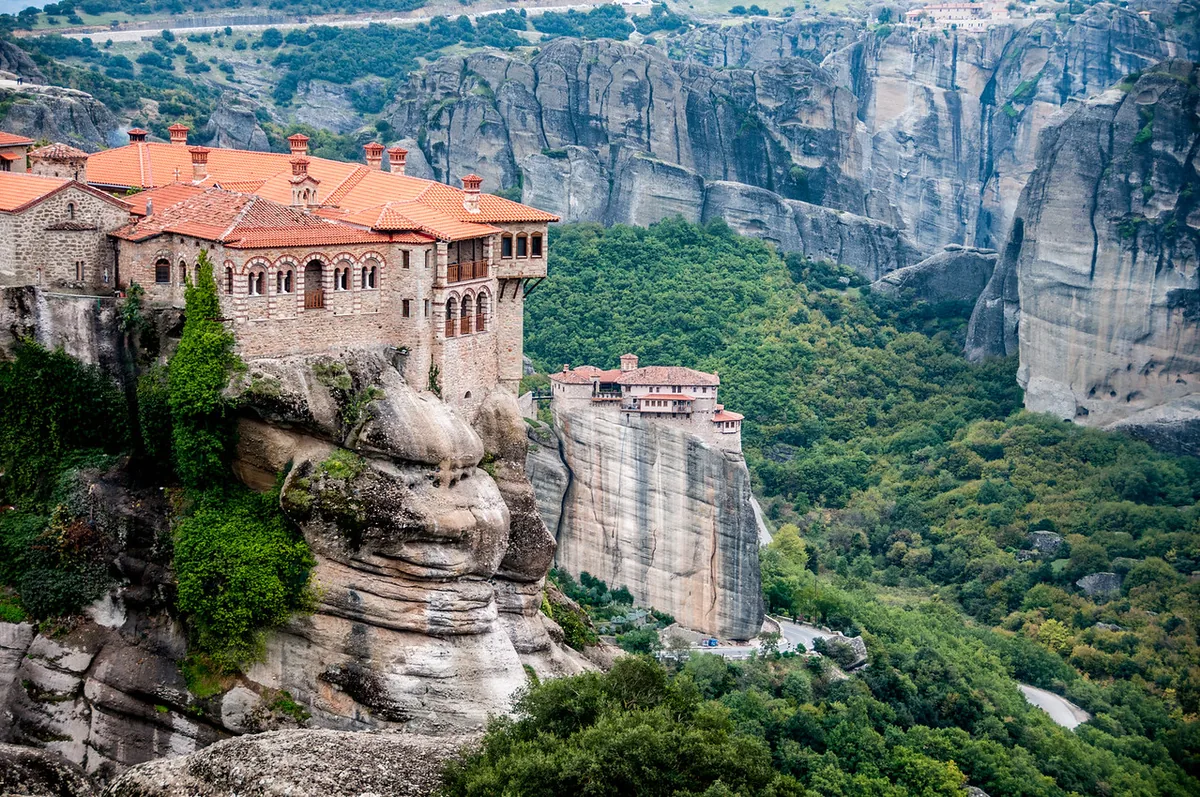
Meteora Monasteries
Six Eastern Orthodox monasteries balanced precariously on 400-metre high conglomerate rock pillars formed 60 million years ago; the 14th-century Holy Monastery of Great Meteoron features post-Byzantine frescoes and a moss-slicked windlass tower; arrive at the Roussanou viewpoint at dusk when the mist settles into the Peneios Valley; the silhouettes of the stone structures appear to detach from the earth entirely.
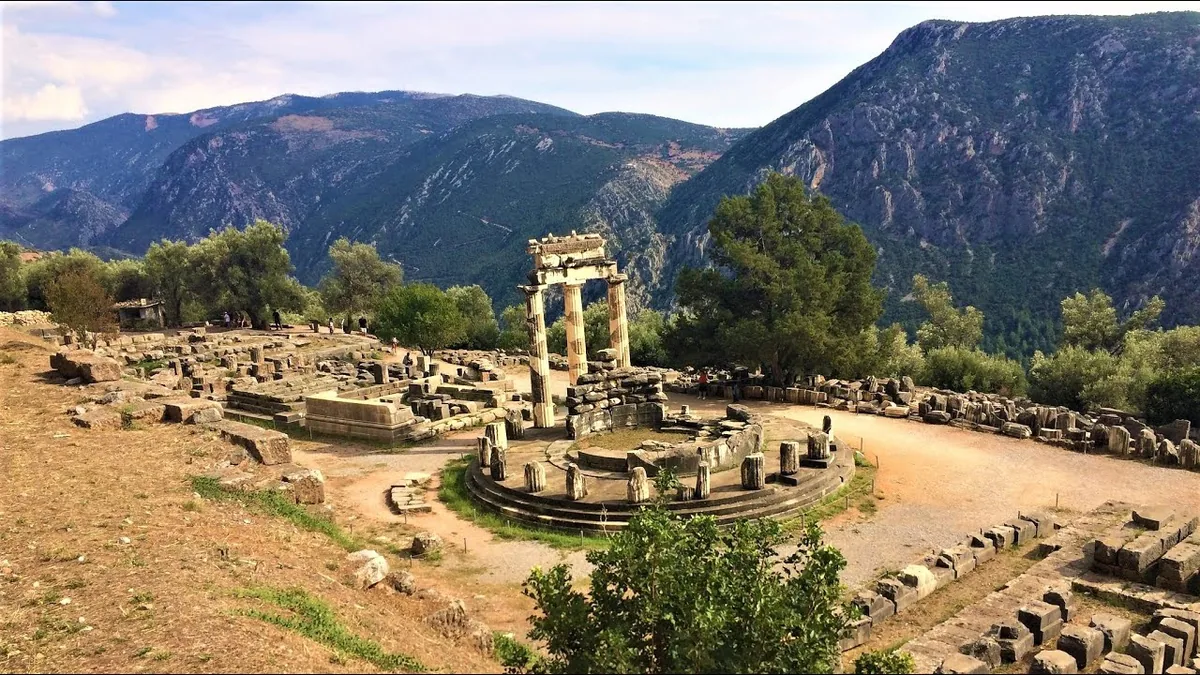
Sanctuary of Apollo
The 4th-century BC 'omphalos' or navel of the ancient world; situated on the steep southern slopes of Mount Parnassus at 570 metres elevation; the Sacred Way leads past the Athenian Treasury to the limestone columns of the Temple; visit the theatre at midday when the vertical sun illuminates the Pleistos Valley; the silence is heavy; broken only by the sound of wind through the silver-green olive groves.
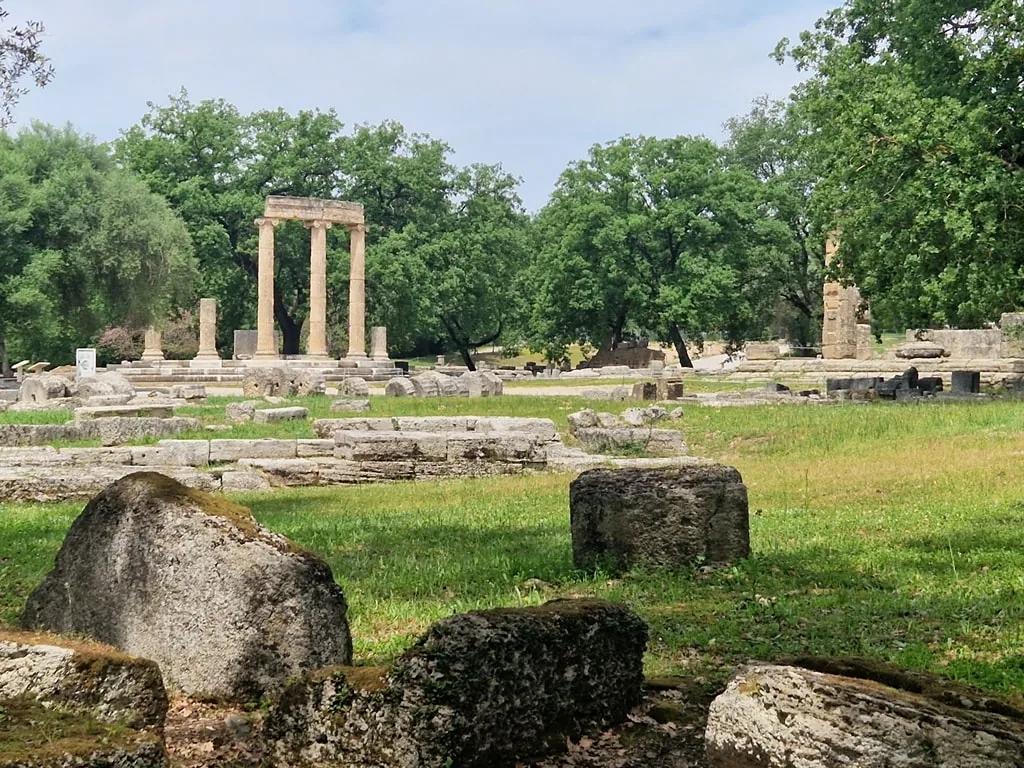
Archaeological Site of Olympia
The 776 BC birthplace of the Olympic Games; where the colossal Doric Temple of Zeus once housed one of the Seven Wonders; the original limestone stadium track remains accessible via a vaulted stone tunnel; run the 192-metre dromos at dawn when the dew is still heavy on the grass; the scent of wild pine and centuries of laurel wreaths seems to linger in the stagnant air.
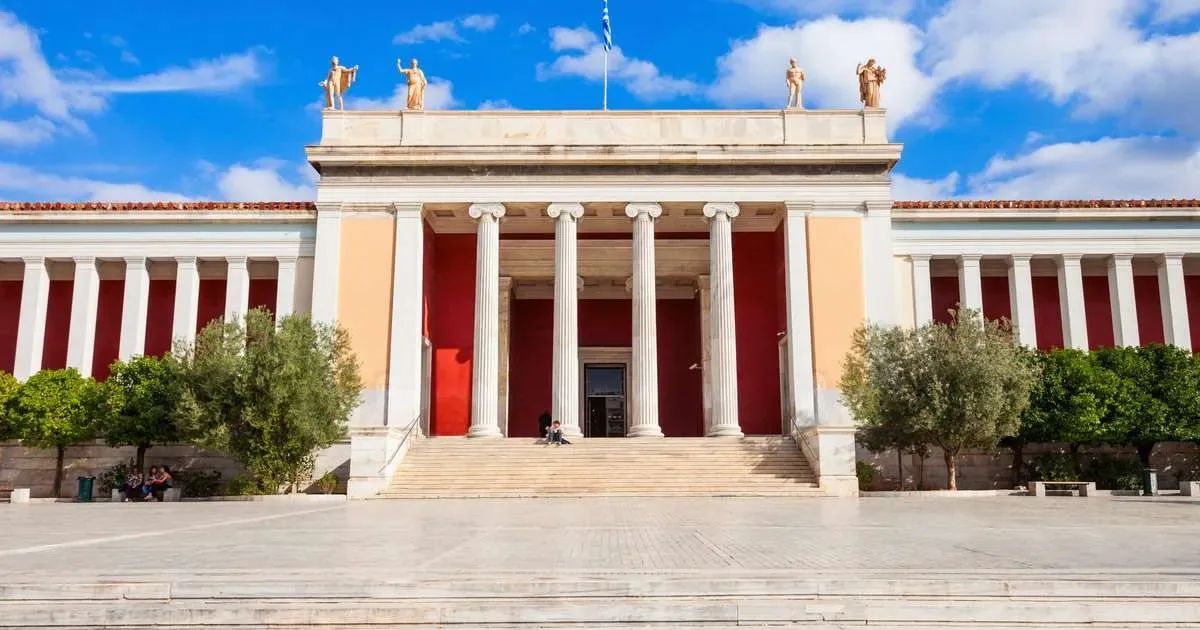
National Archaeological Museum
A Neoclassical 19th-century repository housing the world's finest collection of Greek antiquity; including the gold Mask of Agamemnon and the 2nd-century BC Antikythera Mechanism; walk the Mycenaean Hall at 9 am when the light through the high clerestory windows hits the hammered gold; the scale of the bronze Poseidon is large enough to dominate the peripheral vision of an entire room.
Oia
A cliffside village defined by white-washed cycladic houses and blue-domed churches perched 150 metres above a drowned volcanic caldera; the steep; volcanic-stone paths are polished smooth by centuries of footfalls; avoid the main sunset crowds by standing on the northern ramparts of the Byzantine Castle at 5 am; the pre-dawn light turns the Aegean basalt-black before the caldera water shifts to a saturated sapphire.
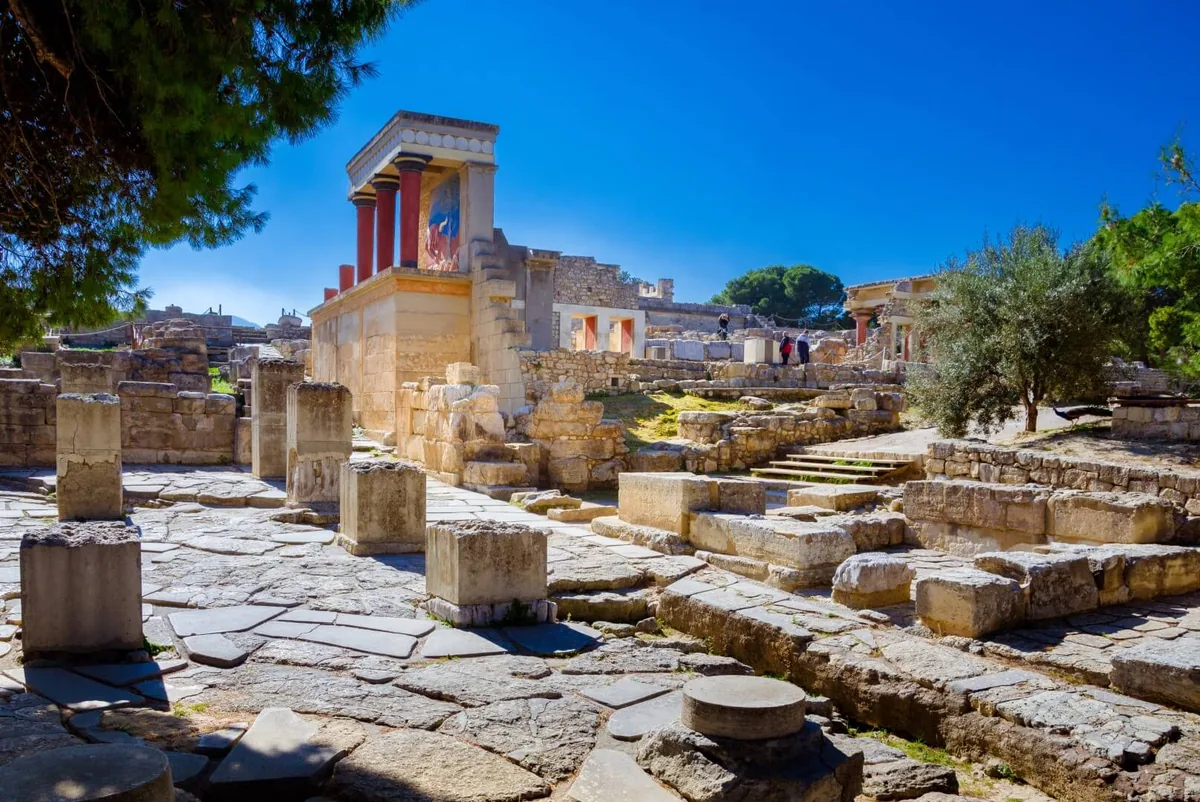
Palace of Knossos
The 1900 BC labyrinthine seat of the Minoan civilisation; featuring the red-columned Throne Room and the vibrant Dolphin Fresco reconstructed by Arthur Evans; the gypsum walls and multi-storey light wells showcase a precocious Mediterranean urbanism; enter the West Court at opening time when the long shadows emphasize the 'theatrical area' steps; the air smells of sun-baked earth and distant sea salt.
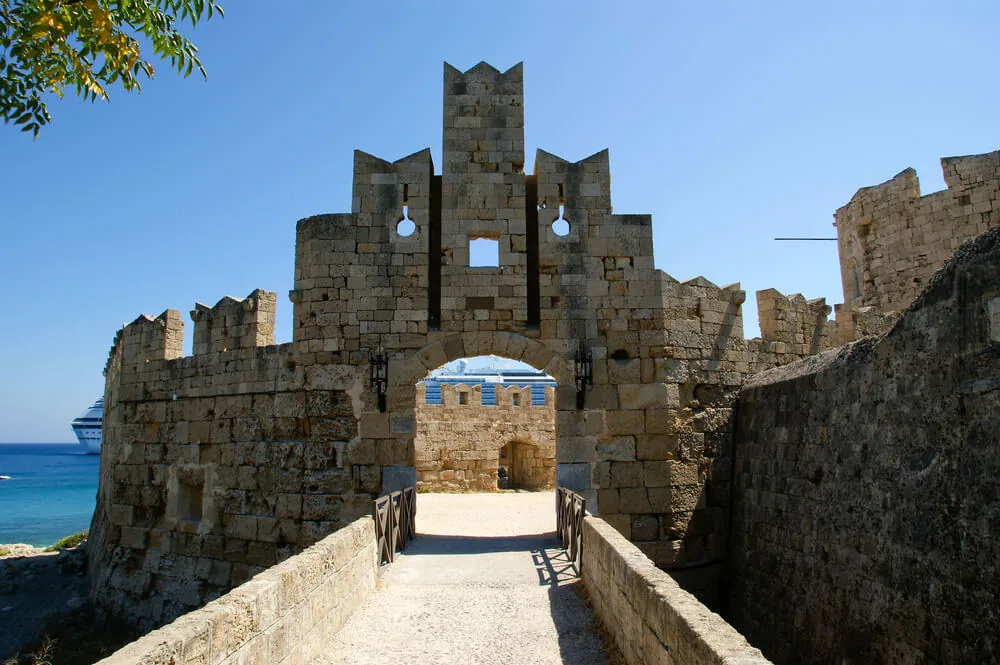
Medieval City of Rhodes
A perfectly preserved 14th-century Gothic stronghold built by the Knights Hospitaller; enclosed by four kilometres of sun-bleached sandstone walls and a massive dry moat; the Street of the Knights preserves the exact heraldic shields of the various tongues; walk the cobblestones after a midnight rain when the yellow lamps reflect off the wet basalt; the sound of heavy iron latches closing echoes through the vaulted alleyways.
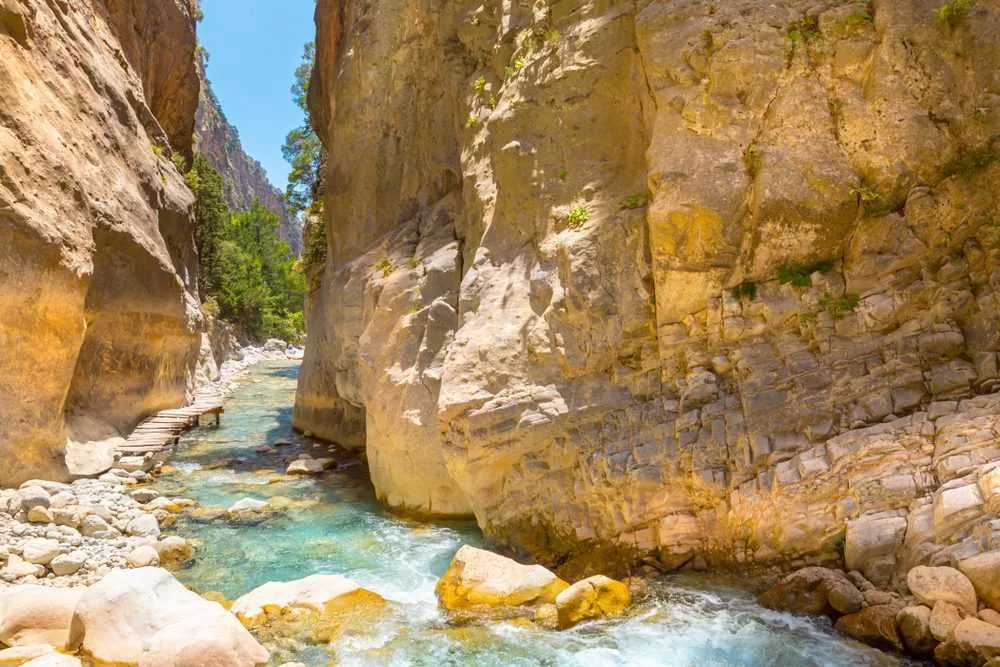
Samaria Gorge
A 16-kilometre limestone fissure cutting through the White Mountains of Crete; narrowing to just three metres wide at the 'Iron Gates' where the walls rise 300 metres vertically; the path follows a seasonal riverbed of white marble boulders; begin the descent at Xyloskalo at 6 am to catch the pre-dawn chill; the scent of Cretan cypress and wild oregano is most pungent before the heat becomes trapped.
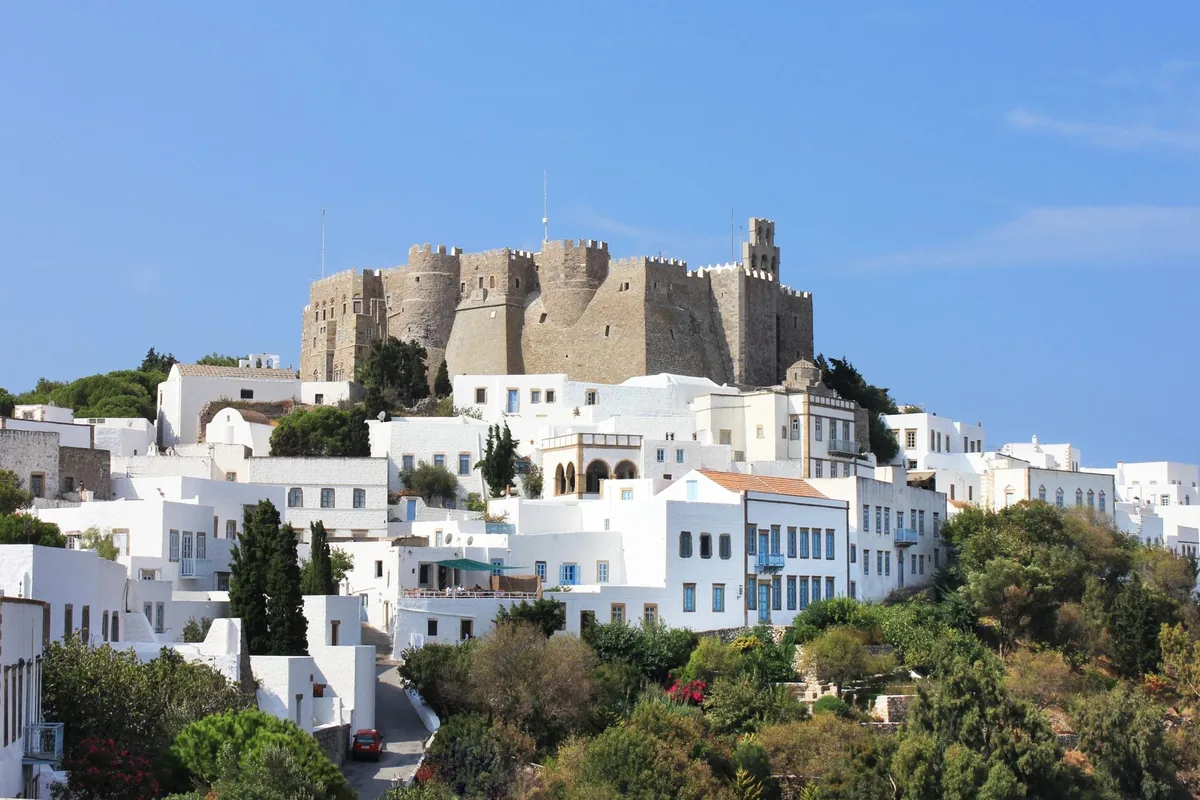
Monastery of Saint John the Theologian
A fortress-like monastery founded in 1088; housing the cave where the Book of Revelation was purportedly transcribed; its grey stone ramparts and dark; frescoed interior contain priceless Byzantine icons and 6th-century manuscripts; attend the morning liturgy when the incense smoke rises into the wood-carved iconostasis; the pre-dawn call to prayer is struck on a wooden semantron; echoing off the heavy volcanic walls.
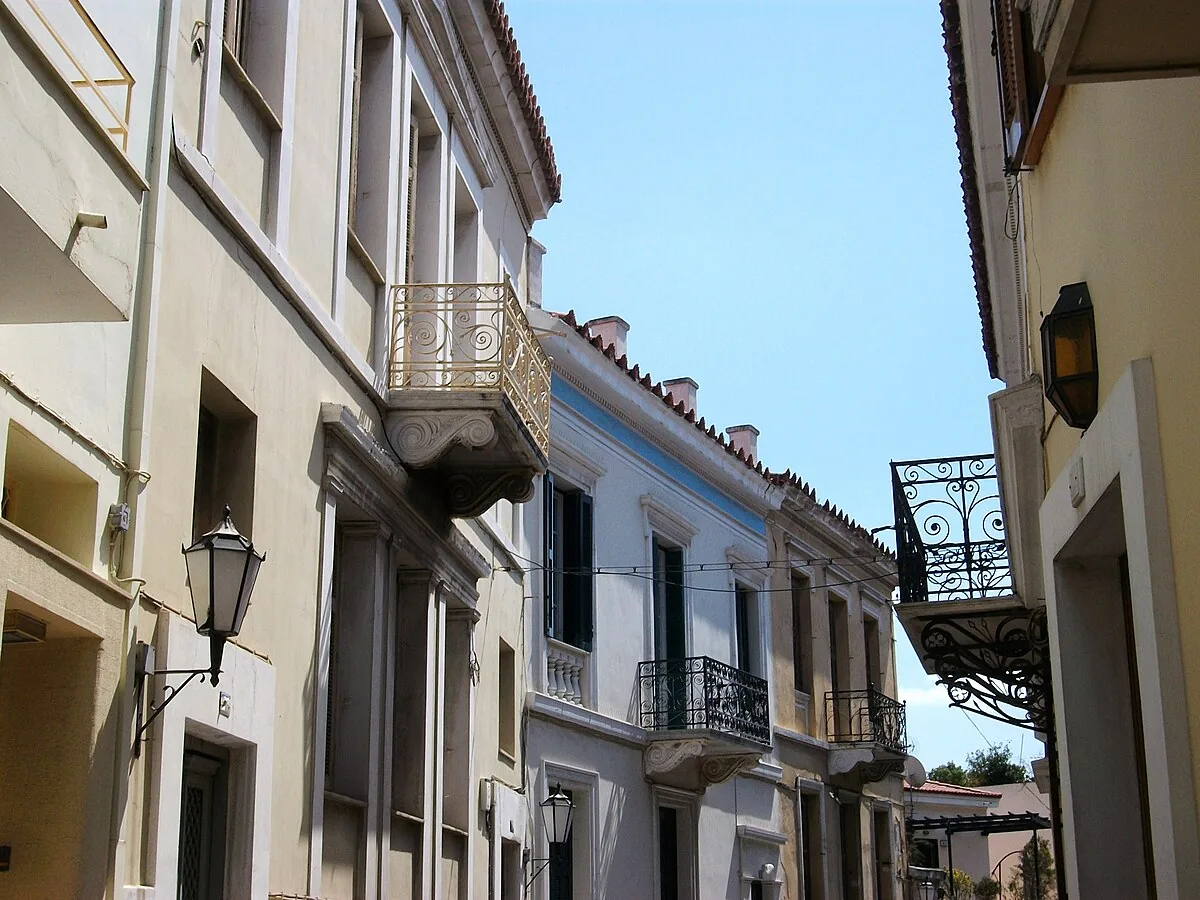
Plaka
The 'Neighbourhood of the Gods' is a labyrinth of 19th-century Neoclassical houses built over the ruins of the ancient Agora; the narrow Anafiotika quarter features whitewashed cubic dwellings inspired by Cycladic islanders; sit at a rooftop cafe at 4 pm when the western sun strikes the Erechtheion above; the air is a mixture of blooming jasmine; grilled lamb; and the dry dust of antiquity.
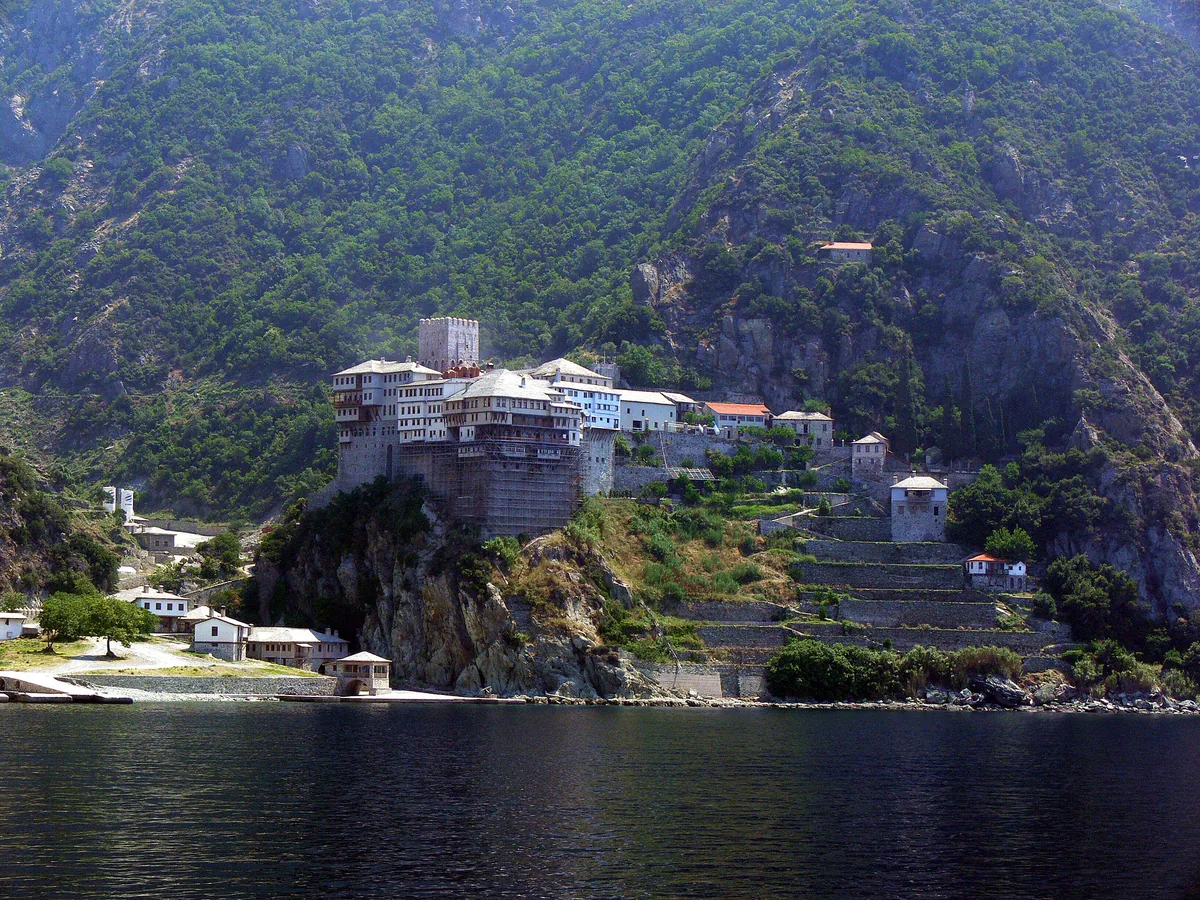
Autonomous Monastic State
A sacred peninsula housing 20 walled monasteries of Athonite architecture; restricted to male pilgrims and inhabited by monks since the 9th century; the cliffs rise 2;033 metres directly from the Aegean; watch the sun rise from the balcony of Simonos Petra; the sound of the sea crashing against the moss-slicked basalt foundations far below is the only break in a millennium of liturgical silence.
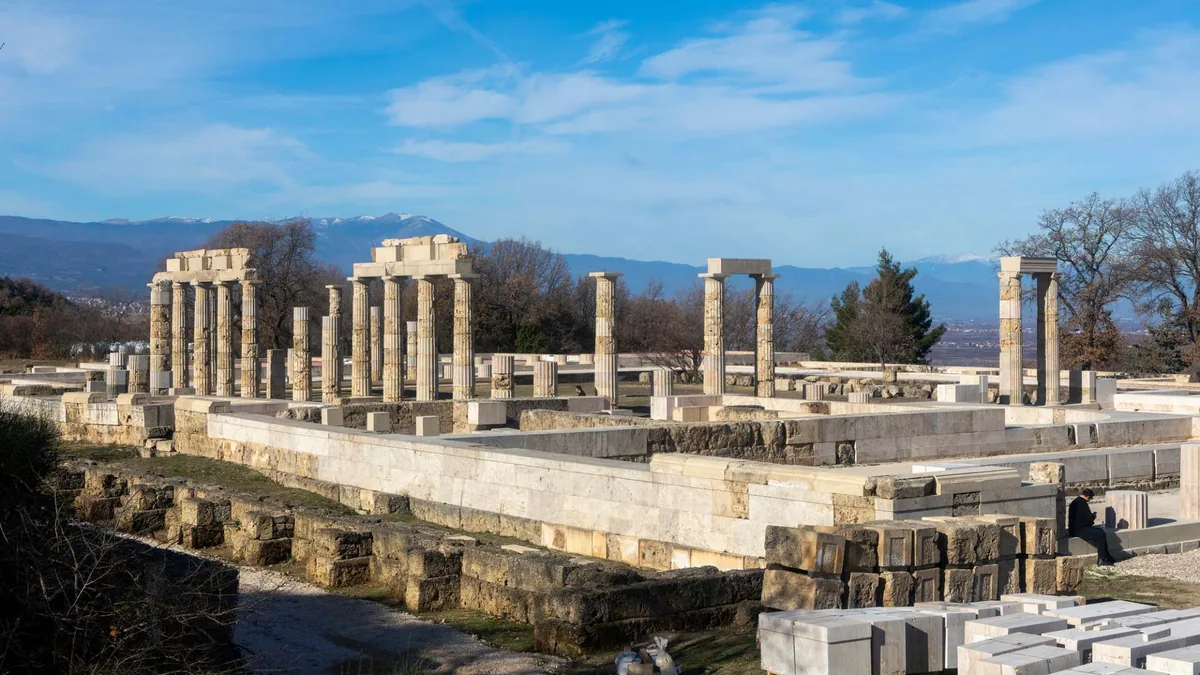
Royal Tombs of Aigai
The 4th-century BC burial site of Philip II of Macedon; preserved under a modern protective mound that maintains the original subterranean atmosphere; the gold larnax and oak leaf crown are displayed in near-total darkness; stand before the Great Tumulus at midday; the transition from the scorching Macedonian heat to the dry; cold air of the royal vault is a visceral leap across two thousand years.
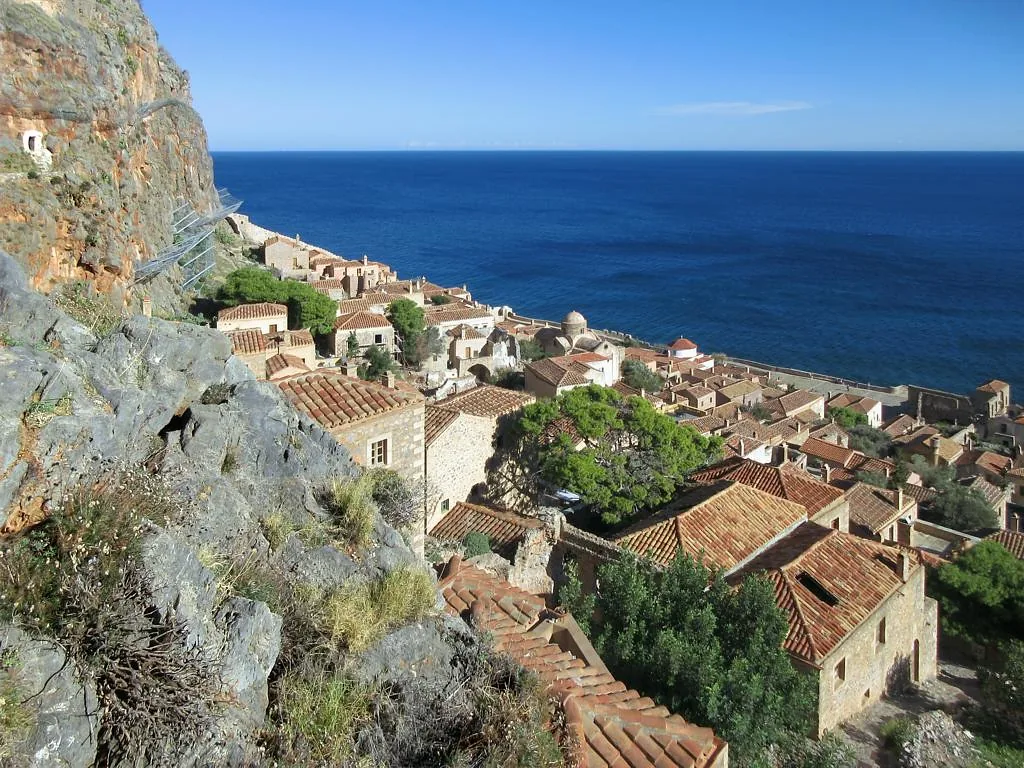
Lower Town
A medieval 'Gibraltar' connected to the Peloponnese by a single causeway; the entire town is hidden behind a sheer rock face rising 100 metres; the 12th-century Byzantine churches and Venetian mansions are built from the same honey-coloured stone as the cliff; enter the main gate at sunrise; the sound of the sea against the eastern wall is deafening in the narrow; wind-swept stone corridors.
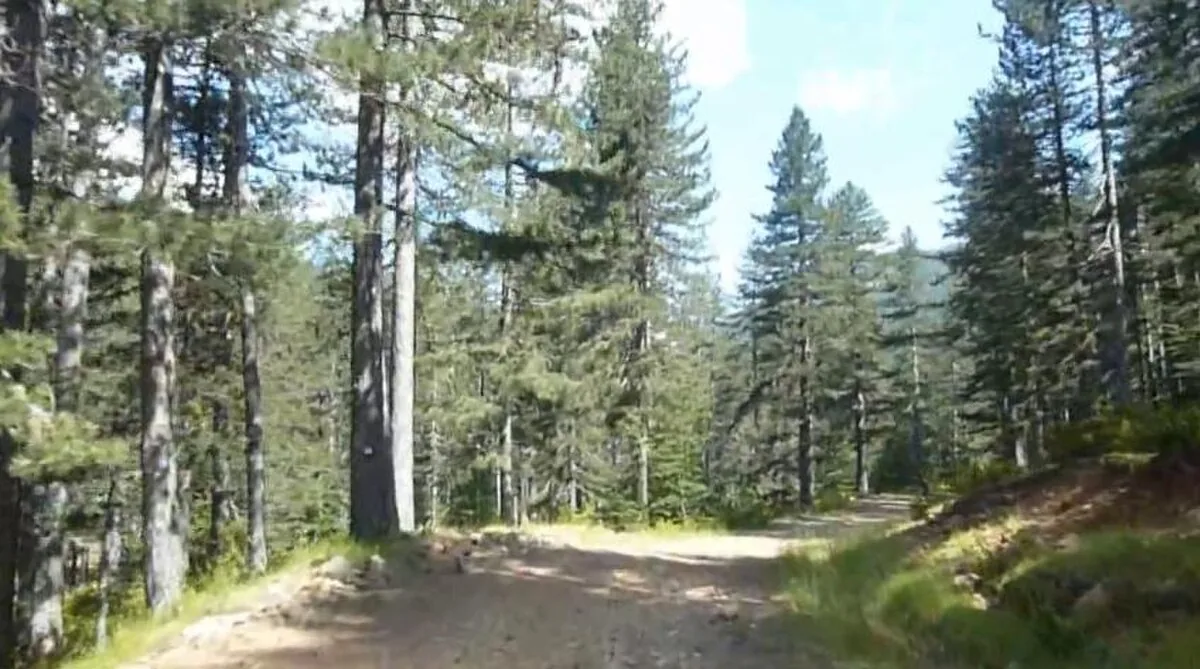
Pindus National Park
Verified as the world's deepest gorge in proportion to its width; the limestone walls drop 490 metres to the Voidomatis River; the 18th-century stone bridges of Zagori span the turquoise water in single; high-arched spans; stand at the Beloi viewpoint at 10 am when the thermals lift golden eagles above the Voidomatis; the air is sharp with the scent of mountain pine and cold limestone.
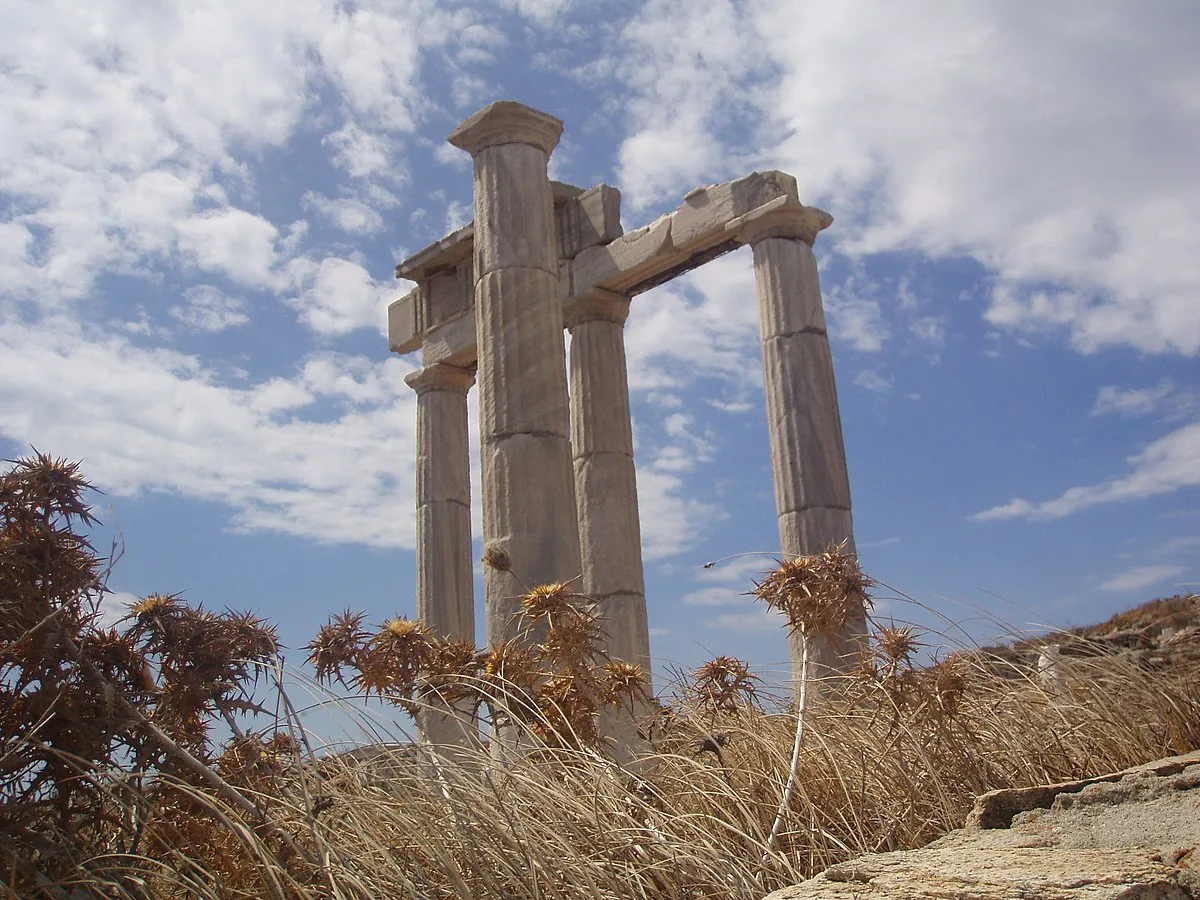
Delos
The mythical birthplace of Apollo; this uninhabited 3rd-century BC sacred island features the Terrace of the Lions and the House of the Masks; the mosaic floors are still vibrant despite two millennia of Aegean salt air; take the first boat from Mykonos at 9 am; the light is flat and harsh; bleaching the marble ruins until they disappear into the scrubland; the silence of the abandoned port is absolute.
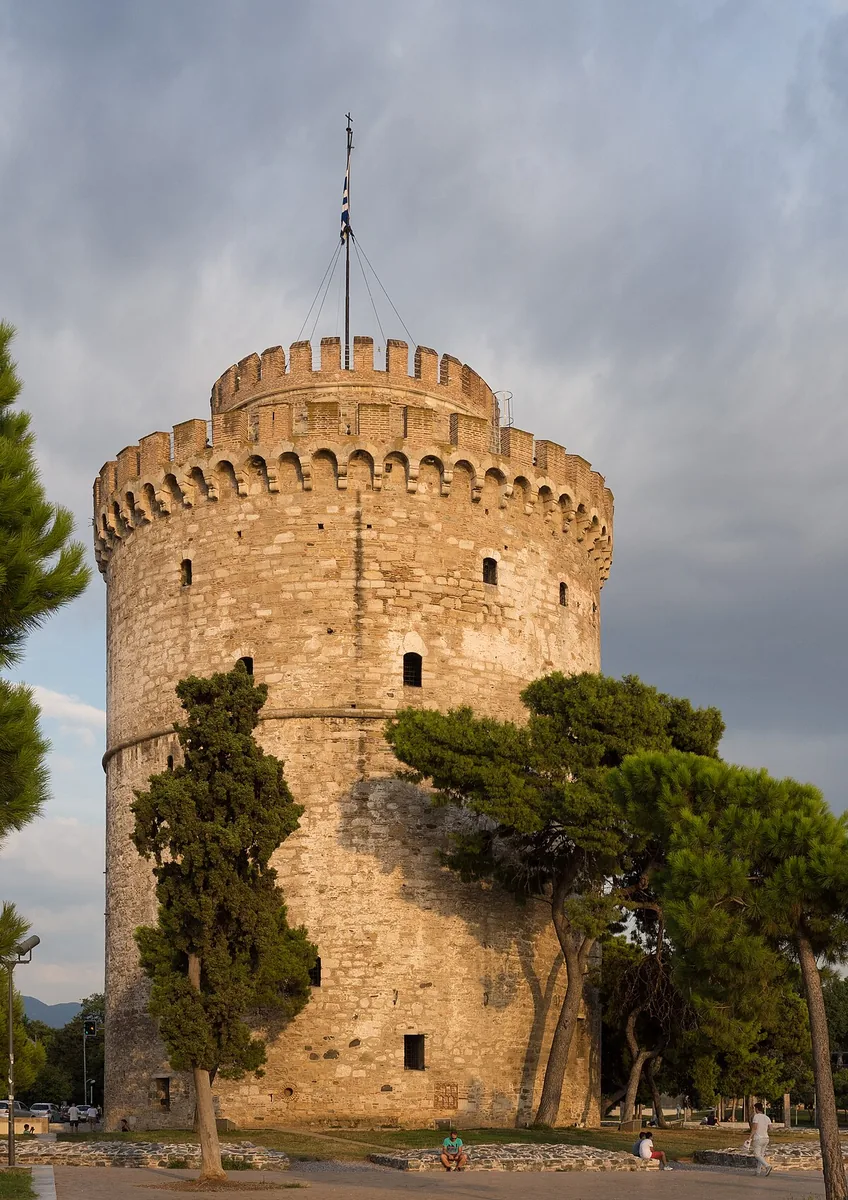
White Tower
A 15th-century Ottoman defensive tower that has served as a fort; a prison; and now a symbol of the Byzantine capital; the circular stone masonry reaches 34 metres and dominates the Thermaic Gulf waterfront; climb the internal spiral ramp at sunset; the 360-degree view captures the modern grid meeting the old city walls; the sound of the city's frantic traffic is muffled by the thick; cold limestone.
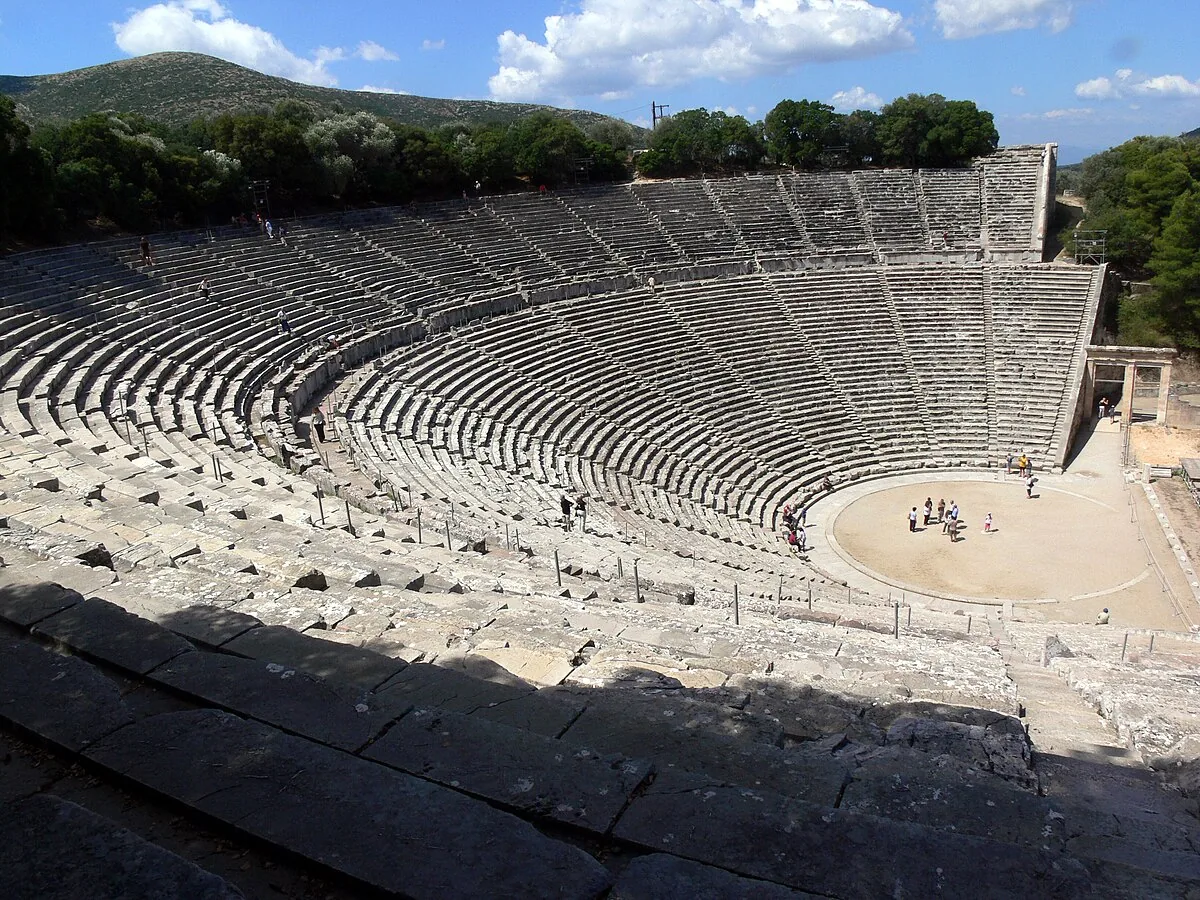
Ancient Theatre of Epidaurus
A 4th-century BC limestone theatre celebrated for its mathematically perfect acoustics; where a whisper at the thymele is audible in the 55th row; the structure is built into the natural curve of Mount Cynortium; stand on the central stone disc at dawn; the surrounding pine forest is still and the air is heavy with resin; the symmetry of the 14;000 seats creates a dizzying; repetitive geometry.
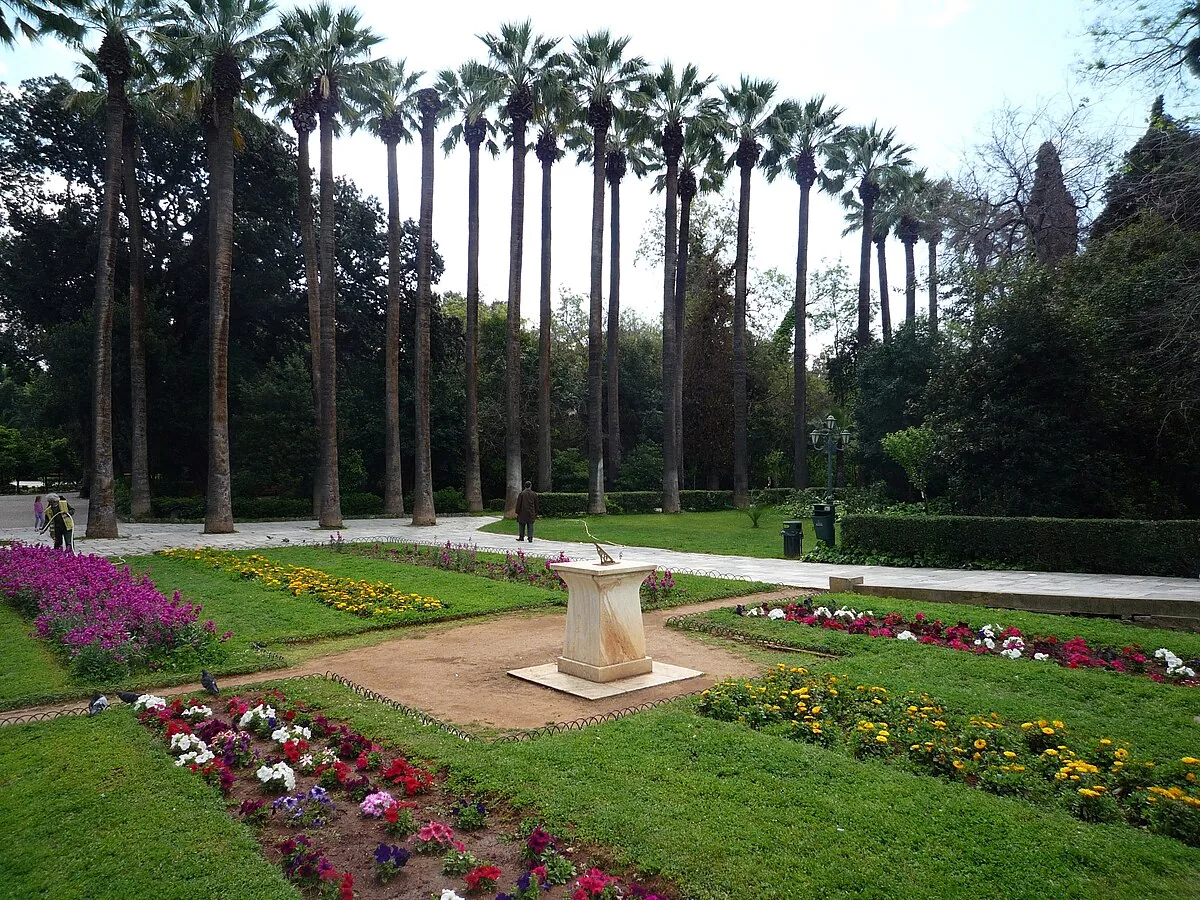
National Garden
Commissioned in 1838 by Queen Amalia; this 15-hectare retreat features 500 species of plants and ancient Roman mosaics discovered during its construction; the narrow paths are shaded by 25-metre tall Washingtonia palms and Bitter Orange trees; walk the pergola at 2 pm when the city heat is at its peak; the temperature inside the canopy drops five degrees; providing a humid; green sanctuary against the concrete.
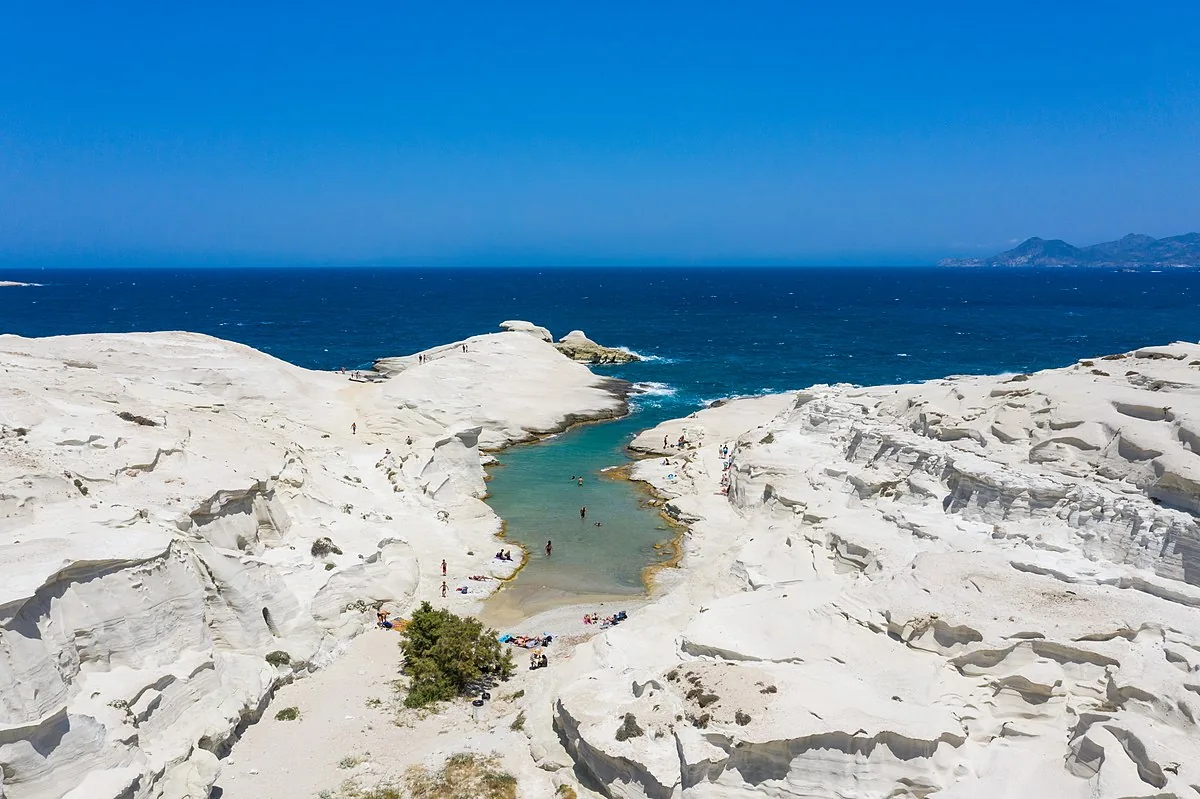
Sarakiniko
A lunar landscape of bone-white volcanic tufa sculpted into smooth; horizontal folds by the prevailing Meltemi winds and Aegean salt; the white stone contrasts sharply with the deep sapphire of the surrounding sea; walk the white ridges at midnight during a full moon; the rock reflects enough light to see without a lamp; the sound of the water echoing in the sea caves below is deep and rhythmic.VV