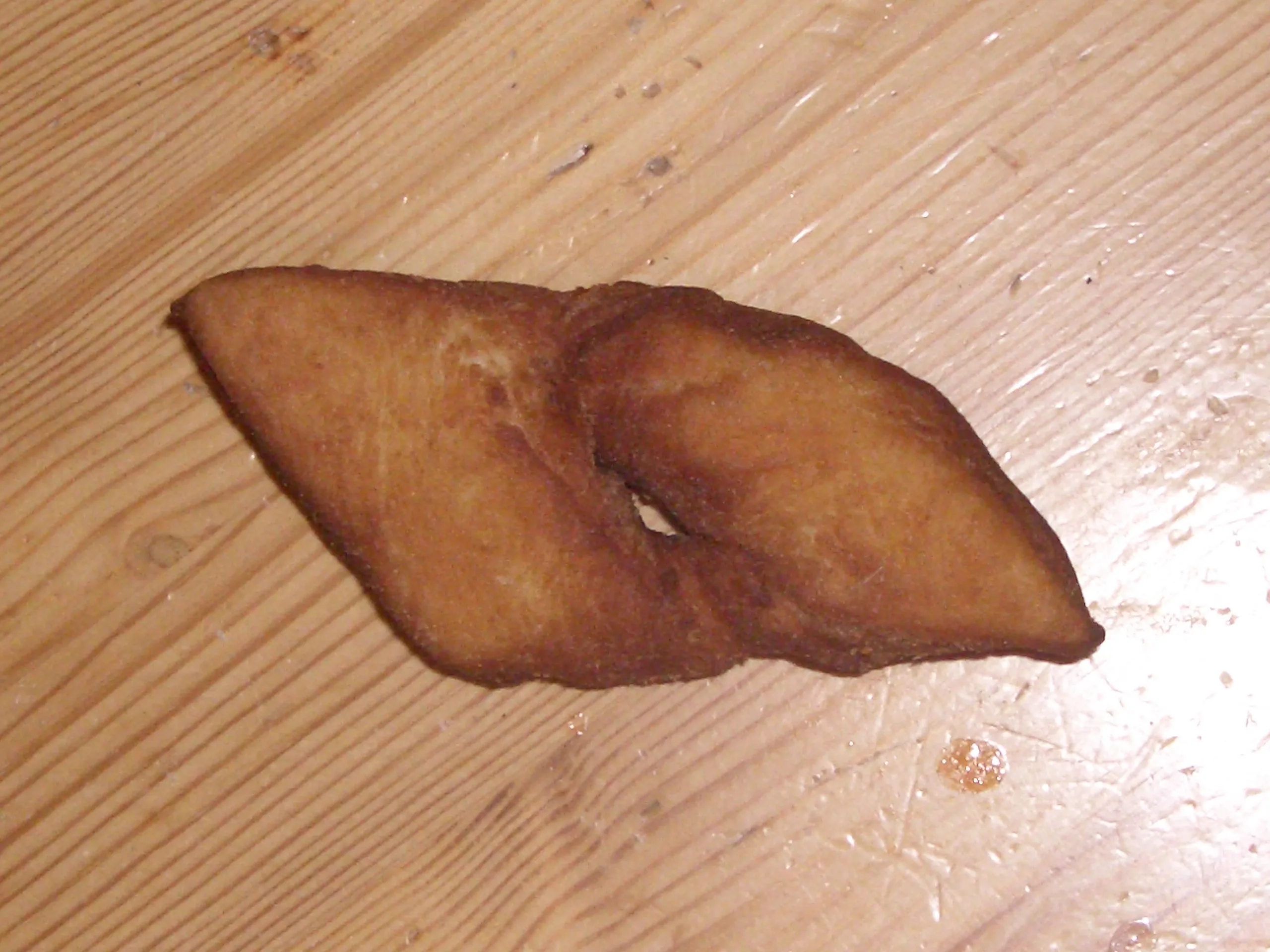
"Kleina are Icelandic fried dough knots flavored with crushed cardamom, and locals often dip them in hot coffee to soften the crisp exterior."
About Kleina
The ancestral 'shatter-crisp' twisted doughnut flavored with high-precision crushed cardamom; deep-fried until golden with a high-intensity doughy center; 'insiders' dip these heritage pastries into hot coffee to soften the 'shatter-crisp' exterior for a panoramic afternoon snack.
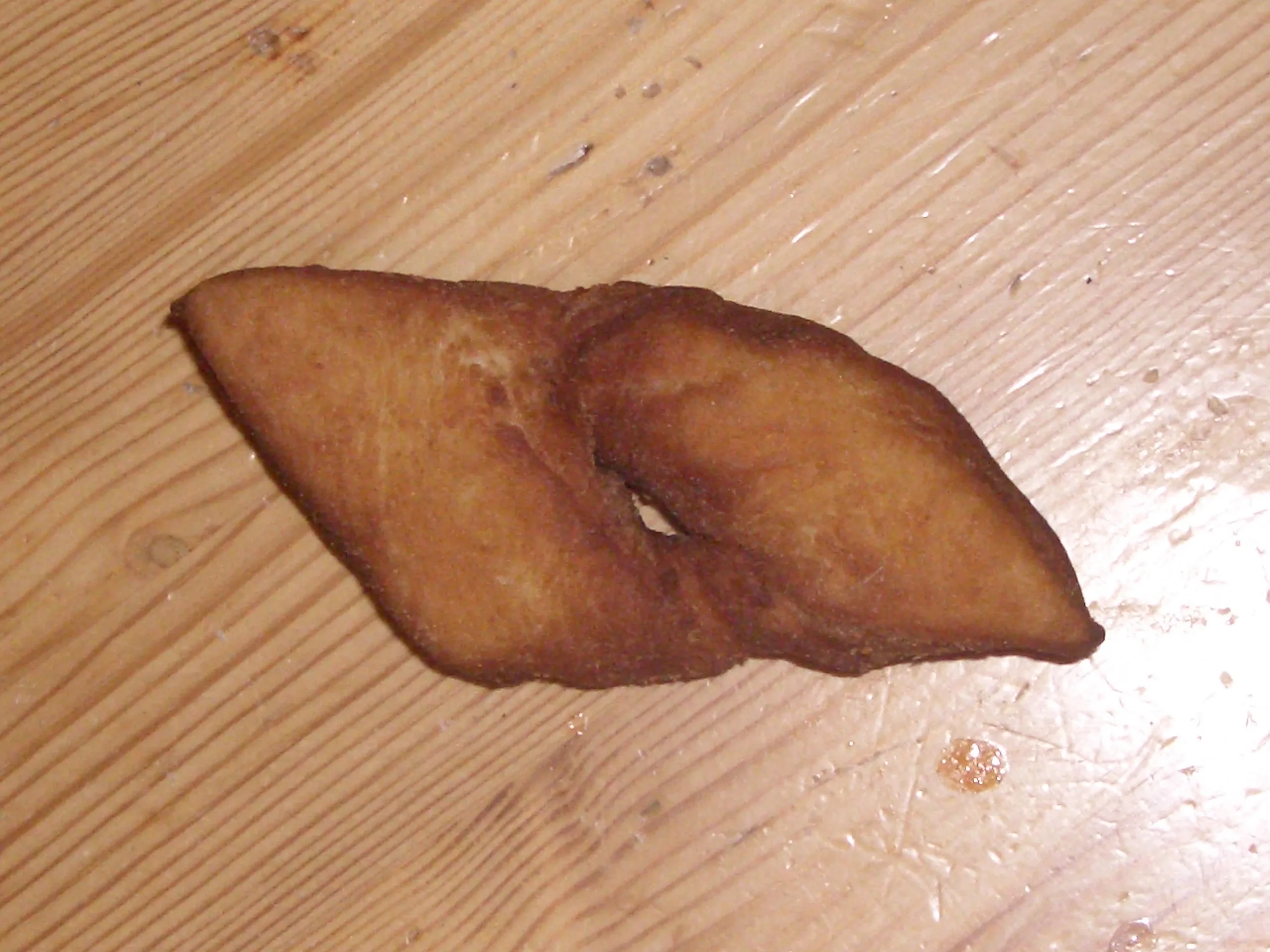
Kleina, a staple of Iceland's cuisine
What Kleina Are
Kleina, also called kleinur, are thin, twisted doughnuts known for a crisp, almost fragile shell and a soft, doughy heart. The dough is flattened, cut into small trapezoids, slit in the middle and the ends pulled through to form a knot before frying. The result is a pastry that cracks under light pressure yet yields a tender interior.
Origins and Cultural Context
The name derives from Low German *Kleinet*, meaning "little object" or "present," hinting at a Germanic origin that spread across the Nordic region. In Iceland the pastry appears year-round in bakeries and grocery bags, unlike the Christmas-focused traditions of southern Sweden. Similar shapes appear in Lithuania, Latvia, Romania, Poland and Russia, each with its own local name.
Preparation and Flavor Profile
The dough is mixed with butter, eggs, flour and a precise pinch of crushed cardamom, then rolled thin. After the knot is formed, the pieces are deep-fried in oil until golden. Powdered sugar or cinnamon may be dusted on top, though Icelandic versions are often served plain. The cardamom imparts a bright, aromatic note that cuts through the richness of the fried crust.
When and How It Is Eaten
Kleina are sold singly in bakery windows and in bags of ten for home consumption. An everyday snack, they are frequently paired with a steaming mug of coffee; the heat softens the outer crunch, creating a contrast of textures. Though available year-round, the pastry appears more frequently during the holiday season in many Nordic households.
What to Expect
A bite of kleina begins with a gentle snap, then yields a warm, slightly chewy center scented with cardamom. The powdered sugar, when present, adds a faint sweetness that balances the oil-rich base. Dipping it into coffee briefly melts the outer layer, making the pastry pliable and releasing a fragrant steam. The overall sensation is lively and comforting, a reminder of Icelandic daily rhythms.
Why Try It
Kleina illustrate how a simple European pastry has been adapted into Icelandic daily life, reflecting both historic trade routes and local taste preferences. Their ubiquitous presence in bakeries underscores the importance of quick, portable sweets in the country's food culture.
Insider Tips
Seek out a local bakery in Reykjavik or a small town shop where fresh kleina are displayed on the counter; they are usually sold individually or in small packs.
Pair kleina with strong black coffee or a glass of Icelandic brennivín for a traditional contrast of bitter and sweet.
Insiders often let the pastry sit in coffee for a few seconds before eating, allowing the crisp to soften without losing its shape.