Japan's most culturally significant bowl comes in four regional schools, each with its own broth, noodle and tare. The broth takes 18 hours; the noodles take 2 minutes.
About Ramen
Japan's most culturally significant bowl: four regional schools: Fukuoka's creamy tonkotsu (pork bone broth simmered 18+ hours), Sapporo's miso ramen with corn and butter, Tokyo's shoyu (soy) and Kyoto's rich chicken paitan; the noodles, broth, tare (seasoning concentrate) and toppings are each a separate study; Japan's 200,000 ramen shops represent a 600-billion-yen industry.
Four Schools
Ramen is among Japan's most beloved bowls, and it comes in several regional traditions. Fukuoka's tonkotsu is a pork-bone broth simmered for many hours until white and creamy; Sapporo's miso ramen is hearty and often topped with corn and butter; Tokyo's shoyu is a clear soy-seasoned broth; and various chicken-based paitan and shio styles fill out the map. Each is a distinct study in broth, noodle and seasoning.
“Ramen is among Japan's most beloved bowls, and it comes in several regional traditions.”
The Broth
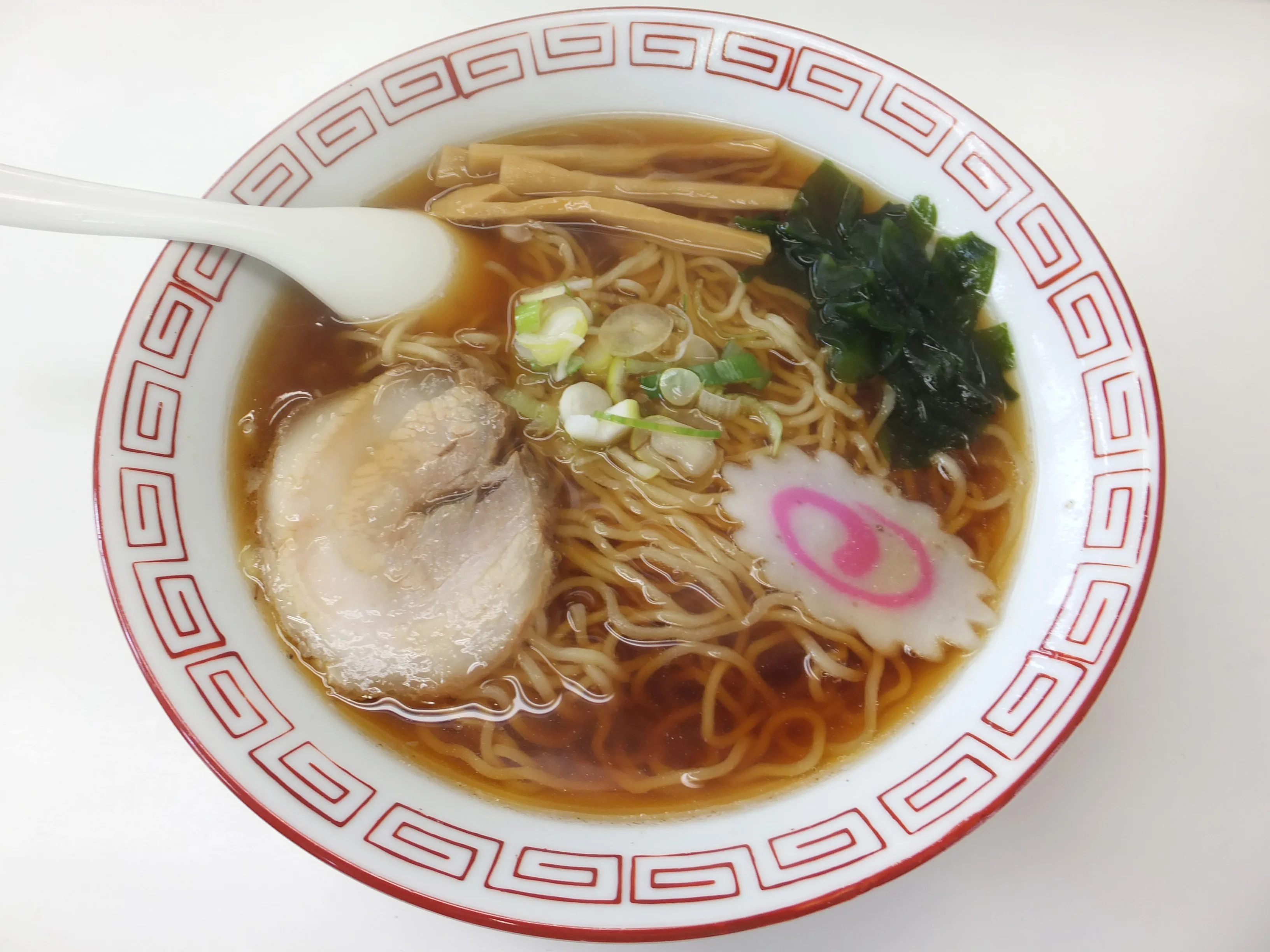
The broth is what takes the time. Tonkotsu demands a long, hard boil to break down the collagen and turn the liquid white and rich, while clear styles depend on careful skimming. The noodles, by contrast, cook in a couple of minutes. The effort is inverted: simple noodles, painstaking broth.
Tare and Noodles
Beneath the broth sits the tare, a concentrated seasoning of soy, salt or miso that flavours each bowl, and the noodles are matched to the soup, thin and straight for tonkotsu, thicker and wavy for miso. Toppings such as chashu pork, soft-boiled egg, spring onion and bamboo shoots complete it. Assembling these parts in balance is the art of a good shop.
A National Obsession
Ramen is Japan's most democratic food, cheap enough to eat often yet complex enough to absorb a lifetime of perfecting. Dedicated shops queue down the street, and chefs build reputations on a single style. Eaten quickly, broth first with the ceramic spoon, then noodles before they soften, it is comfort food raised to a craft.
What to Expect
The tonkotsu ramen arrives white and opaque, the chashu pork floating on top, the soft-boiled egg halved. The diner eats the broth first with the ceramic spoon. It is rich and slightly salty and nothing like chicken soup.
Why Try It
Ramen is Japan's most democratic food, cheap enough to eat daily, complex enough to spend a lifetime perfecting.
Insider Tips
- Ichiran in Fukuoka is the most famous tonkotsu address, individual booths, no conversation required.
- In Tokyo, Fuunji in Shinjuku serves a tsukemen (dipping ramen) worth the queue.
- Order extra chashu pork (叉焼追加) at any ramen counter. It's always worth it.