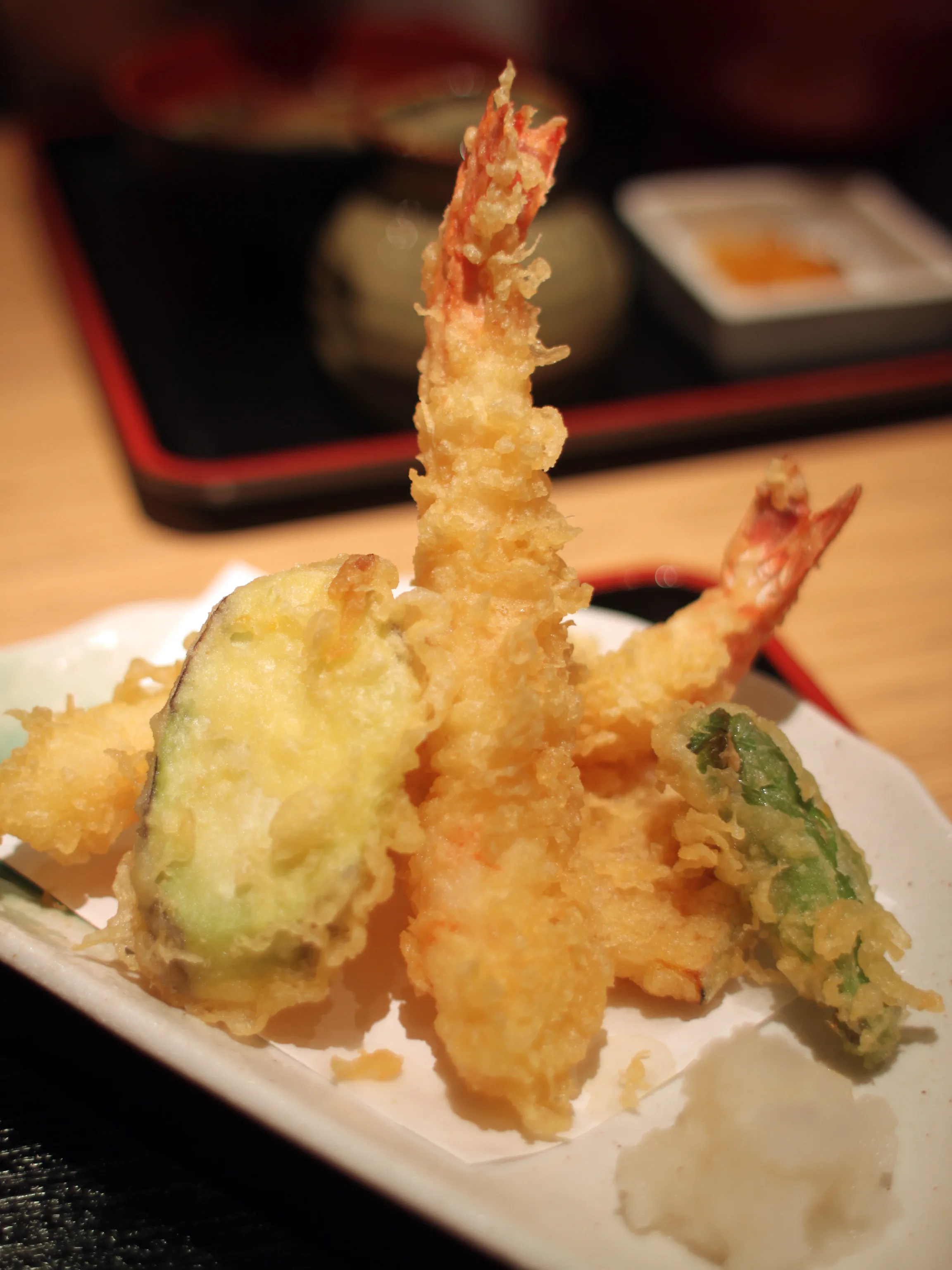
A sushi master trains for a decade before touching the fish. The rice, body-warm, slightly acidic, is the foundation that most sushi outside Japan gets wrong.
About Sushi & Sashimi
Japan's most refined culinary art, vinegared shari rice pressed by hand around or beneath a slice of neta (fish or seafood) in the Edo-mae style that originated in Tokyo's Tsukiji district; the itamae (sushi master) trains for a decade before touching the fish; served at the counter and eaten immediately; the temperature of the rice (body-warm), the knife angle and the sourness of the rice are the variables of a lifetime.
The Rice
At a serious sushi counter, the rice, the shari, is treated as the foundation of everything. It is served close to body temperature, seasoned with vinegar, salt and sugar, and pressed with just enough force to hold together without compacting. Apprentices may spend years on the rice alone before being trusted with the fish. Most sushi made abroad gets this part wrong.
“At a serious sushi counter, the rice, the shari, is treated as the foundation of everything.”
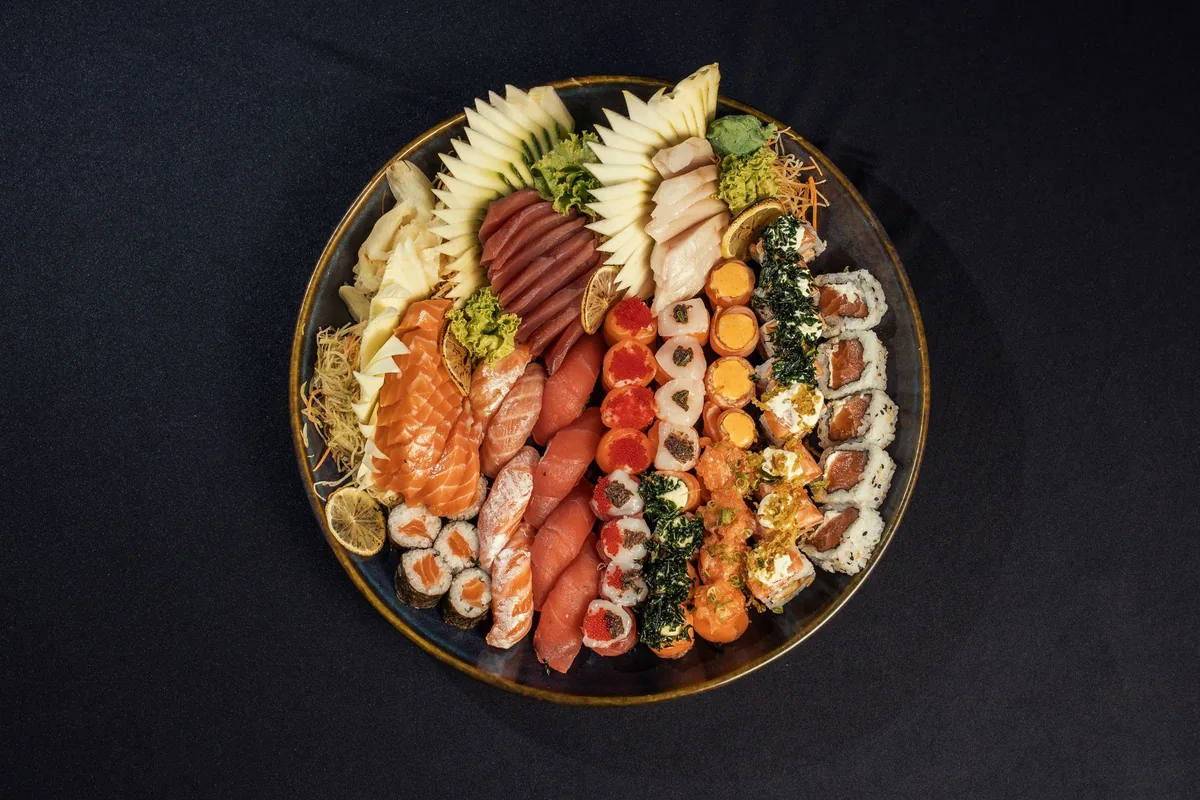
The Training
A traditional itamae, or sushi chef, trains for years, learning knife work, fish selection and the precise angle at which each species is cut to bring out its texture. The fish is sliced to expose the right muscle fibres, and timing and pressure are judged by feel. It is a craft built on long, patient apprenticeship.
Edo-mae
Tokyo-style Edo-mae sushi grew up before refrigeration, when fish was cured, marinated or lightly cooked to preserve it, and those techniques survive as a mark of skill rather than necessity. Curing with salt and vinegar, marinating in soy, gently warming, all add subtle complexity beyond plain raw fish. The result is more layered than its simplicity suggests.
Omakase
The fullest experience is omakase, chef's choice, eaten at the counter where each piece is made and handed over to be eaten at once. The order is deliberate, building from lighter to richer fish, and the diner trusts the chef's sequencing. Brief and precise, each piece is a small, complete thing, the rice warm and the fish at room temperature.
What to Expect
At an omakase counter in Tokyo the chef prepares each piece individually, placing it on the counter in front of the diner. The diner eats immediately. The rice is warm. The fish is at room temperature. The combination is brief and complete.
Why Try It
Sushi is the dish that requires the most trust in the cook: the diner eats what is given, in the order it arrives, and finds that the sequencing was designed for the experience.
Insider Tips
- For genuine sushi, sit at the counter (not a table) and order omakase (chef's choice).
- Eat each piece immediately after it is served, since sushi waits for no one.
- Sukiyabashi Jiro (Tokyo) has a 3-month wait. Midrange omakase counters deliver comparable quality.