"Wagyu fat melts at body temperature. This is not metaphor, it's chemistry. A5 Kobe beef literally dissolves before the diner finishes chewing."
About Wagyu Beef
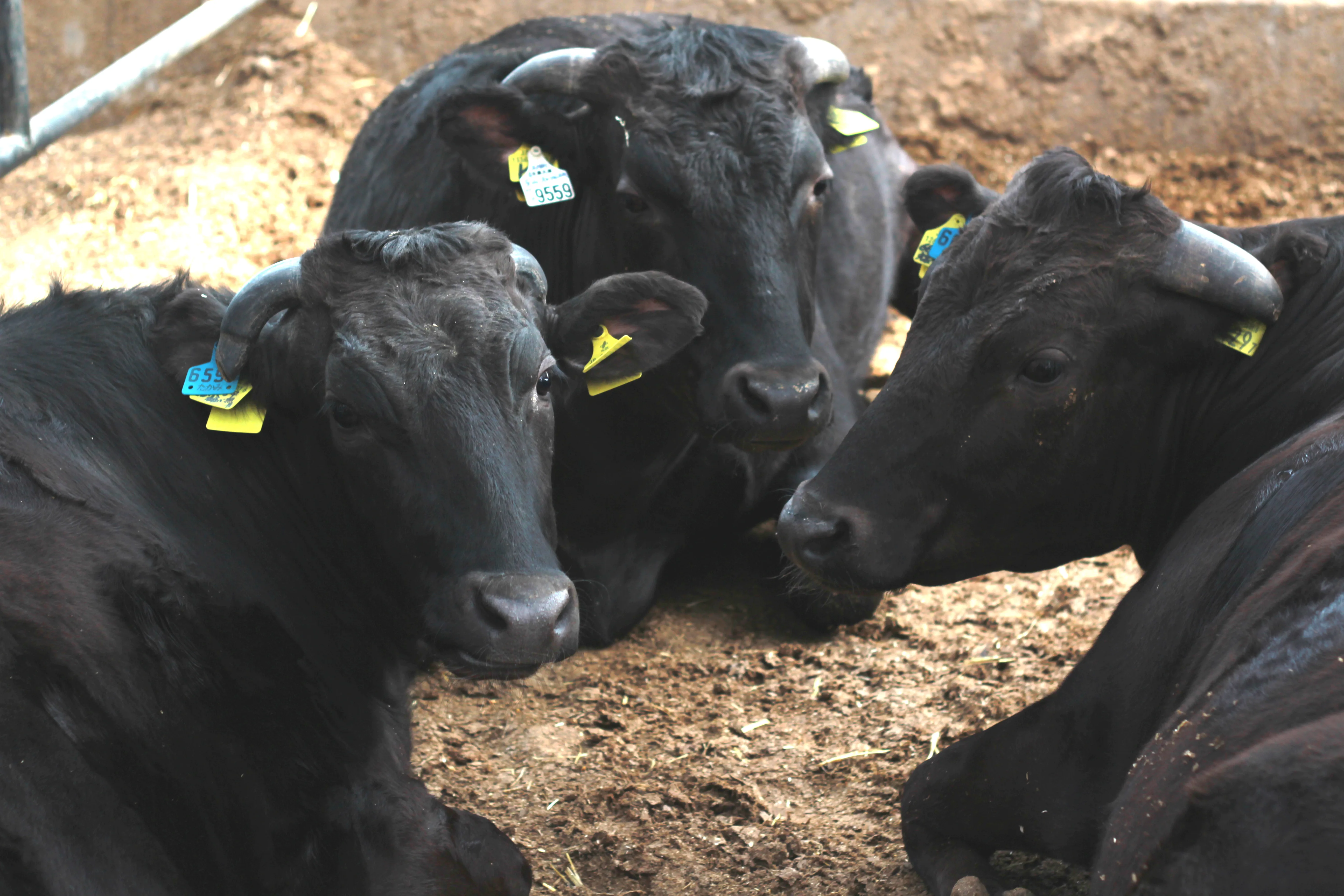
The world's most coveted beef: cattle raised in Japan's Hyogo, Miyazaki, Ōmi and Matsusaka prefectures with a genetic predisposition to deposit fat within the muscle fibers as a marble-fine intramuscular fat; the A5 grade Kobe beef has a fat content that raises its melting point below body temperature, meaning it dissolves on the tongue; grilled thinly at teppanyaki or eaten as shabu-shabu.
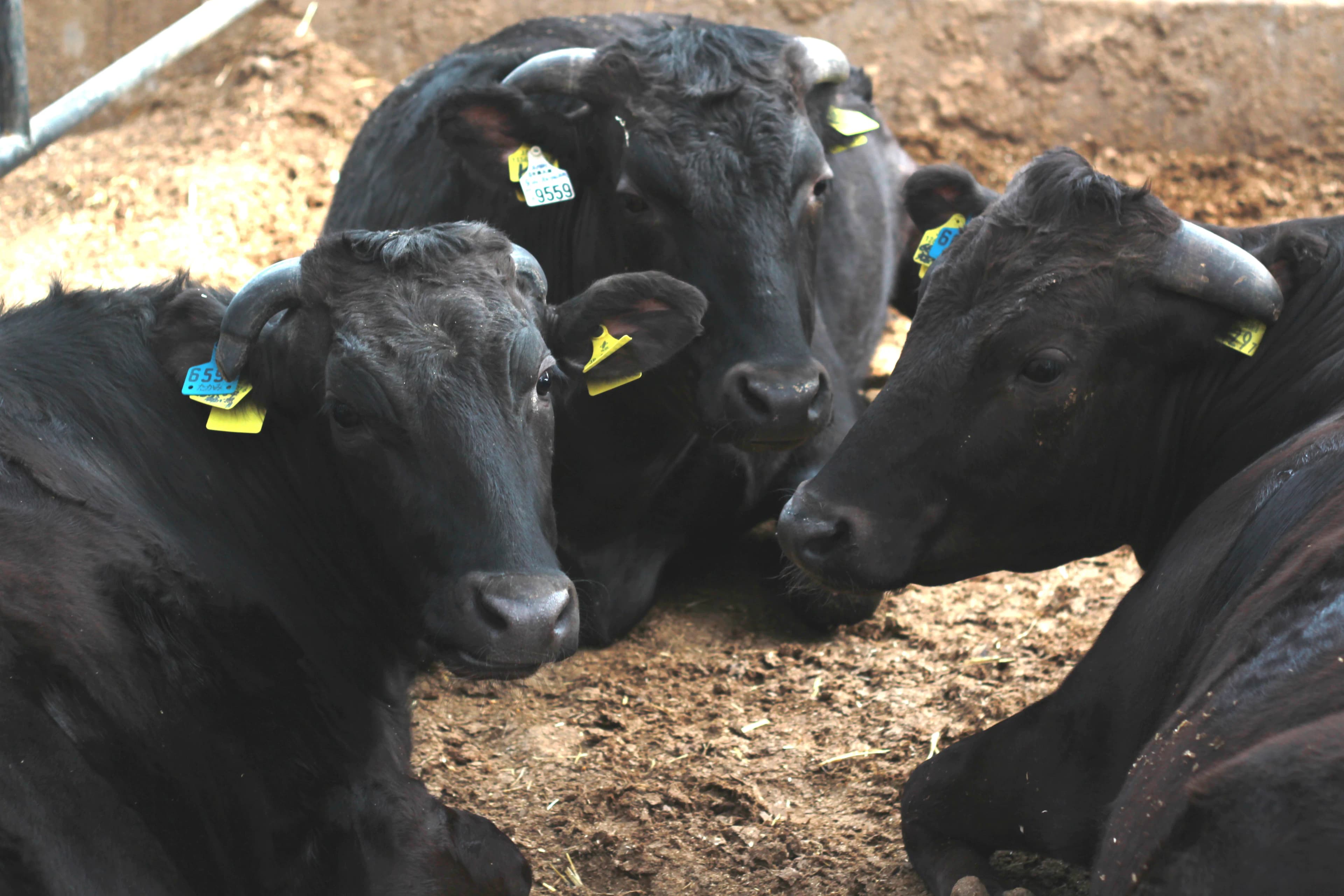
Wagyu Beef, a staple of Japan's cuisine
The Fat
Wagyu cattle are bred to deposit fat within the muscle as fine marbling, and in the highest grades that fat has a melting point below body temperature. The result is beef that softens and dissolves on the tongue with little chewing. It is not marketing but a measurable property of the fat itself. The richness comes from that intramuscular marbling rather than from a fatty rim.
The Grades
Japanese beef is graded by yield and marbling, with A5 the highest mark. Regional names such as Kobe, Matsusaka, Omi and Miyazaki denote where and how the cattle were raised, each with its own reputation. Kobe carries the greatest international fame, while others are prized for even higher marbling. The grade and the region together set the price.
Breed and Care
Behind the grade lies a long tradition of careful breeding and feeding, with cattle raised slowly on rich diets to develop their marbling. The system that produces wagyu, the genetics, the husbandry and the grading, is unlike beef-rearing anywhere else. It is what gives the meat a character with no real equivalent.
How It Is Eaten
Because it is so rich, wagyu is eaten in small portions and cooked simply, often a thin slice seared for seconds on a hot griddle and seasoned with no more than a little salt. Teppanyaki, cooked at the counter in front of the diner, is a favoured format. A modest serving is plenty, since the intensity quickly becomes too much in larger amounts.
What to Expect
At a teppanyaki counter in Kobe the chef places a thin slice of A5 on the griddle. It takes seven seconds to cook. The dish is eaten with a grain of sea salt. The fat dissolves immediately. The flavour is deep and slightly sweet.
Why Try It
Wagyu is the argument for why Japan's approach to beef cattle is categorically different from every other tradition, the breed, the feeding regime and the grading system together produce something with no equivalent.
✦ Photo Gallery
Insider Tips
A5 is the grade to seek. A3-A4 is excellent and significantly cheaper.
Teppanyaki counter service, cooked tableside, is the best format, with every step in view.
A proper portion of A5 Kobe is 150-200g. More than that and the richness becomes too much.