Saudi Arabia's most celebrated feast dish: whole lamb slow-roasted in an underground pit over rice. The steam seasons the grain. Associated with weddings and Eid.
About Mandi
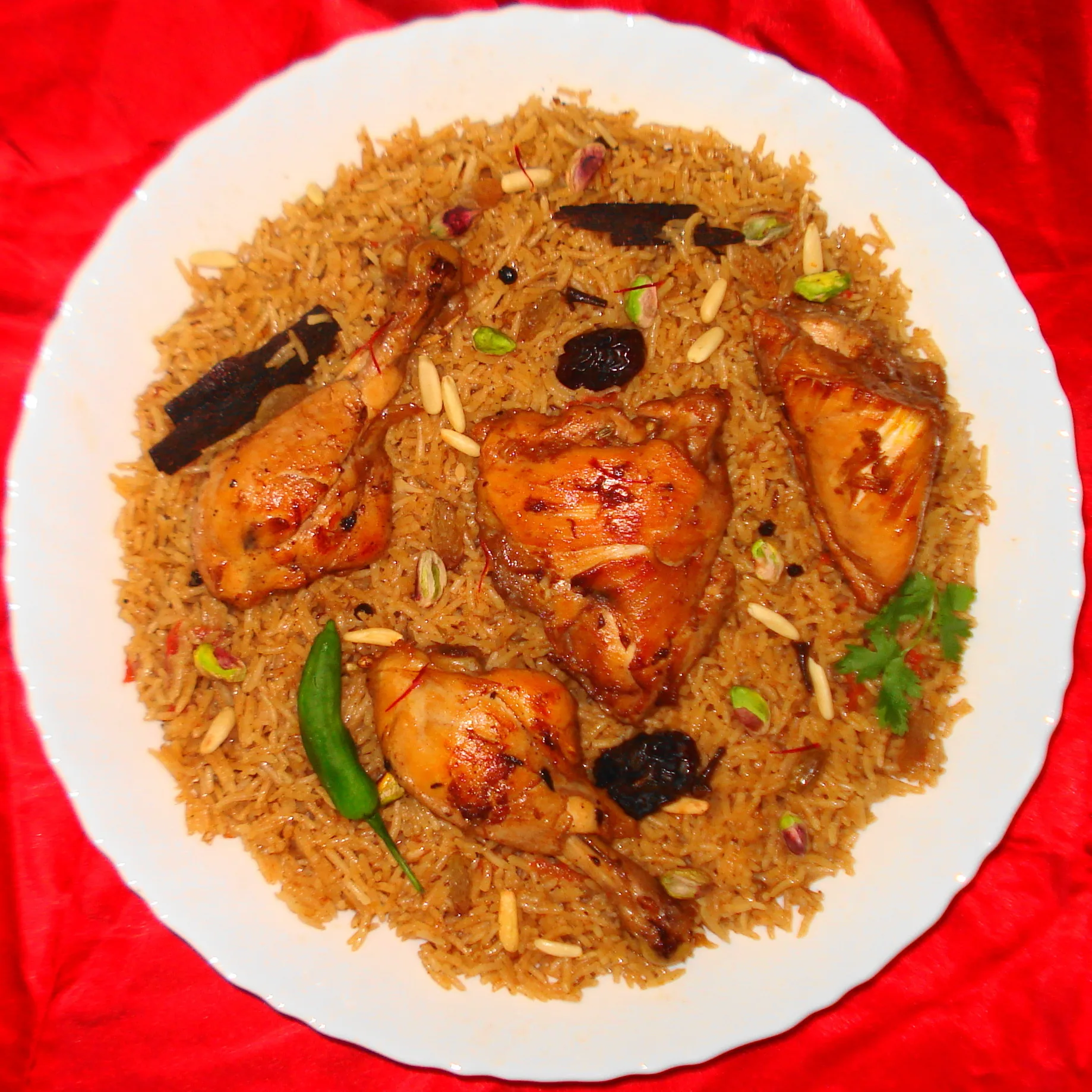
Saudi Arabia's most celebrated feast dish, a whole lamb or chicken slow-cooked in a tandoor-like underground pit (tandoor mandi) suspended over fragrant rice; the steam of the slowly roasting meat seasons the rice beneath; the result is extraordinarily tender meat and the most aromatic rice on the peninsula; a dish associated with weddings, Eid and tribal hospitality.
The Pit Oven
Mandi is one of the Arabian Peninsula's most celebrated feast dishes: meat, usually lamb or chicken, slow-cooked in a tandoor-like underground pit suspended above fragrant rice. As the meat roasts, its juices and smoke drip down and season the grain below. The result is meltingly tender meat and intensely aromatic rice.
“Mandi is one of the Arabian Peninsula's most celebrated feast dishes: meat, usually lamb or chicken, slow-cooked in a tandoor-like underground pit suspended above fragrant rice.”
The Rice
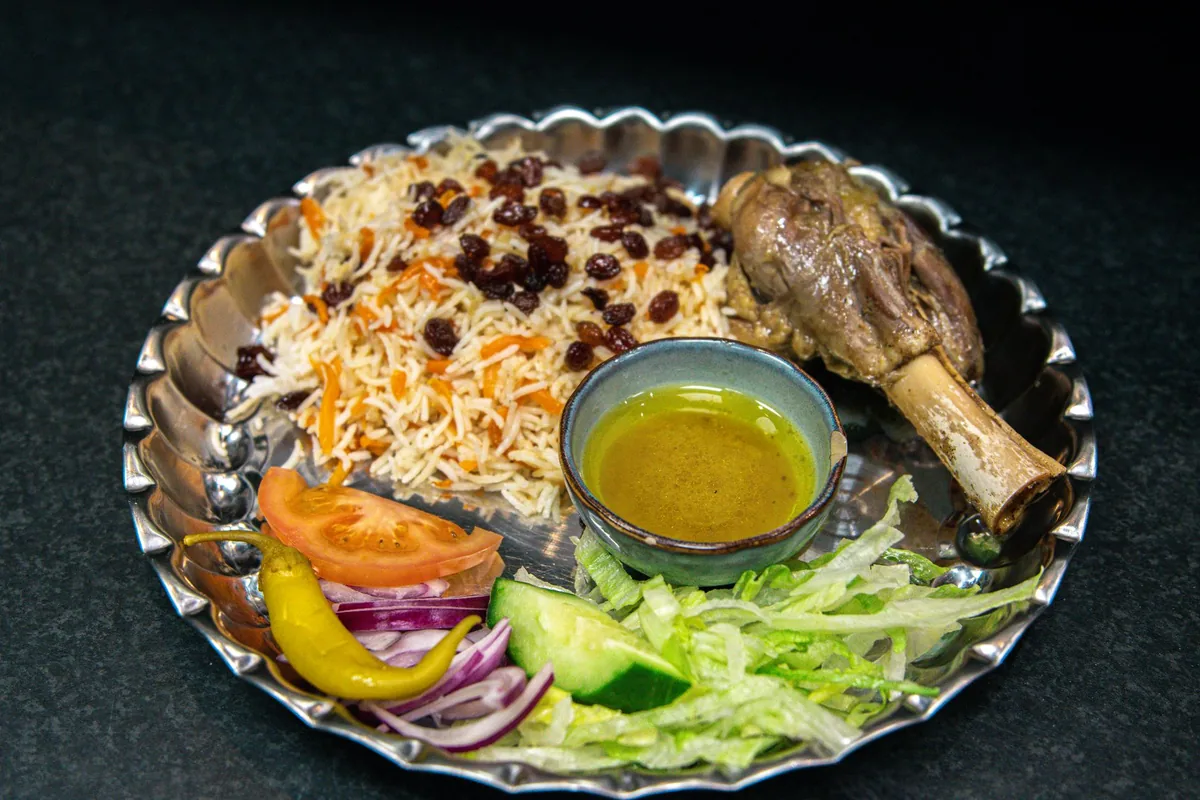
The rice is the heart of mandi as much as the meat. Cooked beneath the roasting animal, it drinks up the rendered fat, the spices and the wood smoke over hours in the sealed pit. The grain from the bottom, richest in flavour, is especially prized. That smoke-and-steam-seasoned rice is what sets mandi apart.
A Yemeni Inheritance
Mandi has its roots in the cooking of Yemen and the wider south of the peninsula, and it took firm hold in the Hejaz and Asir regions of Saudi Arabia. The pit method, an oven dug into the ground, is ancient and communal. It is now a staple of restaurants across the kingdom as well as of home feasts.
Weddings and Eid
Mandi is above all celebration and hospitality food, prepared for weddings, Eid and large gatherings, a single pit feeding twenty or more from one whole animal. Served on a wide communal platter, the meat pulled apart by hand and piled on rice, it is built for sharing. It is the taste of Saudi celebration.
What to Expect
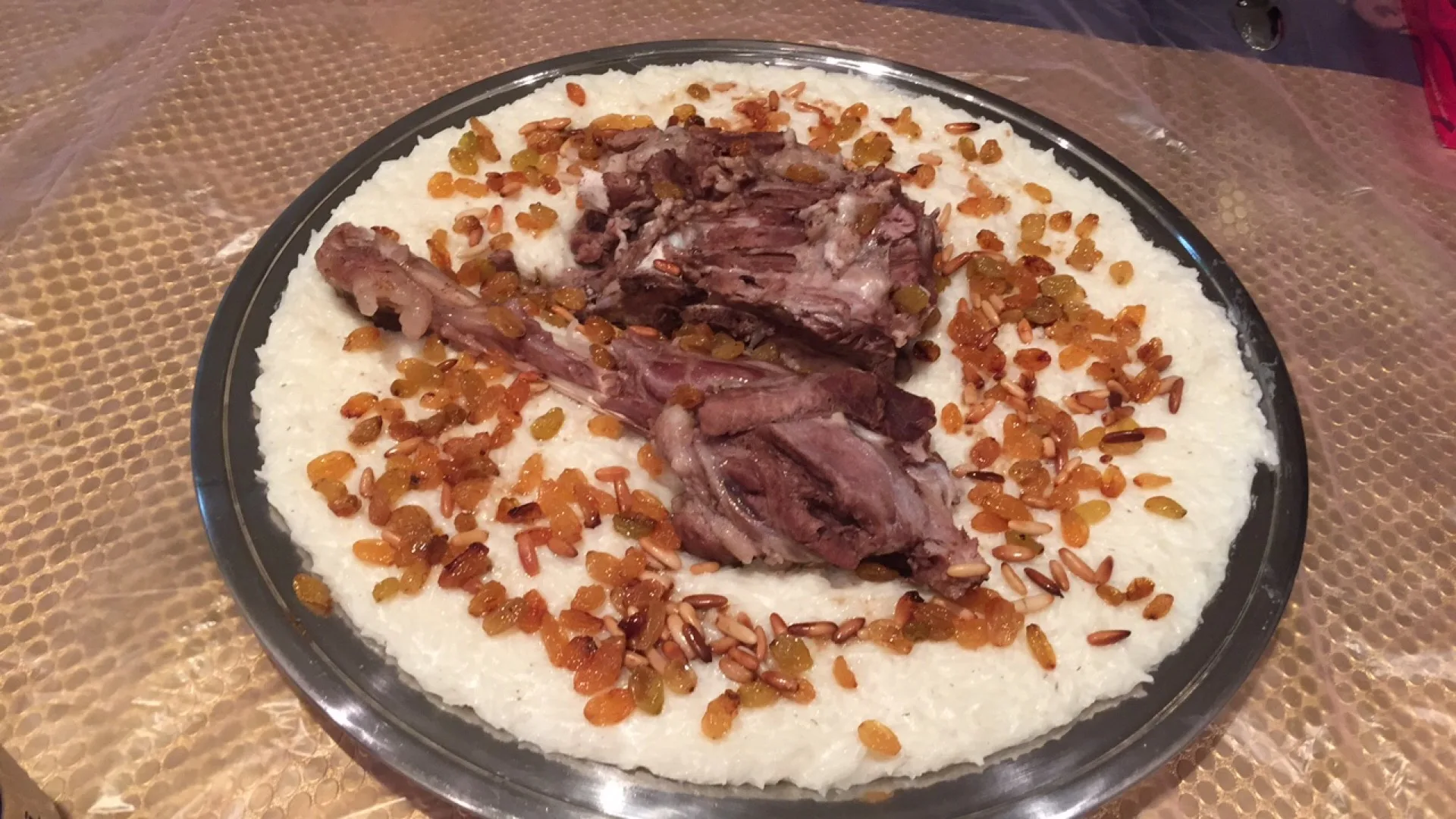
The mandi arrives on a wide platter, the lamb falling from the bone when touched, the rice beneath it fragrant from hours of smoke and steam. The diner pulls pieces of lamb and piles them on rice.
Why Try It
Mandi is the taste of Saudi Arabian celebration, a dish that requires a pit, a whole animal and an occasion.
Insider Tips
- Mandi restaurants (mataem mandi) in Jeddah and Riyadh prepare it fresh daily.
- The rice from the bottom of the pit is the most flavourful, ask for it specifically.
- Visit during Eid al-Adha to experience mandi in its most authentic context.