Explore
Landmarks & Places
Must-see destinations across Saudi Arabia
The Empty Quarter (Rub' al Khali)
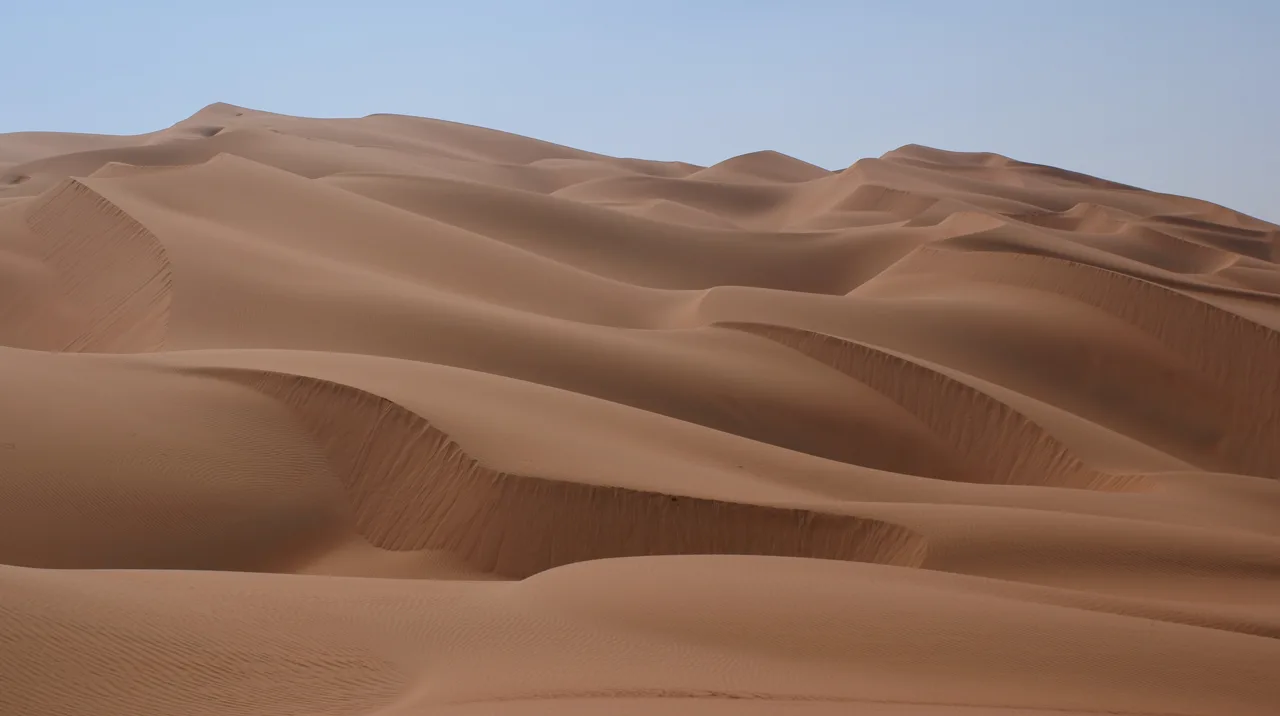
A sea of orange sand larger than France contains dunes that 'sing' and a silence so deep it feels like the end of the world.
Ithra (King Abdulaziz Center for World Culture)
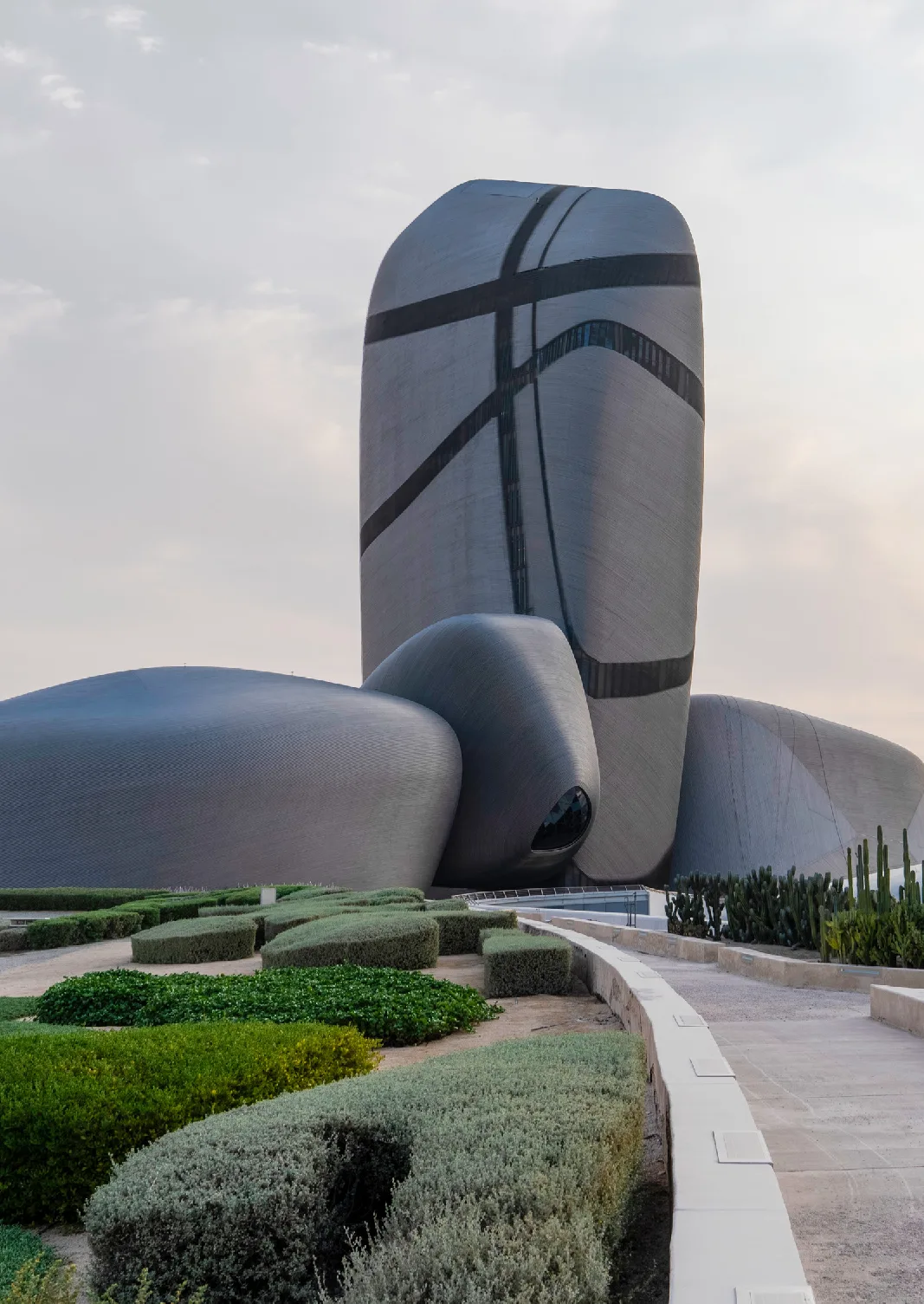
Four giant metallic pebbles, wrapped in 350 kilometers of stainless steel, stand on the very spot where the first drop of Saudi oil was discovered.
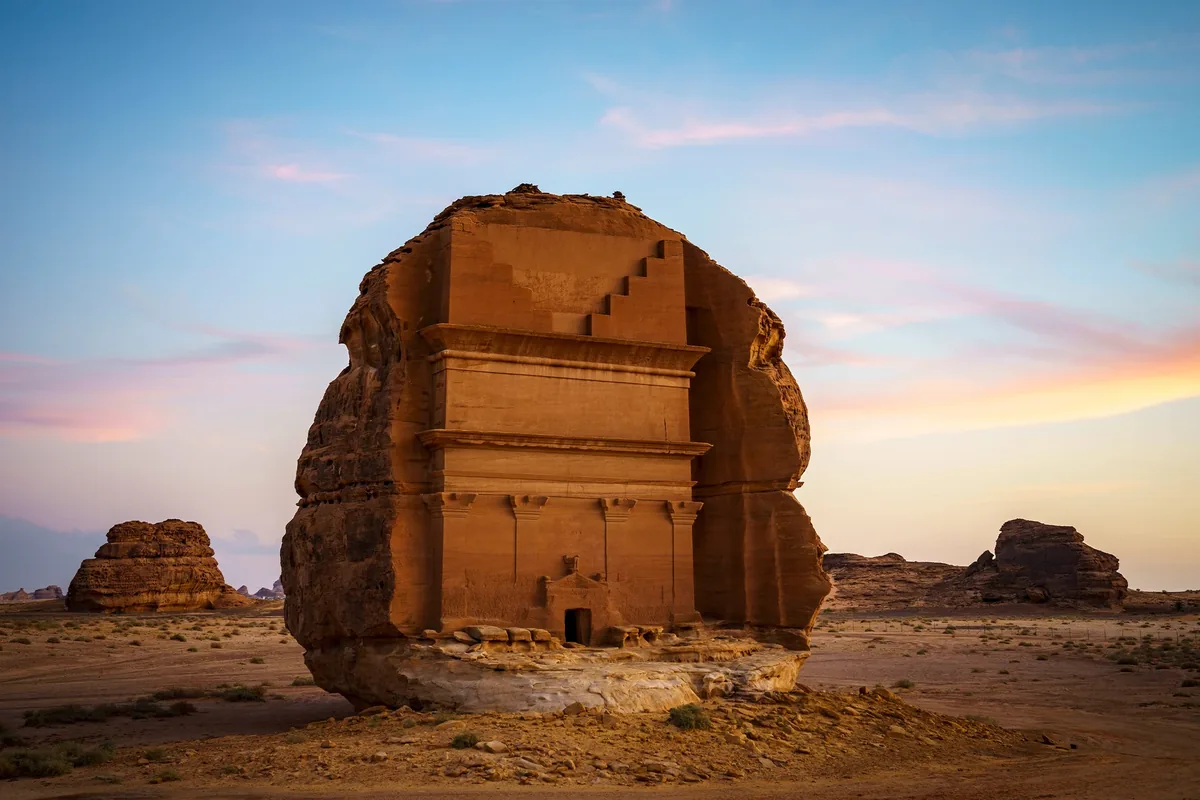
Hegra
The first UNESCO site in the Kingdom comprises 111 monumental tombs carved into sun-bleached limestone outcrops by the Nabataeans in the 1st century BCE; the tomb of Lihyan Son of Kuza stands 22 metres tall in isolated grandeur; visit at 4 pm when the western light ignites the rose-gold facades; the desert wind whistling through the sandstone canyons is the only sound in the silence.
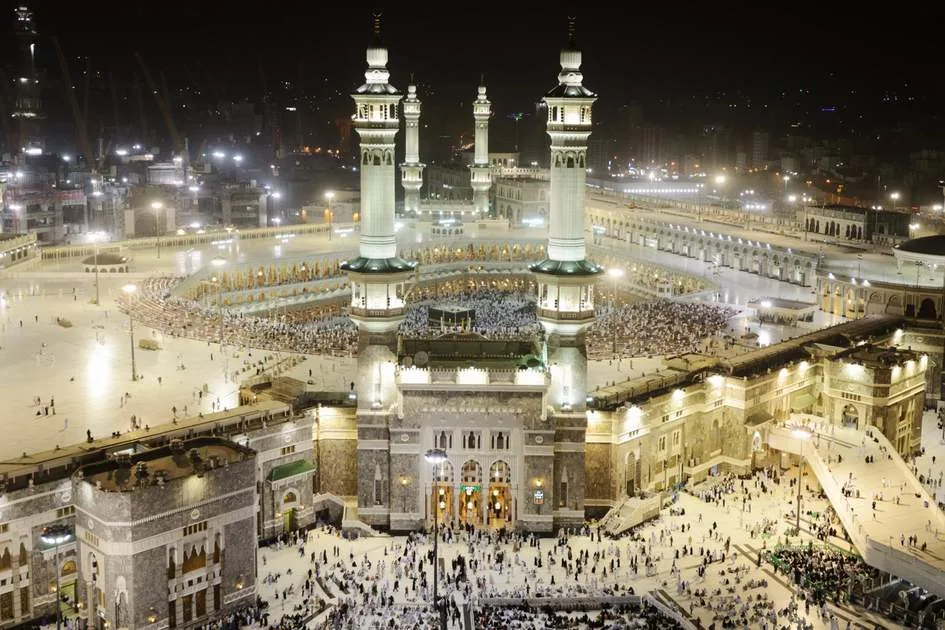
Masjid al-Haram
The geographic epicenter of Islam surrounds the black-silk-draped Kaaba within a courtyard of massive marble scale; the seven minarets pierce the sky above the world's largest mosque; stand on the upper terrace during the Fajr prayer when the collective rhythm of thousands of worshippers moving in unison creates a physical vibration in the humid morning air; the scent of oud and musk is pervasive.
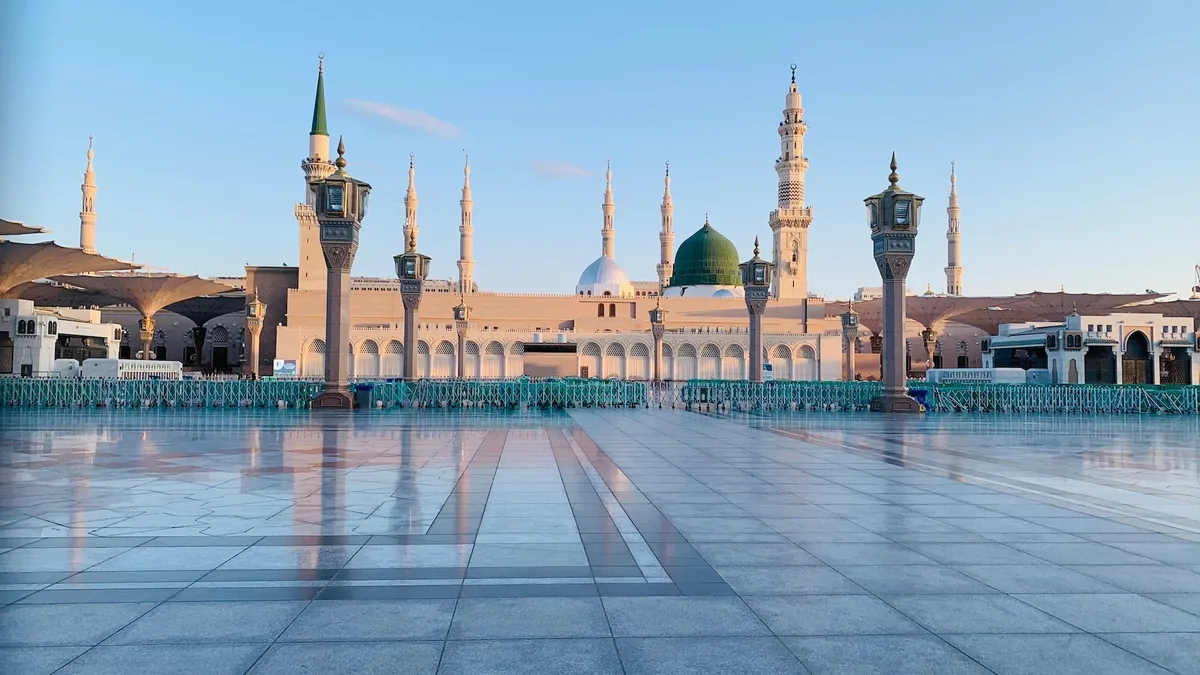
Al-Masjid an-Nabawi
The Prophet’s Mosque is defined by 250 massive teflon umbrellas that open like desert flowers to shade the white marble piazzas; the 19th-century Green Dome marks the resting place of Muhammad; enter the Rawdah at midnight when the hand-knotted green carpets and hand-hammered copper lanterns are bathed in a soft; emerald light; the hushed whispers of pilgrims create a dense; reverent atmosphere.
At-Turaif District in ad-Dir'iyah
The 15th-century ancestral home of the House of Saud is a fortress-city of sun-dried mudbrick and Najdi architectural flourishes; the Salwa Palace dominates the skyline with its triangular decorative windows and heavy timber doors; walk the restored wadi edge at dusk when the walls turn the colour of burnt orange; the smell of dry earth and the sound of the evening call to prayer echo through the palm groves.
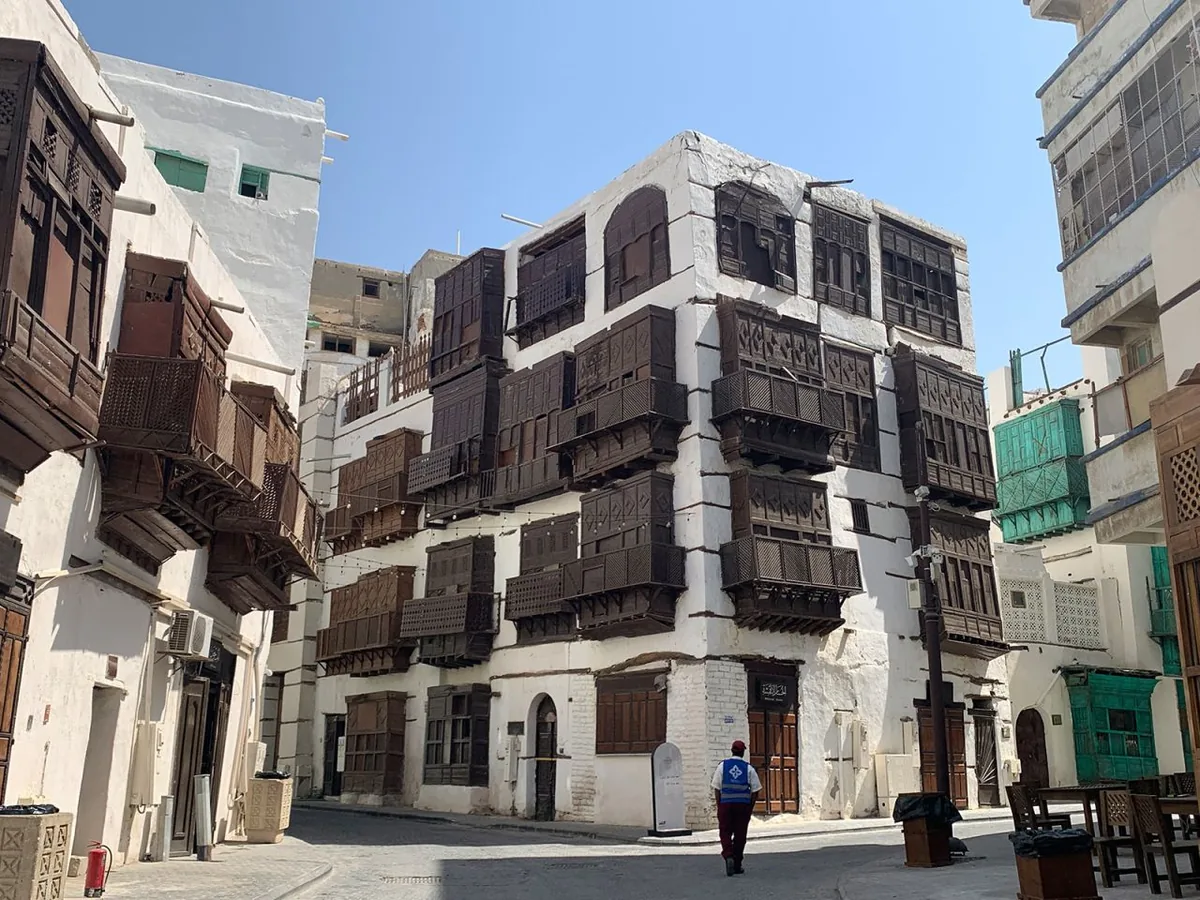
Al-Balad
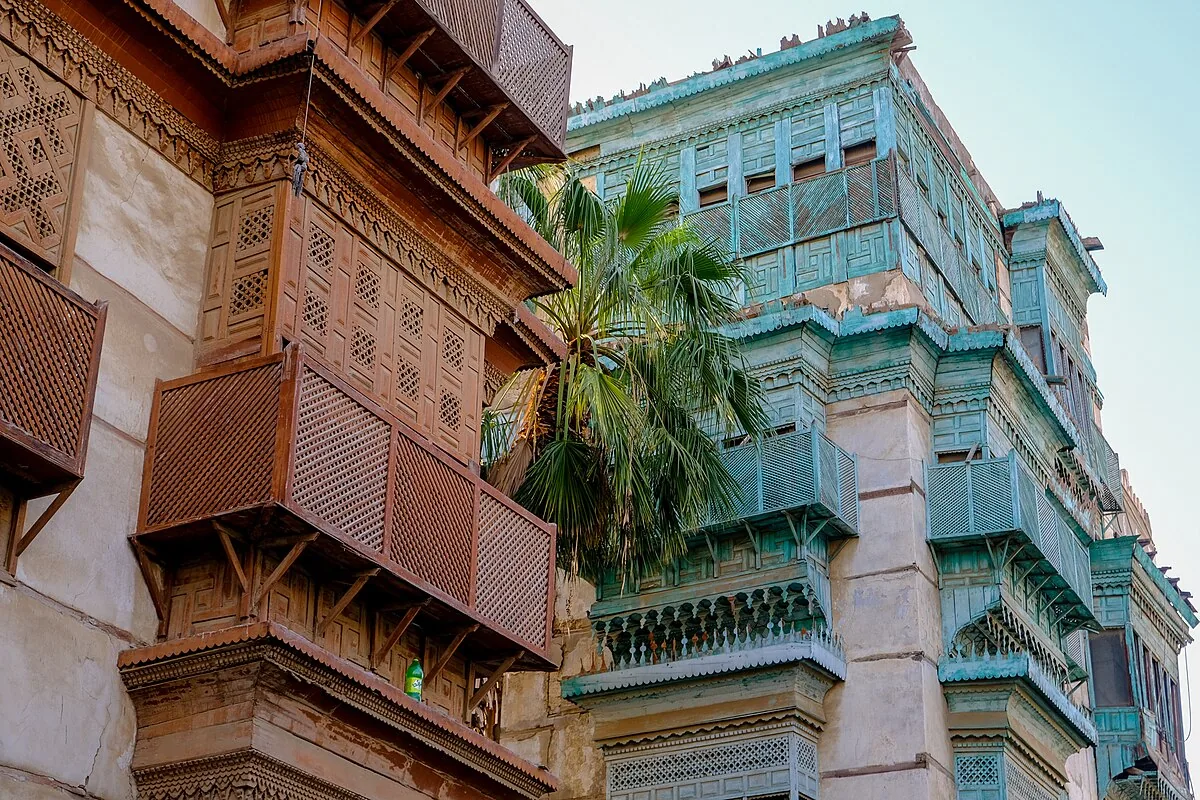
A 7th-century labyrinth of coral-stone merchant houses adorned with intricate Roshan, hand-carved teak latticework balconies that catch the Red Sea breeze; the scent of roasted coffee and cardamom spills from the lower souks into the narrow sikkas; explore the alleys at 10 pm when the humidity lifts; the sound of traders bargaining in multiple dialects creates a saturated; living record of the Hejaz.
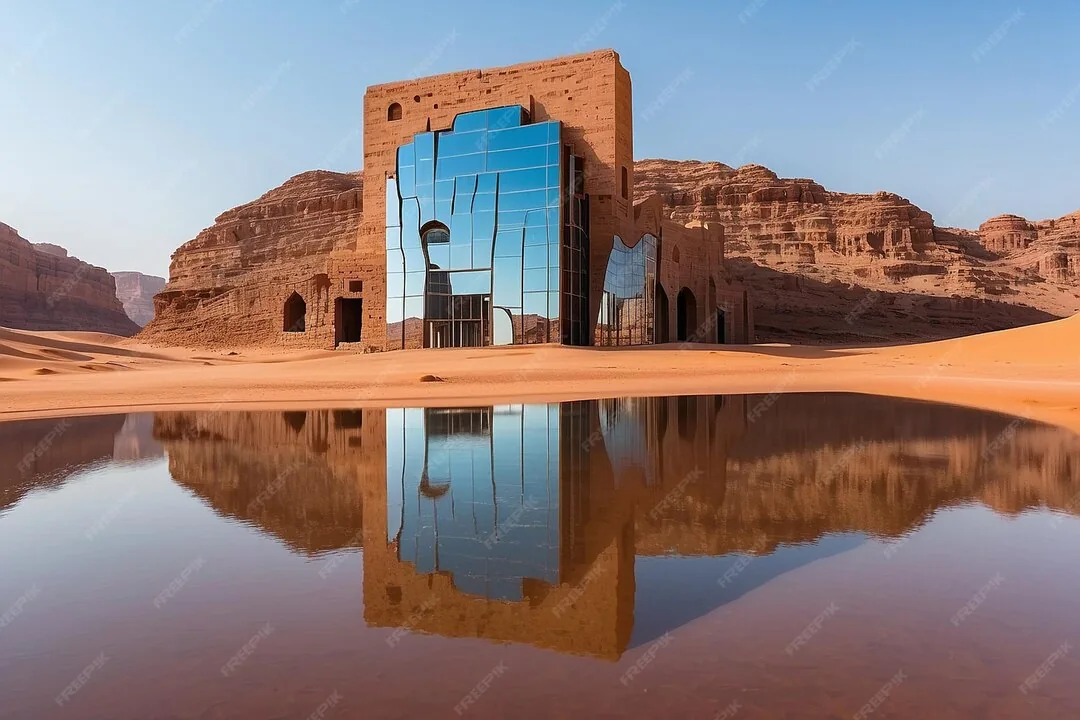
Maraya
The world’s largest mirror-clad building is a 5,000-square-metre architectural vanishing act in the Ashar Valley; its reflective surface creates a perfect; shifting duplicate of the jagged basalt and sandstone mountains; stand at the entrance at sunrise when the glass disappears entirely into the sky; leaving only the geometric shadow of the structure on the laterite-red sand; the effect is a clinical; surrealist masterpiece.
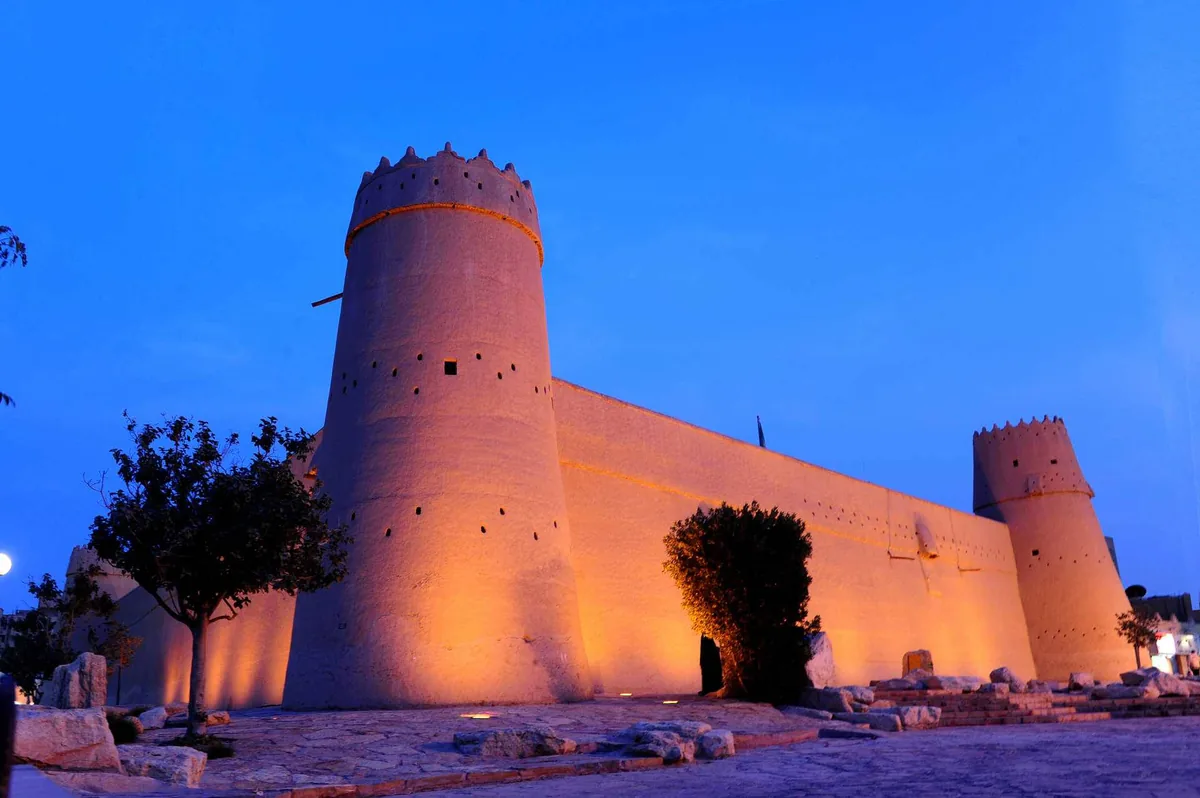
Masmak Fortress
A 19th-century citadel of thick clay and mudbrick that marks the 1902 birth of the modern Kingdom; the original palm-wood gate still bears the tip of a spear from the final assault; explore the interior courtyard at midday; the three-metre-thick walls provide a natural; cool silence against the desert heat; the air smells of old straw and sun-baked mud while the light filters through narrow slit-windows.
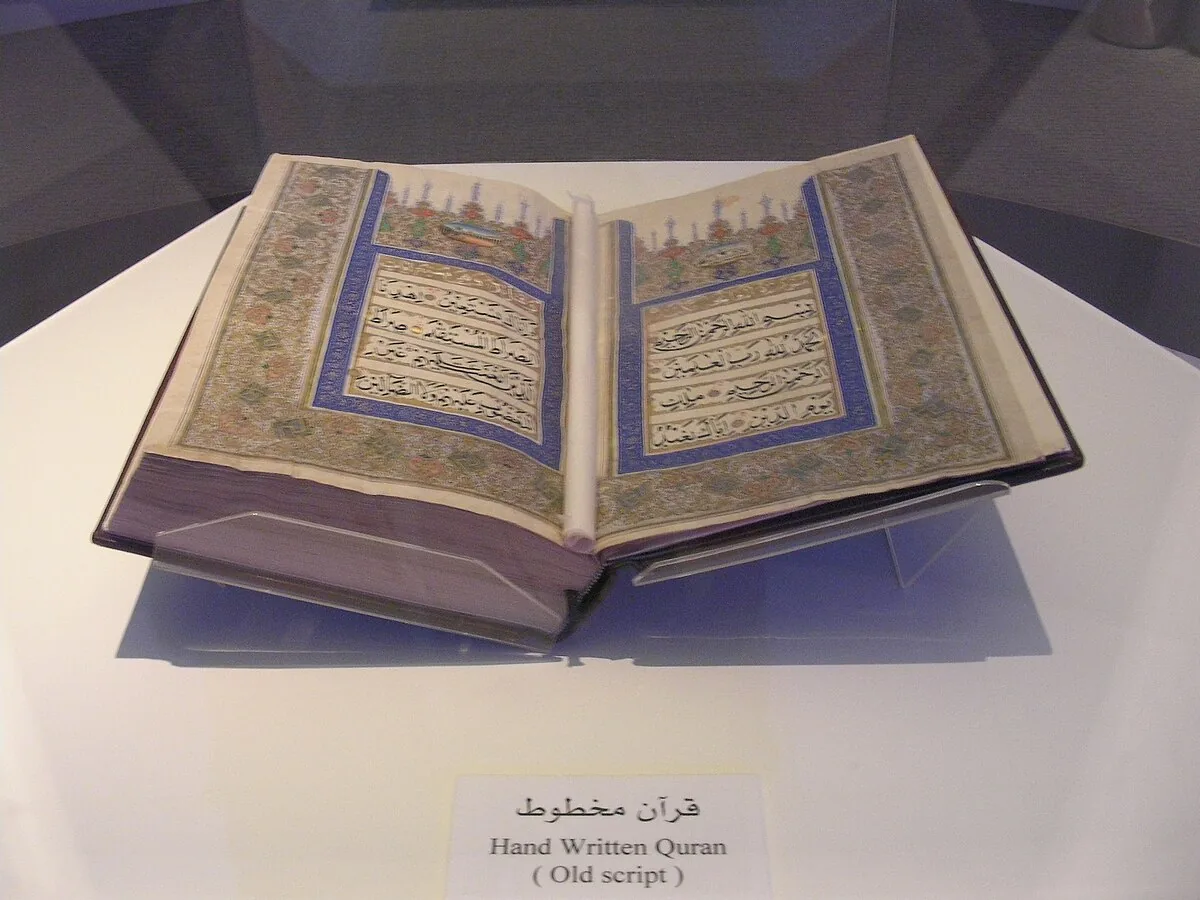
National Museum of Saudi Arabia
A modernist architectural arc of yellow limestone housing eight chronological galleries that span from the Neolithic to the present; the center features a 1:1 scale model of a Nabataean tomb and a fragment of a meteorite from the Empty Quarter; walk the 'Man and Universe' hall at opening; the clinical light through the glass skylights highlights the jagged texture of prehistoric basalt tools.
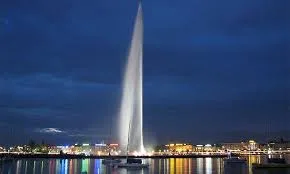
King Fahd's Fountain
The world’s highest fountain ejects Red Sea water 312 metres into the air at speeds of 375 kilometres per hour; the massive plume of white spray is visible from across the city; stand on the Corniche at 9 pm when 500 high-intensity spotlights illuminate the water column against the black void of the sea; the sound of the falling water is a constant; thunderous roar that drowns out the city traffic.
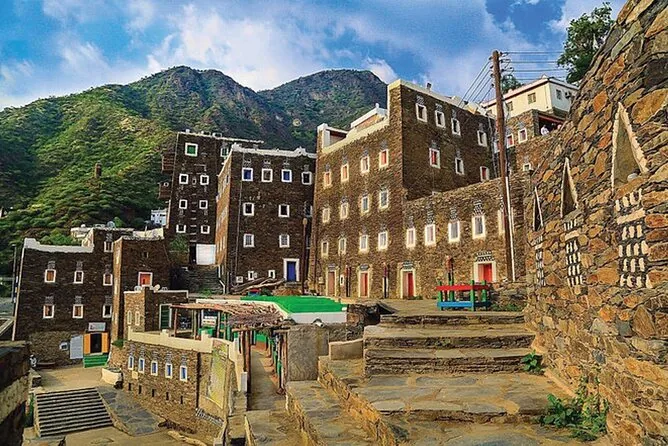
Rijal Almaa
A 900-year-old mountain village of sixty multi-storey fort-houses built from local basalt stone and accented with white quartz; the interior shutters are painted in vibrant; geometric 'Al-Qatt Al-Asiri' patterns; climb the stone staircases at 3 pm when the mountain mist rolls through the Asir Valley; the air is cold and smells of damp cedar; the quartz windows catch the low light like embedded diamonds.
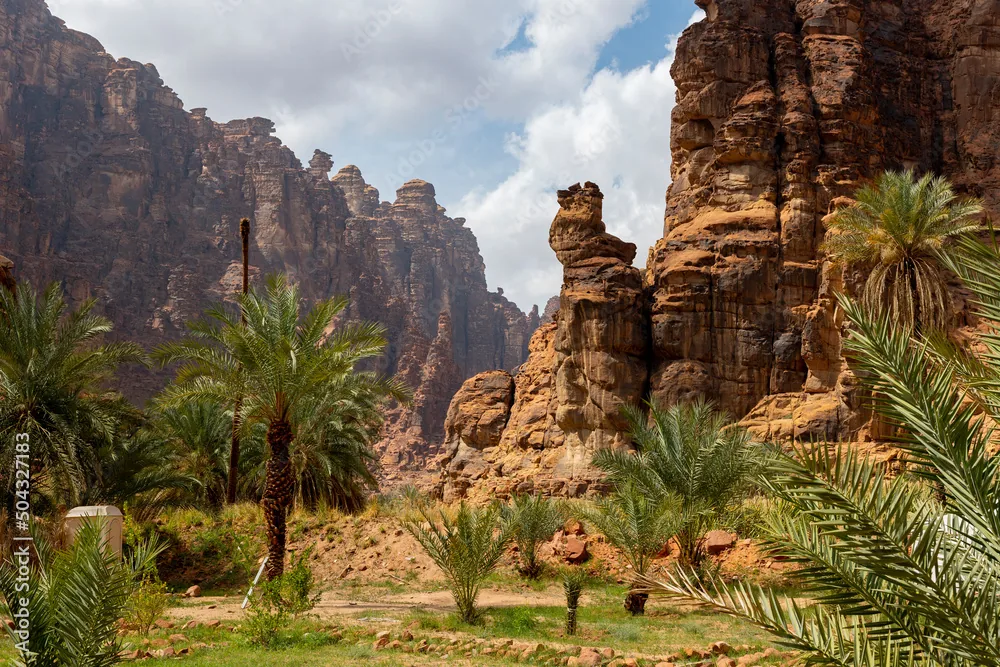
Wadi Al-Disah
A majestic valley of monumental sandstone pillars and turquoise freshwater springs hidden in the heart of the Tabuk region; the canyon floor is a lush; emerald contrast of palm trees and tall grasses against vertical red rock walls; navigate the sandy interior via 4x4 at noon; the sun is high enough to illuminate the base of the cliffs; revealing prehistoric rock art etched into the moss-slicked stone.
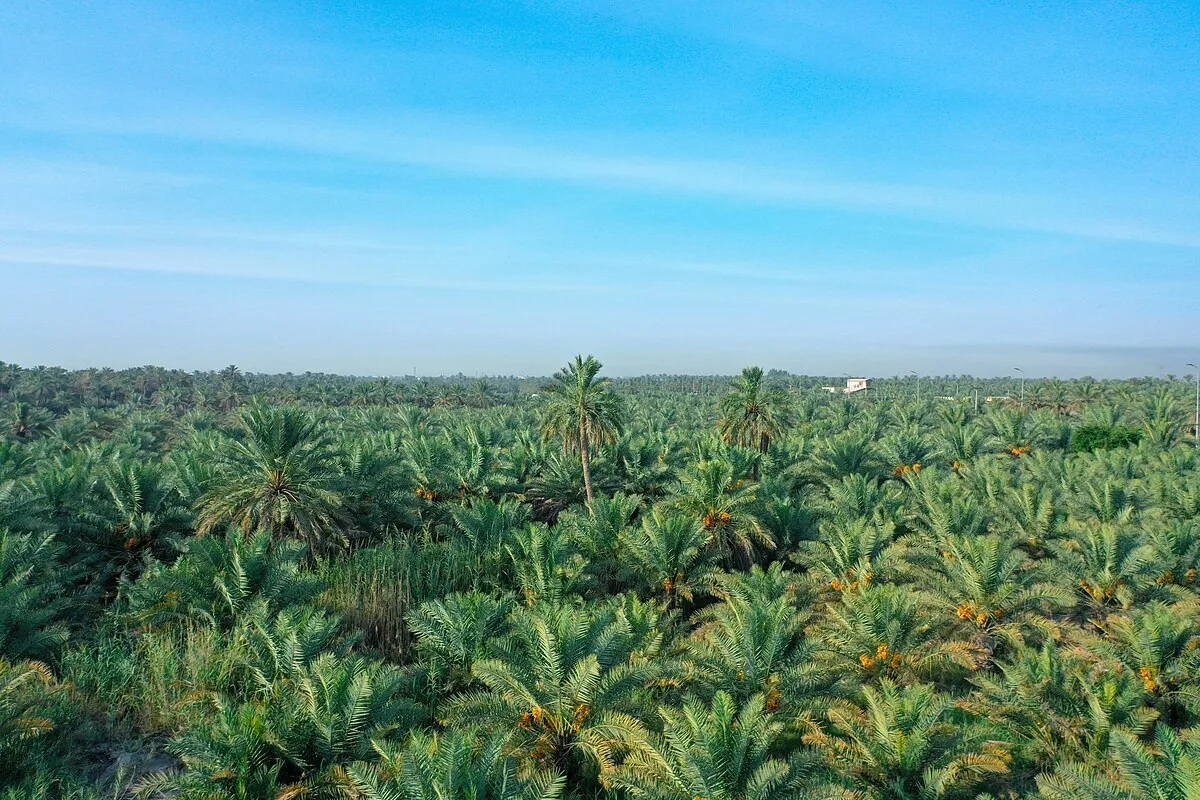
Al Ahsa Oasis
The world's largest self-contained oasis features 2.5 million date palms irrigated by a prehistoric network of 280 springs; the limestone caves of Al-Qarah Mountain provide a natural; climate-controlled escape with temperatures remaining constant year-round; walk the palm-shaded lanes at 9 am; the sound of the falaj water moving through stone channels is rhythmic while the air is heavy with the scent of damp vegetation.
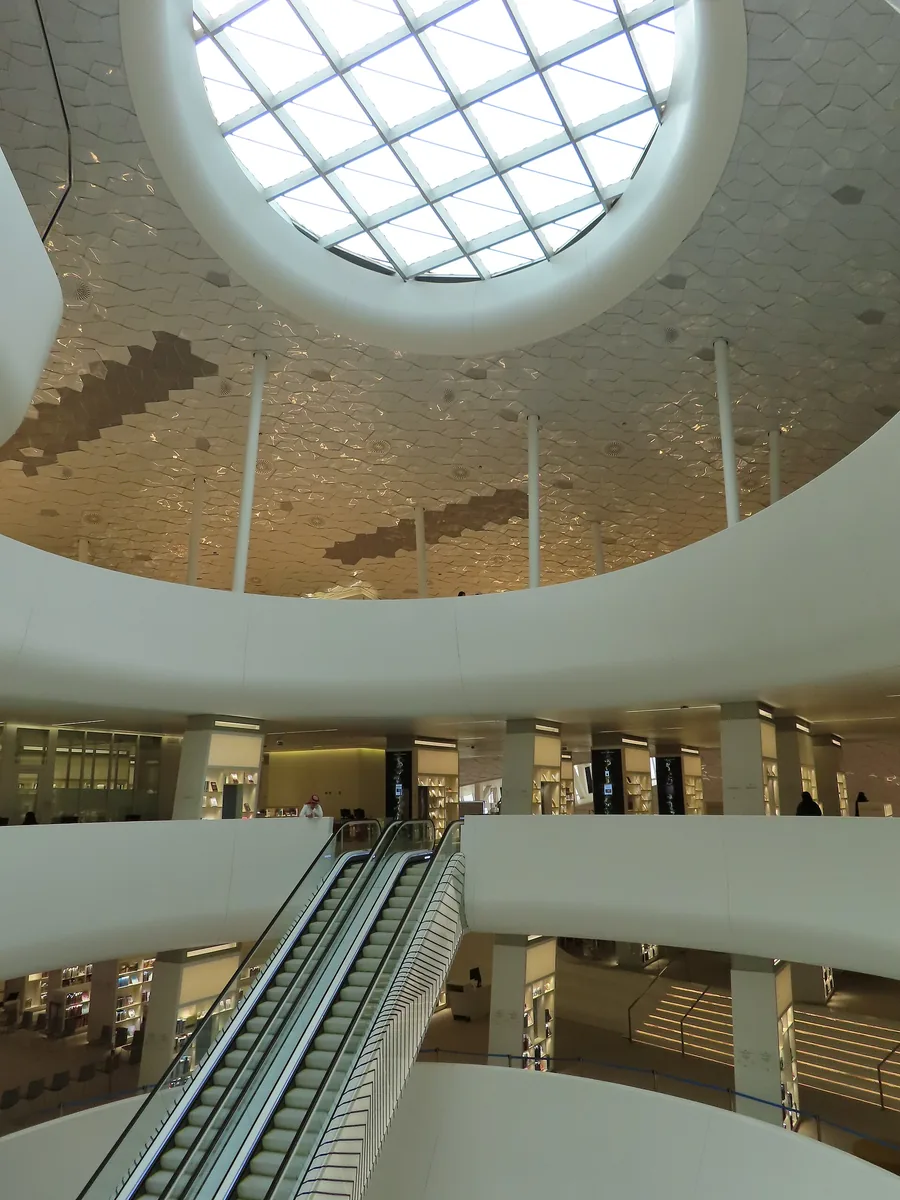
King Abdulaziz Center for World Culture (Ithra)
A futuristic monolith of stainless steel tubes that resemble weathered river stones; designed by Snøhetta to house a library; theater; and cinema; the facade is wrapped in 350 kilometres of hand-curved metal piping; enter the library at sunset; the interior turns amber as the western light penetrates the geometric apertures; the silence is absolute; punctuated only by the soft click of shoes on polished concrete.
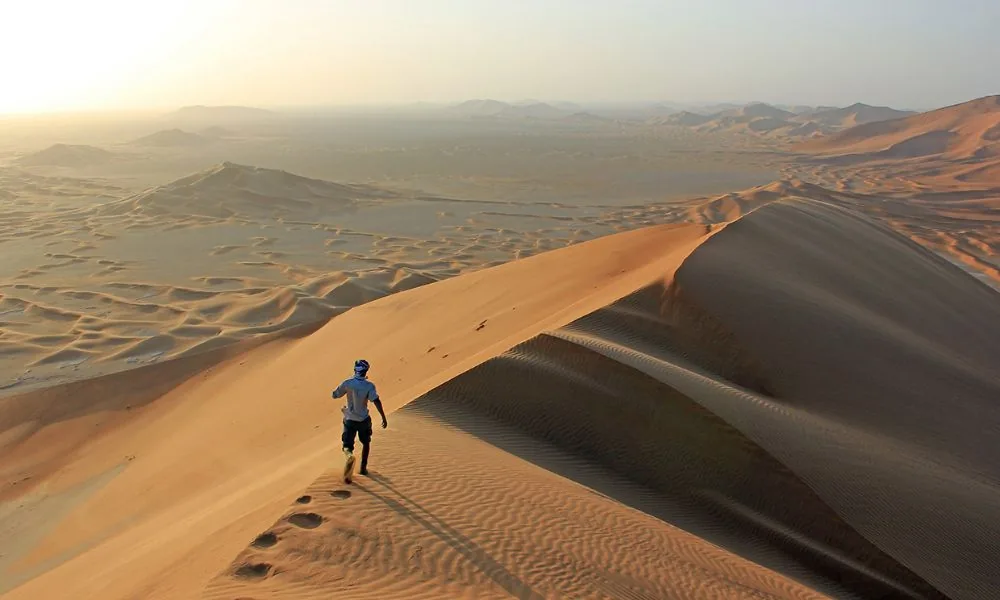
The Empty Quarter
The world's largest contiguous sand desert is a 650,000-square-kilometre expanse of shifting barchan dunes reaching 250 metres in height; the fine; wind-sifted grains are saturated with iron oxide giving the slopes a deep terracotta hue; stand on a ridge at midnight during a new moon; the star-crowded sky is so bright it casts shadows on the sand; the only sound is the low; humming 'singing' of the dunes.
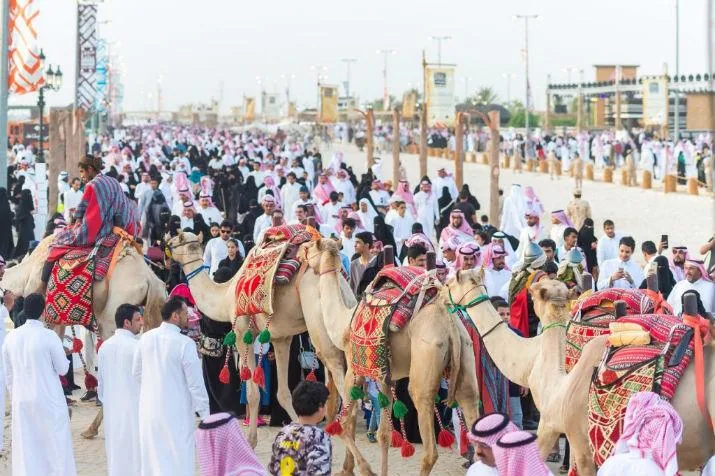
Souq Okaz
A modern revival of a pre-Islamic seasonal market where poets; warriors; and traders once gathered to set tribal law and share oral histories; the site features stone-paved walkways and authentic tent structures housing regional crafts; visit during the annual festival at twilight; the sound of rhythmic Arabic poetry recitals echoes off the basalt outcrops while the smell of woodsmoke and roasting goat fills the night air.
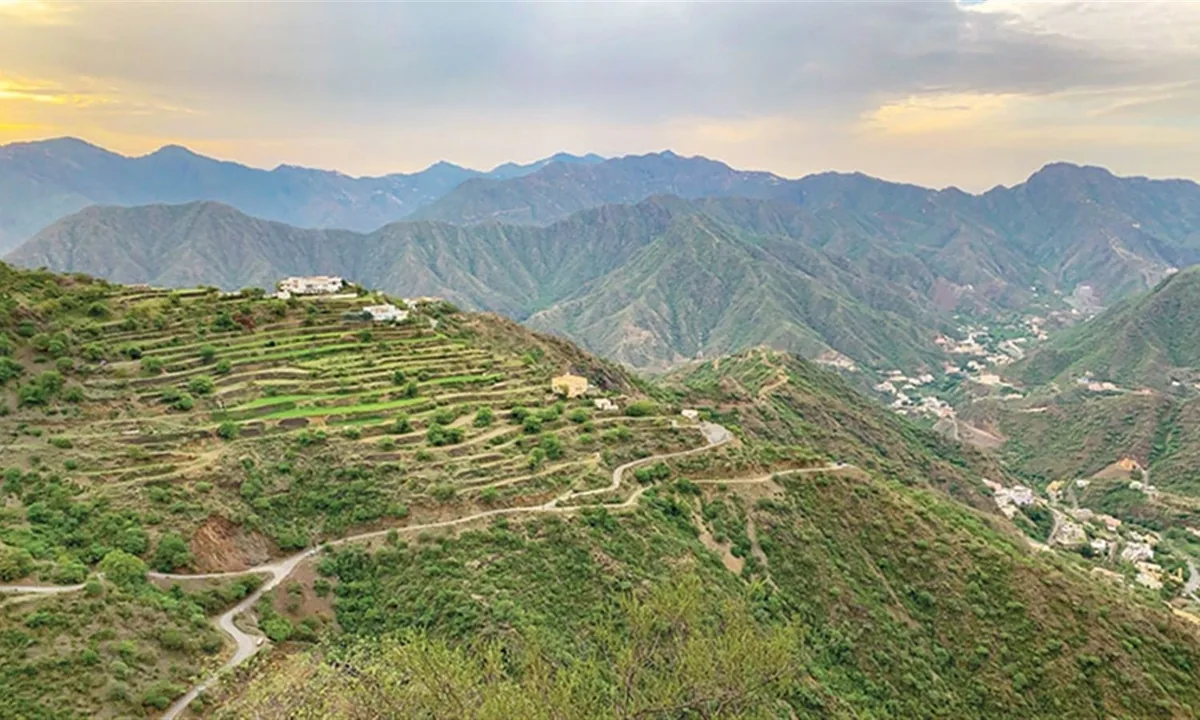
Asir National Park
A 1,600-square-kilometre sanctuary of high-altitude juniper forests and granite peaks rising 3,000 metres above the Red Sea; the park is home to the endangered Asir magpie and hamadryas baboons; stand at the Al-Soudah viewpoint at dawn; the pre-dawn light turns the valley mist into a sea of violet while the wind carries the scent of wild lavender and damp moss from the jagged crags.
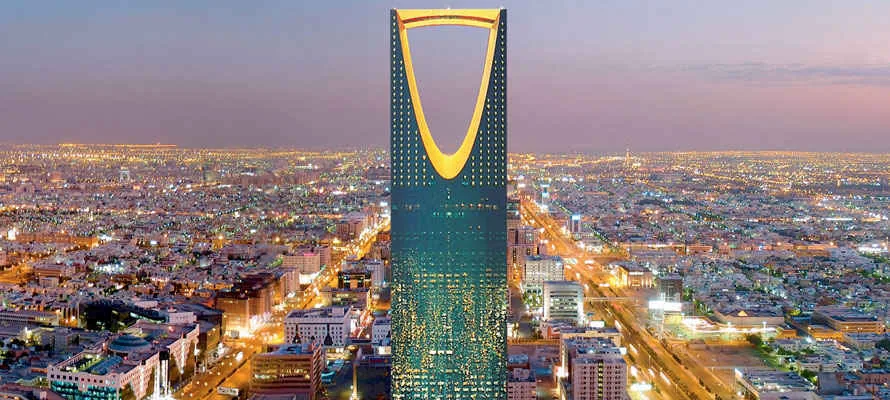
Kingdom Centre
A 302-metre skyscraper defined by its parabolic arch and the 65-metre Sky Bridge that spans the summit; the steel-and-glass facade reflects the shifting desert sky; making the building appear as a silver needle at noon; reach the bridge at 6 pm to watch the city grid ignite with millions of lights while the horizon remains a bruised; electric purple; the glass floor panels reveal the vertigo-inducing drop below.
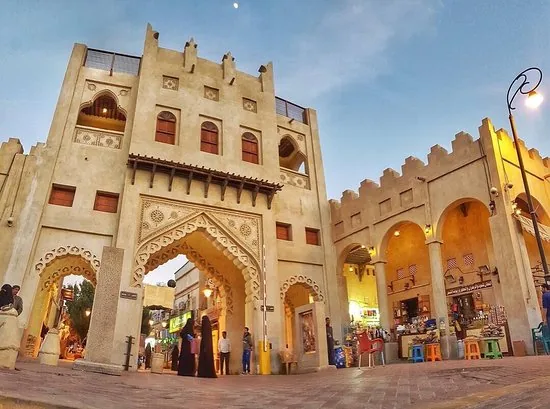
Qasariah Souq
A 19th-century traditional market rebuilt with sun-baked bricks and arched mud corridors; serving as the commercial heart of the Al Ahsa region; the specialized incense and spice quarters carry a dense; heavy aroma of frankincense and cloves; walk the central corridor at 11 am; the traders bargain in rapid-fire Arabic while the light filters through the high wooden rafters; casting sharp geometric shadows on the stone floors.
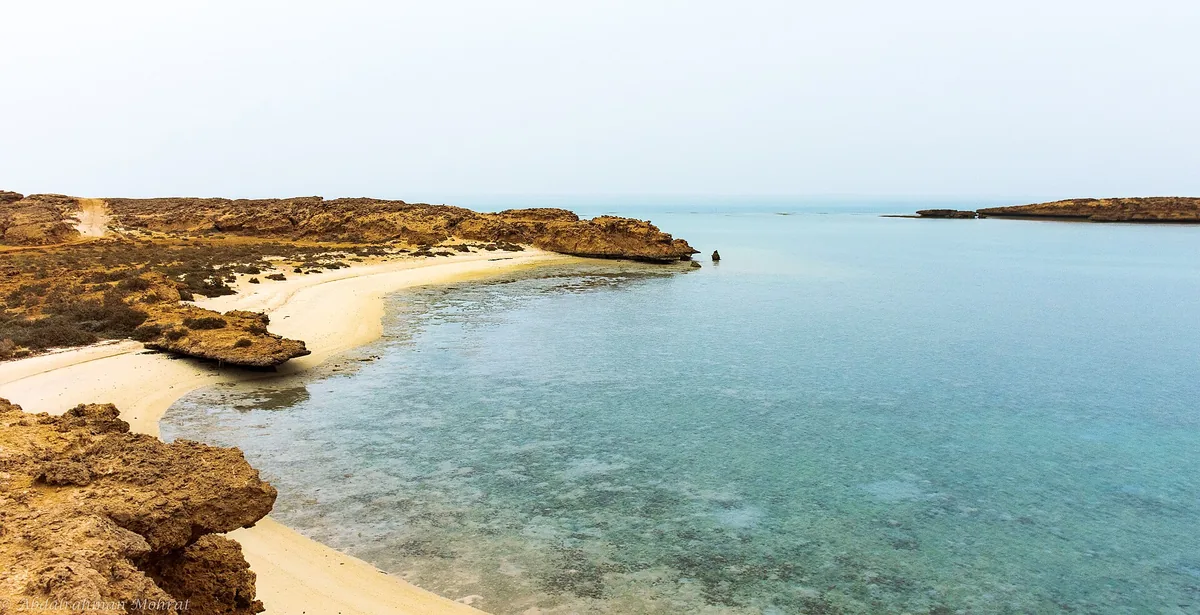
Farasan Island Marine Sanctuary
An archipelago of 84 coral islands in the Red Sea featuring prehistoric fossilized coral cliffs and mangroves; the turquoise water is a sanctuary for whale sharks and the endangered dugong; snorkel the fringe reefs at 10 am when the sun is vertical; the light illuminates the intricate textures of the brain coral; the water is so clear it disappears; leaving you suspended above a garden of neon-hued fish.
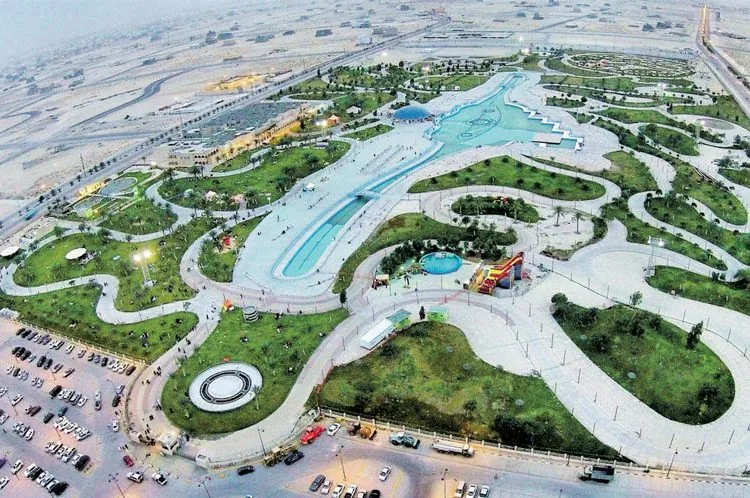
King Abdullah Park
The largest urban park in the capital features a massive 12-hectare green expanse and a 110-metre wide synchronized laser fountain; the park serves as the city’s primary communal lawn for evening picnics; arrive at 8 pm for the fountain show; the water columns dance to traditional orchestral music while the scent of cut grass and jasmine is thick in the evening air; the crowd sounds like a low; rhythmic hum of family life.
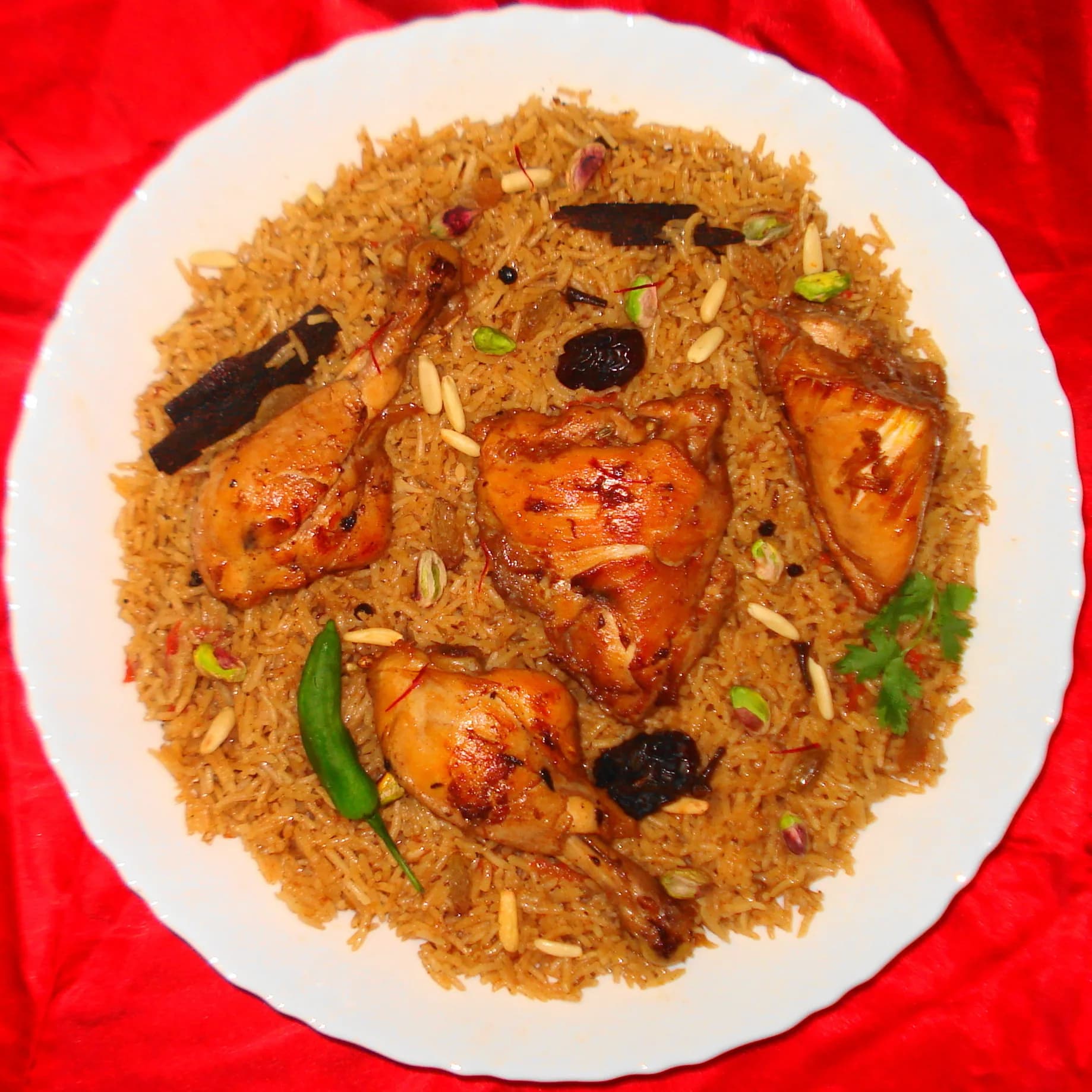
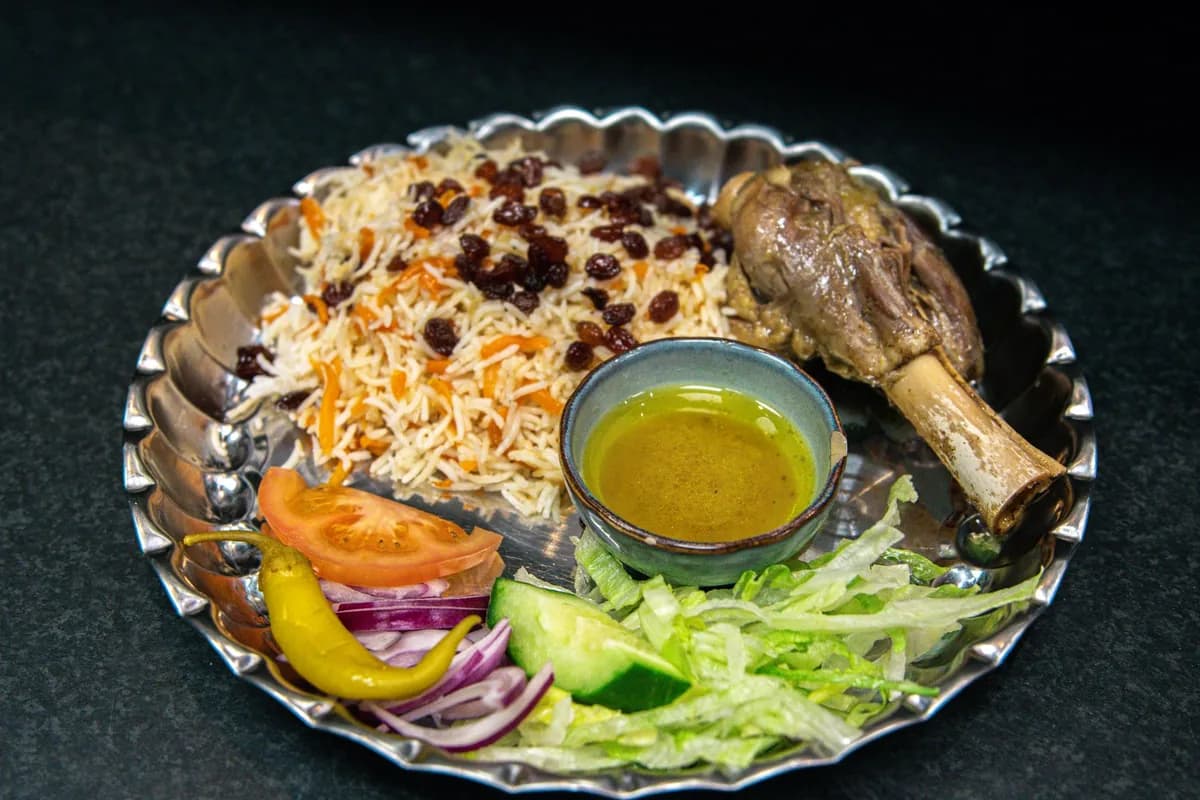
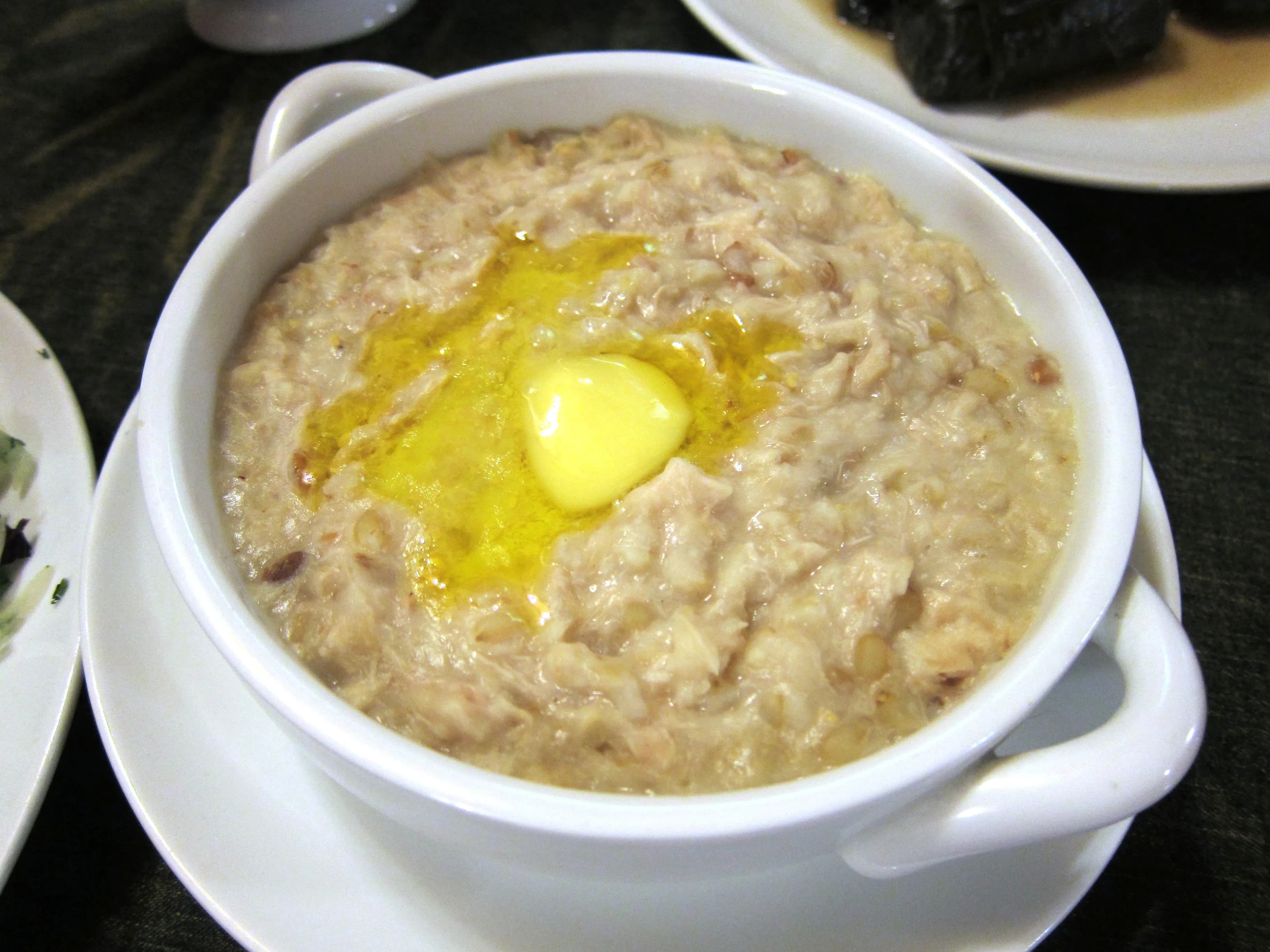
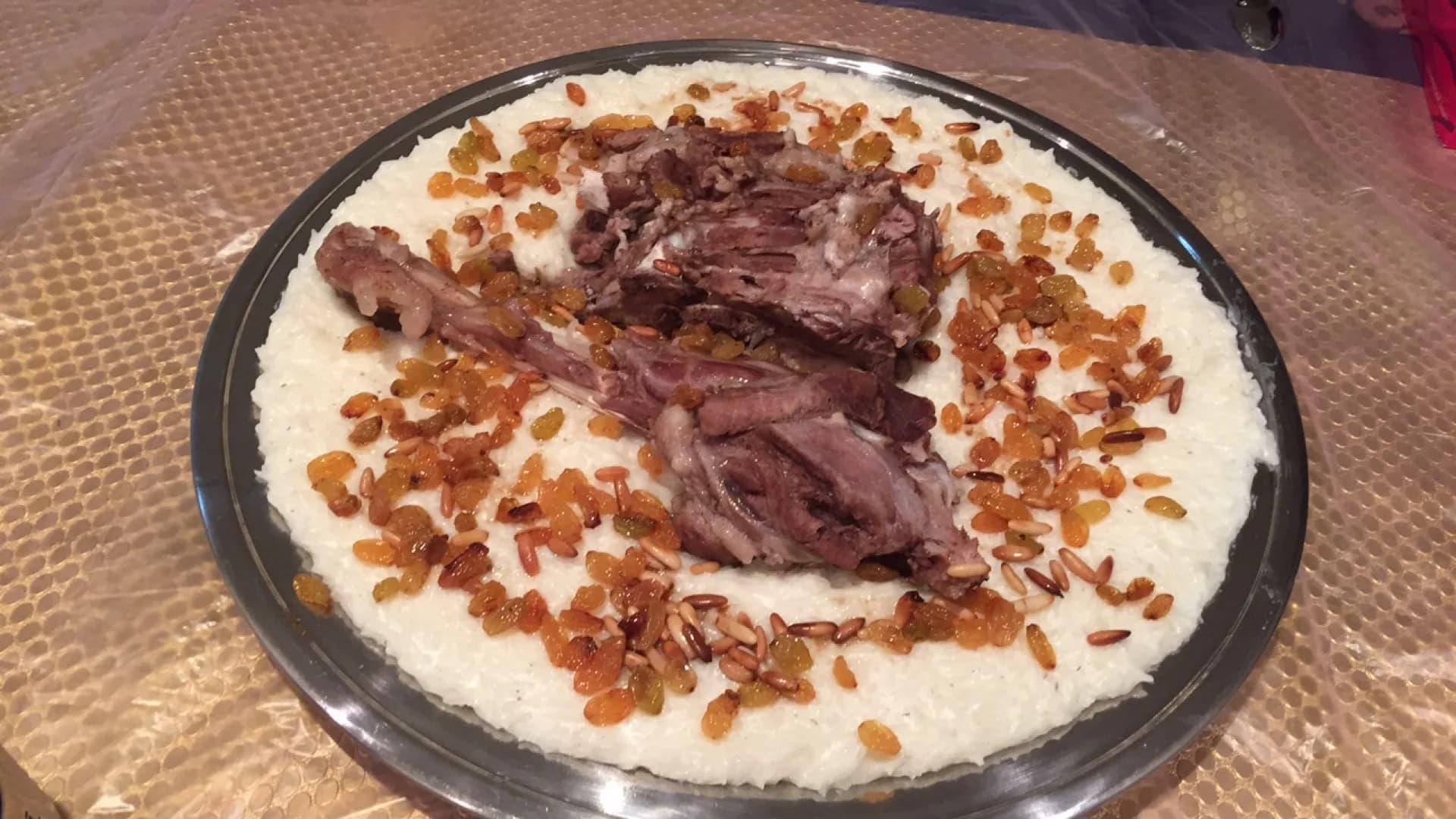
Cuisine
Must-Try Dishes
The flavours that define Saudi Arabia
Flights
Fly to Saudi Arabia
Compare prices across local & global booking platforms
✈ Flights to Saudi Arabia
🏨 Hotels in Saudi Arabia
Clicking opens the booking platform. WorldCurio may earn a commission at no extra cost to you.
Did You Know
Saudi Arabia Facts
Fascinating things most travellers never learn
Saudi Arabia imports sand. Despite sitting on one of the world's largest deserts, desert sand is too round and smooth for construction — suitable construction sand is shipped from Australia.
quirkySaudi Arabia imports sand. Despite being mostly desert, Saharan sand is too smooth for construction. Saudi Arabia imports coarser, angular sand from Australia for its vast building projects.
quirkySaudi Arabia has no rivers. It is one of the world's largest countries entirely without a permanent river. All fresh water comes from rainfall, aquifers (mostly fossil water), and desalination plants.
geography