South Africa's national dish: Cape Malay spiced mince with dried fruit and almonds, baked under a savoury egg custard. 300 years of Indonesian-influenced Cape cooking in one dish.
About Bobotie
South Africa's national dish and its most complex: Cape Malay-origin spiced minced beef or lamb with onion, dried fruit (raisins, apricot), almonds and curry-infused in a sauce, topped with a bay-leaf-studded savoury egg custard and baked until set and golden; the sweet-spiced-savoury combination reflects 300 years of Cape Malay cooking tradition; served with yellow rice, chutney and sambal.
South Africa's National Dish
Bobotie is South Africa's national dish: spiced minced beef with onion, dried fruit and almonds, baked under a savoury egg custard. The sweet, spiced, savoury combination reflects Cape Malay cooking, the tradition brought to the Cape over centuries by people from the Indonesian archipelago and beyond. It is comfort food with a long history.
“Bobotie is South Africa's national dish: spiced minced beef with onion, dried fruit and almonds, baked under a savoury egg custard.”
The Custard
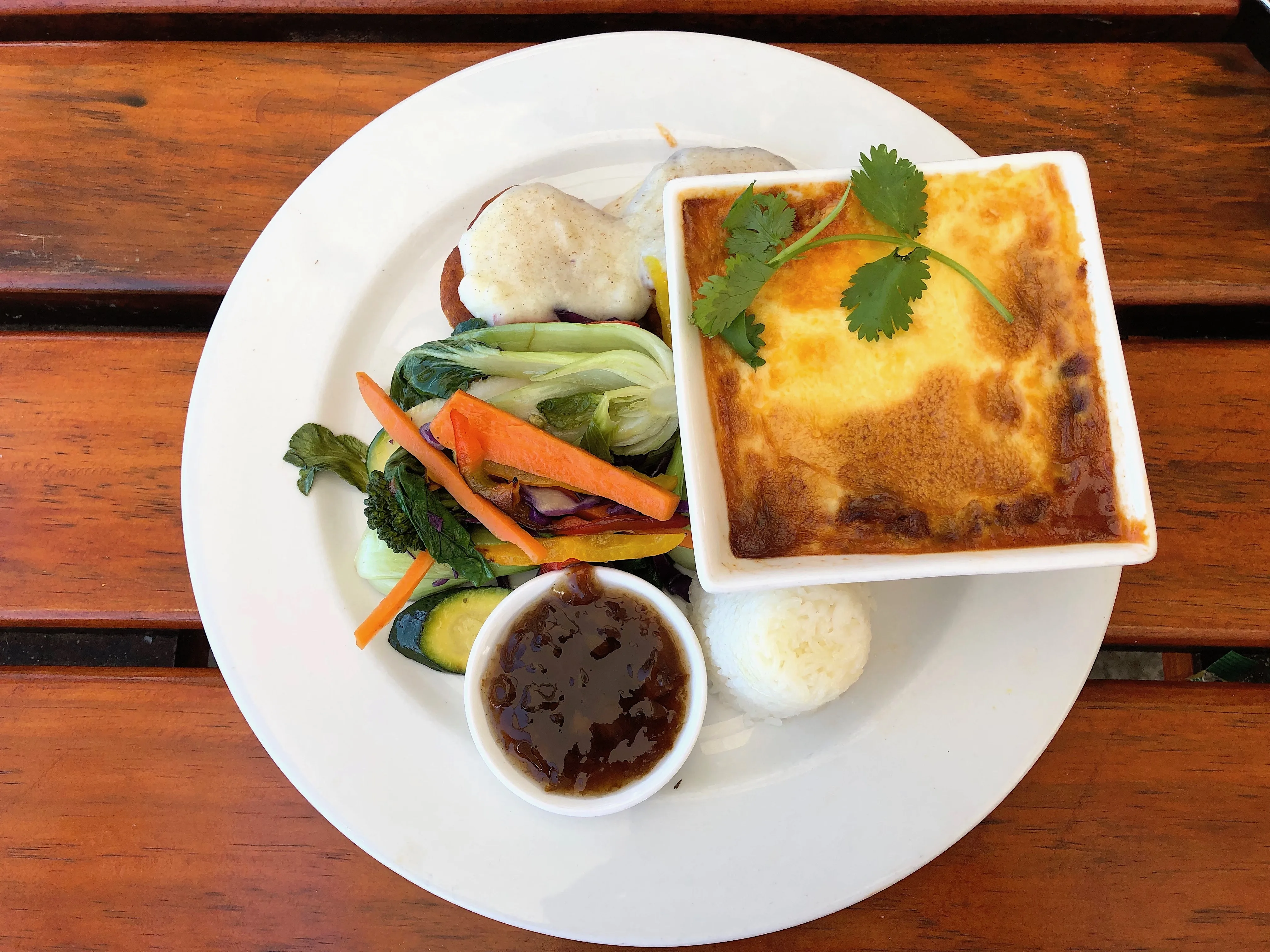
The defining feature is the topping, a savoury egg custard poured over the spiced meat and studded with bay leaves, then baked until set and golden. It provides a soft, creamy contrast to the fruited mince below and takes on the curry-and-fruit aroma as it bakes. A properly set, lightly golden top is the mark of a good bobotie.
Sweet and Spiced
The filling balances warm curry spices, cinnamon, cardamom and clove, against the sweetness of raisins and apricot and the crunch of almonds. That interplay of sweet, spiced and savoury is the signature of Cape Malay cooking. It is gently spiced rather than fiery, built for depth rather than heat.
A Cape Heritage
Bobotie carries the long story of Cape cooking, a Cape Malay tradition that became central to South African food and a point of national pride. It is served with turmeric-yellow rice and a fruit chutney, the traditional accompaniments. Eaten in Cape Town, where the tradition is rooted, it is the clearest taste of the country's layered culinary history.
What to Expect
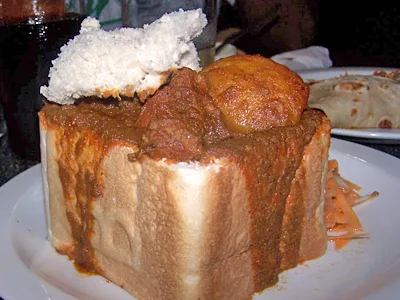
The bobotie is presented in square portions, a golden custard crust visible above spiced mince scented with cinnamon and apricot; it is accompanied by yellow rice and chutney.
Why Try It
Bobotie tells the story of Cape Town's 300-year food history, the enslaved Malay community's cooking tradition preserved in the national dish of a country that has never adequately acknowledged its debt.
Insider Tips
- Yellow rice (turmeric-scented) and chutney are the traditional accompaniments.
- Die Ou Pastorie in Stellenbosch and Biesmiellah in Bo-Kaap (Cape Town) are reliable addresses.
- The custard top should be slightly golden and fully set, under-baked bobotie has a raw egg quality.