All landmarks and tourist attractions in South Africa
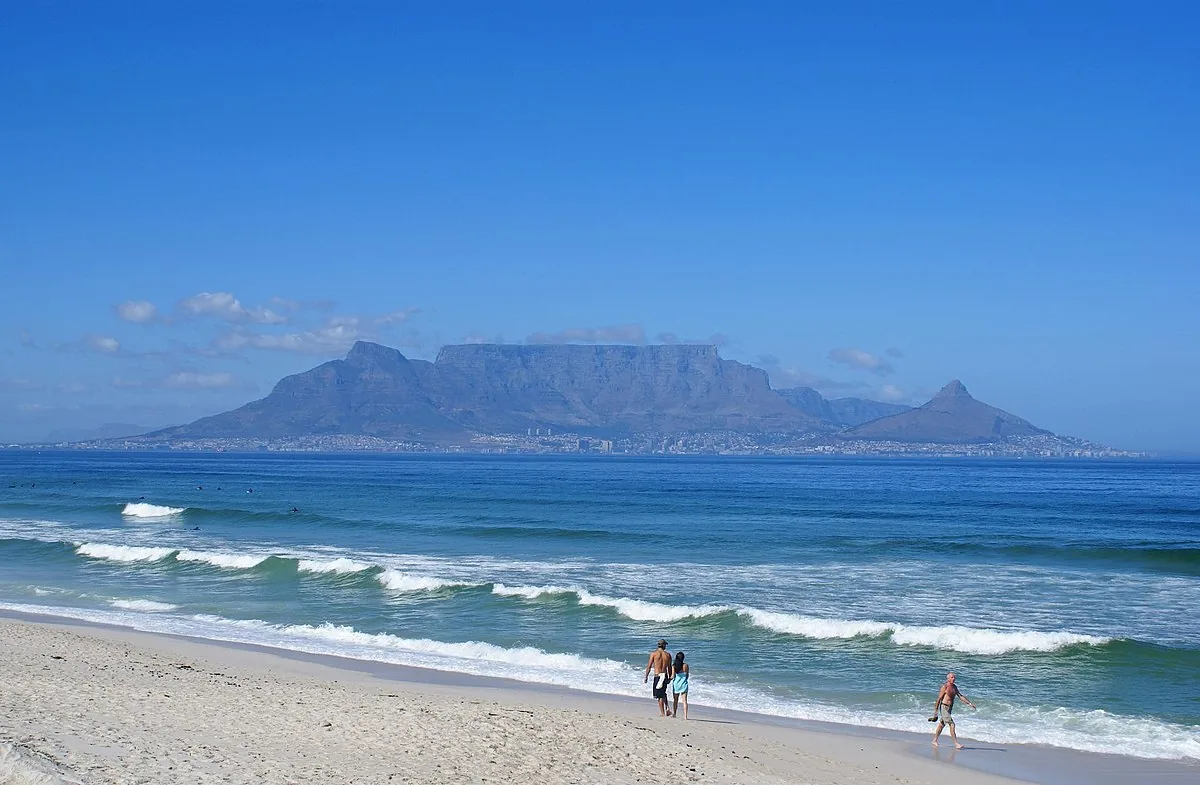
Table Mountain
The 1086-metre sandstone plateau anchors the Cape Peninsula; its northern face often draped in the 'tablecloth' cloud formation caused by the orographic lift of the South Easter wind; take the last cable car up at dusk to witness the city grid ignite as the Atlantic horizon turns a saturated violet; the air at the summit smells of damp fynbos and salt spray.
Explore →
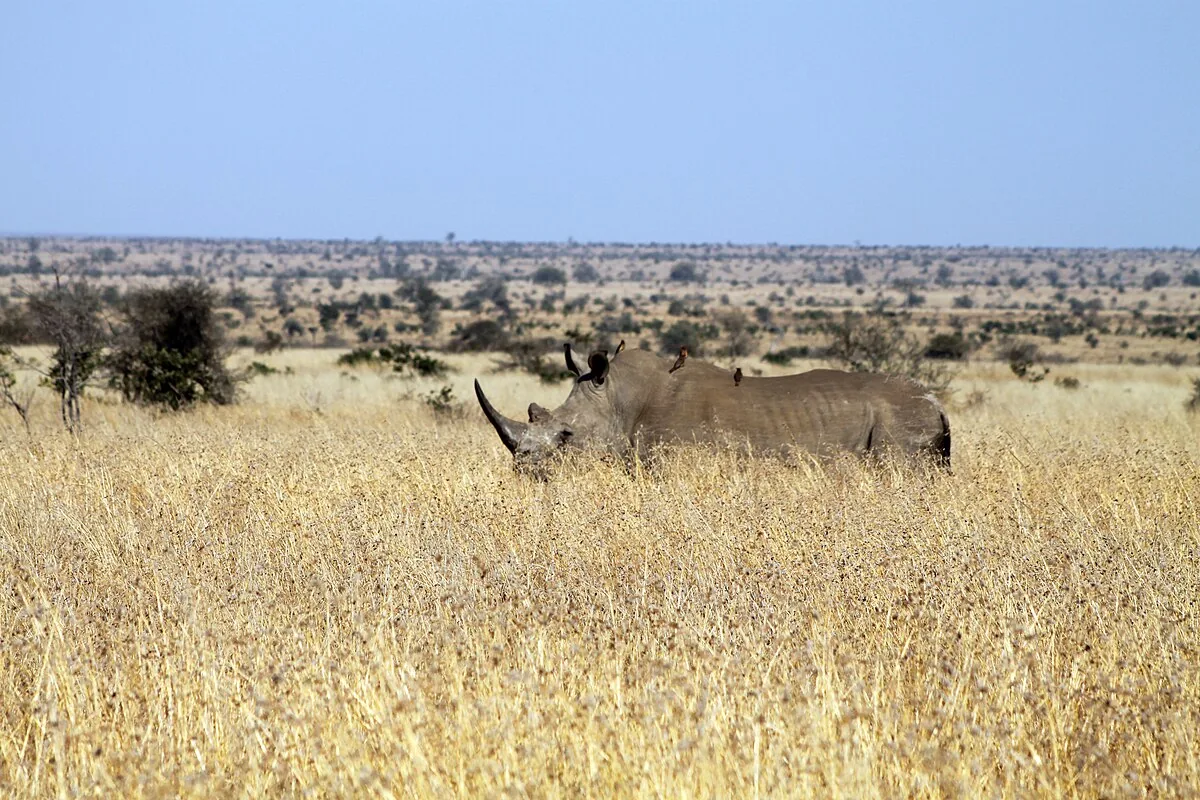
Kruger National Park
A two-million-hectare savanna reserve where ancient baobabs and mopane woodlands shelter the continent most concentrated megafauna; the park geological diversity spans the granite west to the basalt eastern plains; track the Sabie River at 5:30 am when the pre-dawn light hits the laterite-red earth and the leopard silhouette moves silently through the fever trees; the only sound is the rhythmic crunch of dry grass.
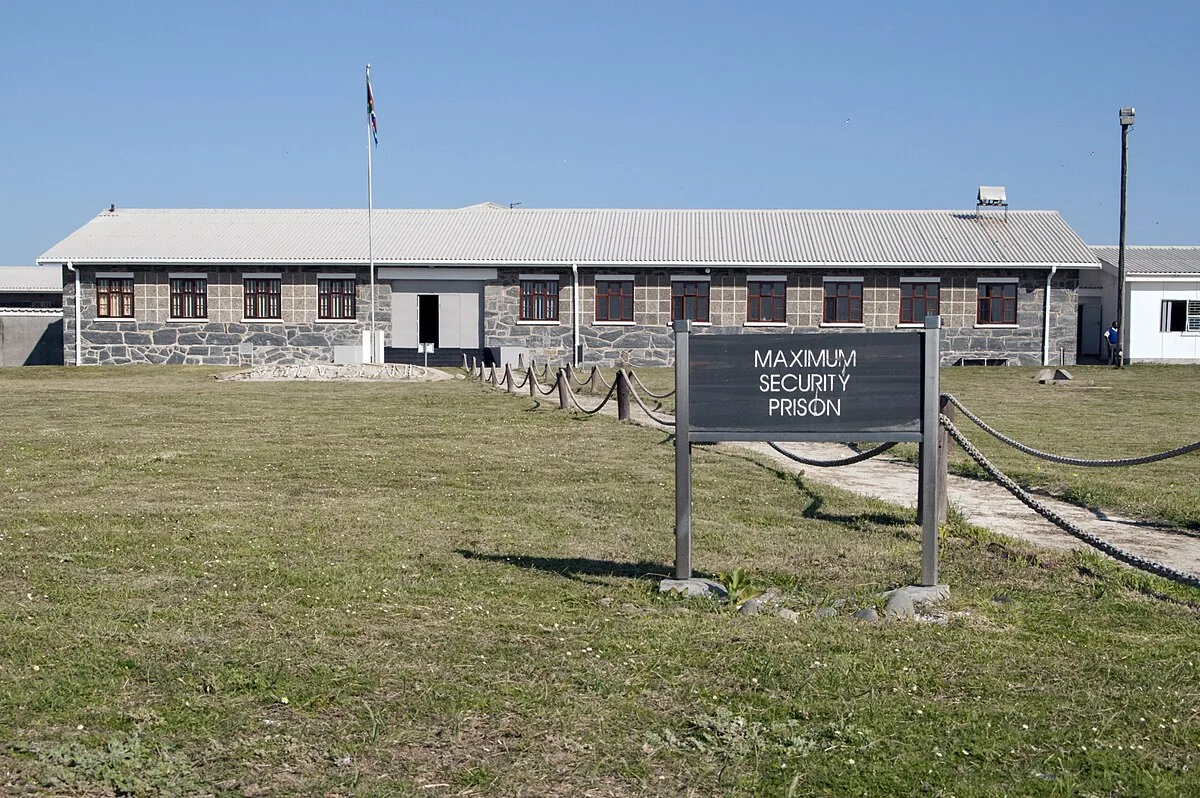
Robben Island
The whitewashed 1960s maximum-security prison where Nelson Mandela was held for 18 years; the site includes the raw lime quarry where prisoners laboured in blinding glare; walk the Section B corridors with a former political prisoner; the sound of heavy iron keys echoing off the concrete floors and the view of the distant; unreachable Cape Town skyline create a physical weight of historical isolation.
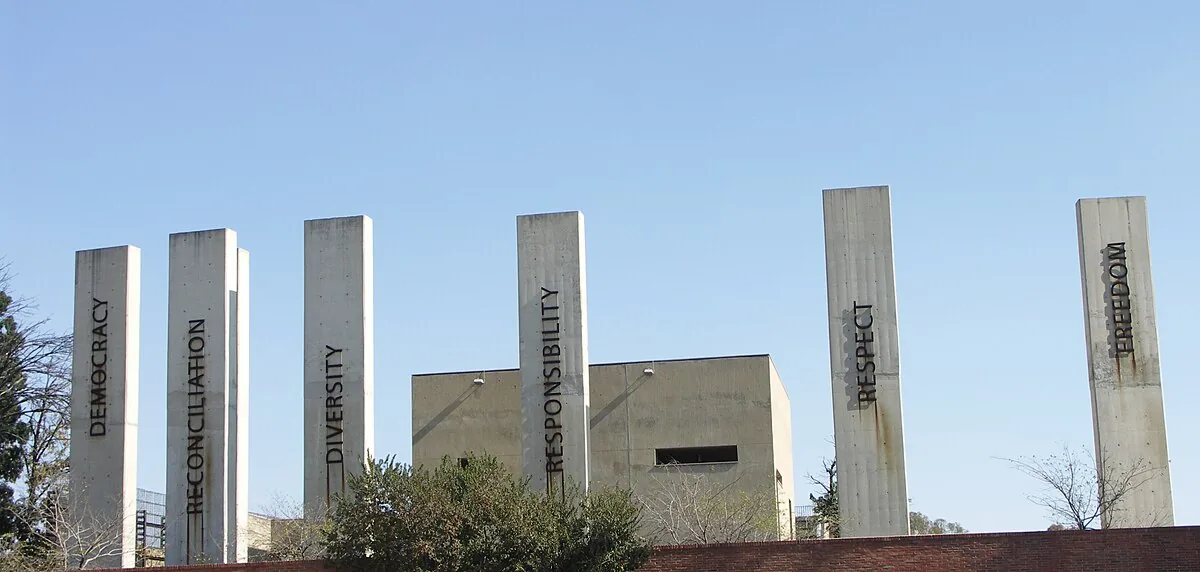
Apartheid Museum
An architectural narrative of racial segregation; featuring raw concrete walls and industrial steel cages that force visitors through a visceral journey of state-sanctioned oppression; the 2001 structure uses stark; directed light to highlight 131 hanging nooses representing executed activists; walk the exterior path of the Pillars of the Constitution at noon; the clinical light renders the monumental stone pillars with absolute; unyielding clarity.
Kirstenbosch National Botanical Garden
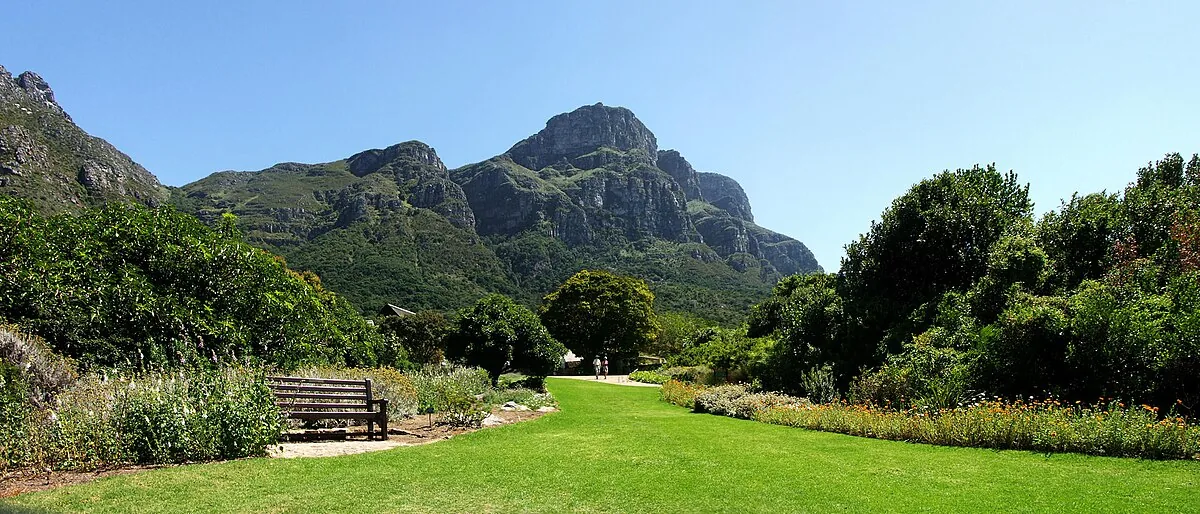
A 528-hectare sanctuary of Cape Floral Kingdom biodiversity perched on the eastern slopes of Table Mountain; featuring the Boomslang, a 130-metre curved steel and timber canopy walkway; traverse the forest bridge at 9 am; the light filters through the ancient yellowwood trees while the air is heavy with the scent of blooming proteas and damp mountain soil; the sound of the sugarbird call is constant.
iSimangaliso Wetland Park
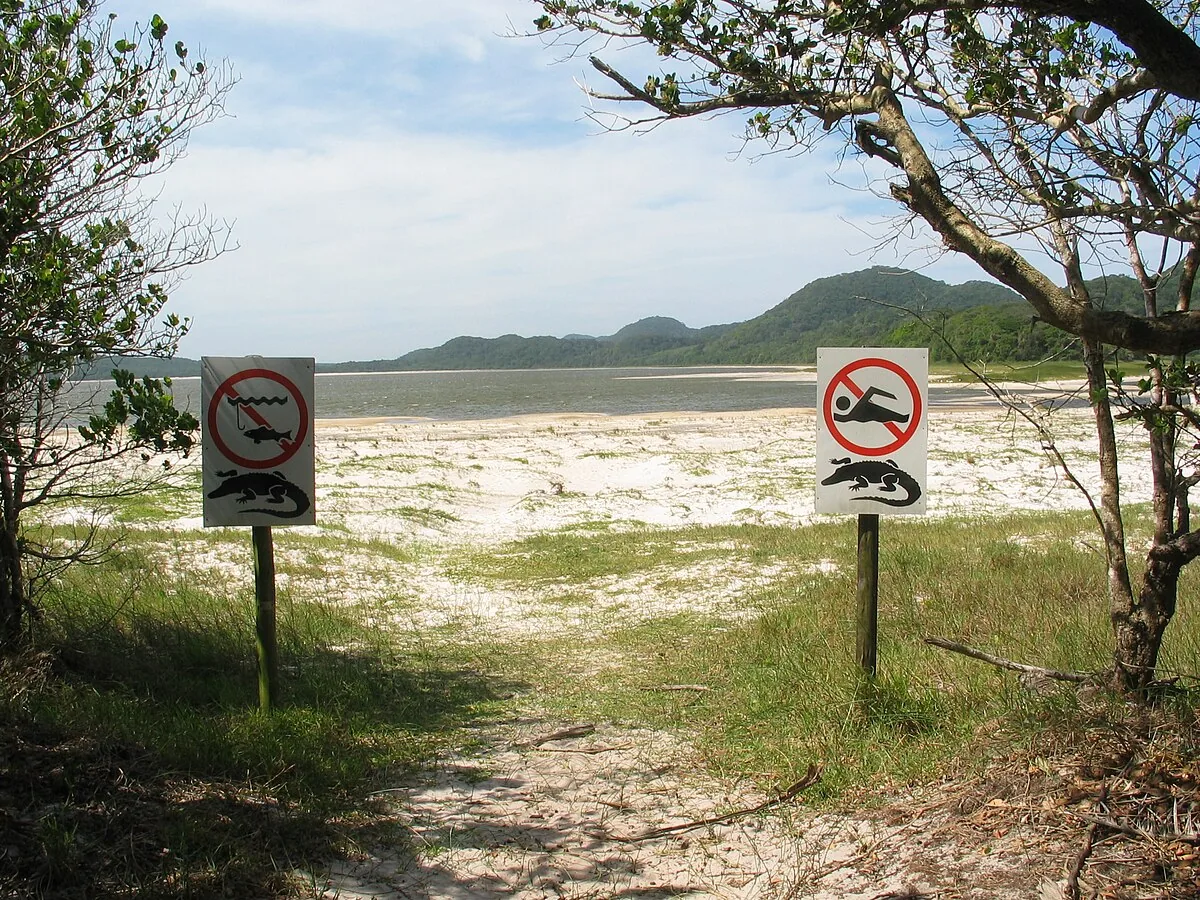
A 332;000-hectare UNESCO site where the Indian Ocean meets Africa largest estuarine system; encompassing eight distinct ecosystems from ancient dunes to papyrus swamps; board a flat-bottomed boat on the Lake St Lucia estuary at dusk; the light catches the eyes of hundreds of hippos while the pre-dawn mist rises from the reeds; the smell of brackish water and wet sand defines this prehistoric water-world.
Union Buildings
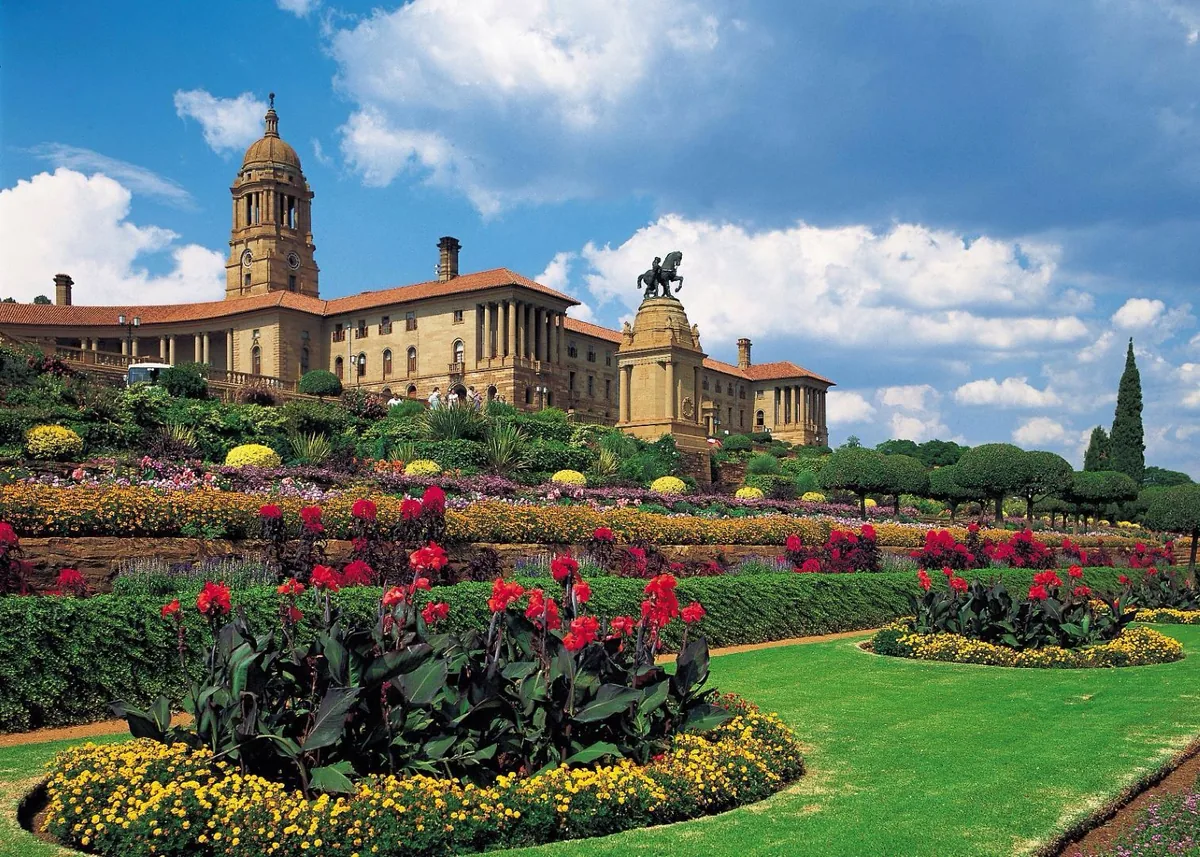
Sir Herbert Baker 1913 sandstone masterpiece represents the highest form of Edwardian Neoclassical architecture in the Southern Hemisphere; the two wings signify the union of the English and Afrikaans languages; stand at the base of the nine-metre bronze Mandela statue; the terraced gardens offer a commanding view over Pretoria where the sun-bleached stone turns a deep honey-gold in the late afternoon light.
Constitution Hill
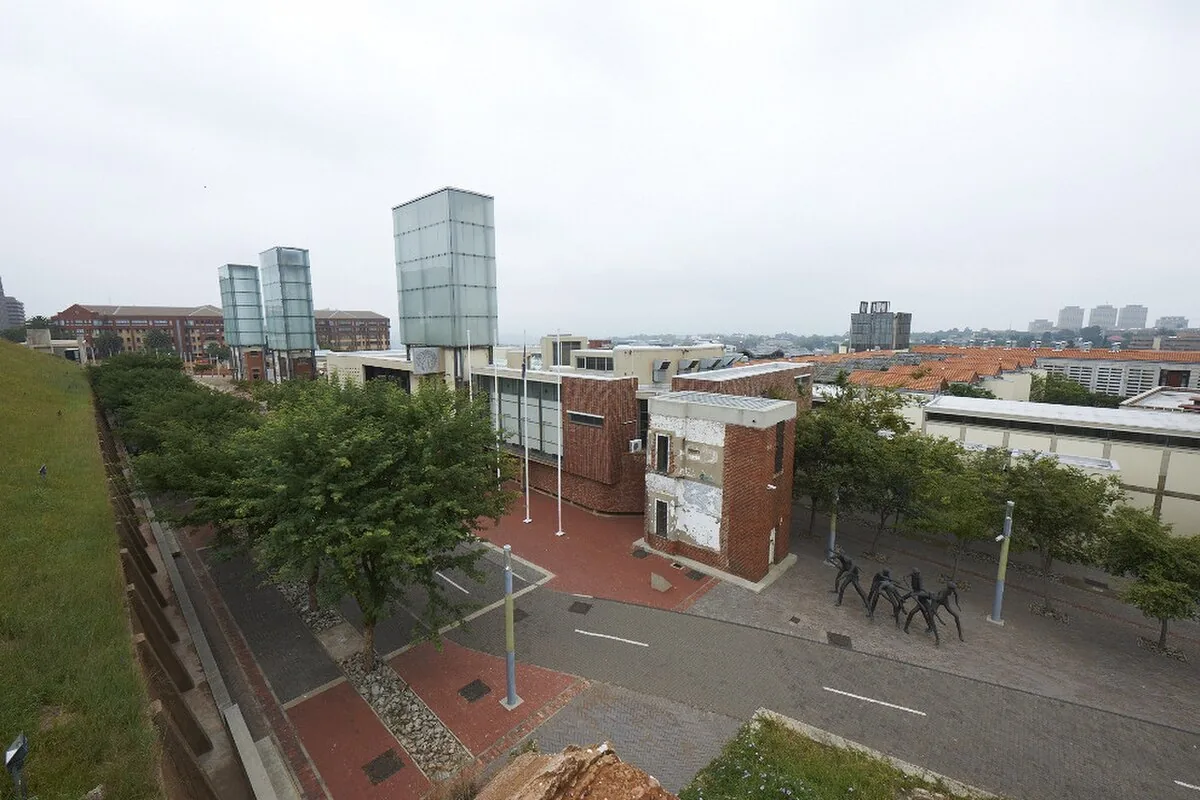
A former 19th-century fort and prison complex that now houses the highest court in the land; the courtroom was built using the bricks of the demolished A-Grate prison to symbolize transformation; enter the Old Fort at sunset; the orange light strikes the laterite-red earth ramparts while the sound of the city traffic hums below; providing a stark contrast to the heavy; silent cells of Number Four.
Valley of Desolation
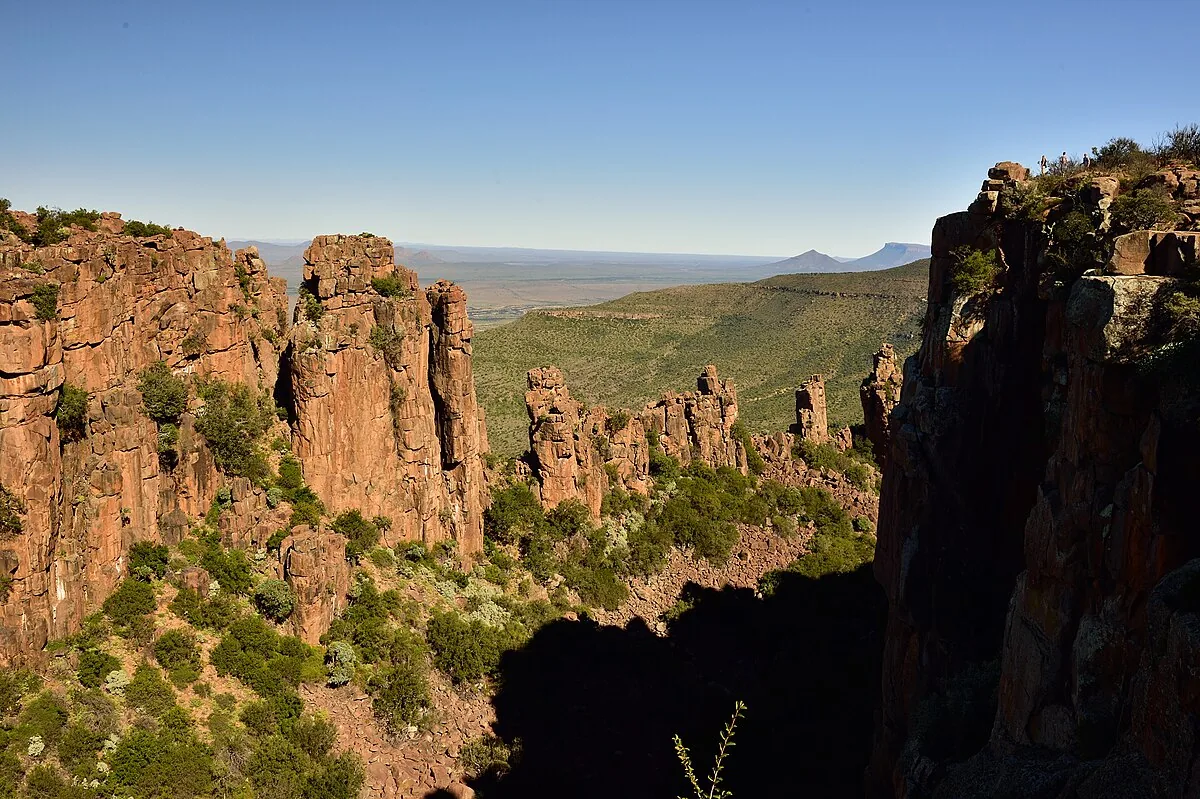
Towering 120-metre dolerite columns rise vertically from the floor of the Camdeboo plains; formed by volcanic erosion over 200 million years; the sheer basalt cliffs overlook the Karoo semi-desert; stand on the viewpoint at dawn; the first light ignites the iron-rich stone into a glowing terracotta needle against the grey-blue scrubland; the silence of the vast interior is absolute and physically palpable.
Boschendal Manor House
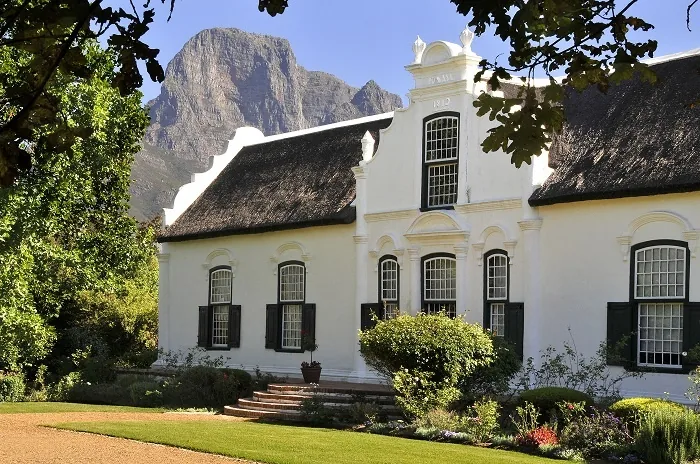
A 1812 H-shaped manor house representing the pinnacle of Cape Dutch architecture with its ornate white-washed gables and thick lime-plastered walls; the estate preserves the original 17th-century vineyard layout; walk the oak-lined avenue at 11 am; the sunlight creates rhythmic patterns across the white-washed surfaces while the air smells of fermenting grapes and old; polished teak furniture; the mountain backdrop is razor-sharp.
Maropeng
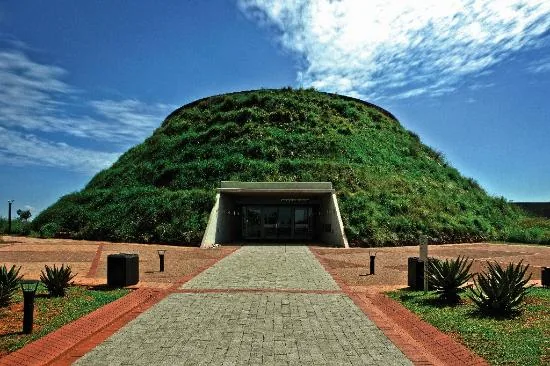
The world richest hominid fossil site; featuring a burial mound-inspired visitor centre that leads into the limestone Sterkfontein Caves where 'Little Foot' was discovered; the subterranean experience Beat involves navigating the low-vaulted rock passages; enter at opening; the clinical; directed light on the 3-million-year-old craniums reveals the fine texture of fossilized bone while the air remains cool; damp; and metallic.
Bo-Kaap
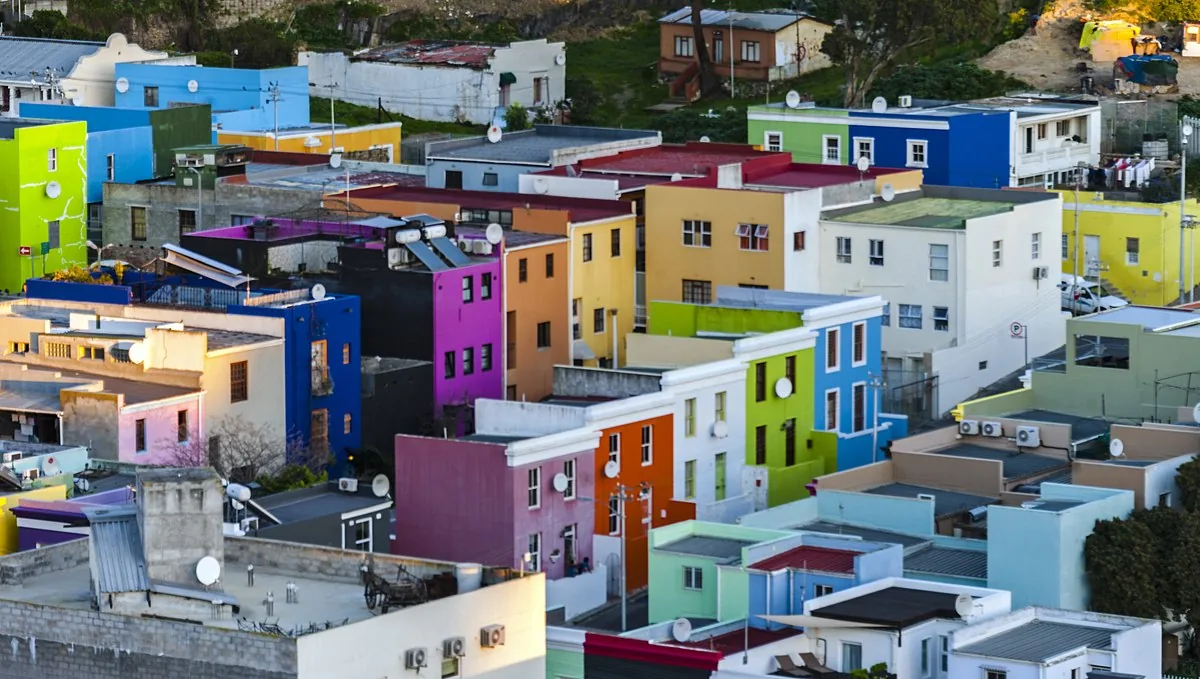
A 18th-century residential quarter defined by its saturated; candy-coloured facades and steep; basalt cobblestone streets; the district is the spiritual heart of the Cape Malay community; walk toward the Auwal Mosque, the country oldest, at the 4 pm call to prayer; the western light saturates the lime-green and turquoise plasterwork while the air is thick with the scent of hand-ground cardamom and toasted cumin.
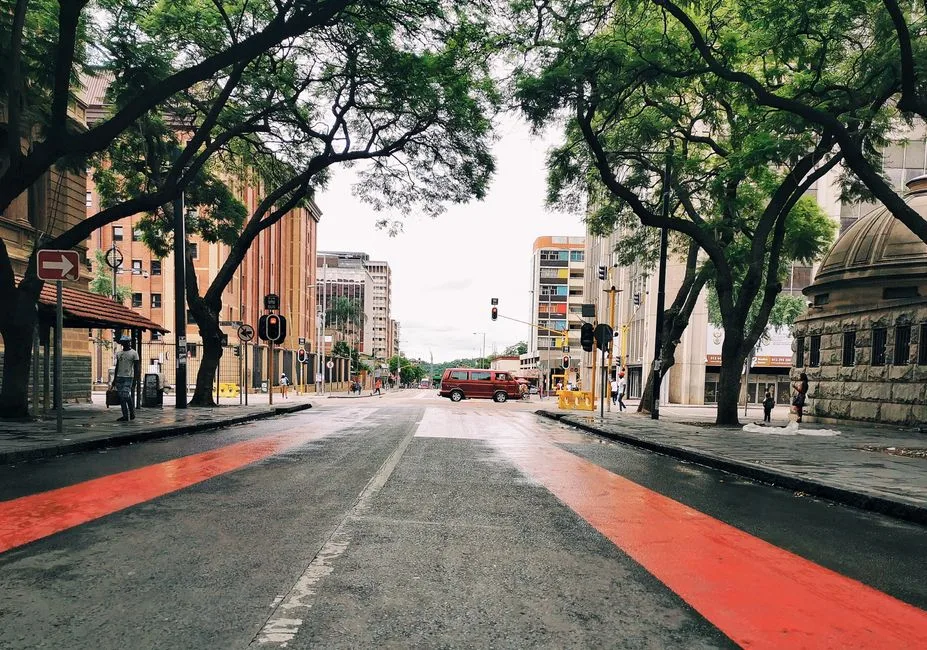
Vilakazi Street
The only street in the world to have housed two Nobel Peace Prize winners; Nelson Mandela and Desmond Tutu; the 1945 brick-under-iron houses stand as monuments to the liberation struggle; arrive at midday when the local street performers begin the gumboot dance; the sound of rhythmic slapping on rubber and the smell of braaied meat from roadside stalls create a dense; high-energy urban atmosphere.
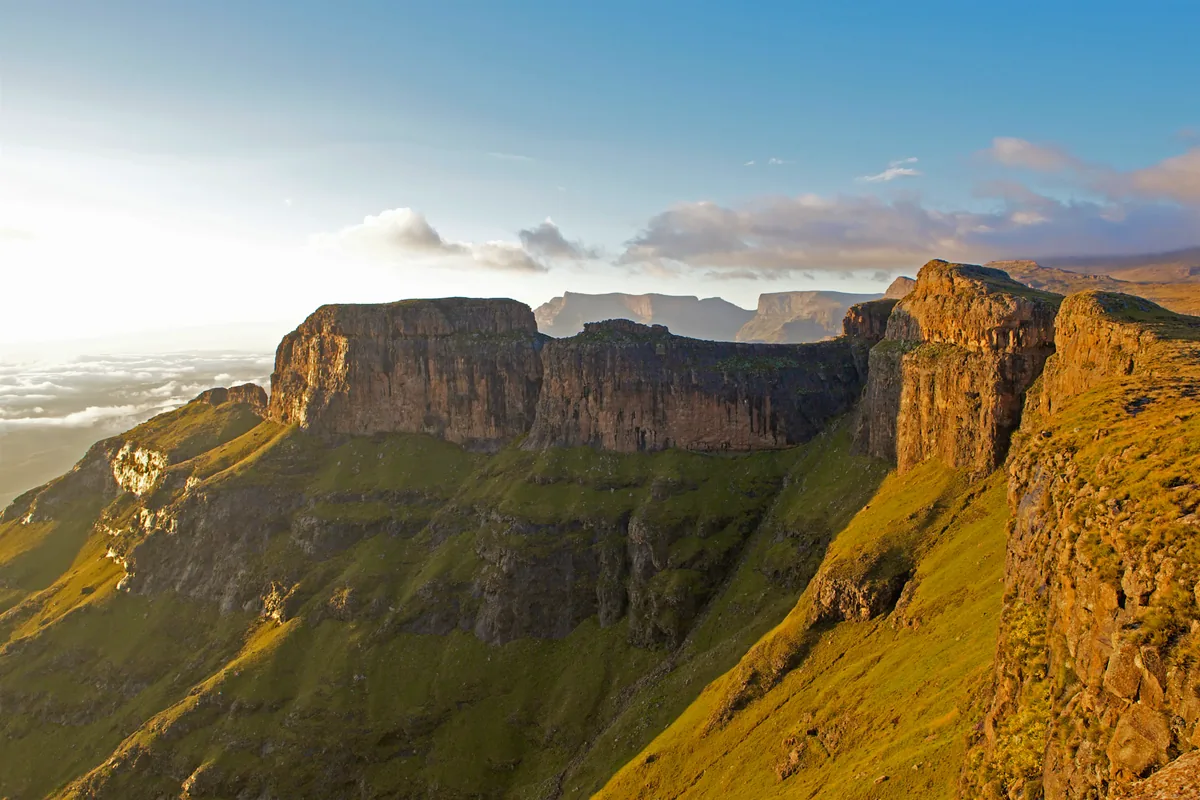
uKhahlamba Drakensberg Park
A 240;000-hectare basalt mountain range peaking at 3;482 metres; containing the world largest collection of San rock art inside sun-bleached sandstone shelters; hike the Tugela Falls trail at sunrise; the 'Amphitheatre' rock wall glows a deep crimson while the sound of the world second-tallest waterfall provides a constant; low-frequency rumble; the air is thin and smells of cold; crushed slate.
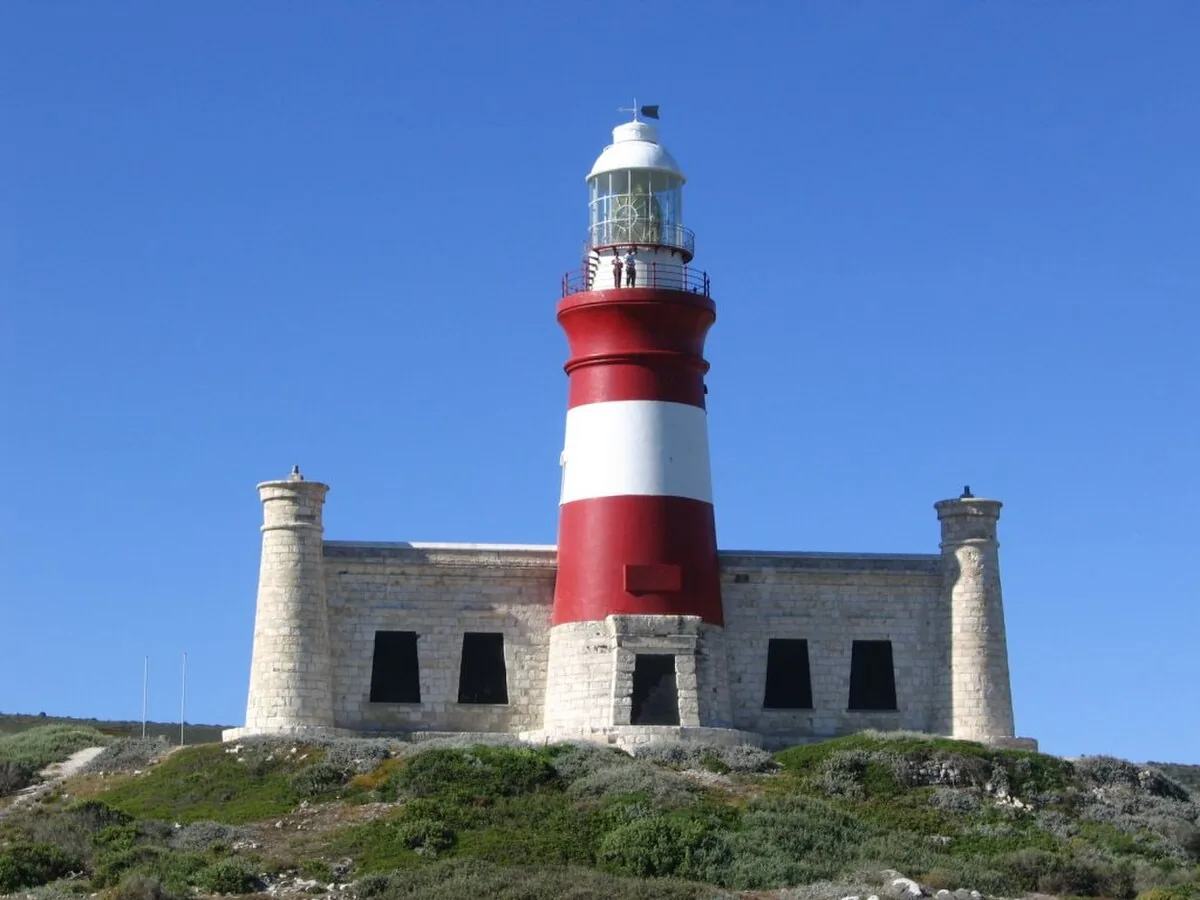
Cape Agulhas Lighthouse
The 1848 red-and-white striped limestone tower marks the geographical southern tip of Africa where the Atlantic and Indian Oceans collide; the architecture was inspired by the Pharos of Alexandria; climb the wooden internal stairs at dusk; the light from the Fresnel lens sweeps over the jagged; moss-slicked rocks below while the wind off the Southern Ocean is a relentless; salt-crusted force.
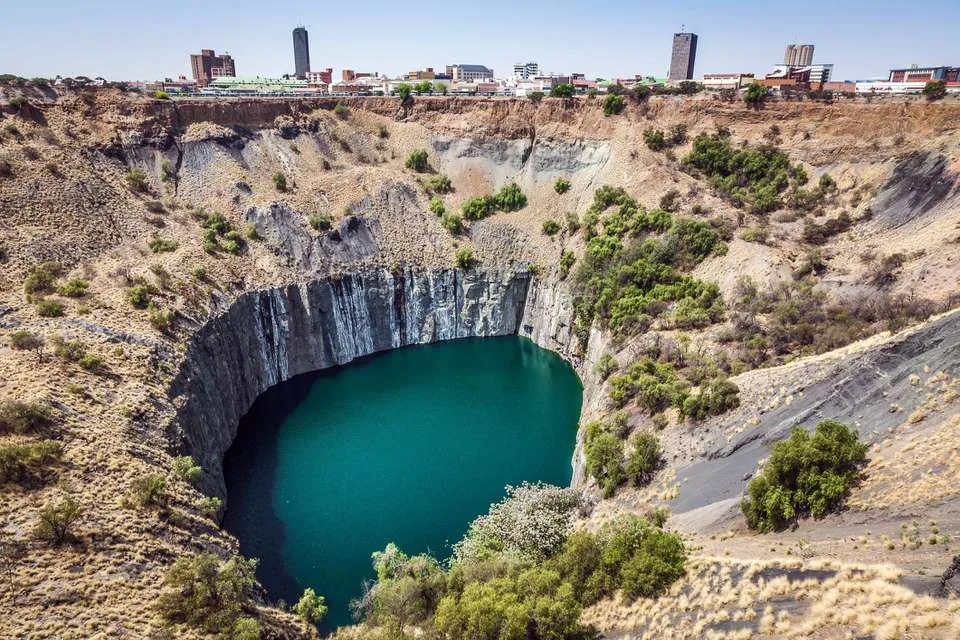
The Big Hole
A 215-metre deep hand-dug chasm from which 2;722 kilograms of diamonds were extracted by 1871; the site is a monument to the 19th-century diamond rush; walk the cantilevered steel platform at noon; the midday sun penetrates the emerald water at the bottom of the pit; highlighting the raw; vertical striations of the kimberlite pipe while the surrounding ghost town smells of parched wood.
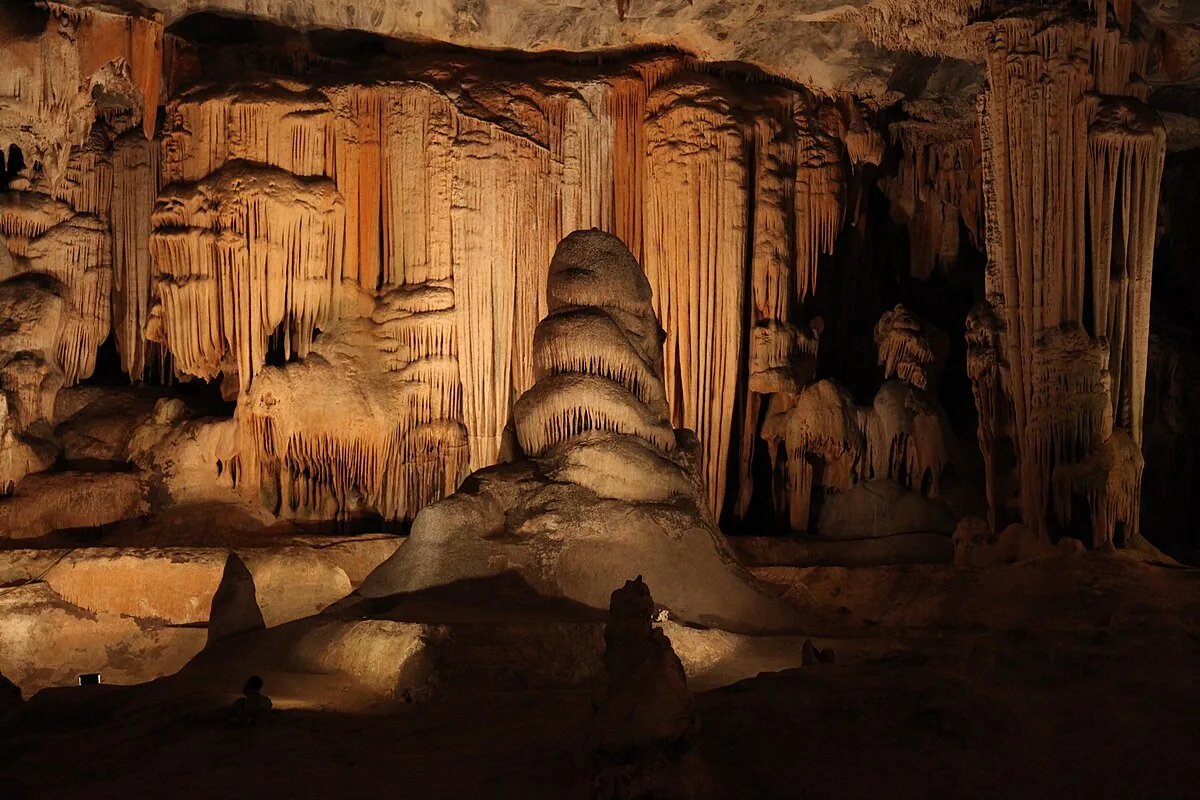
Cango Caves
A 20-million-year-old limestone cavern system featuring the 9-metre tall 'Cleopatra Needle' stalagmite and vast; vaulted chambers; the limestone formations are millions of years in the making; join the 'Adventure Tour' at opening; the narrowest tunnel, the Chimney, requires a physical squeeze through cold; damp rock; the air smells of ancient minerals and wet stone while the acoustics of the Van Zyl Hall are cavernous.
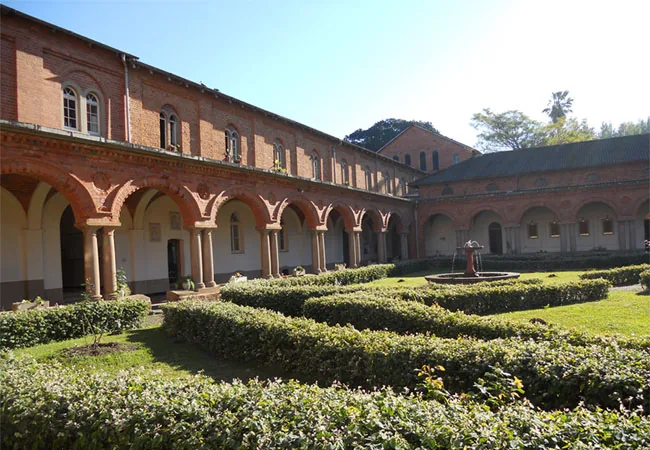
Mariannhill Monastery
A 1882 Trappist monastery featuring red-brick Romanesque architecture and hand-painted German frescoes; the site was once the largest monastic complex in the world; walk the cloister gardens at 3 pm; the interior turns amber as the sun catches the stained-glass windows of the cathedral; the only sound is the rhythmic tolling of the bronze bells and the rustle of the monks' robes against the stone.
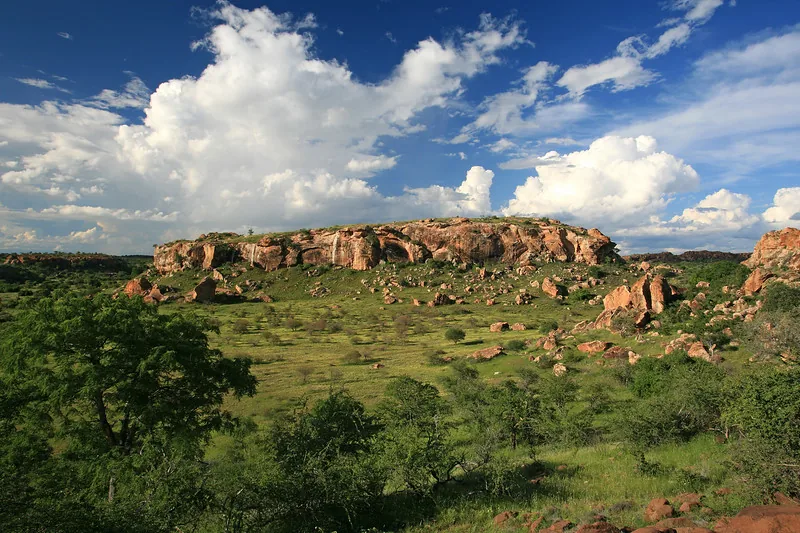
Mapungubwe Cultural Landscape
The 11th-century capital of a lost Southern African kingdom located at the confluence of the Limpopo and Shashe rivers; featuring a sandstone hill where the golden rhinoceros was excavated; climb the wooden stairs to the plateau at sunset; the horizontal light reveals the ancient stone foundations while the baobabs silhouetted against the Botswana border provide a sense of vast; pre-colonial scale.
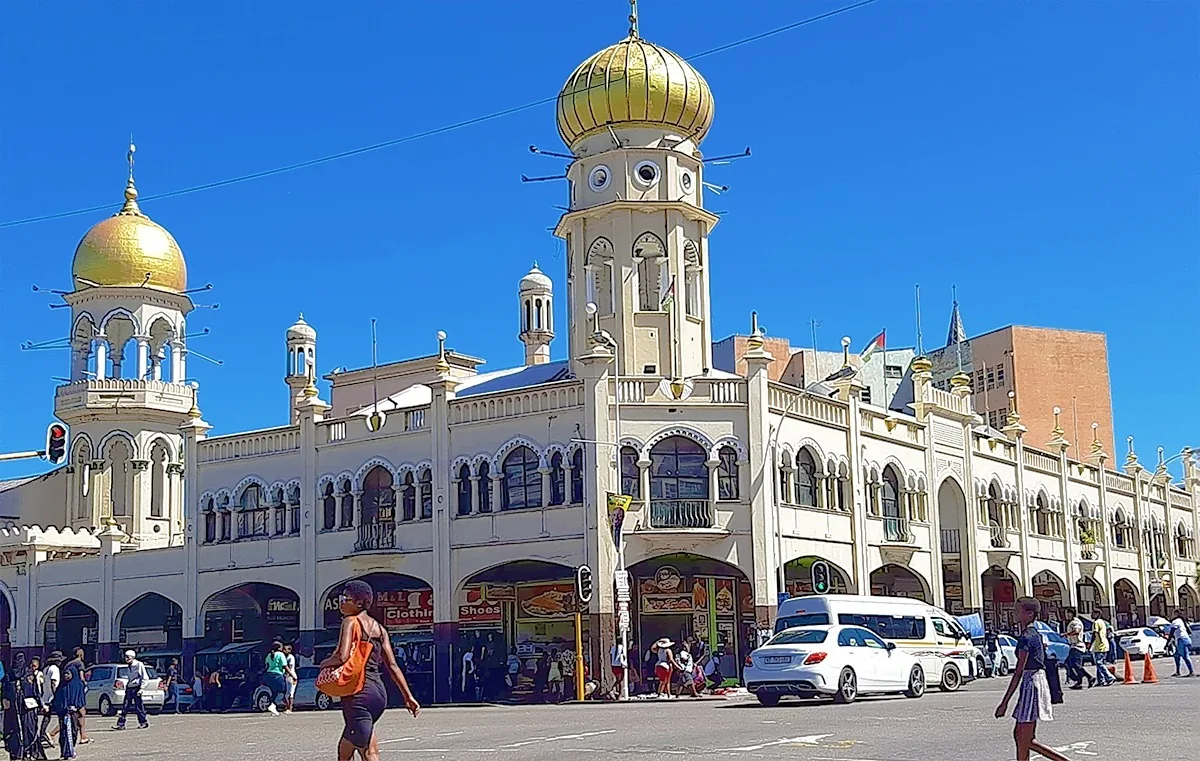
Juma Masjid Mosque
The largest mosque in the Southern Hemisphere; featuring gilded minarets and a 1927 pearl-grey marble facade that dominates the Indian Quarter; the interior is a vast; carpeted space of absolute geometric symmetry; enter during the pre-Asr prayer silence; the light filters through the clerestory windows onto the hand-woven emerald carpets; the air is cool and smells of rose water and aged parchment.