Cape Town's most important culinary tradition: a fragrant curry from the enslaved Cape Malay community brought to the Cape Colony in 1658. The Bo-Kaap neighbourhood is its home.
About Cape Malay Curry
Cape Town's most important culinary tradition: a fragrant, relatively mild curry of chicken or lamb with onion, tomato, dried apricot and warm spices (cinnamon, cardamom, clove, turmeric) reflecting the cooking of the enslaved Cape Malay community brought to the Cape Colony from 1658 onwards; served with roti, sambals and atjar (pickled vegetables); the Bo-Kaap neighbourhood is its spiritual home.
Cape Town's Tradition
Cape Malay curry is one of Cape Town's most important culinary traditions: a fragrant, relatively mild curry of chicken or lamb with onion, tomato, dried fruit and warm spices. It reflects the cooking of the Cape Malay community, whose roots reach back centuries to people brought to the Cape from the Indonesian archipelago and elsewhere. The Bo-Kaap neighbourhood is its spiritual home.
“Cape Malay curry is one of Cape Town's most important culinary traditions: a fragrant, relatively mild curry of chicken or lamb with onion, tomato, dried fruit and warm spices.”
The Spices
The curry is built on warm, aromatic spices, cinnamon, cardamom, clove and turmeric, rather than fierce heat. The emphasis is on fragrance and depth, a gentler curry than many of its Indian cousins. Toasting and blending the spices carefully is central to the style.
The Dried Apricot
A signature of Cape Malay cooking is dried fruit in a savoury curry, above all dried apricot, which is a structural flavour rather than a background sweetness. It melts into the sauce, lending a fruity tang that balances the spice. The sweet-savoury interplay is what marks the dish as Cape Malay.
A Bo-Kaap Heritage
Cape Malay curry is a clear example of how the cooking of the Cape Malay community became woven into South Africa's food identity. It is served with roti, sambals and atjar, the pickled-vegetable relish that cuts the curry's sweetness. Eaten in the colourful Bo-Kaap, where the tradition is rooted, it is among Cape Town's most meaningful dishes.
What to Expect
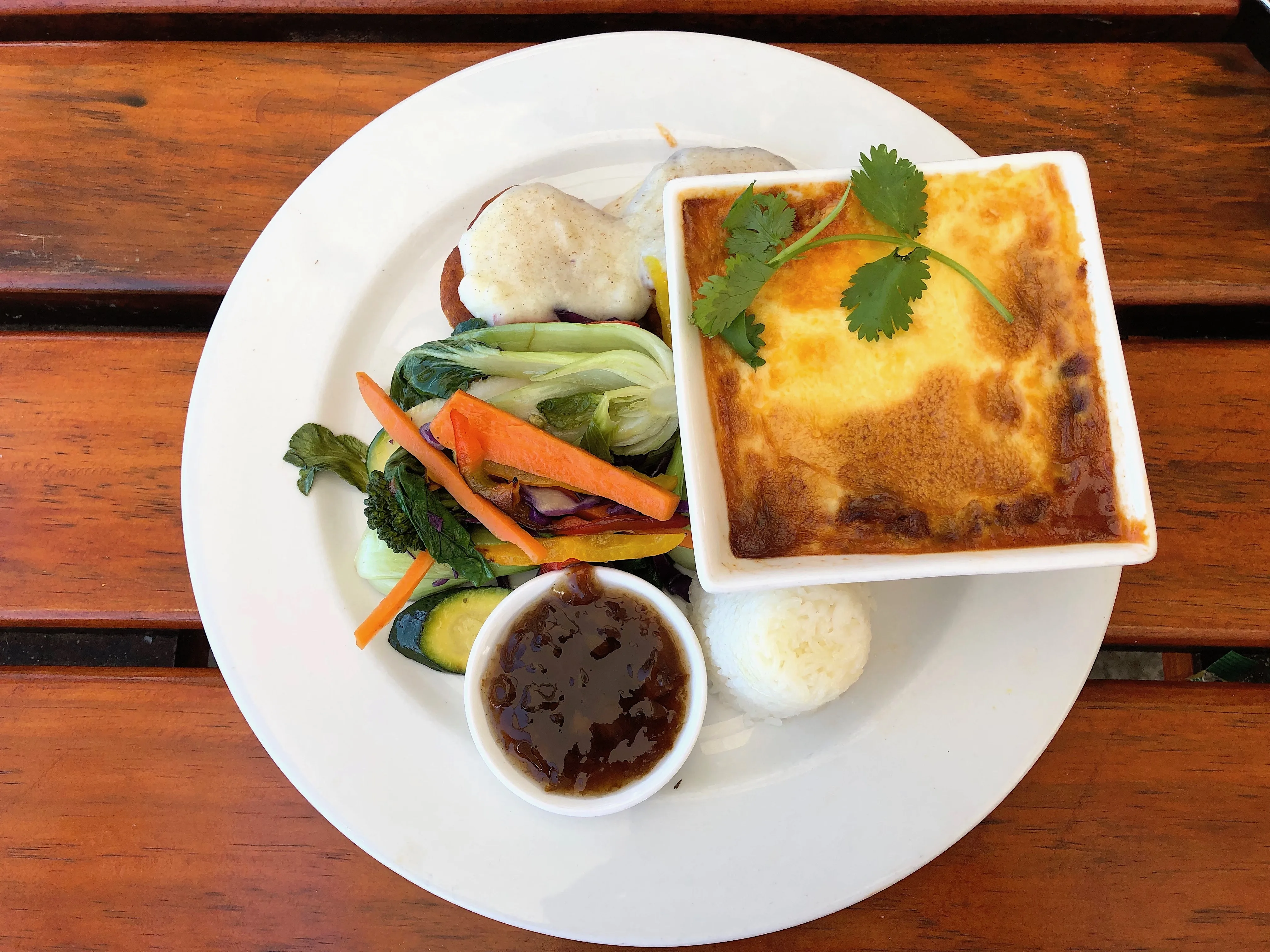
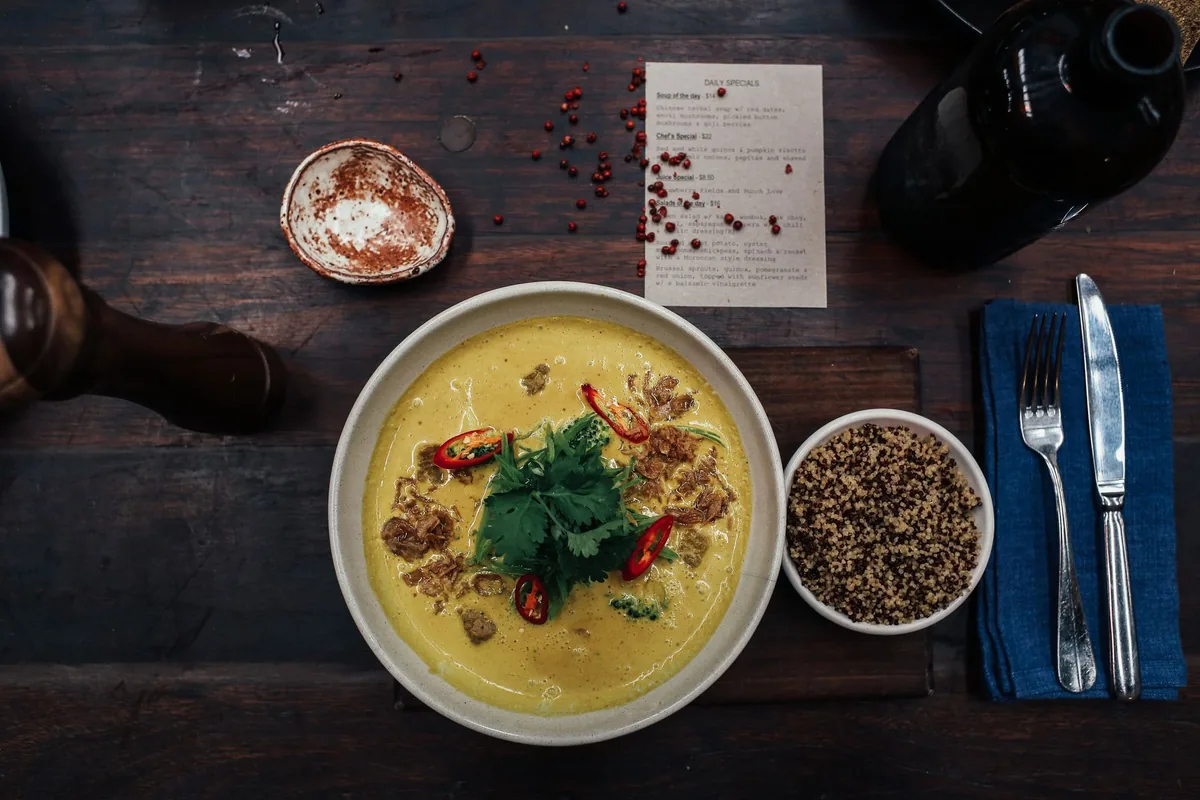
The Cape Malay curry arrives fragrant and golden, the dried apricot visible in the sauce. The heat is mild and the sweetness present. Roti is served alongside for scooping.
Why Try It
Cape Malay curry is the clearest evidence of how the enslaved community's cooking tradition became inseparable from South Africa's food identity.
Insider Tips
- Biesmiellah restaurant in Bo-Kaap is the neighbourhood's most historic address.
- The dried apricot is structural, don't pick it out.
- Atjar (pickled mixed vegetable) alongside cuts the sweetness of the curry.