“The best Chilean seafood lunch happens under an 1872 English iron roof in Santiago, while the actual working fishing markets in Valdivia and Puerto Montt give you the catch before it gets famous.”
About Mercado Municipal
Chile's municipal market tradition dates to colonial-era commerce regulation. The Santiago Mercado Central's iron structure was fabricated in England and assembled in 1872. The markets evolved from functional distribution hubs to mixed-use spaces over the twentieth century, with the central dining areas now serving more tourists than residents while perimeter stalls remain working.
What Mercado Municipal actually is
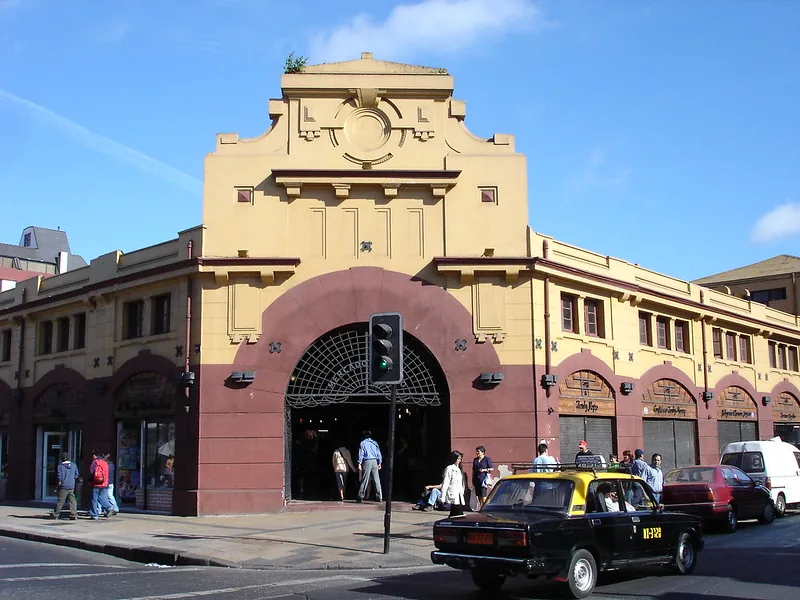
Chile's municipal markets, the most celebrated of which are in Santiago, Valdivia, and Puerto Montt, function as the best available index of what a region grows, catches, and cooks. The Santiago Mercado Central, housed in an ornate iron-frame structure from 1872, is the most architecturally significant, but the Valdivia and Puerto Montt markets are more directly tied to working fishing and farming economies that still supply them daily.
Chile's municipal markets, the most celebrated of which are in Santiago, Valdivia, and Puerto Montt, function as the best available index of what a region grows, catches, and cooks.
Chile's municipal market tradition dates to the Spanish colonial period, when market halls were established to regulate commerce and provide covered trading space in towns of any size. The Santiago Mercado Central's iron structure was fabricated in England and assembled in Chile, the same export architecture logic that brought Eiffel's buildings to Arica. By the late nineteenth century, the market was the primary distribution point for the Central Valley's produce and the Pacific's seafood catch. The transition to a tourist destination happened gradually through the twentieth century; today the central dining section serves more visitors than vendors, though the fish and produce stalls around the perimeter remain operational.
At the Santiago Mercado Central , the primary experience is the seafood lunch, congrio (conger eel), reineta, and centolla (king crab from southern waters) served at counters under the iron roof. The architectural ironwork overhead and the noise of competing restaurant touts below create an atmosphere that is overwhelming in a specific, pleasant way. The Valdivia and Puerto Montt markets are less grand architecturally but more nakedly functional, with early-morning arrivals from fishing boats visible through the working week.
The Santiago Mercado Central is at the northern end of the city center, near the Mapocho station. Metro: Puente Cal y Canto (Line 2). The Valdivia and Puerto Montt markets are both centrally located in their respective cities.
The Santiago Mercado Central is at the northern end of the city center, near the Mapocho station.
The Experience
Seafood lunch under an ornate iron roof in Santiago; early-morning working-market atmosphere in Valdivia and Puerto Montt where the Humboldt Current's catch arrives directly.
Why It Matters
Chilean municipal markets document the country's fishing and agricultural economy and the specific way that Spanish colonial commerce infrastructure evolved into contemporary urban food culture.
Why Visit
Markets are the most direct access to a food culture that restaurant menus always mediate. In Chile, the gap between what the market sells and what the average tourist eats is large enough that the visit is genuinely instructive.
✦ Insider Tips
- 1
Arrive at the Santiago Mercado Central before 1pm, tables fill quickly at lunch and the experience degrades when overcrowded.
- 2
Ask specifically for congrio colorado (red conger) rather than accepting the first menu pushed at you.
- 3
The Valdivia market on the riverfront operates from early morning and is worth a pre-breakfast visit to see the fish arrive.