“Seven thousand years ago, the Chinchorro people of northern Chile developed artificial mummification two millennia before Egypt. Their work is preserved in a university museum in an oasis valley outside Arica.”
About San Miguel de Azapa Museum
The Chinchorro culture practiced deliberate mummification from approximately 5,000 BCE along the Atacama coast. The Azapa Valley's extreme aridity preserved hundreds of specimens, and the collection at the San Miguel de Azapa Museum, alongside related finds at Arica's Colón 10 site, received UNESCO World Heritage designation in 2021.
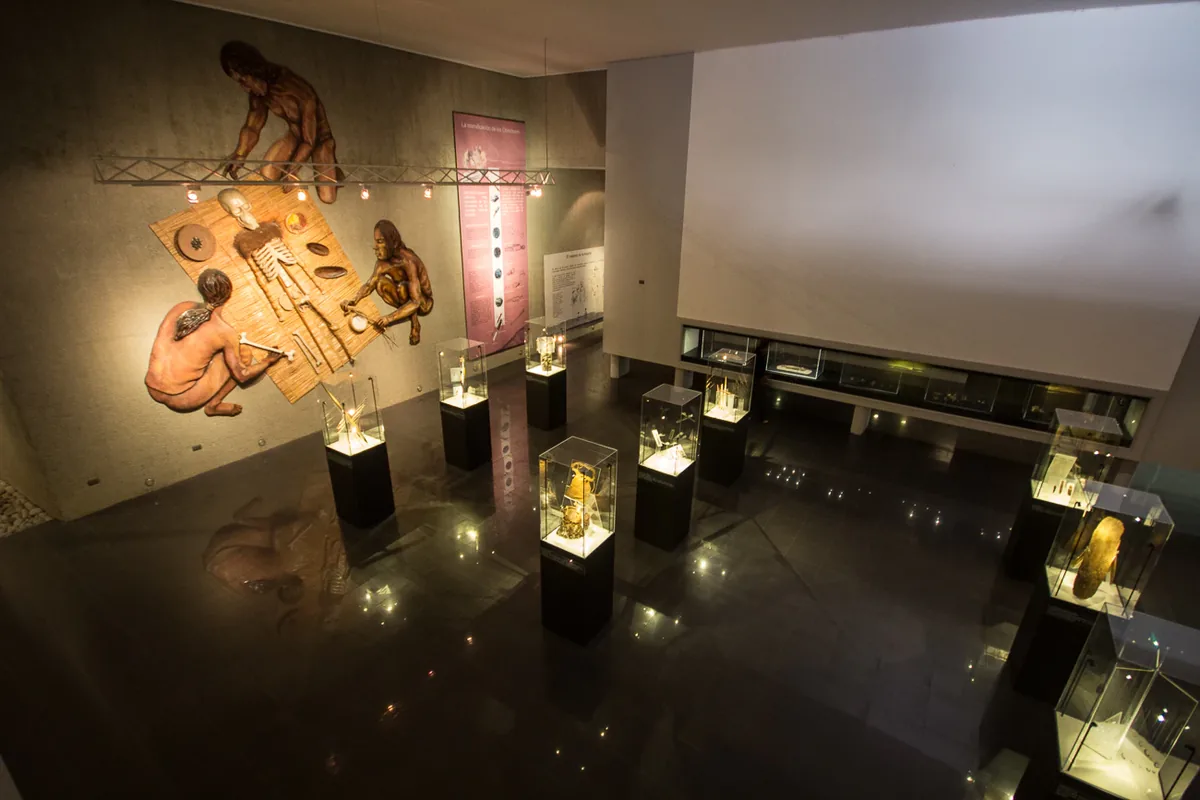
The San Miguel de Azapa Archaeological Museum, run by the University of Tarapacá in the Azapa Valley outside Arica, holds the world's oldest mummies. The Chinchorro mummies, preserved through artificial techniques developed 7,000 years ago, roughly 2,000 years before the Egyptians began mummification, represent one of the most significant archaeological collections in the Americas and earned UNESCO World Heritage status in 2021.
The San Miguel de Azapa Archaeological Museum, run by the University of Tarapacá in the Azapa Valley outside Arica, holds the world's oldest mummies.
The Chinchorro people lived along the Pacific coast of what is now northern Chile and southern Peru from roughly 7,000 BCE to 1,500 BCE, subsisting on fishing and shellfish. Their mummification was deliberate and sophisticated: bodies were disassembled, the organs removed, the frames reinforced with sticks, and the skin replaced or covered with clay. The practice began with children and later extended to adults, suggesting a particular relationship with ancestors that archaeologists are still interpreting. The arid Atacama climate preserved what other climates would have destroyed, and the Azapa Valley has yielded hundreds of specimens over the past century.
The museum presents mummies in careful, well-lit displays alongside pottery, textiles, and tools from the Chinchorro period and the cultures that followed. The collection spans 7,000 years of continuous human habitation in the region. The Azapa Valley itself, green oasis, olive groves, and desert, is a pleasant fifteen-minute drive from Arica.
The museum is in the Azapa
Valley, 12 kilometers from Arica. Colectivos (shared taxis) run regularly from the city; the journey takes about fifteen minutes.
The Experience
Well-lit display rooms with mummies, textiles, pottery, and tools spanning 7,000 years of Atacama coast human history, followed by a drive back through an olive-grove valley that seems improbably green against the surrounding desert.
Why It Matters
The Chinchorro mummies are the oldest artificially preserved human remains in the world, predating Egyptian mummification by 2,000 years and offering evidence of complex ritual behavior in early fishing communities.
Why Visit
Archaeological collections of this age and significance rarely sit in accessible, well-managed regional museums. The San Miguel de Azapa Museum punches well above its size.
✦ Insider Tips
- 1
Combine with an olive oil tasting at one of the Azapa Valley farms, the valley produces most of Chile's olives.
- 2
The UNESCO designation (2021) means the collection's status has increased; book ahead if visiting during peak months.
- 3
Read about Chinchorro mummification techniques before visiting, the exhibits make more sense with context.