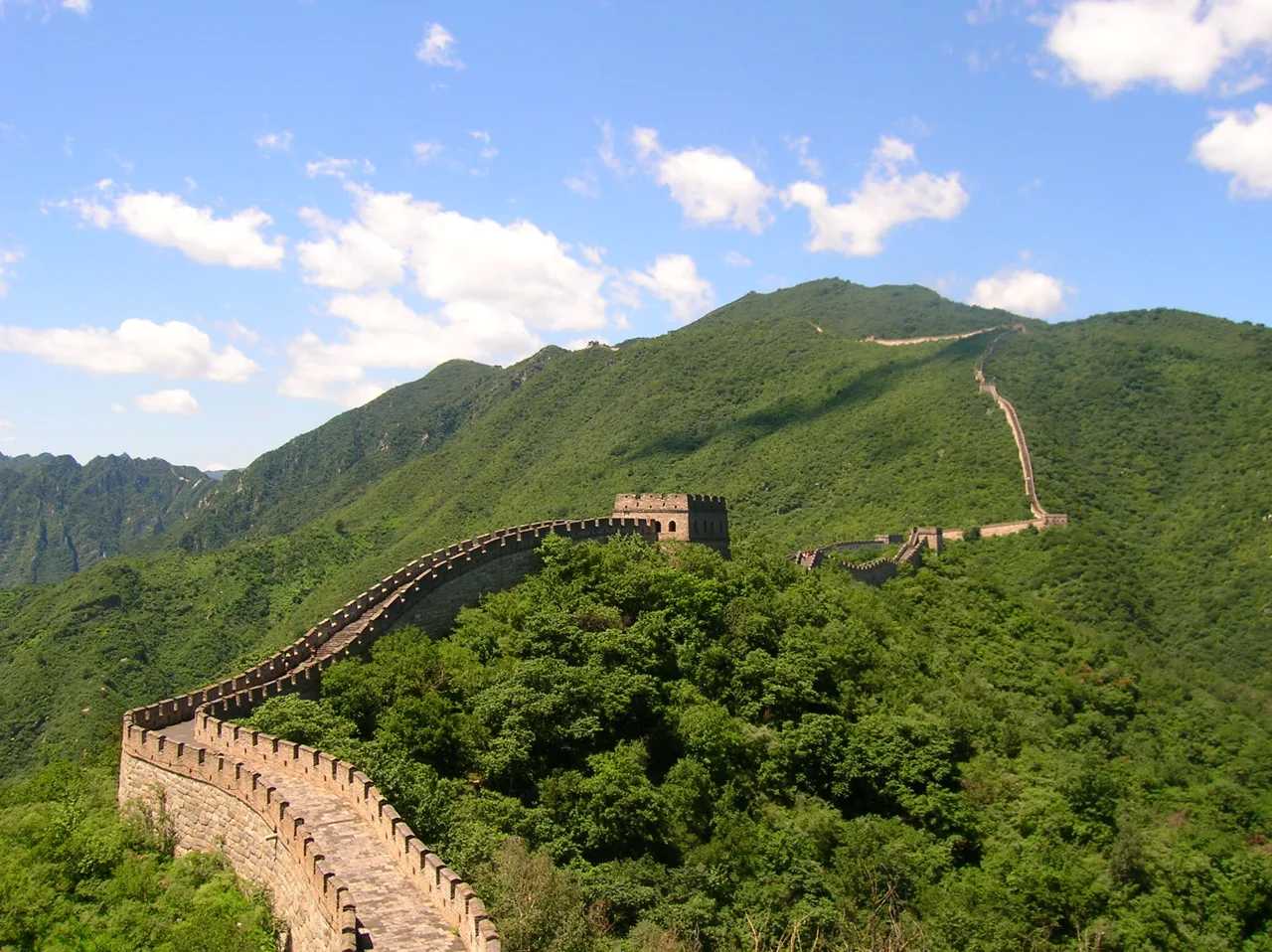
The Great Wall at Mutianyu has stood since the sixth century, runs along a mountain ridge through forested valleys, and can be descended by toboggan. It is exactly as good as it sounds.
About Great Wall Mutianyu
First built during the Northern Qi dynasty (550–577 CE) and extensively rebuilt under the Ming dynasty (1368–1644) as a defense and communication system against northern incursions. Mutianyu's distance from Beijing protected it from the worst twentieth-century deterioration; professional restoration in the 1980s preserved the walkable sections.
The short version
The Mutianyu section of the Great Wall sits 73 kilometers northeast of Beijing in a forested valley that gives it a visual context most other sections lack. Substantially restored and well-maintained, Mutianyu offers 2.25 kilometers of walkable wall with 22 watchtowers, a cable car for the ascent, and a toboggan run for the descent, an unusual combination that somehow does not compromise the experience of walking a wall that has stood since the 6th century.
Origins
The Mutianyu section was first built during the Northern Qi dynasty (550–577 CE) and substantially rebuilt and extended under the Ming dynasty (1368–1644), which constructed most of the Wall sections that survive today. The Ming expansion was motivated by Mongol pressure from the north, the Wall functioned as a communication and supply system as much as a military barrier, with beacon towers relaying signals across hundreds of kilometers. Mutianyu's relative remoteness from Beijing preserved it from the stone-stripping that degraded many closer sections during the twentieth century, and the government-led restoration of the 1980s used period construction techniques on the main walkable sections.
The wall at Mutianyu runs along a ridge with significant elevation changes, the sections toward the east end involve genuine climbing, while the western sections are more gradual. In autumn, the surrounding valley turns gold and red against the grey stone, producing the most photographed version of the site. The watchtower interiors are accessible and provide wind shelter and views in both directions along the wall. The toboggan descent is fast and genuinely enjoyable if you're willing to share the experience with children.
From Beijing, the most practical options are a hired car or tour bus from the city. The journey takes 1.5 to 2 hours depending on traffic. Cable car tickets are purchased on-site; book the wall entrance in advance online during peak season.
The Experience
2.25 kilometers of walkable wall with 22 watchtowers, significant ridge elevation changes, and forested valley views, best in autumn when the surrounding hills turn against the grey stone.
Why It Matters
The Great Wall at its best sections represents one of the largest construction projects in human history, a 21,000-kilometer system of walls, watchtowers, and fortifications built across two millennia. Mutianyu is among the best-preserved Ming sections accessible from Beijing.
Why Visit
Mutianyu gives the wall the landscape context, forest, ridge, elevation, that turns it from a historical object into a physical experience. The toboggan descent is optional but genuinely fun.
✦ Photo Gallery
Best Season
🌤 October for autumn color; April–May for green foliage and mild temperatures. Avoid Chinese national holidays when crowds are extreme.
Quick Facts
Entry
Around 45 RMB entry, with the cable car, chairlift or toboggan an extra charge each way.
Opening hours
Open daily, roughly 8am to 5pm, with seasonal variation.
Time needed
About half a day from Beijing including travel.
Best time to visit
October for autumn color; April–May for green foliage and mild temperatures. Avoid Chinese national holidays when crowds are extreme.
Getting there
About 70 km northeast of Beijing; reached by car, tour or a bus-plus-shuttle combination, then a cable car or steps up to the wall.
Location
China
Type
attraction
Insider Tips
- 1
Take the cable car up and toboggan down, the descent saves knees and is worth doing.
- 2
Walk east from the cable car station for the steeper, less crowded sections.
- 3
Arrive before 9am to have the early sections to yourself before tour groups arrive.