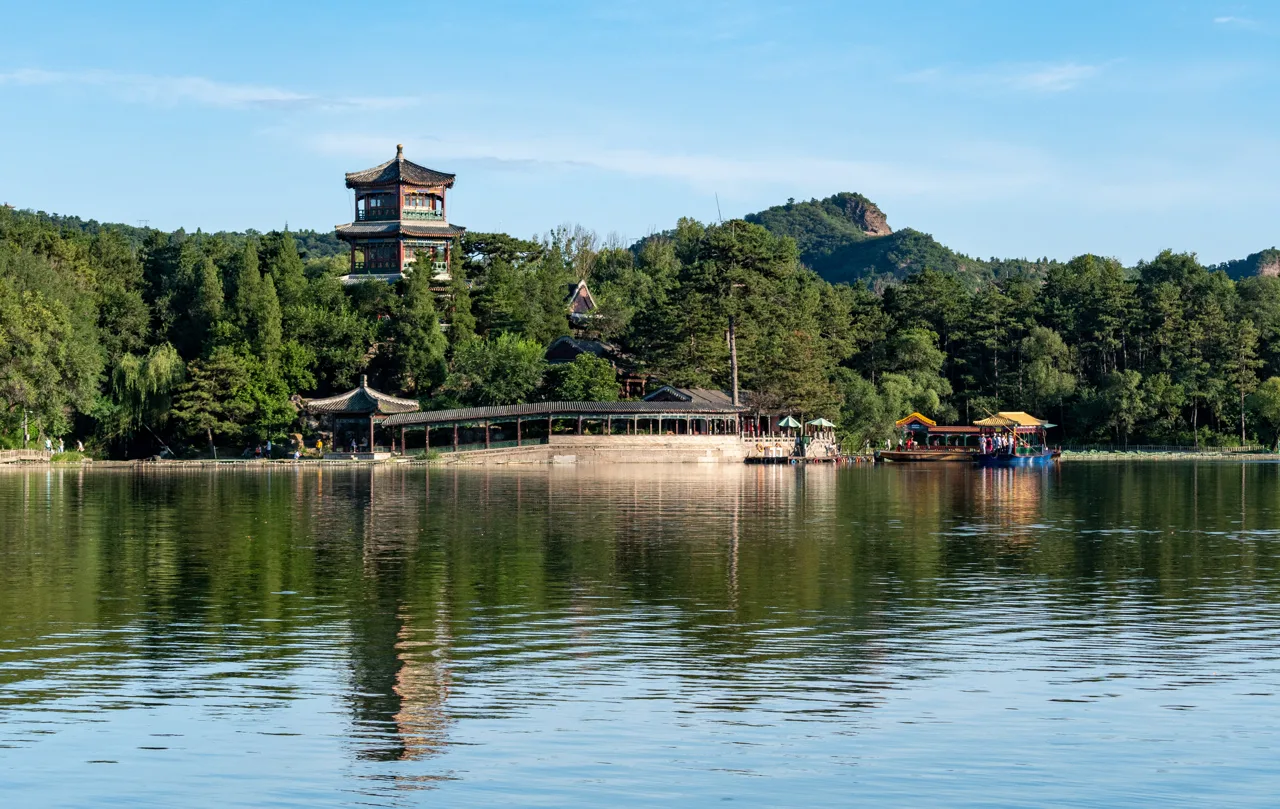
“For nearly 500 years, ordinary people were forbidden to enter this palace, which by tradition has 9,999 rooms.”
About The Forbidden City
The Forbidden City was constructed between 1406 and 1420 under the Ming emperor Yongle as the imperial palace, and it served the Ming and Qing dynasties until the abdication of the last emperor in 1912. Aligned on Beijing's central axis according to cosmological principles, it embodied imperial power and the order of the universe. It became the Palace Museum in 1925 and a UNESCO World Heritage Site.
What The Forbidden City is
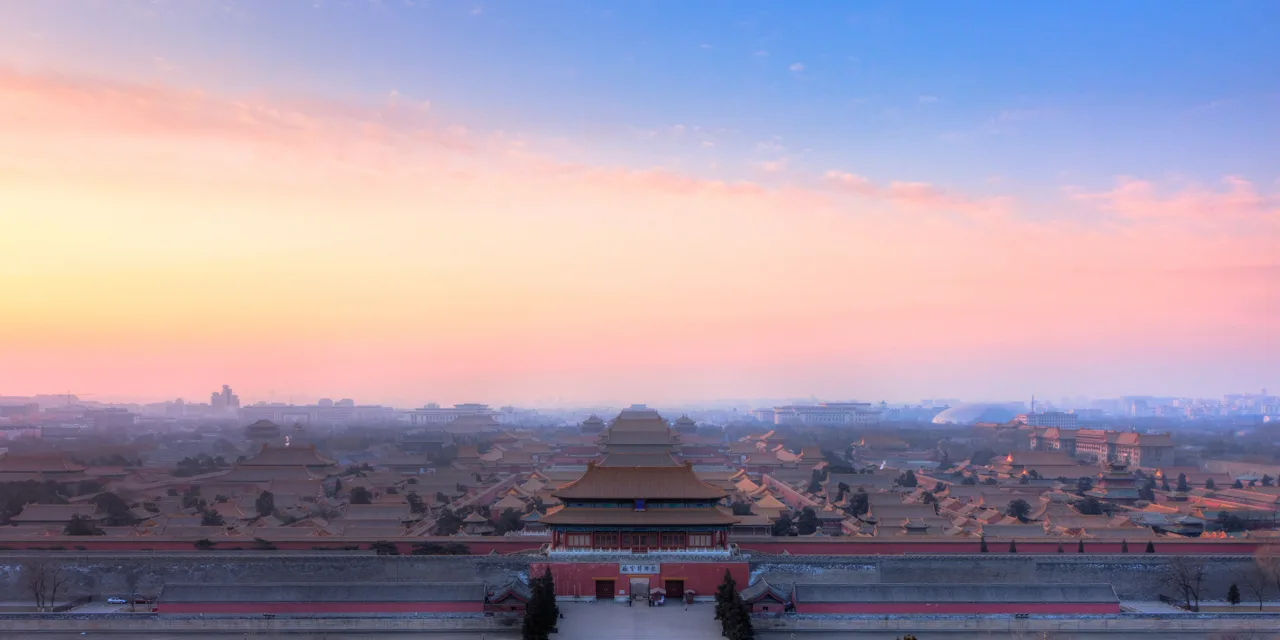
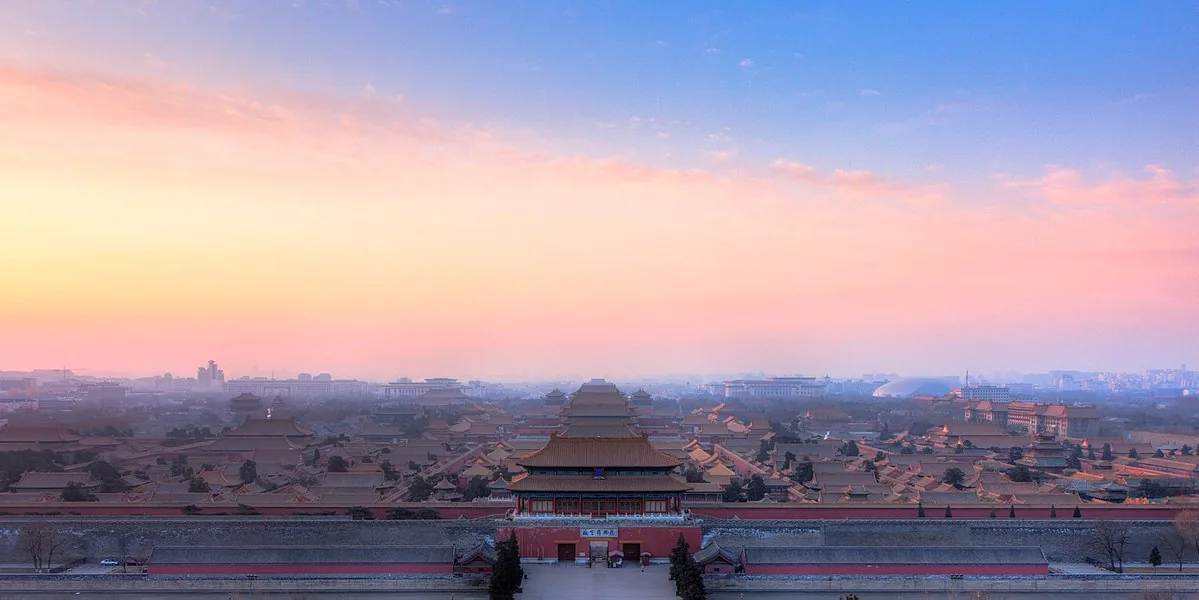
The Forbidden City in Beijing is the largest and best-preserved imperial palace complex in the world, the seat of Chinese emperors for nearly 500 years. A vast walled city of golden-roofed halls, courtyards and gates arranged along a sacred north-south axis, it is a UNESCO World Heritage Site and the symbolic heart of China.
The Forbidden City in Beijing is the largest and best-preserved imperial palace complex in the world, the seat of Chinese emperors for nearly 500 years.
Five Centuries Forbidden to the People
Built in the early 15th century, the palace was home to 24 emperors of the Ming and Qing dynasties and was off-limits to ordinary people, hence its name, the 'Forbidden City'. Spanning a huge walled and moated enclosure with hundreds of buildings and, by tradition, some 9,999 rooms, it was laid out according to principles of cosmic order, with the Hall of Supreme Harmony at its ceremonial centre. After the last emperor was deposed, it became a public museum holding vast imperial collections.
The Experience
You enter through the towering Meridian Gate and pass through a sequence of vast courtyards and golden-roofed ceremonial halls, including the Hall of Supreme Harmony, then into the more intimate inner palaces and imperial gardens where the emperor and his court lived. The sheer scale, the symmetry and the richness of the architecture and collections are overwhelming, making it the centrepiece of any visit to Beijing.
Why It Matters
The Forbidden City is the supreme monument of imperial China and one of the most important cultural sites in the world, a UNESCO World Heritage Site that embodies five centuries of dynastic power. Its scale, design and treasures make it essential to understanding Chinese history and civilisation.
The Forbidden City is the supreme monument of imperial China and one of the most important cultural sites in the world, a UNESCO World Heritage Site that embodies five centuries of dynastic power.
Why Visit
The world's largest imperial palace, the Forbidden City in Beijing, with golden-roofed halls and courtyards that housed Chinese emperors for nearly 500 years.
✦ Insider Tips
- 1
Book timed tickets in advance, as numbers are capped.
- 2
Enter via the Meridian Gate and follow the central axis.
- 3
Visit the inner palaces and imperial garden too.