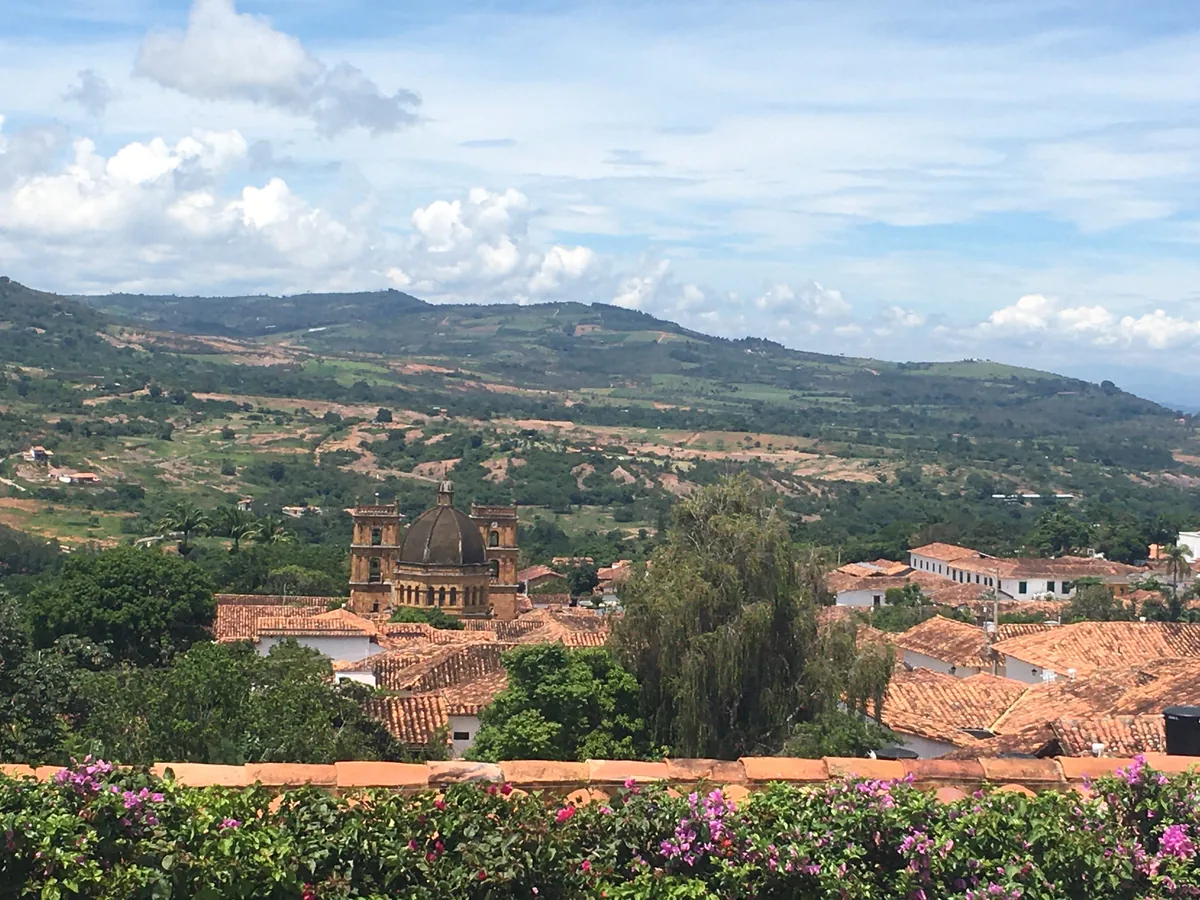
Cali's oldest surviving neighborhood sits on a hillside above the city, where eighteenth-century adobe houses are now shared between the families who always lived there and the artists, bars, and restaurants who moved in when the neighborhood declined. It's still both.
About Barrio San Antonio
One of Cali's first neighborhoods beyond the founding plaza, developed in the 18th and 19th centuries in vernacular Cauca Valley style. Declined economically in the 20th century, which preserved the building stock, and attracted an arts community from the 1970s onward.
Barrio San Antonio
Barrio San Antonio is a hillside neighborhood in Cali, Colombia's third-largest city, that retains a colonial and early Republican building stock on steep streets above the city center. A nineteenth-century church, painted wooden houses in ochre and blue and green, and a hilltop park with views over Cali and toward the western cordillera define the neighborhood's character. San Antonio functions simultaneously as a heritage zone, an arts neighborhood, and an evening social destination, with restaurants, bars, and music venues operating from the same period buildings that give it its architectural identity.
“Barrio San Antonio is a hillside neighborhood in Cali, Colombia's third-largest city, that retains a colonial and early Republican building stock on steep streets above the city center.”
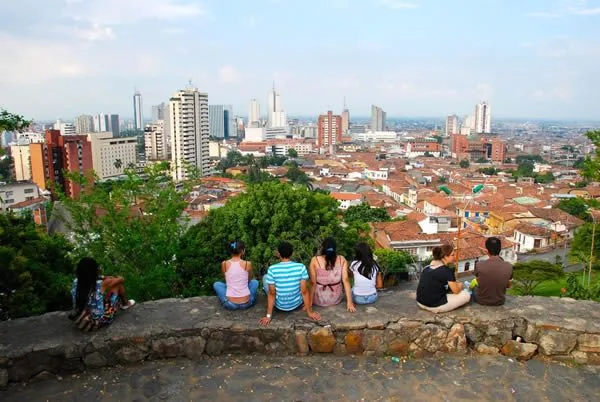
Barrio San Antonio, Colombia
San Antonio was one
San Antonio was one of Cali's first residential neighborhoods beyond the founding plaza, developed in the eighteenth and nineteenth centuries by middle-class families who built in the vernacular style of the Cauca Valley: thick-walled adobe with tile roofs, interior patios, and overhanging wooden eaves. As Cali expanded and modernized in the twentieth century, the neighborhood declined economically, which preserved the building stock, the same pattern of preservation-through-decline that characterizes historic neighborhoods across Colombia. An arts community moved in during the 1970s and 1980s; galleries, workshops, and cafés occupy the same colonial-era houses that once sheltered colonial-era families. The hilltop park, with its statue of San Antonio and its view of the city below, has been a meeting place since the church was built in 1747.
The neighborhood is most alive in the early evening, when the hilltop park fills with Caleños from across the city, the restaurants and bars begin their service, and the streets between the colonial houses have the specific quality of a place used genuinely rather than presented for tourists. Salsa music, Cali's defining cultural export, is often audible from practice sessions and smaller venues on weekend evenings. Barrio San Antonio is a short taxi ride from Cali's city center. Walking from the pedestrian center takes 20–25 minutes uphill.
The Experience
Colonial adobe streets most alive in the early evening, a hilltop park with city and cordillera views, and salsa music audible from practice sessions and smaller venues on weekends, all in buildings from the eighteenth century.
Why It Matters
Barrio San Antonio is Cali's most coherent example of colonial-era vernacular architecture and the neighborhood whose evening culture most clearly expresses the city's social character, a place where heritage and daily life are genuinely co-located.
Why Visit
San Antonio works as a neighborhood rather than a tourist zone. The hilltop park at dusk, with Caleños gathered and the city spread below, is the most authentic version of Cali available to a visitor.
Insider Tips
- 1
Arrive at the hilltop park at dusk and stay for the evening, the neighborhood transitions from quiet afternoon to social hub between 6pm and 8pm.
- 2
Eat at one of the patio restaurants in converted colonial houses rather than on the main access streets.
- 3
Ask locally about live salsa venues in or near the neighborhood, they change and the best ones are not on maps.