“Tomb looters found it in 1972 and called it the Green Hell. Built 400 years before the Inca reached Machu Picchu, Ciudad Perdida is three times larger and can only be reached by a 4-day jungle trek.”
About Ciudad Perdida
Built by the Tairona culture around 800 CE and abandoned in the 16th century. Found by looters in 1972, excavated by Colombian archaeologists, and opened to tourism in 1984. The Kogi, Arhuaco, Wiwa, and Kankuamo peoples maintain direct ancestral connection to the site and increasing authority over its access.
What Ciudad Perdida actually is
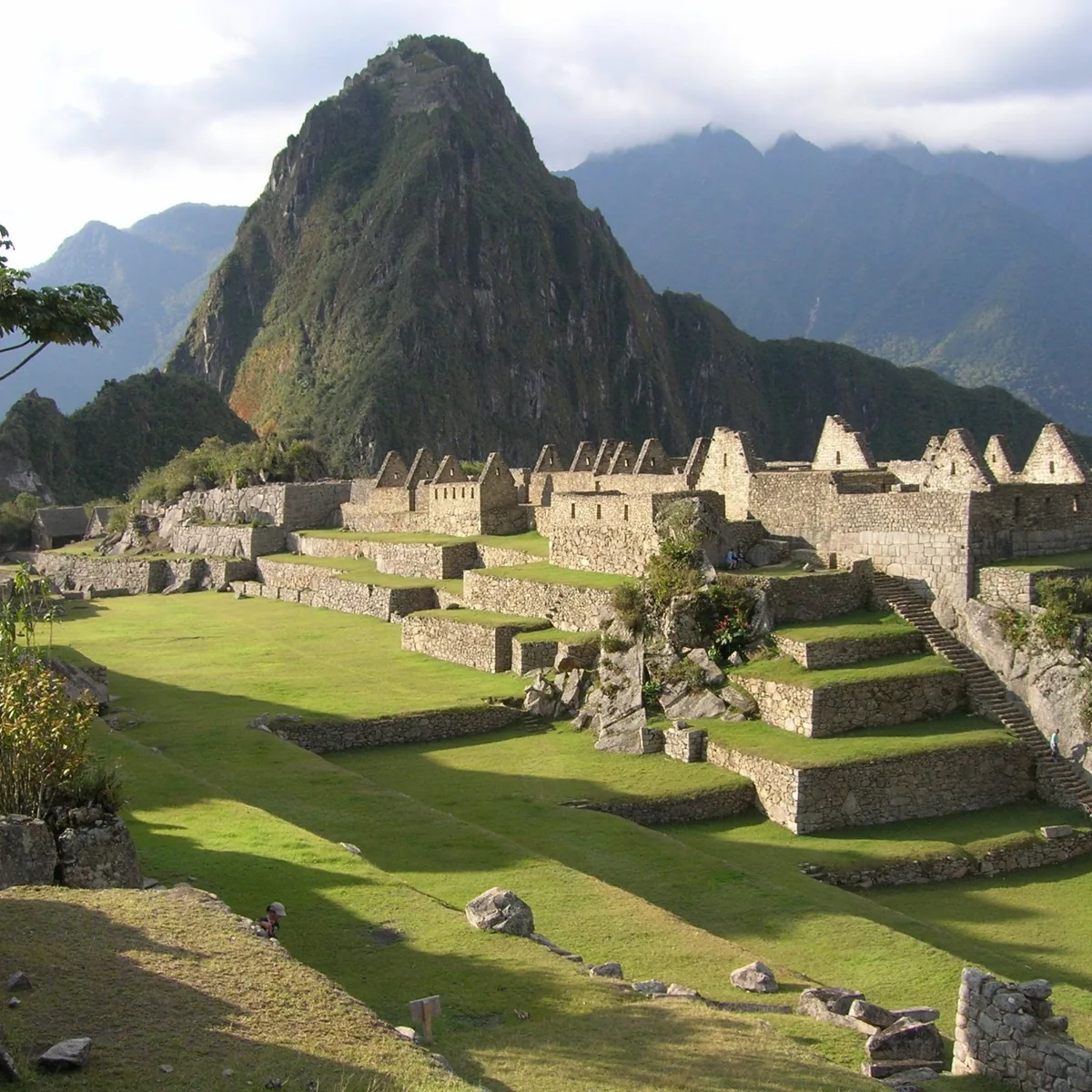
Ciudad Perdida, the Lost City, is a pre-Columbian urban settlement in the Sierra Nevada de Santa Marta, built by the Tairona culture around 800 CE and abandoned in the sixteenth century following Spanish contact. Accessible only by a 4-day round-trip trek through jungle and river crossings, the site consists of 169 terraces carved into the mountain slope, connected by stone staircases and drainage channels, and partially occupied by Kogi indigenous communities whose ancestral connection to the Tairona civilization is direct and acknowledged.
Ciudad Perdida, Teyuna in the Kogi language, was built at approximately the same time as Machu Picchu and is roughly three times its size. While Machu Picchu was revealed to the outside world by a Yale academic in 1911, Ciudad Perdida was found by tomb looters in 1972, who called it el Infierno Verde, the Green Hell, after the difficulty of the jungle approach. The Colombian Institute of Anthropology excavated the site and opened it to tourism in 1984. The four indigenous groups whose ancestors built Teyuna, Kogi, Arhuaco, Wiwa, and Kankuamo, maintain spiritual authority over the site and have become increasingly involved in controlling access and interpretation since the 1990s.
The trek begins near Santa Marta and crosses three mountain rivers multiple times before the final ascent, 1,200 stone steps cut directly into the mountain face. At the top, the terraces extend across the slope under a forest canopy, with the scale of the original settlement comprehensible only gradually moving between levels. Kogi mamos (spiritual leaders) are occasionally present at the site; their presence and the living indigenous relationship to the place distinguishes it from purely archaeological sites. Tours depart from Santa Marta with licensed operators. The standard trek is 4 days (2 days in, 2 days out); 6-day options allow more time at the site. Independent trekking is not permitted.
The Experience
A 4-day round-trip trek through Sierra Nevada jungle and river crossings, culminating in 1,200 stone steps to the terraced city, 169 platforms under forest canopy, with the scale emerging gradually as you move between levels.
Why It Matters
Ciudad Perdida is larger and older than Machu Picchu and is managed in active collaboration with living indigenous communities whose ancestors built it, a model of archaeological site governance that gives the place a dimension purely restored heritage parks lack.
Why Visit
The trek earns the arrival in a way that motorized access never could. Reaching Ciudad Perdida after four days of jungle is a physical experience that changes how you read the stone terraces when you finally stand on them.
✦ Insider Tips
- 1
Book with a licensed Santa Marta operator, unauthorized guides are not permitted and the tour fee includes a contribution to indigenous communities.
- 2
Physical fitness matters; the final staircase ascent at altitude requires genuine effort.
- 3
Bring insect repellent, quick-dry clothing, and water purification, the jungle section is humid and the water sources are used by all trekkers.