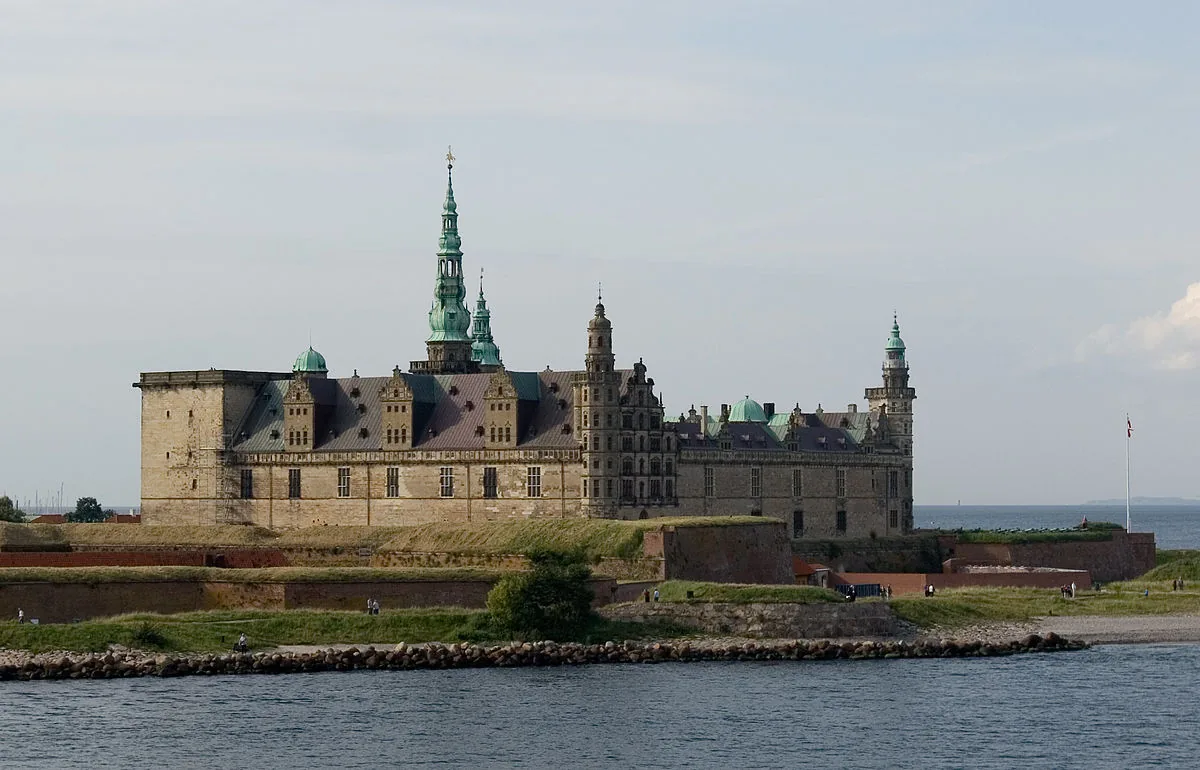
“Christian IV built the largest Renaissance palace in Scandinavia on three lake islands between 1602 and 1620. It burned in 1859. A beer brewer funded the restoration and donated it as a national history museum.”
About Frederiksborg Slot
Built 1602–1620 by Christian IV as the grandest expression of Danish royal Renaissance ambition. Burned 1859; restored with Carlsberg Brewery founder J.C. Jacobsen's funding. Has housed the Museum of National History since 1878. The 1720 Baroque garden was restored in the late 20th century.
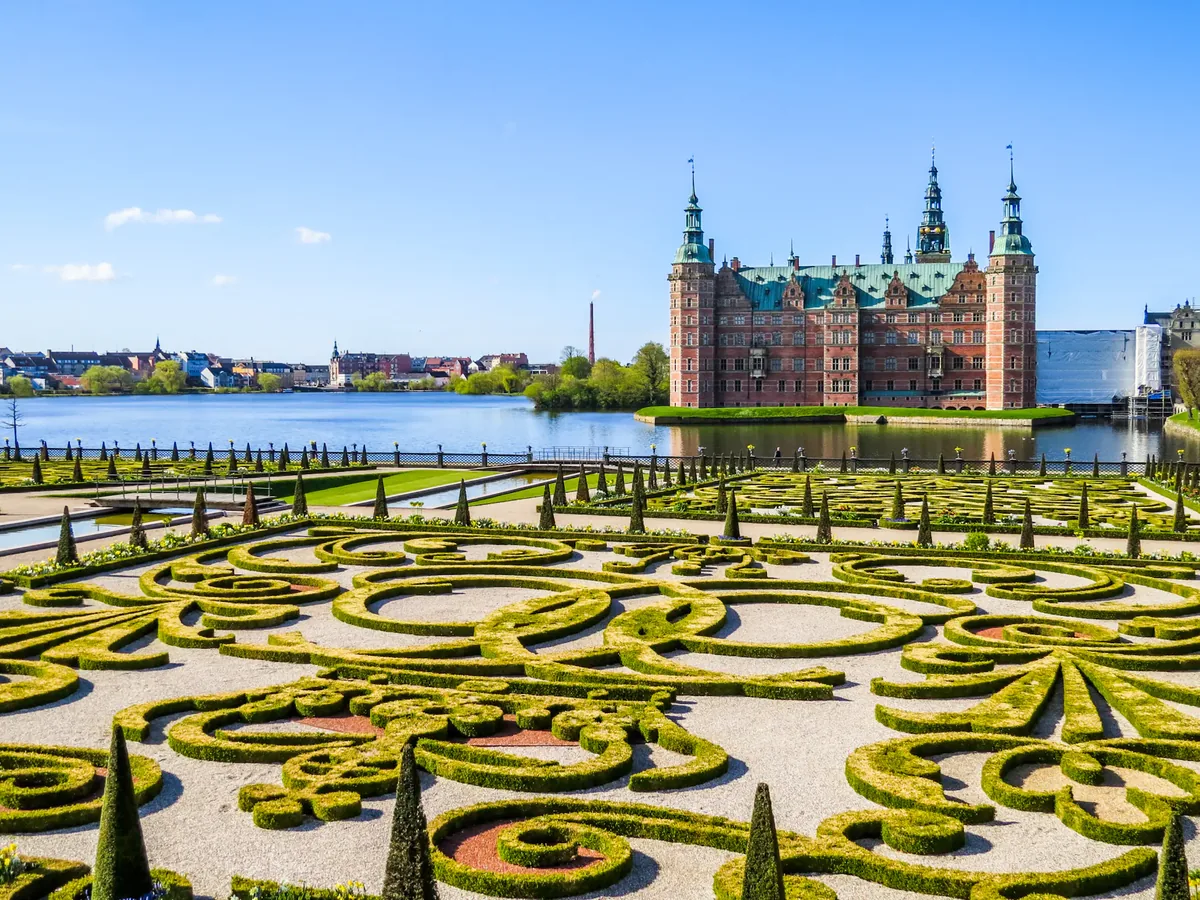
Commissioned by King Christian
Frederiksborg Slot, Frederiksborg Castle, is a Danish Renaissance palace built across three small islands in a lake at Hillerød, 35 kilometers north of Copenhagen. Built between 1602 and 1620 by King Christian IV, it is the largest Renaissance building in Scandinavia and houses the Museum of National History, the most comprehensive collection of Danish portrait painting, blend, and historical artifacts in the country, spanning from the sixteenth century to the present.
Frederiksborg Slot, Frederiksborg Castle, is a Danish Renaissance palace built across three small islands in a lake at Hillerød, 35 kilometers north of Copenhagen.
Christian IV was the most prolific builder in Danish history, and Frederiksborg was his grandest project, a palace that would project Danish royal power in the same architectural language as the French and Dutch courts. The Flemish and Dutch architects he employed produced the distinctive copper-roofed towers and red-brick-and-sandstone facades that still define the castle. The building burned catastrophically in 1859; the Copenhagen brewer J.C. Jacobsen, founder of the Carlsberg Brewery, funded the restoration and offered the rebuilt castle as a national history museum, which it has been since 1878. The Baroque garden on the south side of the lake, restored to its 1720 design, is the largest Baroque garden in Scandinavia.
The Museum of National History covers the castle's interior rooms with portraits, tapestries, and historical objects. The Great Hall is one of the finest Renaissance interiors in Scandinavia. The Knights' Hall contains the original Baroque ceiling saved from the 1859 fire. The castle chapel, with its original early seventeenth-century fittings, is the best-preserved Renaissance sacred interior in Denmark. The Baroque garden is freely accessible from the lakeside path.
Hillerød is 35 minutes from Copenhagen by S-tog (line E). A bus from Hillerød station reaches the castle in 5 minutes, or it is a 15-minute walk.
The Experience
The Museum of National History across the Renaissance palace interiors, Great Hall, Knights' Hall, the intact 17th-century chapel, plus the largest Baroque garden in Scandinavia freely accessible on the lake's south side.
Why It Matters
Frederiksborg is the most complete surviving Renaissance royal palace in Scandinavia and the primary institution preserving Danish national portrait history, the building is both the most ambitious architectural statement of Christian IV's reign and the most comprehensive record of Danish historical identity.
Why Visit
The palace-on-a-lake setting is genuinely dramatic, and the museum inside is more interesting than the typical royal palace tour, the portrait collection spans from Christian IV to contemporary figures, giving the building a continuous historical scope.
✦ Insider Tips
- 1
The Baroque garden is free and does not require museum entry, walk it from the lakeside path.
- 2
The chapel is the architecturally strongest room; don't rush through it for the portrait collection.
- 3
Combine with Kronborg Castle in Helsingør on a North Zealand day trip, both are within 30 minutes of each other by train.