Explore
Landmarks & Places
Must-see destinations across Denmark
Roskilde Cathedral
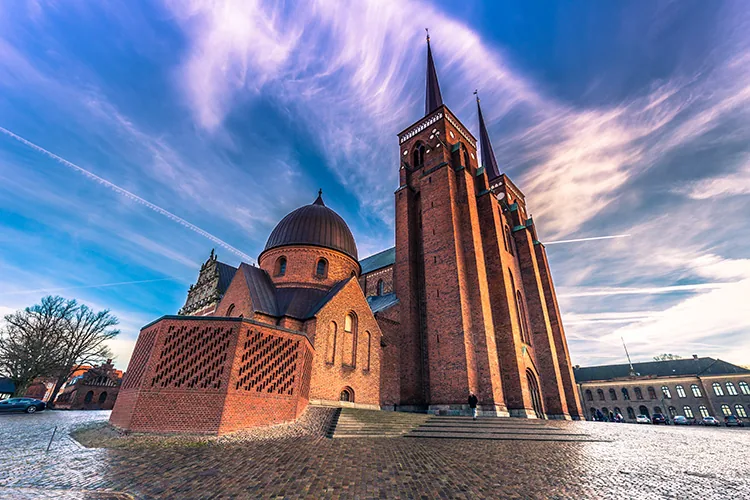
A brick-built Gothic masterpiece completed in the 13th century; housing the elaborate sarcophagi of 40 Danish monarchs across four centuries of architectural evolution; the twin spires dominate the fjord landscape; enter the nave at 4 pm when the western clerestory windows turn the interior amber; the air is cool and smells of ancient dust and candle wax.
Grenen
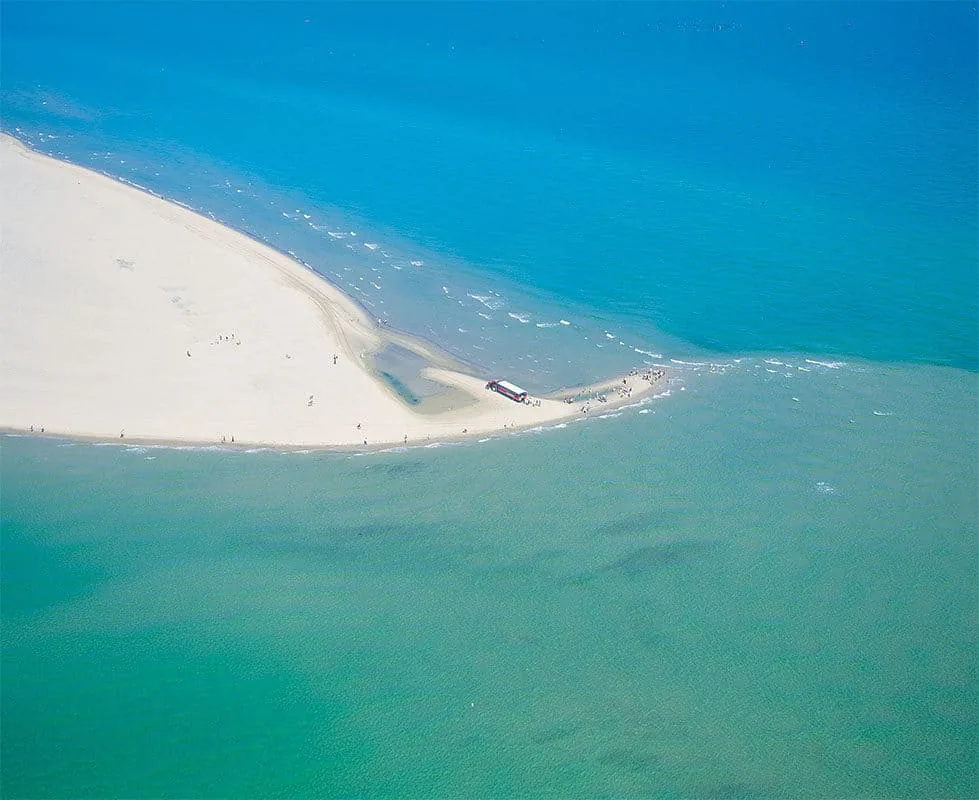
The geographical tip of the Jutland peninsula where the Skagerrak and Kattegat seas collide in a visible; turbulent clash of opposing currents; the sand is a fine; sun-bleached white; stand at the very edge during the summer blue hour; the unique northern light, which inspired the 19th-century Skagen Painters, turns the horizon a saturated; pearlescent indigo.
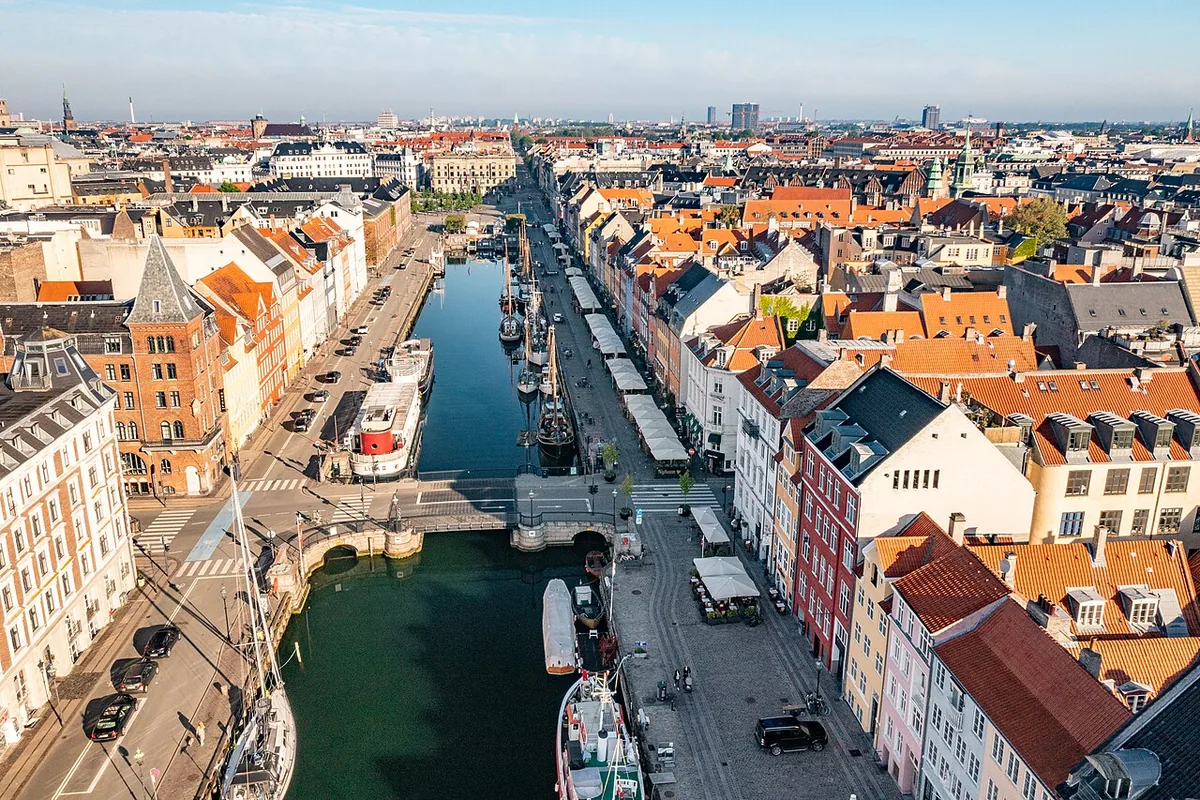
Nyhavn
A 17th-century waterfront canal lined by saturated; brightly coloured townhouses constructed from timber and brick; the oldest house; number 9; dates to 1681; walk the quay at dawn before the traders arrive; the water is a perfect mirror for the historic wooden schooners while the sound of the rising tide laps against the hand-hewn granite walls.
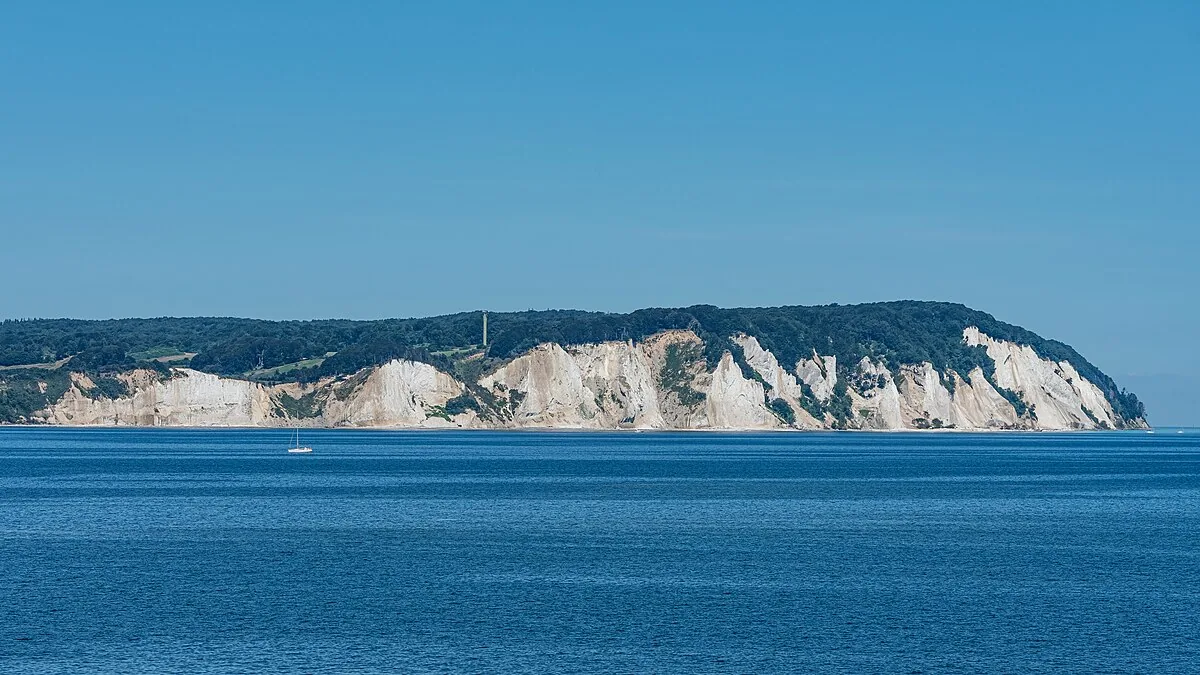
Møns Klint
A six-kilometre stretch of sheer; 70-million-year-old white chalk cliffs plunging 128 metres into the turquoise Baltic Sea; the forest of dark beech trees grows to the very edge; descend the 497 wooden steps to the pebble beach at midday; the light reflecting off the chalk is blinding; illuminating the flint layers and fossilised sea urchins.
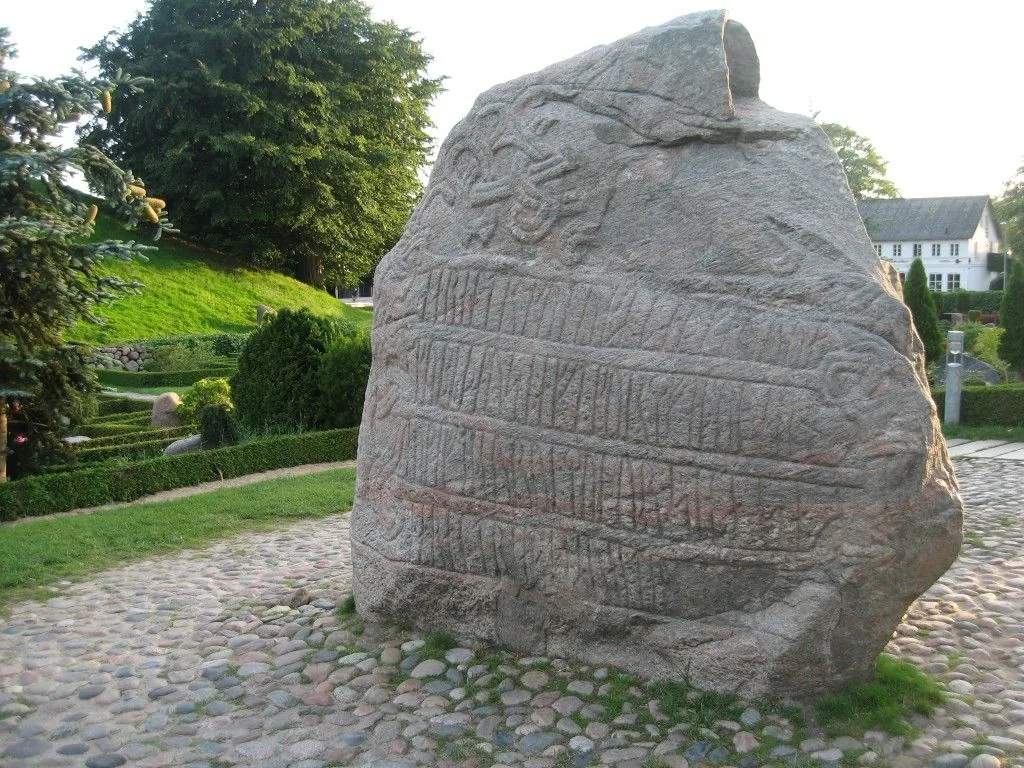
Jelling Mounds and Runestones
The 10th-century runic inscriptions known as Denmark’s 'birth certificate'; where King Harald Bluetooth declared the conversion of the Danes to Christianity; the two massive Viking burial mounds flank a simple white stone church; walk the perimeter at sunset; the long shadows of the mounds stretch across the laterite-red earth while the wind whistles through the grass.
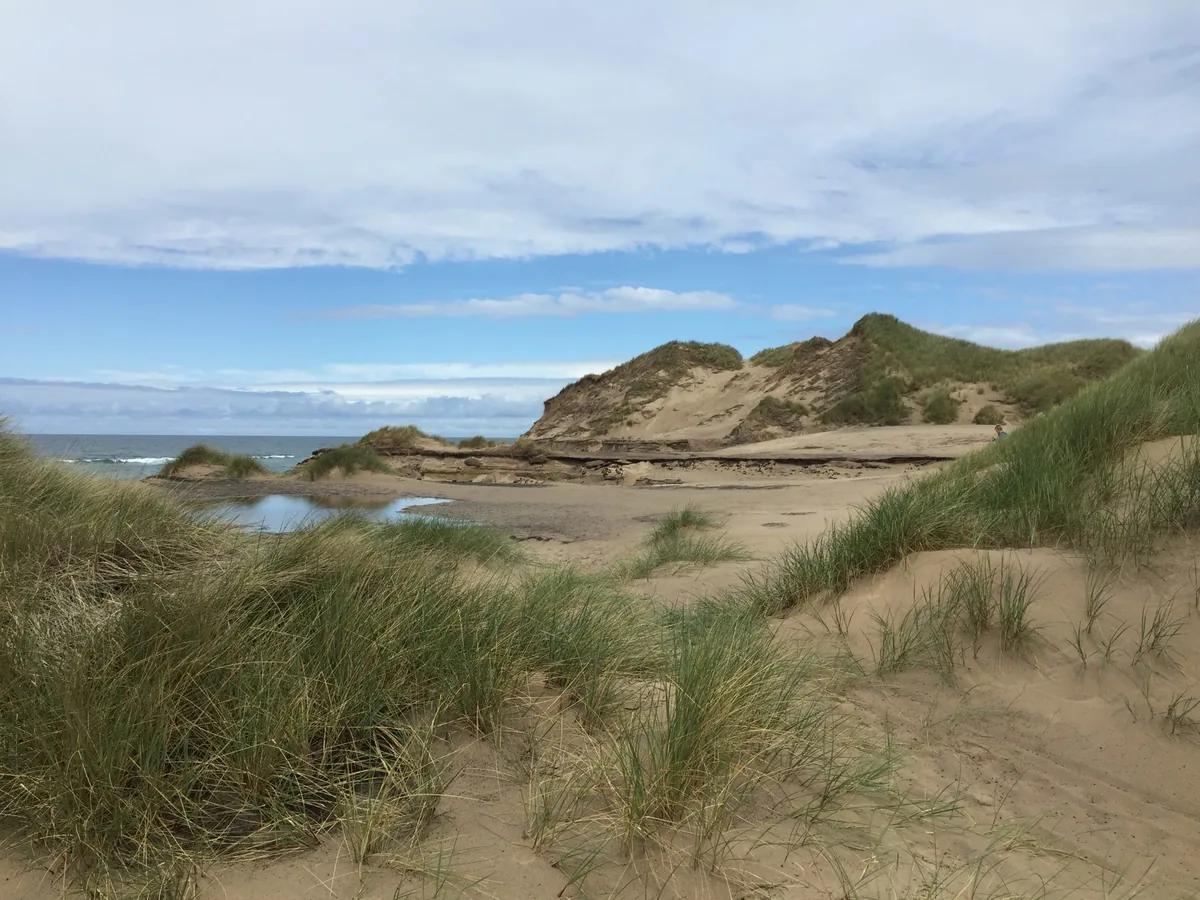
Thy National Park
A vast; wind-swept wilderness of coastal dunes; heathland; and freshwater lakes along the North Sea; known as Europe’s last 'wilderness'; the ecosystem is defined by shifting sands; traverse the dunes at Klitmøller at dawn; the salt-mist is heavy and the air carries the roar of the 'Cold Hawaii' surf against the moss-slicked basalt.
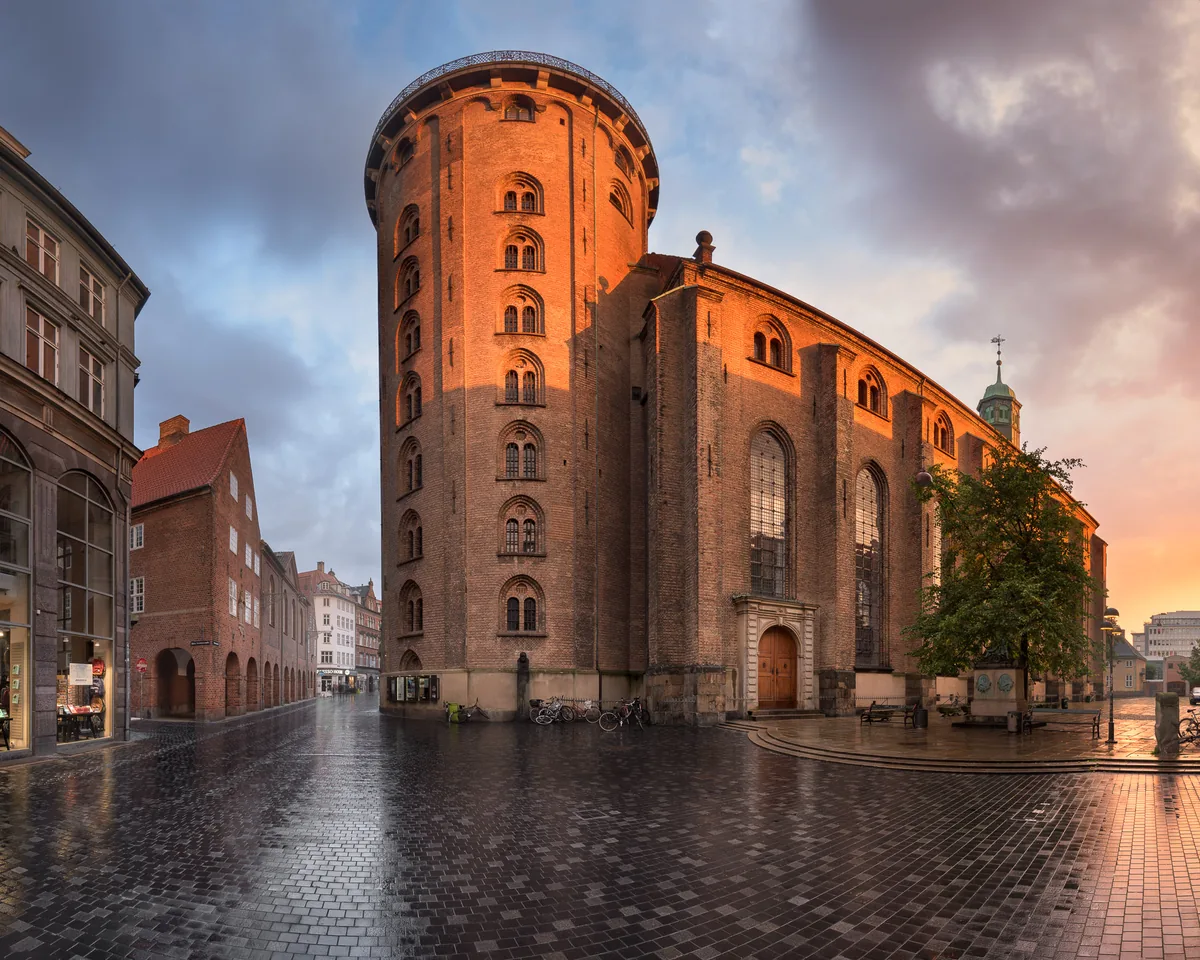
The Round Tower
A 17th-century astronomical observatory featuring a unique spiral ramp instead of stairs; built by King Christian IV for the university; the ramp is 209 metres long; walk the interior incline at 9 am; the sunlight through the deep-set windows strikes the yellow brick floor in rhythmic bars while the brickwork creates a hushed; cavernous acoustic.
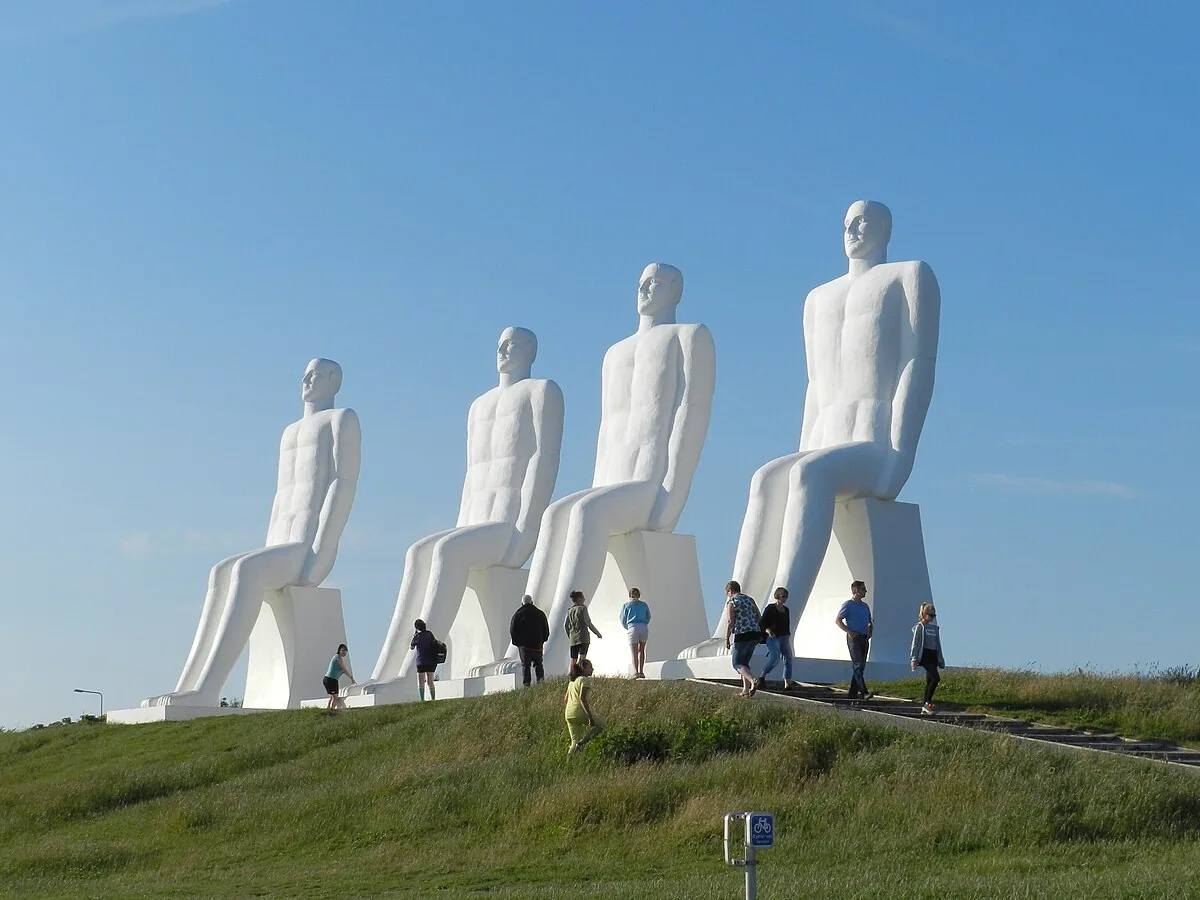
Men at Sea
Four 9-metre tall white seated figures made of reinforced concrete; gazing across the North Sea toward the horizon; designed by Svend Wiig Hansen in 1995; arrive during a winter storm; the salt spray coats the monumental; clinical white surfaces while the figures remain impassive against the grey; churning water and the screaming coastal wind.
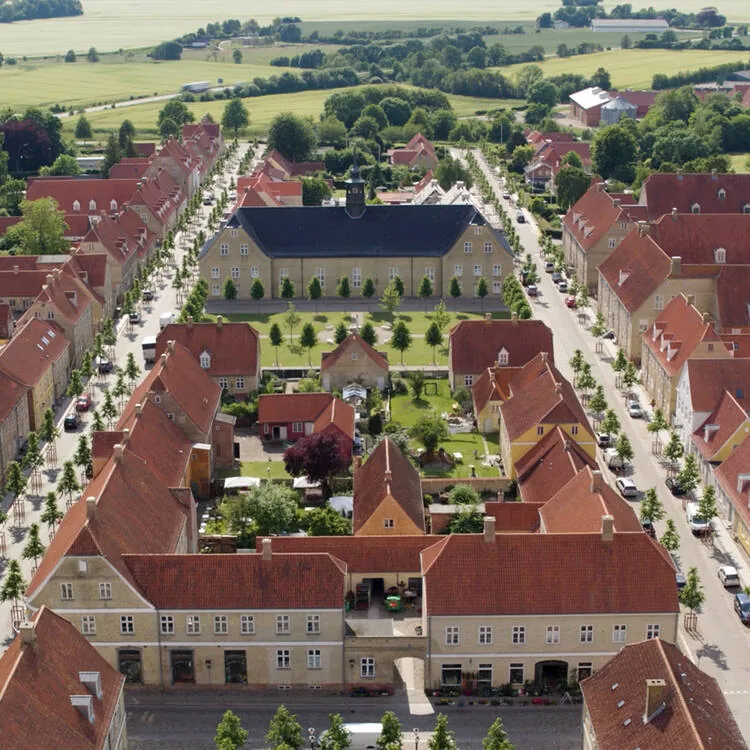
Christiansfeld
A small Danish town founded by the Moravian Brethren in 1773 preserves an eighteenth-century planned community almost intact, with a graveyard where every stone is identical regardless of the person b
Jelling Mounds
Harald Bluetooth erected a runestone in 965 CE claiming he had won all of Denmark and Norway and made the Danes Christian. The stone has the oldest image of Jesus in Scandinavia carved on it. The Blue
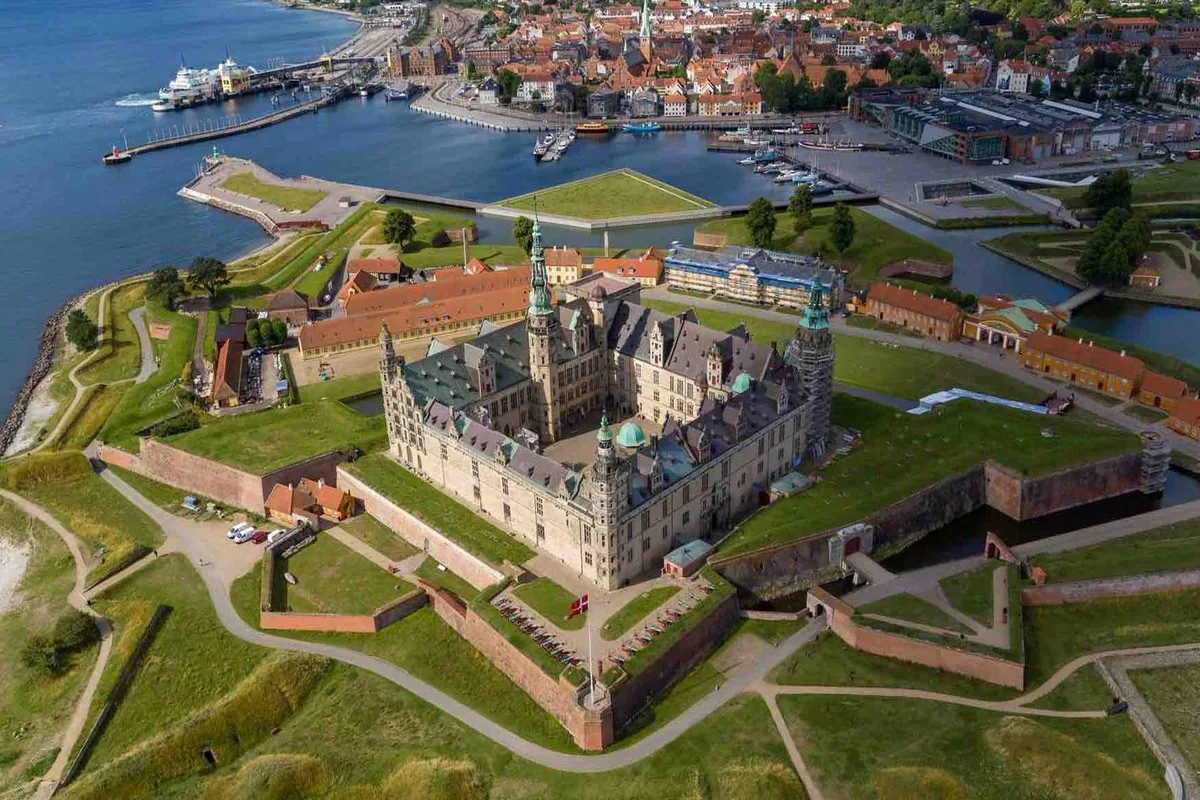
Kronborg Slot
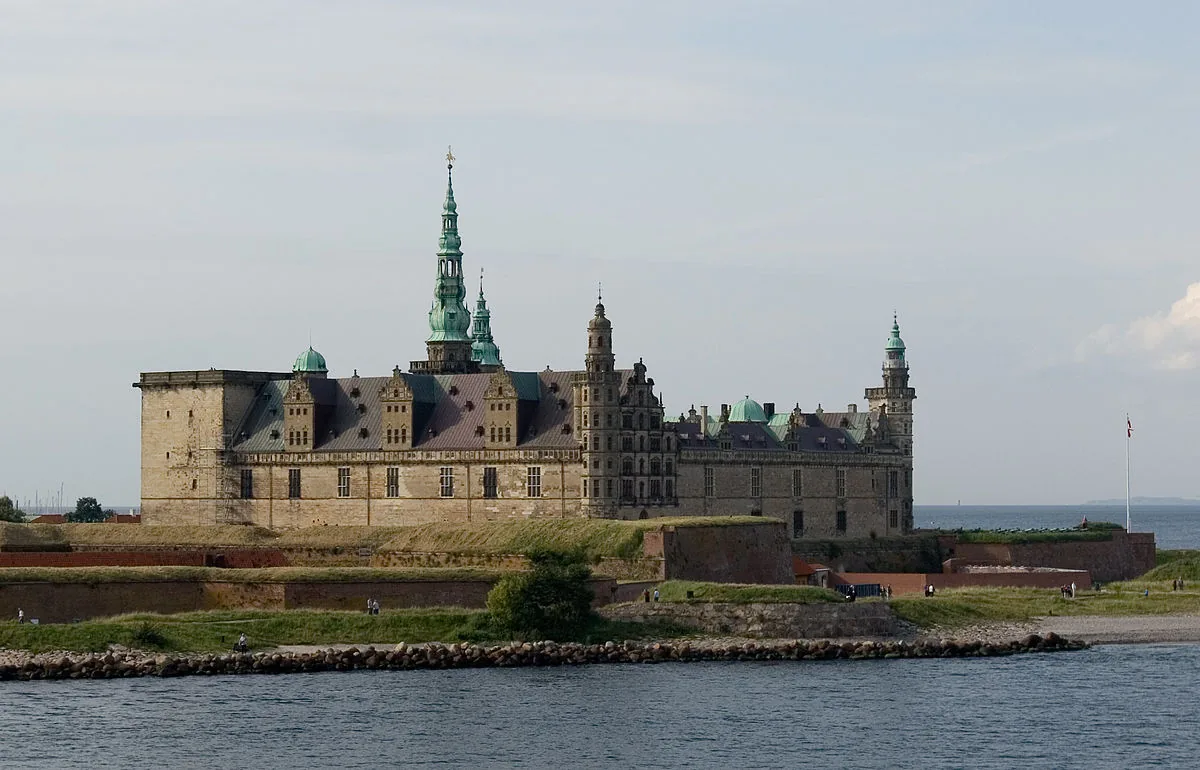
The 16th-century Renaissance stronghold famously served as the setting for Shakespeare’s Hamlet; its sandstone casemates once controlled the strategic sound between Denmark and Sweden; descend into the damp; subterranean passages to see the limestone statue of Holger Danske; the echo of the North Sea surf vibrates through the three-metre-thick walls in absolute darkness.
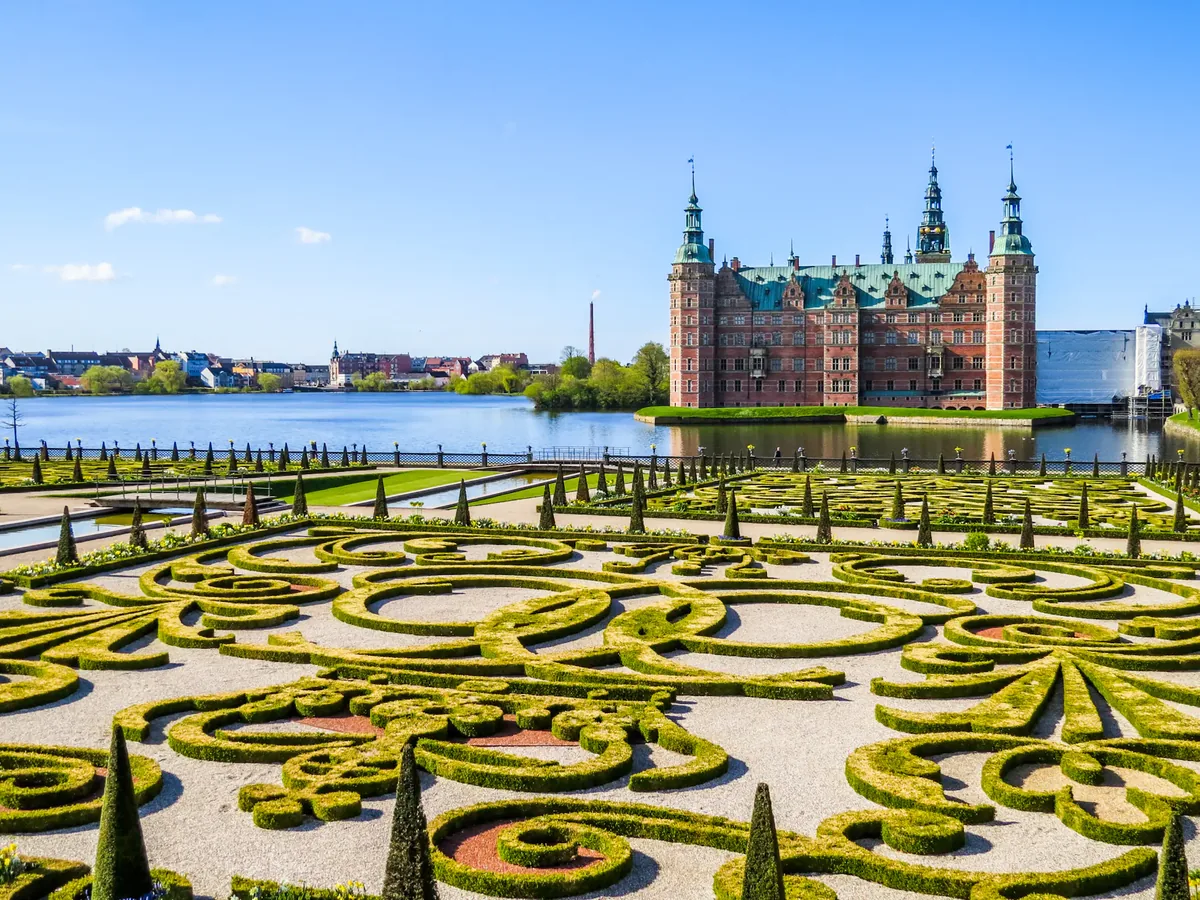
Frederiksborg Slot
The largest Renaissance palace in Scandinavia; built in the early 17th century across three small islands in the Castle Lake; the interior features the Neptune Fountain and the Knight’s Hall; visit the Baroque garden at 10 am; the light catches the hand-hammered copper on the spires while the perfectly symmetrical boxwood hedges lead the eye toward the water.
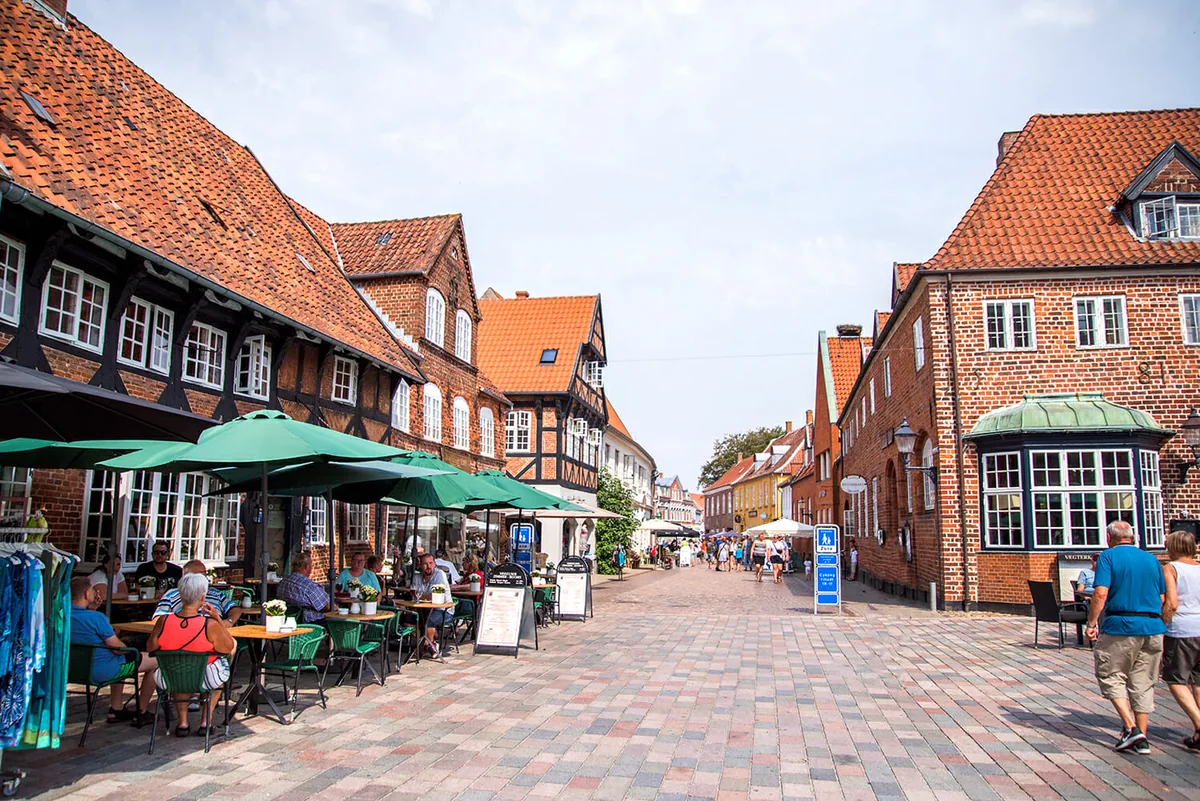
Ribe Old Town
Denmark’s oldest town; founded in the early 8th century as a Viking trading post; defined by half-timbered houses and cobblestone lanes that lean at precarious angles; follow the Night Watchman on his 8 pm rounds; the sound of his staff on the sun-bleached stones and the smell of woodsmoke recreate the pre-industrial atmosphere of the medieval marshland.
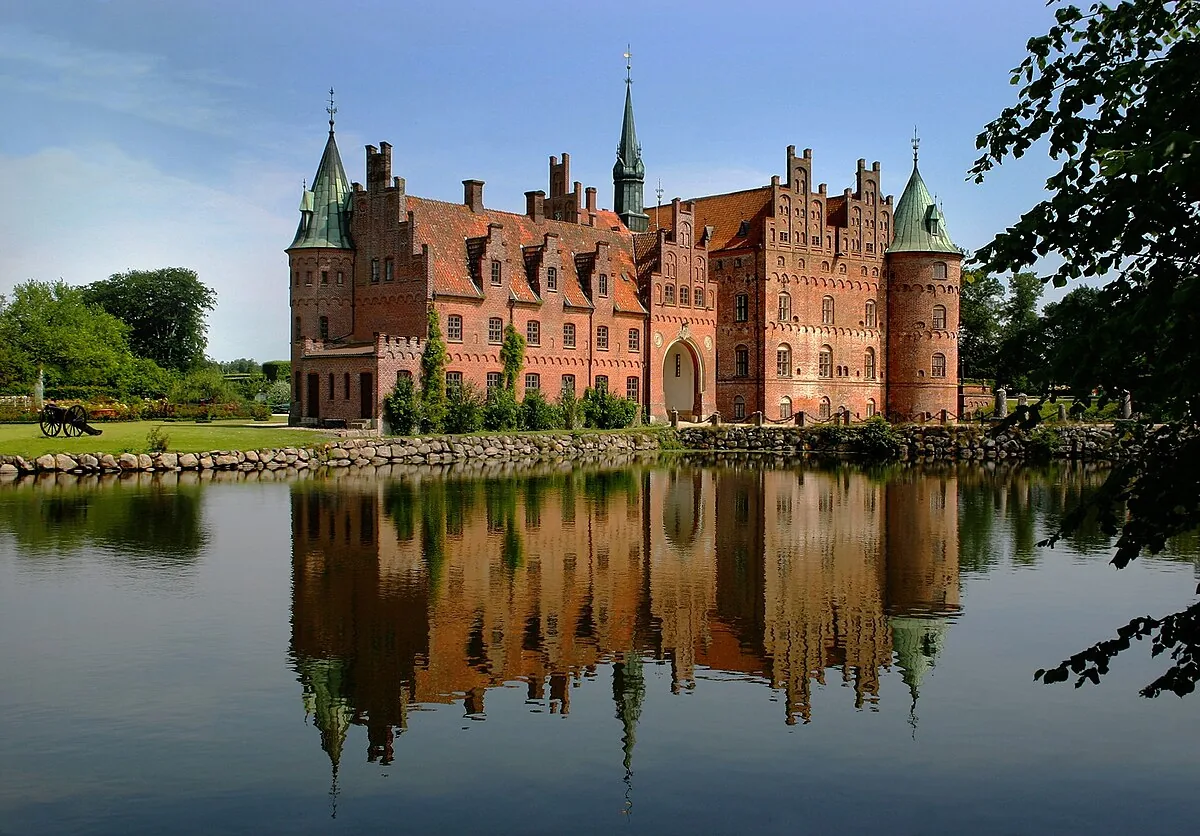
Egeskov Castle
Europe’s best-preserved Renaissance water castle; completed in 1554 on a foundation of thousands of oak piles driven into a lake; the red-brick walls and conical spires are reflected in the moat; explore the maze at 3 pm; the scent of trimmed yew is thick while the castle appears to float above the water in the afternoon light.
Christiansfeld Moravian Settlement
A planned 18th-century town built by the Moravian Church; defined by its rigorous; symmetrical Protestant architecture and yellow-brick facades; the settlement is a UNESCO site of spiritual and urban order; walk the central square at noon; the absolute geometric precision of the grey slate roofs and the silence of the streets reflect the community’s communal ideals.
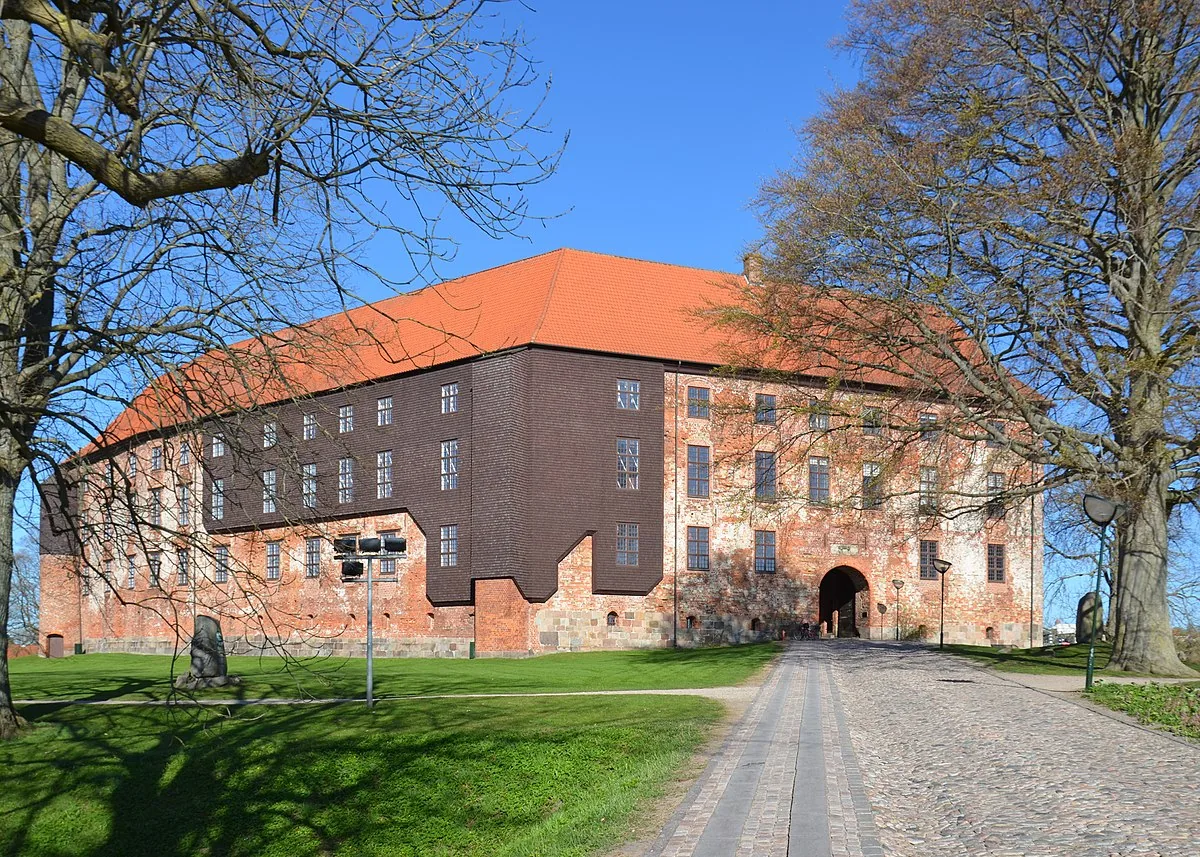
Koldinghus
A 13th-century royal castle spectacularly restored using modern timber and steel to fill the voids left by an 1808 fire; the architectural contrast is a masterclass in preservation; climb the Giant Tower at 4 pm; the view over Kolding Fjord is framed by raw; charred brickwork and contemporary oak columns that smell of fresh resin.
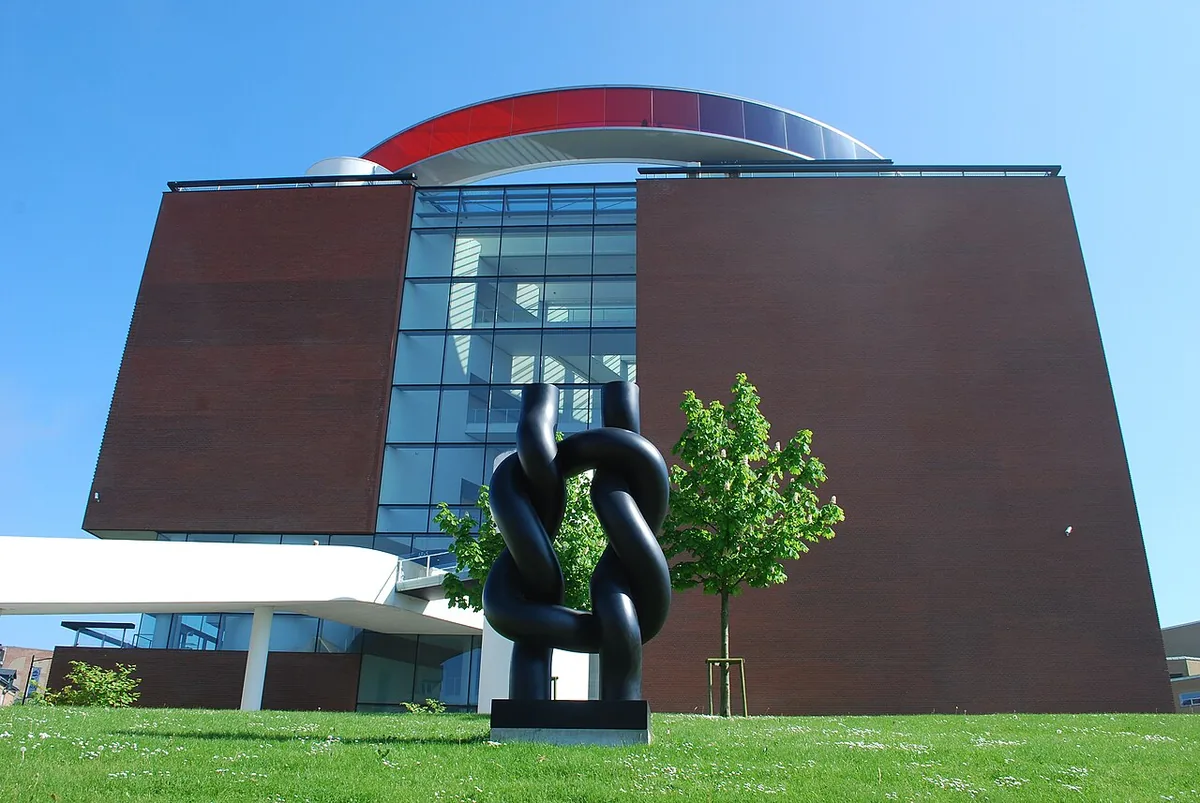
Aros Aarhus
A 150-meter circular walkway of colored glass on the roof wraps visitors in the full spectrum as they walk around it above Aarhus. Below, a 4.5-meter hyper-realistic crouching boy is the most photogra
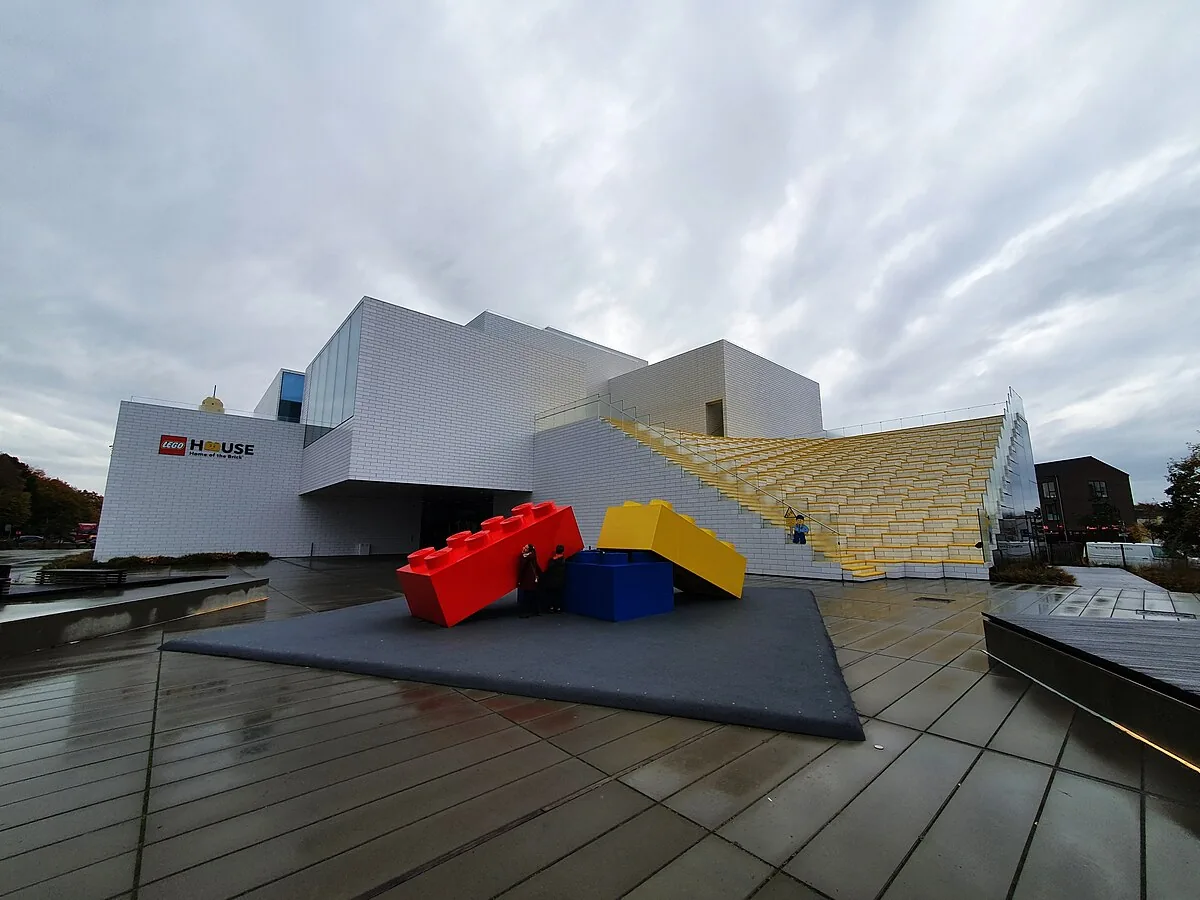
LEGO House
A 12,000-square-metre architectural marvel designed by Bjarke Ingels Group as 21 interlocking white blocks topped by a massive 2x4 LEGO keystone; it houses the Masterpiece Gallery’s brick sculptures; explore the rooftop terraces at midday; the clinical; primary colours of the play zones contrast with the grey Jutland sky while the interior hums with the click of millions of plastic elements.
ARoS Aarhus Art Museum
A ten-story architectural cube crowned by Your Rainbow Panorama; a 150-metre circular glass walkway by Olafur Eliasson; the galleries below house 18th-century Danish masters; stand inside the rainbow ring at 2 pm; the city of Aarhus is filtered through a 360-degree spectrum of saturated hues while the floor remains a clinical; silent white.
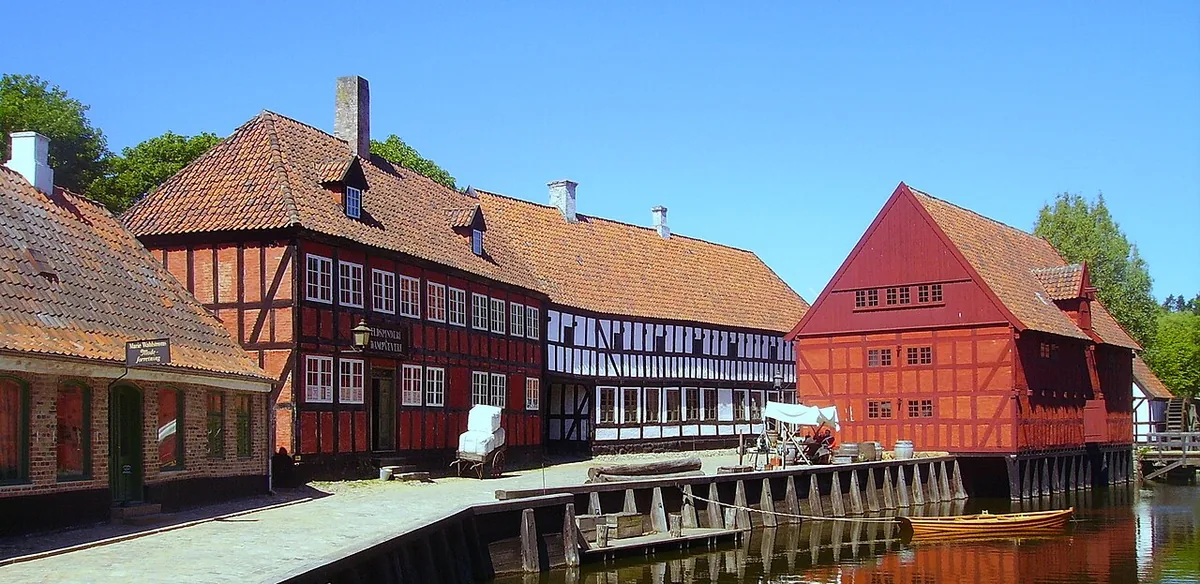
Den Gamle By
An open-air museum of urban history comprising 75 historic houses relocated from across Denmark to form a functional town; spanning the 16th to the 20th century; visit the apothecary garden at midday; the sound of horse-drawn carriages on the gravel and the scent of medicinal herbs create a tactile; multi-sensory bridge to the 1864 Danish lifestyle.
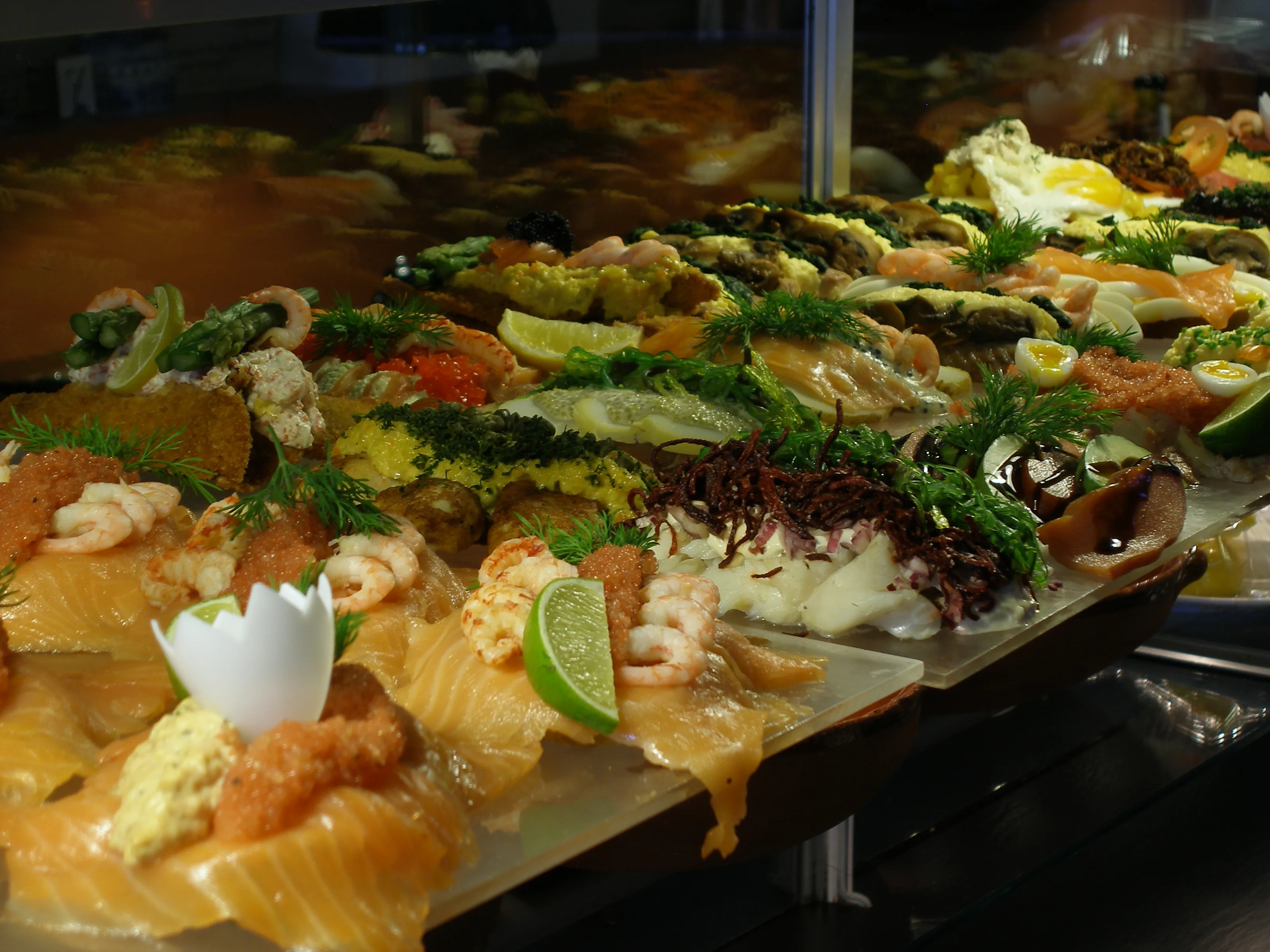
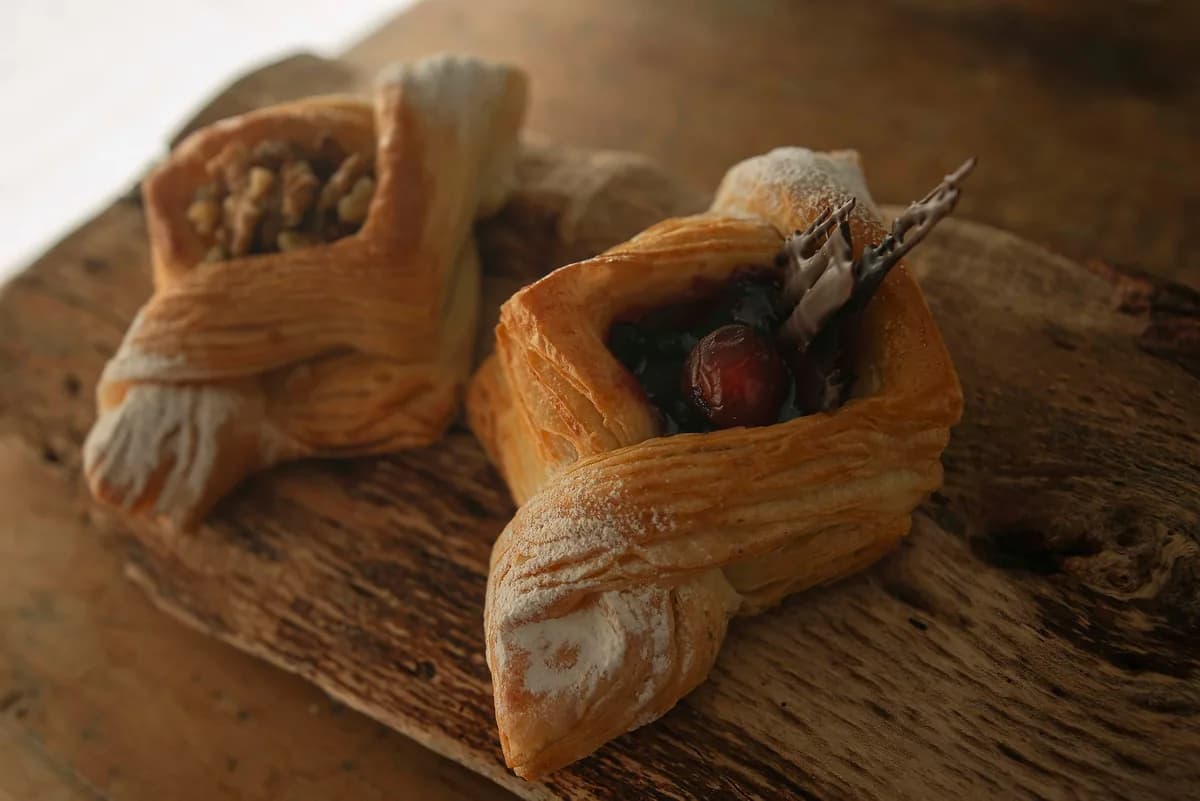
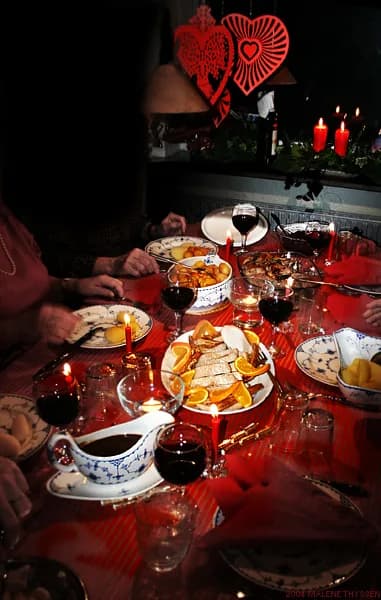
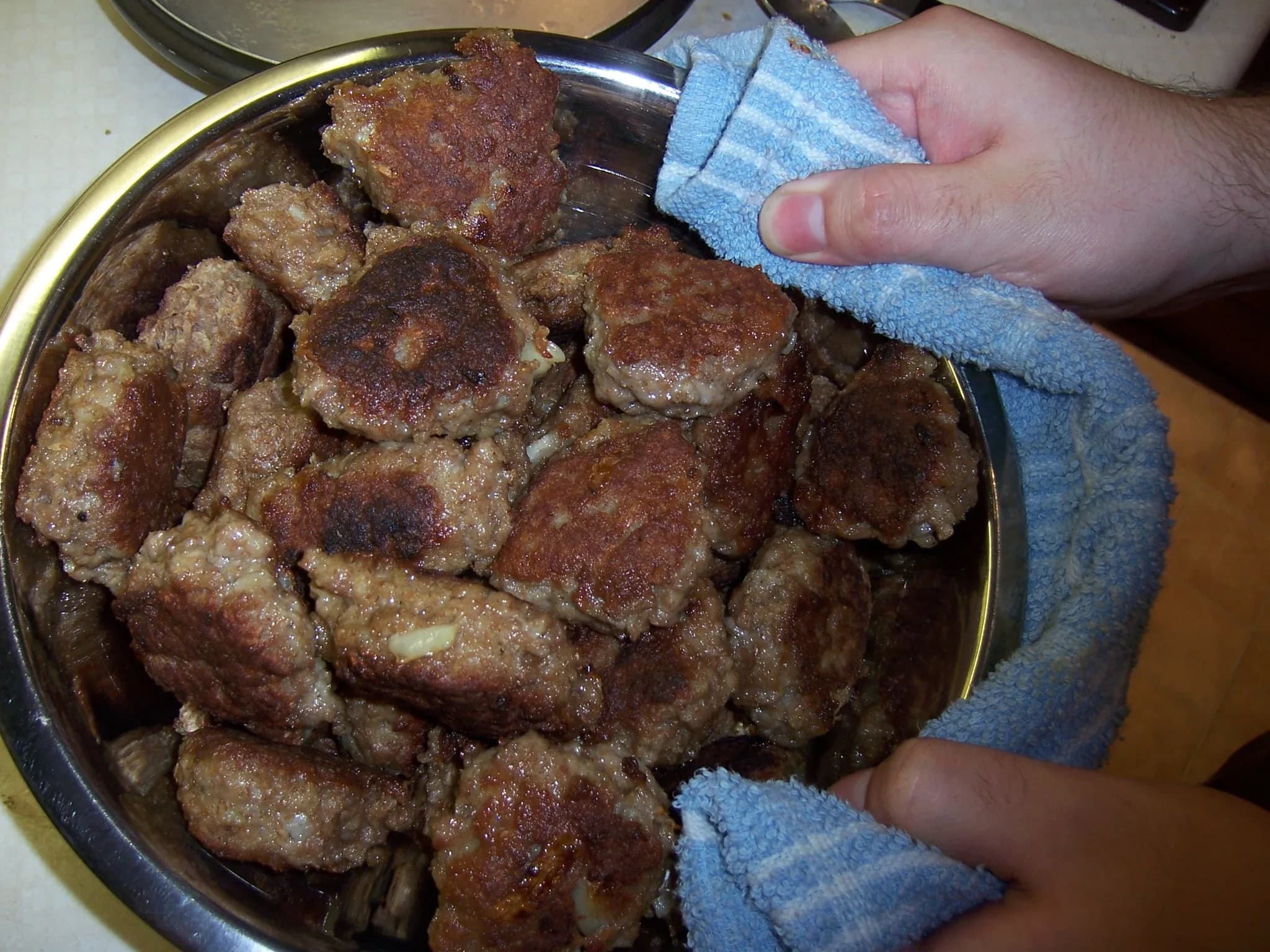
Cuisine
Must-Try Dishes
The flavours that define Denmark
Flights
Fly to Denmark
Compare prices across local & global booking platforms
✈ Flights to Denmark
🏨 Hotels in Denmark
Clicking opens the booking platform. WorldCurio may earn a commission at no extra cost to you.
Did You Know
Denmark Facts
Fascinating things most travellers never learn
Denmark consistently ranks as the world's happiest country in the UN World Happiness Report, partly due to 'hygge' — a philosophy of cosy togetherness that defines Danish social life.
Denmark is the oldest kingdom in the world with an unbroken royal line since 958 CE. The Danish flag, the Dannebrog, is also the world's oldest national flag still in official use.
Lego, the world's most powerful toy brand, was invented in Denmark in 1932. The word LEGO comes from Danish 'leg godt' — play well. More than 400 billion Lego bricks have been manufactured.