“A fire lit by Spanish troops in 1808 gutted Koldinghus's great tower, and the restoration chose to preserve the ruin rather than erase it, capping the roofless hall with glass instead.”
About Koldinghus
A royal border fortress since the thirteenth century, Koldinghus was destroyed by fire in 1808 during the Napoleonic Wars. Restoration work from the 1890s stabilized the ruin and installed a glass roof over the ruined tower, making the damage a permanent architectural feature.
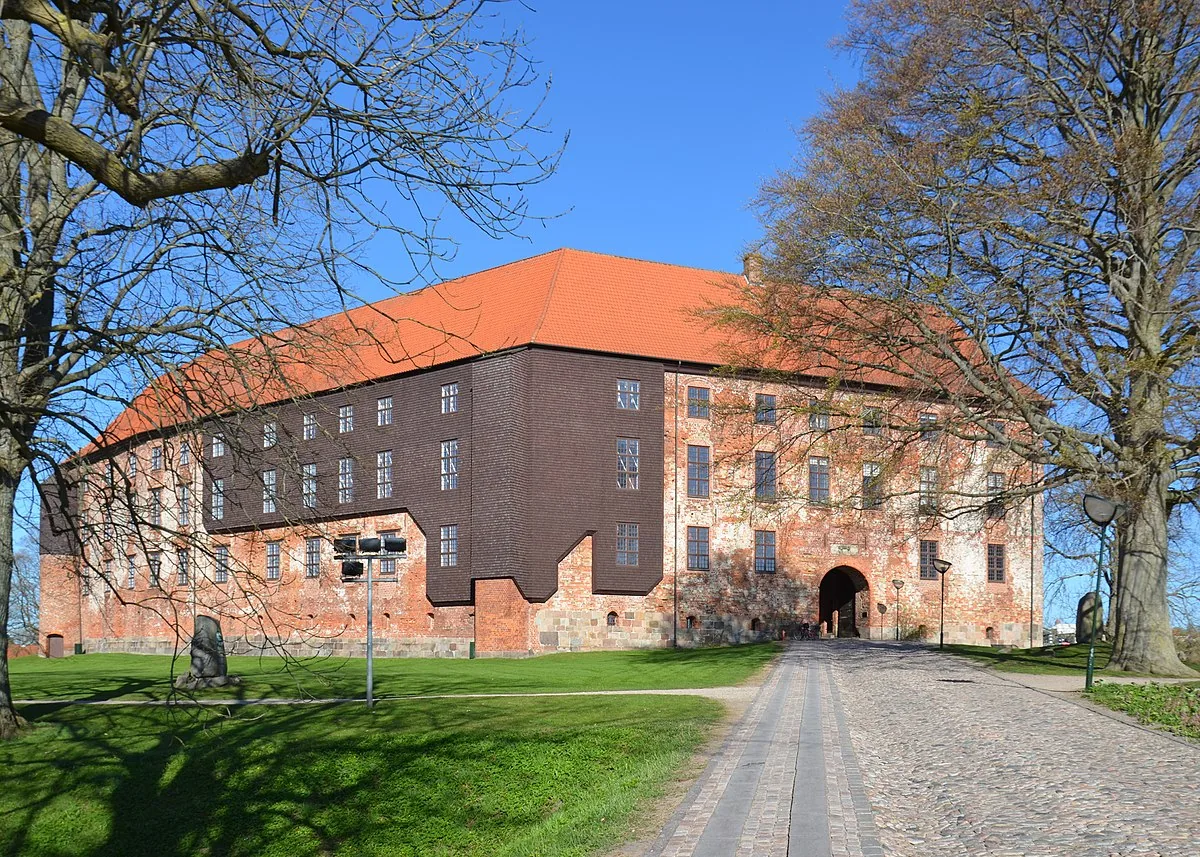
Koldinghus is a castle ruin and museum in the town of Kolding in southern Jutland. The castle has a history extending back to the thirteenth century, when it was a royal fortress marking the border between Denmark and the Duchy of Schleswig. What makes it visually distinctive today is its partial ruination: a fire in 1808 gutted the main tower and left sections of wall standing open to the sky, and the subsequent restoration work in the twentieth century chose to preserve the ruin rather than fully reconstruct it. The result is a building that is simultaneously museum and memento mori.
Koldinghus is a castle ruin and museum in the town of Kolding in southern Jutland.
The 1808 fire was started by Spanish troops quartered in the castle during the Napoleonic Wars, an alliance with France that placed Danish soldiers alongside Napoleon's forces and Spanish allies on Danish soil. The fire destroyed the roof and interior of the great tower, and the building sat exposed for over a century. A careful restoration began in the 1890s, guided by the architect Thorvald Jørgensen, who stabilized the ruin and added a glass roof over the ruined tower hall, allowing the interior to be used while leaving the fire damage visible.
The museum inside covers Danish royal history, decorative arts, and the castle's long role as a border fortification. The ruined great hall, with its exposed brick walls and glass ceiling, is the most atmospheric space in the building. Walking the castle grounds gives views over the Kolding Fjord. The mix of medieval masonry, nineteenth-century restoration, and contemporary museum intervention is handled with more coherence than such layering usually achieves.
Kolding is a central Jutland city with direct train connections to Copenhagen (approximately ninety minutes), Odense, and Esbjerg. The castle is visible from the train station, a short walk uphill into the old town.
Kolding is a central Jutland city with direct train connections to Copenhagen (approximately ninety minutes), Odense, and Esbjerg.
The Experience
Passing through the museum's royal history and decorative arts collections, stand in the glass-roofed ruined hall where the fire damage is preserved as part of the interior, and walk the grounds for views over Kolding Fjord.
Why It Matters
One of Denmark's most important royal castles and an unusual example of architectural restoration that treats ruin as a form of historical evidence rather than something to hide.
Why Visit
The glass-roofed ruin hall is a genuinely unusual space, neither inside nor outside, neither restored nor abandoned. The castle's position above the fjord and its layered history make it more interesting than a conventional palace museum.
✦ Insider Tips
- 1
The ruin hall is the strongest space in the building, spend time in it rather than rushing through to the collection rooms.
- 2
The castle grounds are publicly accessible even outside museum hours.
- 3
Kolding's old town center is worth a brief walk after the castle, there are several good cafes within five minutes.
- 4
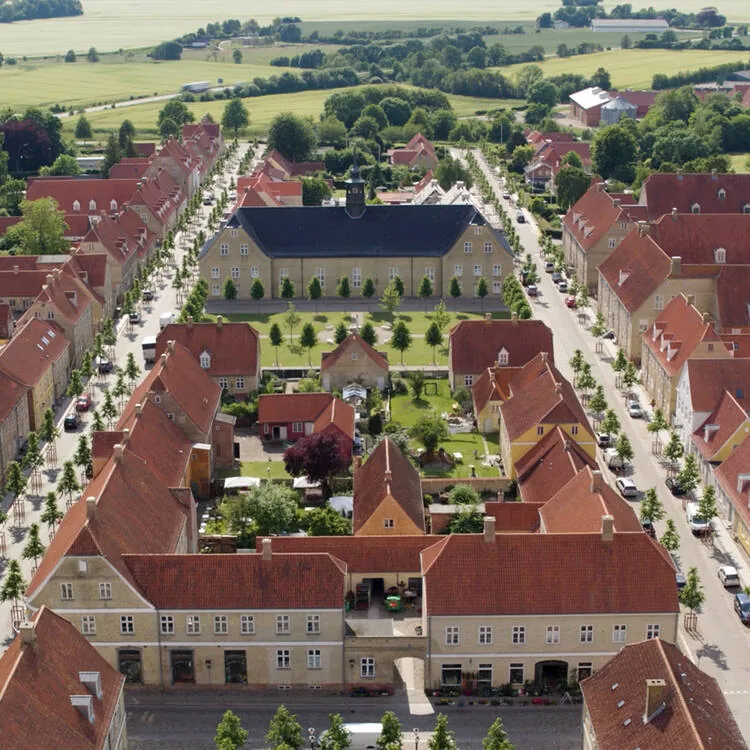
Combine with Christiansfeld (thirty minutes south) for a southern Jutland day focused on heritage sites.