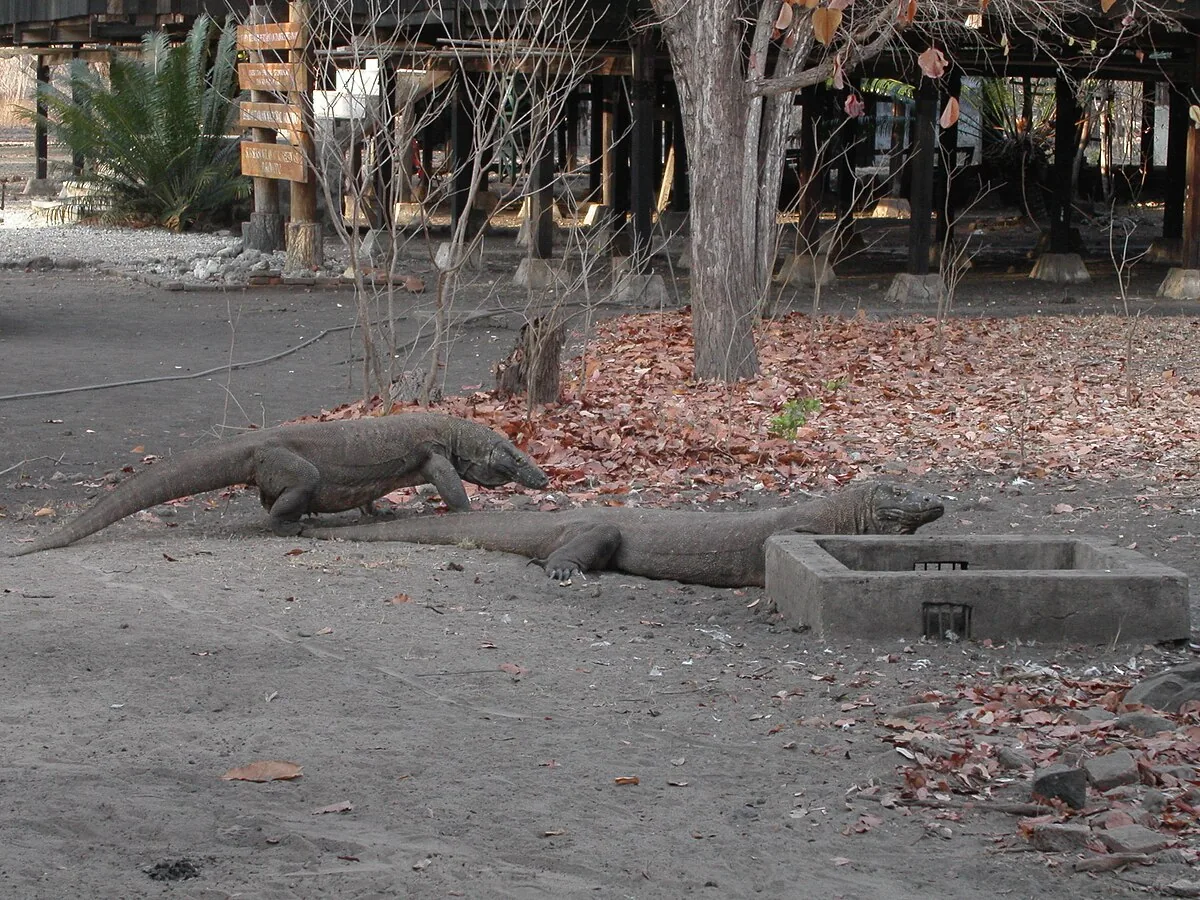
Go into a volcanic landscape where the grass is scorched yellow and three-meter-long dragons, remnants of a prehistoric age, still reign as the undisputed kings of the islands.
About Komodo National Park
Scientists were skeptical of 'man-eating lizards' until 1912 when Peter Ouwens, director of the Java Zoological Museum, formally described the species after skins and photographs reached him from the Flores sea. This discovery transformed the islands from a remote convict colony into a site of global biological interest. By the 1970s, the Indonesian government realized that the unique flora and fauna of the region were under threat from poaching and habitat loss. The park's creation in 1980 marked a turning point in regional conservation, shifting the local economy toward sustainable tourism and protection. Over the years, the boundaries were extended to cover 1,733 square kilometers of sea and land, safeguarding the coral reefs that act as a nursery for the Indo-Pacific. The modern history of the park is a delicate balancing act between the rising demands of international visitors and the survival of a creature that has remained unchanged for millions of years.
What Komodo National Park actually is
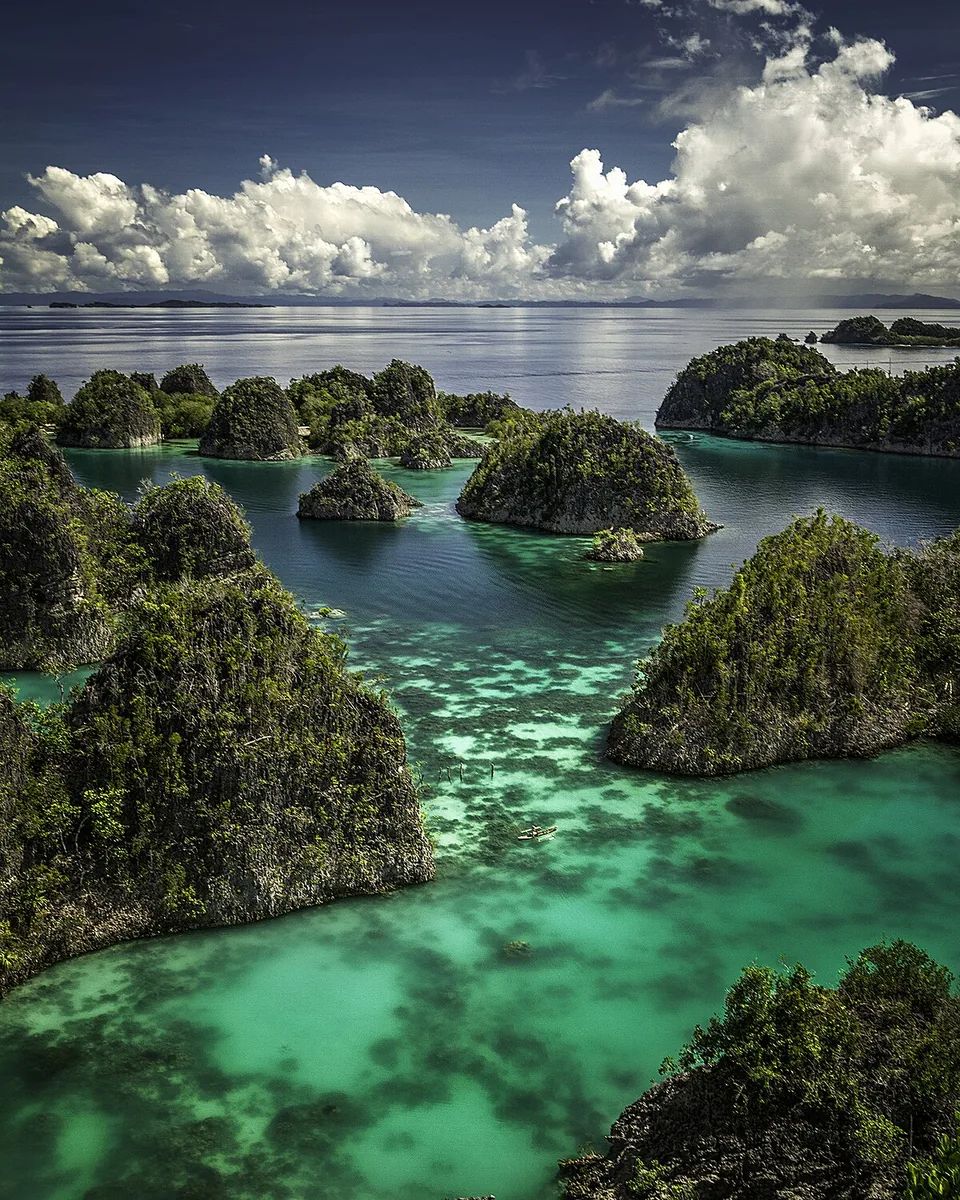
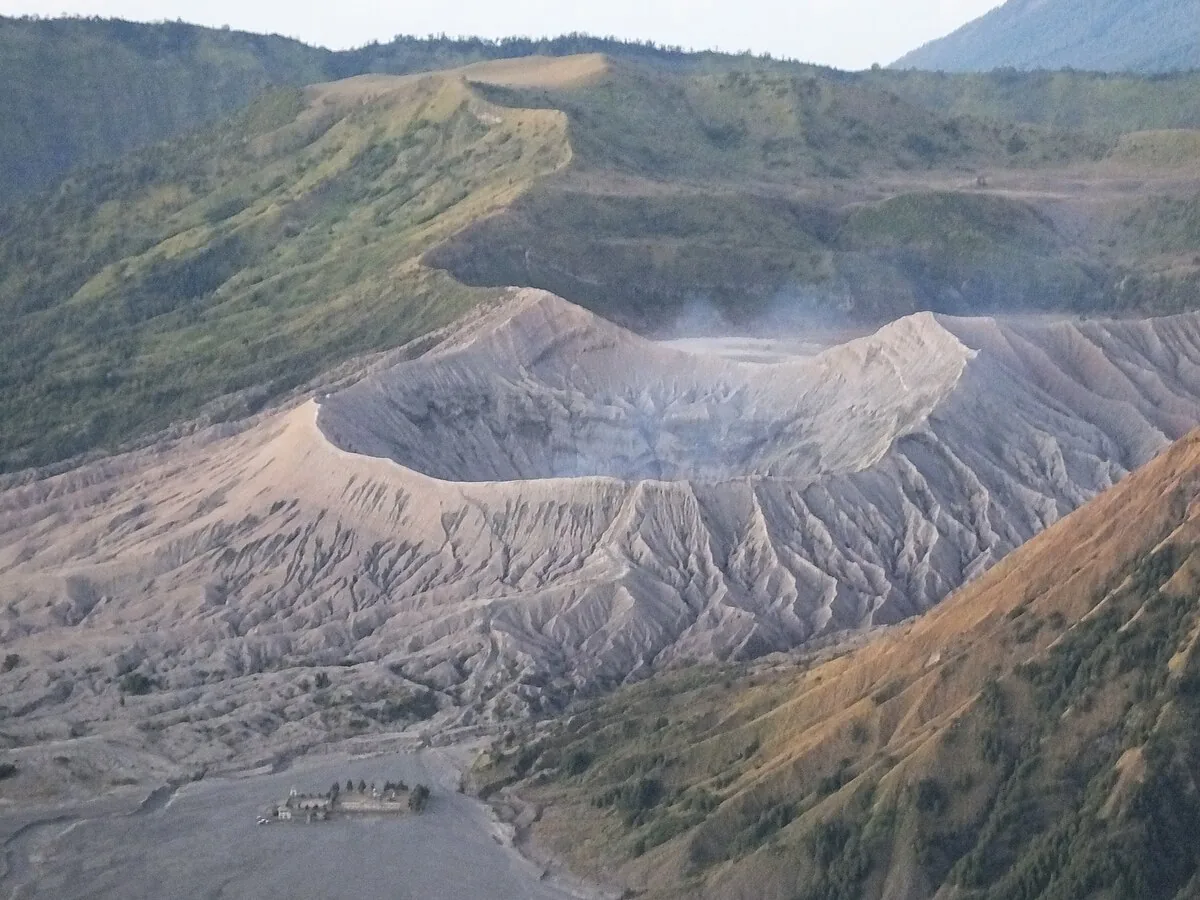
Russet-colored hills rise abruptly from a sapphire sea, looking more like the spine of a sleeping beast than a tropical archipelago. Komodo National Park encompasses a rugged volcanic landscape where the lush humidity of the Indonesian tropics gives way to a scorched, prehistoric savannah. Here, the world’s largest lizards patrol the dry creek beds and rocky outcrops of Komodo, Rinca, and Padar islands. The space smells of salt spray and sun-dried grass, occasionally carried on the wind that whips across the dramatic ridges of the islands. Underwater, the scene shifts to a riotous explosion of color, where the nutrient-rich currents of the Wallace Line sustain one of the most diverse marine ecosystems on the planet. This is a place of stark contrasts where the primordial land meets a sea teeming with kaleidoscopic life.
Background
Rumors of 'land crocodiles' reached the Dutch colonial administration in the early twentieth century, sparking an expedition in 1910 that introduced the Komodo dragon to the scientific world. Lieutenant van Steyn van Hensbroek was the first to document the three-meter-long predators, dispelling local myths while confirming that a remnant of the Pleistocene era had survived in this isolated corner of the Lesser Sunda Islands. The park was officially established in 1980 to protect the estimated 5,700 dragons, though the scope of conservation soon expanded to include the entire delicate biosphere. In 1991, UNESCO recognized the area for its remarkable natural beauty and evolutionary significance. Despite the fierce reputation of its namesake residents, the park is also home to traditional fishing communities who have lived alongside the dragons for generations, navigating a complex and respectful coexistence with these apex predators.
The weight of the heat first , a dry, radiating warmth that makes the rust-colored earth crack under your boots. Passing through the scrubland with a ranger, the silence is punctuated by the sudden, dry rustle of a dragon’s heavy tail dragging across the leaves. Something like a jolt of adrenaline when a monitor lizard flicks its forked tongue into the air, its obsidian eyes tracking your movement with ancient indifference. The light at Padar Island’s summit in the early morning is liquid gold, illuminating the crescent bays of white, pink, and black sand that curve away from the jagged central ridge. Beneath the waves at sites like Manta Point, the sensation changes to a soaring weightlessness as giant manta rays glide through the water like dark silken kites. The rhythmic thrum of the boat's engine as you transition between islands, watching the volcanic silhouettes shift against the horizon. The element that stays with you is watching a sun-bleached dragon retreat into the shadows of a tamarind tree, a living relic of a world that existed long before humans arrived.
Labuan Bajo is the busy gateway
Labuan Bajo is the busy gateway, a former fishing village on the western tip of Flores that now hums with the energy of dive boats and wooden liveaboards. Daily flights from Bali land at the small airport, offering a quick transition from the resort crowds to the rugged frontier. To see the park, you must board a boat, whether it is a traditional wooden pinisi for a multi-day expedition or a fast boat for a whirlwind tour of the main islands. Navigating the treacherous currents of the Sape Strait requires an experienced captain, as the sea here is a living force that dictates the rhythm of every journey.
The Experience
You feel the salt crusting on your skin as the wind picks up during the boat crossing to Rinca, where the dragons are often found lounging near the ranger stations. The scent of wild basil and dry earth is constant while hiking the interior trails, and you notice the stark, skeletal beauty of the lontar palms silhouetted against the bright blue sky. From somewhere comes the sharp, territorial barks of deer and the grunt of wild pigs, the primary prey that keeps the dragons at the top of the food chain. The majority focus on the dragons, but the real magic often happens when you look down at the pink sand beaches, where pulverized red coral fragments give the shore a surreal, glowing hue. Straight off, the sheer clarity of the water, which allows you to see gardens of branching coral several meters deep from the deck of your boat. The experience is one of raw, unmediated nature that reminds you of your own smallness in the face of such ancient ecological power.
Why It Matters
Komodo National Park is a biological fortress, protecting the last surviving habitat of the world's largest lizard and acting as a vital corridor for marine migration between the Indian and Pacific Oceans. It matters because it preserves a unique evolutionary path that took place in total isolation, offering scientists a window into the Pleistocene era. Culturally, it demonstrates the possibility of humans sharing a limited landscape with one of the planet's most dangerous animals.
Why Visit
Visit Komodo because it is the closest you will ever get to walking through a scene from the Jurassic period. While Bali offers culture and comfort, this archipelago offers raw, heart-pounding discovery that engages every sense. It is the only place on earth where you can hike a volcanic ridge in the morning and dive into a world-class coral reef before the sun sets.
✦ Photo Gallery
Best Season
🌤 From the dry season beginning April to October is the ideal window, offering clear skies for hiking and the best conditions for spotting dragons as they congregate near water sources.
Quick Facts
Best time to visit
From the dry season beginning April to October is the ideal window, offering clear skies for hiking and the best conditions for spotting dragons as they congregate near water sources.
Getting there
In Labuan Bajo, Indonesia; reach Labuan Bajo first, then continue to the site.
Location
Labuan Bajo, Indonesia
Type
attraction
Coordinates
-8.5433°, 119.4894°
Insider Tips
- 1
Arrive at the Rinca or Komodo ranger stations as early as possible in the morning when the dragons are most active and likely to be seen moving.
- 2
Do not wear perfume or heavily scented lotions, as the dragons have a highly sensitive olfactory system and are attracted to unusual smells.
- 3
Book a wooden liveaboard boat for at least two nights to experience the nocturnal flight of thousands of fruit bats from Kalong Island.
- 4
Check the moon phases before booking a dive; the currents in the park are notorious and can be dangerously strong during full or new moons.
- 5
Look for the smaller monitor lizards and endemic birds while hiking; the focus on the dragons often causes visitors to miss the park’s incredible avian diversity.